
What Are the Benefits of Having a Garden House?
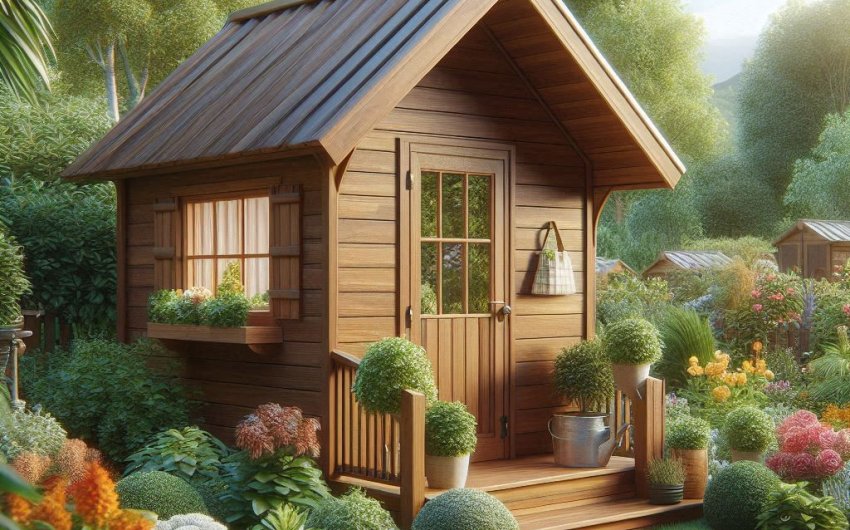
Investing in an outdoor structure can significantly enhance your property and lifestyle, and understanding the myriad benefits of having a garden house reveals its true value. Far beyond simple storage, these charming outbuildings transform a backyard into a more functional, aesthetically pleasing, and versatile extension of your home. Whether you envision a dedicated space for hobbies, a cozy retreat, or an organized hub for all your gardening essentials, a garden house offers a wealth of practical and recreational advantages that enrich your outdoor experience.
What Defines a Garden House and Its Purpose?
Before exploring the benefits, it's helpful to clarify what a garden house typically entails and its overarching purpose within a residential landscape.
Defining a Garden House
A garden house is a freestanding, usually smaller, structure located in a garden or backyard. It typically serves as a versatile outdoor building, distinct from a main residence. While often made of wood, they can also be constructed from metal, plastic, or composite materials. They range in size from compact sheds to more elaborate, cabin-like structures. Key characteristics often include:
- Dedicated Space: A specific, enclosed area separate from the main house.
- Versatile Use: Designed to serve a variety of purposes, not just a single function.
- Integration with Landscape: Often designed to blend aesthetically with the garden, complementing its design rather than detracting from it.
While often used interchangeably, a "garden house" can be considered a broader term encompassing structures like garden sheds, summerhouses, potting sheds, or even small detached offices, emphasizing their integration into the garden environment.
Primary Purpose of a Garden House
The overarching purpose of a garden house is to extend the functionality and living space of your home into the outdoors, tailored to specific needs that arise from having a garden. This can include:
- Storage: The most common use, offering a dedicated place for tools, equipment, and garden supplies.
- Workspace: Providing a sheltered area for gardening tasks, hobbies, or even professional work.
- Shelter/Retreat: A personal haven from the elements or a quiet escape for relaxation.
- Enhancement of Outdoor Living: Contributing to the overall aesthetic and utility of the garden, making outdoor activities more enjoyable and convenient.
What Are the Practical Benefits of a Garden House?
Beyond simply looking nice, a garden house offers a multitude of practical advantages that can significantly improve organization, workflow, and the enjoyment of your outdoor space.
1. Essential Storage and Organization: Taming the Clutter
One of the most immediate and significant benefits of a garden house is its capacity for essential storage and organization. It provides a dedicated, protected space for all your garden-related items, preventing clutter and keeping everything in its place.
Protecting Tools and Equipment
Garden tools and equipment are an investment. Leaving them exposed to the elements (sun, rain, snow) can lead to rust, rot, and rapid deterioration. A garden house offers a secure and dry environment for protecting tools and equipment, significantly extending their lifespan. This includes everything from hand trowels and pruners to larger items like lawn mowers, tillers, and wheelbarrows. Proper storage means less money spent on replacements. A Durable Garden Tool Set will last much longer when stored properly.
Decluttering the Garage and Home
Without a garden house, gardening supplies often migrate to the garage, basement, or even closets within the home, leading to clutter and taking up valuable space. A garden house allows for decluttering the garage and home by providing an off-site, dedicated storage solution for:
- Bags of soil, compost, and mulch
- Plant pots and trays
- Fertilizers and pest control products
- Watering cans and hoses
- Seasonal decorations
- Outdoor sporting equipment
- Even bicycles or other outdoor gear
This frees up space in your main living areas, making your entire property feel more organized.
Improved Accessibility and Efficiency
When all your gardening essentials are stored in one convenient location, easily accessible from your garden, it dramatically improves accessibility and efficiency. No more traipsing back and forth to the garage or shed, searching for that one elusive tool. Everything you need is right there, allowing you to spend more time actually gardening and less time preparing or cleaning up. This streamlines your gardening tasks and makes them more enjoyable. A Garden Tool Organizer Rack within the garden house enhances this organization.
2. Dedicated Workspace: Enhancing Productivity
A garden house can transcend mere storage to become a functional dedicated workspace, enabling a variety of projects and hobbies right in your backyard.
Potting Shed for Plant Care
For avid gardeners, a potting shed within the garden house is a dream come true. This dedicated area provides space for:
- Potting up seedlings and transplants
- Mixing custom soil blends
- Cleaning and organizing pots
- Storing delicate seed packets and small propagators
- Starting seeds indoors during early spring. A Seed Starting Kit with Grow Lights can thrive in such a space.
Having a proper potting bench and organized supplies makes these tasks more enjoyable and efficient, especially during busy planting seasons.
Craft Studio or Hobby Nook
Beyond gardening, a garden house can be transformed into a personal craft studio or hobby nook. This provides a quiet, separate space away from the distractions of the main house where you can pursue:
- Painting or drawing
- Pottery or sculpting
- Woodworking or small DIY projects
- Sewing or knitting
- Model building
- Any creative endeavor that requires dedicated space and potentially generates mess.
The ability to leave projects out and pick up where you left off is a huge benefit, fostering creativity and productivity.
Home Office or Study Space
In today's remote work environment, a garden house can serve as an ideal home office or study space.
- Separation: It offers a physical separation from household distractions, creating a quieter, more focused work environment.
- Natural Setting: Working surrounded by your garden provides a pleasant, inspiring atmosphere and easy access to fresh air breaks.
- No Commute: Eliminates the need for a costly or time-consuming daily commute to an external office.
Equipping it with basic power (if possible), a desk, and comfortable seating can turn it into a highly functional workspace.
3. Enhanced Garden Aesthetics: A Focal Point
Beyond its utility, a thoughtfully designed and placed garden house significantly enhances the garden aesthetics, acting as a visual focal point or charming backdrop.
Architectural Interest
A garden house adds architectural interest to your landscape. Instead of just open space, you have a charming structure that contributes to the garden's design. It can define a garden "room," create a sense of enclosure, or act as a charming destination within the larger landscape. The style of the garden house, whether rustic, modern, or classic, can complement your home and garden design.
Backdrop for Plantings
The walls of a garden house can serve as an excellent backdrop for plantings. A plain wall can make colorful flowers and lush foliage pop, creating a strong visual statement. You can train climbing roses, clematis, or other vines up its sides, adding vertical greenery and softening its lines. Beds around the base can be filled with complementary plants, further integrating the structure into the garden. A Climbing Rose can add incredible charm.
Creates a Sense of Enclosure and "Rooms"
By placing a garden house strategically, you can help create a sense of enclosure and define "rooms" within your garden. It can separate a functional area from a recreational one, or mark the transition from an open lawn to a more secluded, intimate space. This thoughtful design adds layers of interest and makes the garden feel larger and more complex.
What Are the Recreational and Lifestyle Benefits?
Beyond practicalities, a garden house offers myriad recreational and lifestyle advantages, enriching your time outdoors and providing a dedicated space for personal enjoyment.
1. Private Retreat and Relaxation Zone
A garden house can transform into a serene private retreat and relaxation zone, offering a much-needed escape from daily stresses.
Escape from the Main House
Sometimes, you just need a place to go to unwind without truly leaving home. A garden house provides an escape from the main house, offering a quiet sanctuary away from household noise and activity. It's a perfect spot for reading, meditation, journaling, or simply enjoying a cup of tea in peace. This physical separation can be incredibly beneficial for mental well-being.
Connection to Nature and Quiet Reflection
Being immersed in the garden environment fosters a deeper connection to nature. A garden house, surrounded by plants and often with views of your thriving landscape, provides an ideal setting for quiet reflection. It allows you to observe wildlife, listen to the sounds of nature, and simply appreciate the beauty of your garden, offering a calming and grounding experience.
Cozy Reading Nook
Transform your garden house into a cozy reading nook. Add a comfortable chair or bench, a small table for drinks, and perhaps some soft lighting. This dedicated space makes it inviting to curl up with a good book, surrounded by the tranquility of your garden, whenever you have a moment to spare. A Small Garden Bench can be surprisingly comfortable with cushions.
2. Enhanced Outdoor Entertaining Space
A garden house can significantly enhance your outdoor entertaining space, providing versatility and a focal point for gatherings.
Bar or Serving Station
Transform a section of your garden house into a bar or serving station. This is incredibly convenient for outdoor parties, providing a dedicated area for drinks, snacks, and glassware, keeping the main house kitchen less cluttered. You can install a small counter, shelves for bottles, and even a mini-fridge if power is available.
Playroom or Kids' Hideaway
For families, a garden house can become a charming playroom or kids' hideaway. It offers a dedicated space for children's toys, games, and imaginative play, keeping the mess contained outside the main house. It provides a sense of adventure and a secret fort feeling, encouraging outdoor activity and creativity.
Overnight Guest Accommodations (with utilities)
With proper insulation and utility hookups (electricity, plumbing), a larger, more insulated garden house can even function as overnight guest accommodations. This provides a private, comfortable space for visitors, offering them a unique and memorable stay surrounded by your garden. This requires a more significant investment and may involve local building codes.
3. Increased Property Value and Curb Appeal
Adding a well-designed and maintained garden house can contribute to the overall increased property value and curb appeal of your home.
- Desirable Feature: A functional and attractive outdoor structure is a highly desirable feature for prospective homebuyers. It signals a well-maintained property and offers versatile living space.
- Added Utility: It demonstrates added utility and living space, even if it's not a heated living area, which can be a strong selling point.
- Visual Enhancement: Its aesthetic contribution to the garden makes the entire property more appealing and inviting, often translating into higher perceived value.
What Practical Considerations Should You Keep in Mind?
While the benefits are clear, careful planning around practical considerations ensures your garden house is a success and a truly valuable asset.
Size and Location: Balancing Needs and Regulations
Carefully consider the size and location of your garden house.
- Needs Assessment: How much storage do you truly need? What will be the primary use (storage, workspace, retreat)? This dictates the required footprint.
- Zoning and Permits: Check local zoning regulations and building codes before starting any construction. There may be rules regarding setbacks from property lines, height restrictions, or requirements for building permits, especially for larger structures or those with utilities.
- Sunlight and Shade: Consider how the garden house will affect sunlight reaching existing plants, and conversely, how sunlight will affect the interior of the house itself. Shade can keep it cooler in summer, but sunlight might be needed for a potting shed or office.
- Accessibility: Ensure easy access for moving tools, furniture, or materials in and out.
- Aesthetics: Choose a location that allows the garden house to integrate harmoniously with your landscape design and complement your main home.
Materials and Construction: Durability and Aesthetics
The materials and construction method will impact durability, maintenance, and cost.
- Wood: Classic and aesthetically pleasing, offers good insulation, but requires regular maintenance (painting/staining) to prevent rot and weather damage. Often come as DIY kits or require custom building.
- Metal: Durable, low maintenance, and highly resistant to pests and fire. Can be prone to condensation if not properly ventilated, and may heat up significantly in the sun. Often more utilitarian in appearance.
- Plastic/Resin: Lightweight, easy to assemble (often snap-together kits), low maintenance, and rot/pest resistant. Can be less durable in extreme weather and may not offer the same aesthetic appeal as wood.
- Foundation: A solid, level foundation (e.g., concrete slab, gravel pad, concrete blocks) is crucial for the longevity and stability of any garden house, preventing issues with settling or moisture. A well-built foundation will protect your investment.
Ventilation and Climate Control: Protecting Contents and Comfort
Proper ventilation and climate control are vital for protecting the contents of your garden house and ensuring comfort.
- Ventilation: Good airflow prevents mold, mildew, and musty odors, especially when storing damp soil or tools. Include vents, windows that open, or even a small fan.
- Insulation: If you plan to use the garden house year-round as an office or hobby space, insulation for walls, floor, and roof will be necessary for temperature regulation and comfort.
- Heating/Cooling: Consider a small space heater, portable AC unit, or a fan for climate control if regular use is planned.
Utilities: Power and Water Access
Decide if you need utilities in your garden house.
- Electricity: Power outlets are invaluable for tools, lighting, charging devices, or running a small fan/heater. Running underground electrical conduit is best done during initial construction. A Solar Powered Shed Light can provide basic lighting without extensive wiring.
- Water: A simple outdoor spigot or rain barrel connected to the garden house provides convenient access to water for potting or cleaning, especially useful for a potting shed. A Rain Barrel is an eco-friendly option.
Security: Protecting Your Assets
Protect your investment and valuable contents.
- Lockable Doors/Windows: Ensure doors are sturdy and can be securely locked. Add locks to windows.
- Alarm System: For valuable contents or if used as an office, consider a simple alarm system.
By carefully planning for these practical considerations, the benefits of having a garden house can be fully realized, transforming it into a cherished and indispensable part of your home and garden.