
Lawn Care Gardening Tips and Plant Care
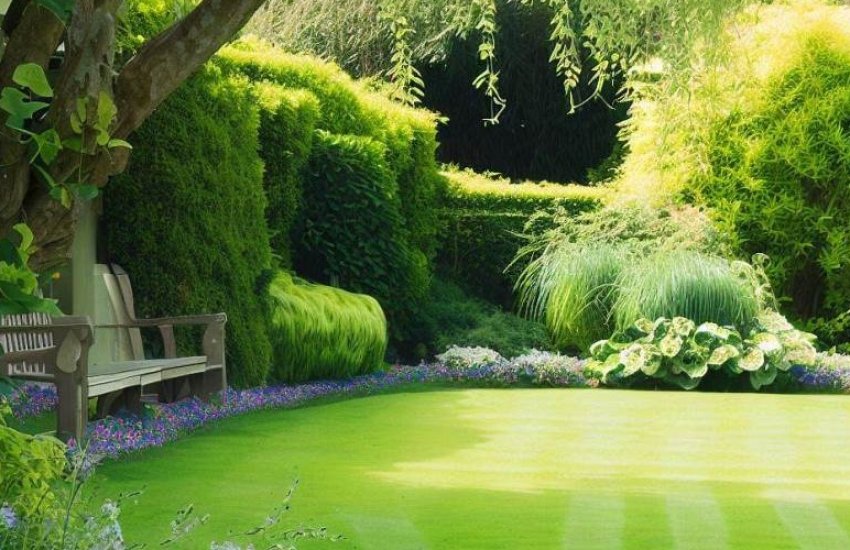
A healthy, vibrant lawn enhances your home's beauty, boosts curb appeal, and provides a welcoming space for relaxation and play. In our Lawn Care category at GardenBotany.com, you'll find straightforward tips, expert advice, and actionable guidance on everything from choosing the right grass seed and proper mowing techniques to tackling weeds, pests, and patchy spots. Whether you're aiming for a pristine green carpet or simply looking to improve the overall health of your lawn, our practical guides help you achieve impressive results with less effort and greater confidence.
Recent Posts of Lawn Care - Gardening Ideas
-

How to Revive a Lawn After Snow Mold?
To revive a lawn after snow mold, the best approach involves a combination of light raking, proper soil preparation, and strategic overseeding once the snow has fully melted and the ground begins to dry. Most snow mold damage is superficial, and with the right care, your lawn can recover quickly.
-
What’s the Best Way to Aerate a Lawn with Clay Soil?
The best way to aerate a lawn with clay soil is through core aeration, which involves mechanically removing small plugs of soil to alleviate compaction and improve drainage. This method is superior for clay soil because it physically breaks up the dense structure, allowing air, water, and nutrients to penetrate deeply into the root zone.
-
How to Maintain a Lawn with Sprinkler Restrictions?
Maintaining a lawn with sprinkler restrictions requires a strategic approach to water conservation and a shift towards cultivating drought-tolerant grass varieties and sustainable practices. It's about maximizing every drop of water while ensuring your lawn remains healthy and attractive.
-
Advertisement
-
What Kind of Grass Works Best for Edible Landscapes?
For edible landscapes, the best grass isn't always traditional turf grass; instead, it often involves edible groundcovers or low-growing, non-invasive alternatives that support the main food crops without competing with them. These options enhance soil health, suppress weeds, and sometimes even yield an additional harvest.
-
How to Create a Lawn That’s Safe for Bees?
Creating a lawn that is safe for bees involves shifting from traditional monoculture grass to a diverse ecosystem filled with nectar-rich plants and minimizing chemical interventions. A bee-friendly lawn provides essential food sources and safe habitats for these vital pollinators.
-
What's the Best Lawn Solution for Vacation Homes?
The best lawn solution for vacation homes prioritizes low-maintenance, resilience, and sustainability over the traditional demanding upkeep of a conventional turfgrass lawn. Options range from drought-tolerant native plants and artificial turf to rock gardens and groundcovers, all designed to keep your getaway beautiful without constant attention.
-
How to Maintain a Lawn in a Windy Area: Expert Tips
Maintaining a lawn in a windy area presents unique challenges, primarily accelerated moisture loss, soil erosion, and physical stress on grass blades. Successful care involves strategic turf selection, optimized watering, superior soil health, and thoughtful windbreak solutions to protect your green space.
-
Can You Grow Grass on a Rooftop Garden? Absolutely!
Yes, you can grow grass on a rooftop garden, transforming an unused or barren roof into a vibrant, living green space. Growing grass on a roof requires careful planning and the right materials, but it offers numerous environmental, economic, and aesthetic benefits.
-
How to Deal with Rust Fungus in Lawns?
Discovering your once-green lawn now sporting an orange or yellowish-brown tint can be disheartening. This unwelcome change is often the tell-tale sign of rust fungus, a common lawn disease that affects various turfgrasses. Understanding how to deal with this fungal intruder is key to restoring your lawn’s health and vibrant appearance.
-
What’s the Best Grass Type for High-Altitude Yards?
Choosing the ideal grass type for high-altitude yards presents a unique challenge for homeowners. The thinner air, intense UV radiation, and often drastic temperature swings found in mountainous regions demand a resilient and adaptable turf. Selecting the right variety is crucial for a thriving, green lawn that can withstand these harsh conditions, ensuring your outdoor space remains beautiful and functional.


