Plant Problems Gardening Tips and Plant Care
Even the healthiest gardens sometimes face challenges—but identifying and solving plant problems quickly can save your greenery and keep your garden thriving. In our Plant Problems category at GardenBotany.com, we help you recognize common issues like pests, diseases, nutrient deficiencies, and environmental stress, offering clear, practical advice to get your plants back on track. From spotting early symptoms to implementing effective treatments, our guides simplify troubleshooting so you can maintain a lush, healthy garden, indoors and out.
Recent Posts of Plant Problems - Gardening Ideas
-

How do I prevent fungal diseases on my fruit plants?
To prevent fungal diseases on your fruit plants, prioritize proactive cultural practices like choosing disease-resistant varieties, ensuring excellent air circulation through proper pruning and spacing, and implementing meticulous garden sanitation. These methods minimize the environmental conditions that fungal pathogens need to thrive.
-
How do I identify nutrient deficiencies in fruit trees?
To identify nutrient deficiencies in fruit trees, carefully observe changes in leaf color, growth patterns, and fruit development, noting whether symptoms appear on older or newer leaves. Confirm visual cues with a soil test and, if possible, a leaf tissue analysis for accurate diagnosis and targeted treatment.
-
What are common pests that affect berries?
Common pests that affect berries include Spotted Wing Drosophila, Raspberry Cane Borers, Aphids, and Japanese Beetles, which cause damage to fruit, canes, and leaves. Effective management relies on proper sanitation, vigilant monitoring, and targeted organic controls.
-
Advertisement
-
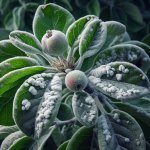
How do I deal with powdery mildew on fruit trees?
To deal with powdery mildew on fruit trees, focus on preventative measures like choosing resistant varieties, ensuring good air circulation through proper pruning, and appropriate watering. If powdery mildew appears, treat it promptly with organic sprays like neem oil, potassium bicarbonate, or a homemade baking soda solution.
-
How to fix nutrient burn in container plants?
To fix nutrient burn in container plants, the most effective immediate solution is to flush the soil thoroughly with plain, clean water to remove excess fertilizer salts. Following this, adjusting your fertilization habits and ensuring proper watering and drainage are crucial for long-term recovery and prevention.
-
Why is my dracaena dropping leaves?
If your Dracaena is dropping leaves, the most common culprits are watering issues (either too much or too little), insufficient light, sudden environmental changes, or sensitivity to chemicals in tap water. This leaf drop is a natural response to stress, indicating that your plant needs an adjustment in its care.
-
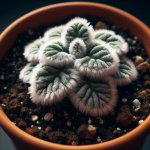
What causes white fuzz on soil surface?
White fuzz on the soil surface of potted plants is most commonly caused by harmless saprophytic fungi (mold) or, less frequently, by mineral salt buildup from hard water or fertilizer. This fuzzy growth usually indicates an environment that is too moist and lacks adequate air circulation, which are prime conditions for mold or mineral crystallization.
-
Why are my calathea leaves drooping?
If your calathea leaves are drooping, it's almost always a clear sign of watering issues (either too much or too little), insufficient humidity, or exposure to temperature extremes or direct light. Calatheas are highly sensitive to their environment, and drooping is often their first distress signal.
-
How to treat leaf miners in spinach?
To treat leaf miners in spinach, the most effective approach involves a combination of physical removal of affected leaves, consistent monitoring, and preventative measures like row covers and crop rotation. Chemical pesticides are generally ineffective and not recommended for these hidden pests on edible leaves.
-
What causes stunted pepper plant growth?
Stunted pepper plant growth is primarily caused by unfavorable environmental conditions, particularly issues with temperature, light, water, or nutrient imbalances, as well as pest infestations or diseases. Identifying the specific stress factor is crucial for helping your pepper plants recover and thrive.