
10 Common Plant Pests: Identification and Control Strategies
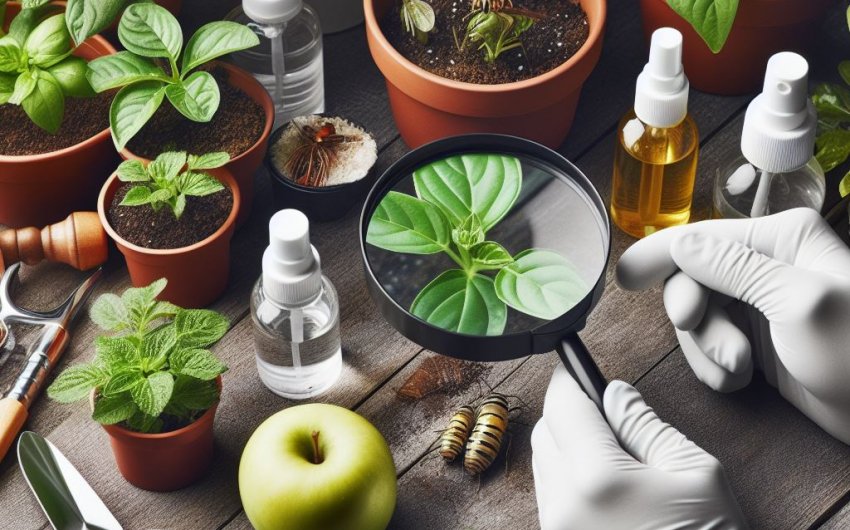
To identify and control 10 common plant pests, vigilantly inspect your plants for specific signs of damage and visible insects. Implement an integrated pest management (IPM) strategy that prioritizes cultural practices, manual removal, and biological controls, using targeted organic or chemical treatments only when necessary to minimize harm to beneficial insects and the environment.
Why is early pest identification crucial for a healthy garden?
For any gardener, whether tending to houseplants or a vast outdoor plot, encountering pests is an almost inevitable challenge. However, the key to maintaining a healthy, thriving garden isn't about eradicating every single insect, but rather about early identification and effective, targeted control. Recognizing common plant pests quickly allows for timely intervention, preventing widespread damage and preserving your plants without resorting to harsh, unnecessary chemicals.
What are common signs of plant pest damage?
Before you even see the pest, the symptoms on your plants often give the first clues.
- Chewed or Holes in Leaves: Indicates chewing insects.
- Irregular holes: Caterpillars, slugs, snails, grasshoppers, earwigs.
- Skeletonized leaves: Beetles (especially larvae), some caterpillars.
- Notches on leaf edges: Weevils.
- Stippling or Discoloration: Indicates sap-sucking insects.
- Tiny yellow or white dots (stippling): Spider mites, thrips, leafhoppers.
- Overall yellowing or browning: Severe sap-sucking infestations (aphids, scale, whiteflies).
- Distorted or curled leaves/new growth: Aphids, thrips.
- Sticky Residue (Honeydew) or Sooty Mold: Indicates sap-sucking insects that excrete sugary honeydew.
- Honeydew: Clear, sticky substance on leaves, stems, or surfaces below. Attracts ants.
- Sooty Mold: Black, sooty fungus that grows on honeydew, reducing photosynthesis.
- Webbing: Indicates spider mites.
- Fine, delicate webs: Found on undersides of leaves, in leaf axils, or covering entire plants.
- Visible Insects: Looking closely for the culprits themselves.
- Small dots moving.
- Clusters of insects.
- Slow-moving or immobile bumps.
- Larvae or eggs.
- Wilting or Stunted Growth: Overall decline, even with adequate water, can indicate severe root damage (grubs, nematodes) or severe sap-sucking.
- Frass (Insect Droppings): Small, pellet-like droppings (caterpillars) or sawdust-like material (borers).
Why is an Integrated Pest Management (IPM) approach best?
IPM is a holistic, long-term strategy for pest control that minimizes environmental impact.
- Sustainable: Focuses on prevention and natural controls first, reducing reliance on chemical pesticides.
- Effective: Combines various strategies for comprehensive, long-term control.
- Minimizes Harm: Protects beneficial insects (pollinators, predators) and wildlife, and reduces chemical exposure for humans and pets.
- Fosters Healthy Ecosystem: Creates a more balanced, resilient garden that can naturally manage many pest issues.
- Economic: Reduces costs associated with repeated pesticide applications and crop loss.
By regularly inspecting your plants and understanding these key signs of damage, you can make informed decisions, identify common plant pests early, and implement effective control strategies within an IPM framework.
1. Aphids: Tiny Sap-Suckers with Big Impact
Aphids are one of the most common and persistent plant pests, attacking a wide variety of plants indoors and out. These tiny, soft-bodied insects multiply rapidly and can quickly devastate new growth if left unchecked.
How do I identify aphids?
Aphids are relatively easy to spot once you know what to look for.
- Appearance: Small (1/16 to 1/8 inch long), pear-shaped, soft-bodied insects. They come in various colors: green, black, yellow, pink, brown, or white (though these are shed exoskeletons).
- Location: Found clustered on the undersides of leaves, on new growth, buds, and tender stems. They are often densely packed together.
- Movement: Usually slow-moving or stationary. Some species may have wings, especially when populations are high or they need to migrate to new plants.
- Honeydew: You may notice a sticky, shiny residue (honeydew, their sugary excretions) on leaves or surfaces below.
- Sooty Mold: Black, sooty fungus growing on the honeydew.
What damage do aphids cause?
Aphids have piercing-sucking mouthparts that directly harm plants.
- Stunted and Distorted Growth: They suck sap from tender plant tissues, weakening the plant. This causes new leaves to curl, crinkle, or become distorted, and overall growth is stunted.
- Yellowing Leaves: Heavy infestations can lead to yellowing leaves due to nutrient depletion.
- Reduced Yield: Can reduce flower and fruit production.
- Virus Transmission: Aphids are notorious for transmitting various plant viruses from infected to healthy plants, for which there is no cure.
How do I control aphids?
Aphids are often among the easiest pests to manage with non-chemical methods.
- Manual Removal/Water Blast:
- DO: For small infestations, gently wipe them off with your fingers or a damp cloth.
- DO: For larger numbers, blast them off with a strong stream of water from a hose or spray bottle. Target the undersides of leaves. Repeat every few days.
- Why: Physically removes pests without chemicals.
- Insecticidal Soap / Neem Oil:
- DO: Apply an insecticidal soap solution or neem oil solution, ensuring thorough coverage of all affected areas, especially the undersides of leaves.
- Why: Contact killers that smother soft-bodied pests. Neem oil also acts as an anti-feedant and growth regulator.
- Timing: Apply in early morning or late evening. Repeat every 5-7 days.
- Encourage Beneficial Insects:
- DO: Ladybugs (adults and larvae), lacewing larvae, and hoverfly larvae are voracious predators of aphids. Plant pollinator-friendly flowers in your garden to attract them.
- DON'T: Use broad-spectrum pesticides that kill beneficials.
- Pruning:
- DO: Prune off heavily infested stems or leaves for severe localized outbreaks.
- Deterrents:
- DO: Plant companion plants like catnip, garlic, chives, or marigolds, which can sometimes deter aphids.
- Avoid Over-Fertilization:
- DO: Avoid excessive nitrogen, which can promote tender new growth that aphids love.
Aphids are manageable with vigilance and consistent, targeted control, keeping your plants healthy and thriving.
2. Spider Mites: Tiny Weavers of Destruction
Spider mites are one of the most tenacious and damaging plant pests, thriving in hot, dry conditions. These minuscule arachnids (not insects) can rapidly multiply and devastate plants, especially houseplants in dry winter homes, or outdoor plants during summer droughts.
How do I identify spider mites?
Spider mites are notoriously difficult to spot until damage is extensive or webbing appears.
- Appearance: Extremely tiny (pinhead-sized) eight-legged creatures, often reddish-brown, yellowish-green, or clear. Need a magnifying glass to see clearly.
- Location: Found primarily on the undersides of leaves.
- Damage (Key Indicator):
- Stippling: Tiny yellow or white dots or flecks on the upper surface of leaves. This is where they have sucked chlorophyll from plant cells.
- Overall Discoloration: Leaves may become dull, bronze, then yellow, dry, and drop.
- Webbing: In severe infestations, fine, delicate silken webbing will be visible on the undersides of leaves, in leaf axils, or covering entire plants. This is a definitive sign.
- "Tap Test": Hold a white piece of paper under a suspected leaf and gently tap the leaf. Tiny specs will fall onto the paper. If they start moving, it's likely spider mites.
What damage do spider mites cause?
Spider mites pierce plant cells and suck out chlorophyll and sap.
- Reduced Photosynthesis: The stippling damage reduces the plant's ability to photosynthesize, weakening it significantly.
- Stunted Growth: Severe infestations stunt overall plant growth and vigor.
- Leaf Drop: Damaged leaves will eventually yellow, dry, and prematurely drop off.
- Plant Death: Heavy, uncontrolled infestations can ultimately kill plants.
How do I control spider mites?
Spider mites require persistent, multi-pronged control, as they multiply rapidly.
- Increase Humidity:
- DO: Spider mites hate high humidity. Mist plants regularly (daily/every other day). Use a plant humidifier for houseplants.
- Why: Helps deter them and can cause some eggs to fail.
- Strong Water Spray:
- DO: Take the plant to a sink or outdoors with a hose and thoroughly blast all surfaces (especially undersides of leaves) with a strong jet of water. Repeat every few days.
- Why: Physically dislodges mites and disrupts webbing.
- Insecticidal Soap / Neem Oil:
- DO: Apply an insecticidal soap solution or neem oil solution, ensuring complete coverage, especially the undersides of leaves and all crevices.
- Why: Contact killers that suffocate mites. Neem oil also disrupts their life cycle.
- Timing: Apply in early morning or late evening. Repeat every 5-7 days for several weeks to break their life cycle (eggs are often resistant to initial sprays).
- Rubbing Alcohol (Spot Treatment):
- DO: For small infestations or delicate plants, dab mites with a cotton swab dipped in rubbing alcohol.
- Pruning:
- DO: Prune off heavily infested leaves or branches to reduce population.
- Introduce Beneficial Mites (Biological Control):
- DO: For severe or persistent outdoor infestations, purchase and release predatory mites (Phytoseiulus persimilis).
- Why: These beneficial mites are natural enemies of spider mites and can effectively control populations.
- Horticultural Oil:
- DO: Apply lightweight horticultural oil, which smothers mites. Follow label instructions carefully for temperature guidelines (avoid high heat).
Spider mites are a formidable foe, but with consistent effort, increased humidity, and targeted organic treatments, you can protect your plants from their destructive weaving.
3. Mealybugs: Cottony Clumps of Sap-Sucking Pests
Mealybugs are another common and stubborn plant pest, particularly on houseplants and succulents. These soft-bodied insects are characterized by their distinctive white, cottony or waxy covering, which provides protection as they feed on plant sap.
How do I identify mealybugs?
Mealybugs are usually easy to spot, though they can hide in crevices.
- Appearance: Small (1/16 to 1/4 inch long), oval-shaped, soft-bodied insects covered in a white, cottony or mealy wax.
- Location: Found clustered in leaf axils (where leaves meet stems), on the undersides of leaves, along stems, and sometimes on roots (root mealybugs).
- Movement: Very slow-moving or stationary.
- Honeydew: Like aphids, they excrete sticky honeydew, which can lead to sooty mold.
What damage do mealybugs cause?
Mealybugs suck sap from tender plant tissues, weakening the plant.
- Stunted, Distorted Growth: Heavy infestations drain plant energy, leading to slow or stunted growth, and distorted or yellowing leaves.
- Leaf Drop: Severely affected leaves may yellow and drop.
- Sooty Mold: The honeydew excretions often lead to the growth of black sooty mold, which reduces photosynthesis.
- Plant Decline: Chronic infestations can lead to overall plant decline and even death for young or sensitive plants.
How do I control mealybugs?
Mealybugs require consistent, direct treatment due to their protective waxy coating.
- Rubbing Alcohol (Spot Treatment):
- DO: This is highly effective. Dab individual mealybugs and their cottony masses directly with a cotton swab dipped in 70% isopropyl rubbing alcohol. The alcohol penetrates their waxy coating.
- Why: Kills on contact.
- Timing: Repeat daily or every few days until clear.
- Strong Water Spray:
- DO: For light infestations, blast them off with a strong stream of water.
- Why: Physically removes pests.
- Insecticidal Soap / Neem Oil:
- DO: Apply an insecticidal soap solution or neem oil solution, ensuring thorough coverage, especially into crevices.
- Why: Suffocates pests. Neem oil also disrupts their life cycle.
- Timing: Apply in early morning or late evening. Repeat every 5-7 days for several weeks to break their life cycle.
- Pruning:
- DO: Prune off heavily infested stems or leaves to reduce population.
- Systemic Insecticides (Outdoor/Serious):
- DO: For very severe or persistent outdoor infestations (or houseplants that tolerate it, check label), consider systemic insecticides as a last resort. These are absorbed by the plant and make it toxic to pests.
- DON'T: Use on edible plants.
- Beneficial Insects:
- DO: Release mealybug destroyers (Cryptolaemus montrouzieri larvae) in greenhouses or outdoor gardens.
Mealybugs can be stubborn, but with diligent and consistent spot treatment, you can effectively eradicate them and restore your plants to health.
4. Whiteflies: Tiny White Moths of Misfortune
Whiteflies are tiny, winged, sap-sucking insects that are often found in greenhouses and on houseplants, but can also be a problem in outdoor gardens, especially on vegetables like tomatoes and squash. They multiply rapidly and can quickly form dense clouds around infected plants.
How do I identify whiteflies?
Whiteflies are distinctive once disturbed.
- Appearance: Very small (about 1/16 inch long), white, moth-like insects with powdery wings.
- Movement: When a plant is disturbed, a cloud of tiny white flies will typically flutter up from the undersides of the leaves.
- Location: Found primarily clustered on the undersides of leaves. Eggs are laid on the undersides, and nymphs are tiny, oval, immobile, scale-like forms.
- Honeydew: Excrete sticky honeydew, leading to sooty mold.
What damage do whiteflies cause?
Whiteflies suck sap from plant leaves, weakening the plant.
- Yellowing/Wilting Leaves: Heavy infestations drain plant energy, causing leaves to yellow, wilt, and eventually drop.
- Stunted Growth: Overall plant growth is stunted.
- Sooty Mold: The honeydew excretions lead to the growth of black sooty mold, reducing photosynthesis and weakening the plant.
- Virus Transmission: Can transmit various plant viruses.
How do I control whiteflies?
Whiteflies require persistent control due to their rapid reproduction and ability to fly.
- Yellow Sticky Traps:
- DO: Hang yellow sticky traps near affected plants.
- Why: Adults are attracted to the color yellow and get stuck, helping to monitor and reduce populations.
- Strong Water Spray:
- DO: Blast undersides of leaves with a strong stream of water to dislodge adults and nymphs. Repeat regularly.
- Insecticidal Soap / Neem Oil:
- DO: Apply an insecticidal soap solution or neem oil solution, ensuring thorough coverage of all leaf surfaces, especially the undersides where nymphs are present.
- Why: Contact killers that smother nymphs. Neem oil also disrupts their life cycle.
- Timing: Apply in early morning or late evening. Repeat every 5-7 days for several weeks.
- Handheld Vacuum:
- DO: Use a handheld vacuum to suck up adult whiteflies that flutter up when the plant is disturbed. Do this early in the morning when they are less active.
- Pruning:
- DO: Prune off heavily infested leaves.
- Beneficial Insects:
- DO: Release parasitic wasps (Encarsia formosa) or lacewings in greenhouses.
- Reflective Mulch:
- DO: Outdoors, use reflective mulch around plants. This can disorient whiteflies and deter them from landing.
Whiteflies can be persistent, but a combination of sticky traps, physical removal, and targeted organic sprays can effectively control populations and protect your plants.
5. Thrips: Minute Damage, Major Frustration
Thrips are tiny, slender insects that can cause significant damage to the leaves, flowers, and fruit of a wide range of plants, both indoors and out. Their small size and habit of hiding in plant crevices make them challenging to detect until damage is already visible.
How do I identify thrips?
Thrips are very small and often go unnoticed until damage appears.
- Appearance: Very small (1/25 to 1/8 inch long), slender insects. Adults are often dark-colored (black or brown) with fringed wings. Nymphs are pale yellow or whitish.
- Location: Found in tight spaces: inside developing buds, in flower petals, in leaf axils, or on the undersides of leaves.
- Damage (Key Indicator):
- Silvery Stippling: Leaves show silvery or grayish streaks or stippling. This is due to thrips rasping plant tissue and sucking out sap, leaving behind empty cells and sometimes tiny black fecal spots.
- Distorted/Stunted Growth: New growth, leaves, and flowers can become distorted, curled, or stunted.
- Flower Damage: Can cause buds to fail, or petals to be streaked, browned, or discolored.
- Fruit Scars: Cause characteristic silvery or brownish scars, streaks, or deformities on developing fruit.
- "Tap Test": Hold a white piece of paper under a suspected leaf or flower and gently tap. Tiny black or yellow specks (thrips) may fall onto the paper and move slowly.
What damage do thrips cause?
Thrips feed by rasping open plant cells and sucking out the contents.
- Reduced Photosynthesis: Extensive stippling on leaves reduces the plant's ability to produce energy.
- Aesthetic Damage: Significant cosmetic damage to flowers and fruit, making them unattractive or unmarketable.
- Stunted Growth: Weakens the plant and stunts overall growth.
- Virus Transmission: Can transmit various plant viruses.
How do I control thrips?
Thrips require persistent, multi-faceted control due to their mobility and protected feeding sites.
- Yellow or Blue Sticky Traps:
- DO: Hang yellow sticky traps or blue sticky traps near affected plants to monitor and trap adult thrips.
- Why: Helps reduce populations and signals when treatment is needed.
- Strong Water Spray:
- DO: Blast plants with a strong stream of water to physically dislodge thrips. Repeat regularly.
- Insecticidal Soap / Neem Oil:
- DO: Apply an insecticidal soap solution or neem oil solution, ensuring thorough coverage of all plant surfaces, including buds, flowers, and undersides of leaves.
- Why: Contact killers that suffocate soft-bodied thrips. Neem oil also disrupts their life cycle.
- Timing: Apply in early morning or late evening. Repeat every 5-7 days for several weeks to break their life cycle.
- Pruning:
- DO: Prune off heavily infested buds, flowers, or leaves to reduce populations.
- Beneficial Insects:
- DO: Release predatory mites (Amblyseius cucumeris) or minute pirate bugs (Orius spp.) in greenhouses or outdoor gardens.
- Cultural Controls:
- DO: Remove nearby weeds that can harbor thrips.
- DO: Improve air circulation around plants.
- Horticultural Oil:
- DO: Apply lightweight horticultural oil. Follow label instructions carefully for temperature guidelines.
Thrips can be frustrating due to their small size, but consistent use of sticky traps, physical removal, and targeted organic sprays can effectively manage their populations and protect your plants.
6. Fungus Gnats: Annoying Adults, Harmful Larvae
Fungus gnats are common indoor pests, particularly around houseplants. While the adult flies are mostly a nuisance, their larvae can cause subtle but significant damage to delicate plant roots, especially on seedlings and young plants.
How do I identify fungus gnats?
Fungus gnats are easily recognizable, especially their adult form.
- Adults: Small (1/8 inch long), black or dark brown, mosquito-like flies. They have slender bodies and prominent antennae. They often buzz around the soil surface or fly up in a cloud when disturbed.
- Larvae: Tiny (1/4 inch long), translucent white, legless worms with shiny black heads. Found in the top inch or two of consistently moist soil.
- Location: Adults are seen flying around plants, often near the soil surface. Larvae are in the soil.
- Damage: Adults do not directly harm plants, but their larvae feed on:
- Fungus and Algae: Their primary food source in the soil.
- Fine Roots: In severe infestations, larvae can chew on delicate plant roots, especially on seedlings or stressed plants, causing stunted growth, wilting, and yellowing.
What damage do fungus gnats cause?
While often just an annoyance, larvae can damage plants.
- Root Damage (Larvae): Chewing on fine roots can reduce the plant's ability to absorb water and nutrients, leading to stunted growth, wilting, and yellowing leaves.
- Damping-Off (Seedlings): Larval damage makes seedlings more susceptible to damping-off disease.
- Annoyance (Adults): Adults flying around are a nuisance.
How do I control fungus gnats?
Controlling fungus gnats focuses on breaking their life cycle, primarily by addressing soil moisture.
- Adjust Watering (Most Important):
- DO: The most effective method is to allow the top 1-2 inches of soil to dry out completely between waterings. This creates an inhospitable environment for egg-laying and larval survival.
- Why: Fungus gnat larvae require consistently moist soil to survive.
- DON'T: Overwater or let the soil remain constantly soggy. A soil moisture meter can help.
- Yellow Sticky Traps:
- DO: Hang yellow sticky traps near plants to monitor and trap adult flies.
- Why: Reduces adult populations, preventing them from laying more eggs.
- Biological Control (Bacillus thuringiensis israelensis - BTI):
- DO: Apply mosquito bits (containing BTI) to your watering can or soak them in water, then use this water to irrigate plants.
- Why: BTI is a naturally occurring bacterium that is toxic only to fungus gnat larvae (and mosquito larvae), effectively killing them in the soil. It is safe for plants, pets, and humans. A good option is Mosquito Bits for fungus gnats.
- Sand or Diatomaceous Earth Top Dressing:
- DO: Cover the soil surface with a 1/2-inch layer of decorative sand or diatomaceous earth (food grade).
- Why: Creates a physical barrier and/or desiccates larvae, preventing adults from laying eggs and existing larvae from emerging.
- Cleanliness:
- DO: Remove any decaying organic matter (fallen leaves, old flowers) from the soil surface.
- Why: Reduces food sources for larvae.
- Beneficial Nematodes:
- DO: Introduce beneficial nematodes (Steinernema feltiae) to the soil.
- Why: These microscopic worms parasitize and kill fungus gnat larvae.
Fungus gnats are easily controlled by addressing moisture and using targeted biological treatments, allowing your plants to thrive without annoyance or root damage.
7. Scale Insects: Hardy Hiders of the Plant World
Scale insects are tenacious plant pests known for their hard, waxy, or cottony coverings that make them resemble small bumps or growths on plants. They attach themselves to stems and leaves, sucking sap and weakening plants. Their protective shell makes them challenging to treat.
How do I identify scale insects?
Scale are often mistaken for parts of the plant until they cause damage.
- Appearance: Small (1/16 to 1/4 inch), immobile, round, oval, or oyster-shaped bumps. They can be brown, black, white, gray, or mottled. Some species (soft scale) may have a waxy coating, while others (armored scale) are hard and shell-like. Mealybugs are a type of soft scale.
- Location: Found firmly attached to stems, branches, and leaf veins (especially undersides).
- Damage:
- Yellowing Leaves: Suck sap, causing leaves to yellow and sometimes drop.
- Stunted Growth: Weakens the plant, leading to stunted or distorted growth.
- Honeydew and Sooty Mold: Like aphids, soft scales excrete sticky honeydew, leading to sooty mold.
How do I control scale insects?
Scale requires persistent, physical removal and targeted treatments to penetrate their protective coating.
- Manual Removal (Best for Small Infestations):
- DO: For small numbers, scrape them off with your fingernail, a dull knife, or a stiff brush.
- DO: For stubborn scale, dab them directly with a cotton swab dipped in 70% isopropyl rubbing alcohol.
- Why: Physically removes and dissolves their waxy coating.
- Timing: Repeat weekly.
- Insecticidal Soap / Neem Oil:
- DO: Apply an insecticidal soap solution or neem oil solution, ensuring thorough coverage. You may need to scrub gently with a soft brush to help penetrate their shell.
- Why: Works best on the vulnerable "crawler" (immature) stage and by smothering adults. Neem oil also disrupts their life cycle.
- Timing: Apply in early morning or late evening. Repeat every 5-7 days for several weeks.
- Pruning:
- DO: Prune off heavily infested branches or leaves for severe localized outbreaks.
- Systemic Insecticides (Outdoor/Serious):
- DO: For very severe or persistent outdoor infestations (or houseplants that tolerate it, check label), consider systemic insecticides as a last resort. These are absorbed by the plant and make it toxic to pests.
- DON'T: Use on edible plants.
- Beneficial Insects:
- DO: Release parasitic wasps or ladybugs (specifically mealybug destroyers, Cryptolaemus montrouzieri) in greenhouses or outdoor gardens.
Scale can be challenging due to their protective nature, but with persistent physical removal and targeted organic treatments, you can effectively control populations and protect your plants.
8. Leafminers: The Artful Tunnelers
Leafminers are the larvae (caterpillars or maggots) of various insects (flies, moths, beetles) that tunnel inside plant leaves, creating distinctive winding trails. While often more of an aesthetic issue, severe infestations can weaken plants by reducing photosynthesis.
How do I identify leafminers?
Leafminers leave a very distinctive "calling card."
- Appearance: You usually don't see the tiny larvae. You see the damage. Adults are small flies, moths, or beetles.
- Damage (Key Indicator): Distinctive, winding, serpentine, or blotchy tunnels ("mines") visible between the upper and lower surfaces of leaves. The color of the tunnels may vary (white, silvery, brown).
- Location: Found on various plants, including vegetables (spinach, chard, tomatoes), ornamentals, and citrus.
What damage do leafminers cause?
Leafminers consume plant tissue from within the leaf.
- Reduced Photosynthesis: The tunnels disrupt photosynthetic tissue, weakening the plant and reducing its ability to produce energy.
- Aesthetic Damage: Primarily an aesthetic concern, making leaves look unsightly.
- Stunted Growth: Severe, widespread mining can stunt growth for young plants.
How do I control leafminers?
Controlling leafminers often involves cultural practices and removing affected leaves.
- Manual Removal:
- DO: For small infestations, crush the larvae inside the leaf mine with your fingers or cut off and destroy affected leaves.
- Why: Physically removes the pest before it matures.
- Floating Row Covers:
- DO: For outdoor vegetable gardens, cover susceptible plants with floating row covers early in the season to prevent adult insects from laying eggs on leaves.
- Why: Creates a physical barrier.
- Timing: Remove covers when plants need pollination.
- Neem Oil:
- DO: Apply neem oil solution, ensuring thorough coverage of leaves.
- Why: Neem oil can act as an anti-feedant and growth regulator, deterring adults from laying eggs and disrupting larval development.
- Timing: Apply in early morning or late evening. Repeat every 5-7 days.
- Beneficial Insects:
- DO: Encourage natural parasitic wasps (Diglyphus isaea), which lay their eggs inside leafminer larvae.
- Pruning:
- DO: Remove and destroy heavily mined leaves to reduce populations.
- Cultural Controls:
- DO: Remove nearby weeds that can harbor leafminers.
- DO: Practice crop rotation.
Leafminers, while leaving unsightly marks, are manageable with early detection and targeted, often manual, interventions that protect your plants from extensive damage.
9. Fungus Gnats: Annoying Adults, Harmful Larvae
Fungus gnats are common indoor pests, particularly around houseplants. While the adult flies are mostly a nuisance, their larvae can cause subtle but significant damage to delicate plant roots, especially on seedlings and young plants. They are a sign of persistently wet soil.
How do I identify fungus gnats?
Fungus gnats are easily recognizable, especially their adult form.
- Adults: Small (1/8 inch long), black or dark brown, mosquito-like flies. They have slender bodies and prominent antennae. They often buzz around the soil surface or fly up in a cloud when a plant is disturbed.
- Larvae: Tiny (1/4 inch long), translucent white, legless worms with shiny black heads. Found in the top inch or two of consistently moist soil.
- Location: Adults are seen flying around plants, often near the soil surface. Larvae are in the soil.
- Damage: Adults do not directly harm plants, but their larvae feed on:
- Fungus and Algae: Their primary food source in the soil.
- Fine Roots: In severe infestations, larvae can chew on delicate plant roots, especially on seedlings or stressed plants, causing stunted growth, wilting, and yellowing.
- Damping-Off: Larval damage makes seedlings more susceptible to damping-off disease.
How do I control fungus gnats?
Controlling fungus gnats focuses on breaking their life cycle, primarily by addressing soil moisture.
- Adjust Watering (Most Important):
- DO: The most effective method is to allow the top 1-2 inches of soil to dry out completely between waterings. This creates an inhospitable environment for egg-laying and larval survival.
- Why: Fungus gnat larvae require consistently moist soil to survive.
- DON'T: Overwater or let the soil remain constantly soggy. A soil moisture meter can help.
- Yellow Sticky Traps:
- DO: Hang yellow sticky traps near plants to monitor and trap adult flies.
- Why: Reduces adult populations, preventing them from laying more eggs.
- Biological Control (Bacillus thuringiensis israelensis - BTI):
- DO: Apply mosquito bits (containing BTI) to your watering can or soak them in water, then use this water to irrigate plants.
- Why: BTI is a naturally occurring bacterium that is toxic only to fungus gnat larvae (and mosquito larvae), effectively killing them in the soil. It is safe for plants, pets, and humans. A good option is Mosquito Bits for fungus gnats.
- Sand or Diatomaceous Earth Top Dressing:
- DO: Cover the soil surface with a 1/2-inch layer of decorative sand or diatomaceous earth (food grade).
- Why: Creates a physical barrier and/or desiccates larvae, preventing adults from laying eggs and existing larvae from emerging.
- Cleanliness:
- DO: Remove any decaying organic matter (fallen leaves, old flowers) from the soil surface.
- Why: Reduces food sources for larvae.
- Beneficial Nematodes:
- DO: Introduce beneficial nematodes (Steinernema feltiae) to the soil.
- Why: These microscopic worms parasitize and kill fungus gnat larvae.
Fungus gnats are easily controlled by addressing moisture and using targeted biological treatments, allowing your plants to thrive without annoyance or root damage.
10. Snails and Slugs: Slimy Leaf Munchers
Snails and slugs are common garden pests (and sometimes indoor pests) that leave behind tell-tale slime trails and ragged holes in leaves. They are voracious eaters, especially of tender new growth, and can cause significant damage overnight.
How do I identify snails and slugs?
Snails and slugs are distinctive, though often nocturnal.
- Appearance:
- Snails: Have a spiral shell on their back.
- Slugs: Are shell-less, resembling a snail without its shell.
- Color: Gray, brown, black, or mottled.
- Damage (Key Indicator):
- Ragged Holes: Leave irregular, ragged holes in leaves, especially on tender new growth. They often feed from the edge inward.
- Slime Trails: Silvery, slimy trails are visible on leaves, stems, soil, or hard surfaces. This is a definitive sign of their presence.
- Location: Often hide in cool, dark, damp places during the day (under rocks, mulch, pots, leaf litter). Active at night or after rain.
What damage do snails and slugs cause?
Snails and slugs chew through plant tissue.
- Defoliation: Can rapidly consume large amounts of tender foliage, especially on seedlings and young plants.
- Aesthetic Damage: Leave unsightly holes and trails on leaves and sometimes fruit.
- Reduced Yield: Damage to leaves reduces photosynthesis, affecting plant vigor and yield.
How do I control snails and slugs?
Controlling snails and slugs involves physical barriers, traps, and targeted baits.
- Manual Removal:
- DO: Go out at dusk or after rain with a flashlight. Hand-pick snails and slugs and drop them into a bucket of soapy water.
- Why: Direct and effective, especially for small infestations.
- Beer Traps:
- DO: Sink shallow containers (e.g., tuna cans, saucers) into the soil so the rim is level with the ground. Fill with beer (cheap lager works well).
- Why: Attracts slugs, which crawl in and drown.
- Timing: Place in evening, check and empty daily.
- Physical Barriers:
- DO: Create barriers around vulnerable plants using copper tape (they get a mild electric shock), coarse sand, crushed eggshells (sharp edges), or diatomaceous earth (desiccates them, reapply after rain).
- Why: Prevents them from reaching plants.
- Reduce Hiding Places:
- DO: Eliminate damp, dark hiding spots: remove leaf litter, excess mulch near plants, old boards.
- Why: Reduces their habitat.
- Organic Slug Baits:
- DO: Use iron phosphate-based slug baits (e.g., Sluggo). These are highly effective and safe for pets, wildlife, and beneficial insects.
- Why: Attracts slugs, they eat it, and then stop feeding and die.
- Timing: Apply in evening, especially after rain.
- A common option is Sluggo Slug & Snail Killer.
Snails and slugs are manageable with a combination of consistent physical removal, trapping, and targeted organic baits, protecting your plants from their slimy, destructive feeding.
What is Integrated Pest Management (IPM) for a healthy garden?
Integrated Pest Management (IPM) is a holistic, sustainable, and long-term strategy for controlling plant pests. Instead of relying solely on chemical sprays, IPM combines a range of proactive practices, monitoring, and targeted interventions to prevent pest problems, minimize environmental impact, and foster a healthy, resilient garden ecosystem.
Why is an IPM approach best for home gardeners?
IPM is particularly well-suited for home gardeners who want to grow healthy plants responsibly.
- Sustainable and Eco-Friendly: Minimizes reliance on harsh chemical pesticides, protecting beneficial insects (pollinators, predators), wildlife, and water sources.
- Effective Long-Term Control: Focuses on addressing the root causes of pest problems, rather than just treating symptoms, leading to more lasting solutions.
- Safer for Family and Pets: Reduces chemical exposure in your garden environment.
- Fosters Garden Health: Promotes a balanced ecosystem where natural predators help keep pests in check.
- Reduces Costs: Over time, it can reduce the need for expensive chemical treatments.
The 4-Step Process of Integrated Pest Management:
- Set Action Thresholds (Prevention & Monitoring):
- Understanding: Decide what level of pest presence or plant damage you can tolerate before taking action. Not every pest needs to be eliminated; a healthy garden can handle some.
- DO: Implement robust cultural practices (below) to prevent pests.
- DO: Monitor plants regularly (at least weekly) for early signs of pests or damage. Look on undersides of leaves, new growth, and stems. Use sticky traps for monitoring.
- Why: Early detection is key to less intensive intervention.
- Identify Pests Accurately:
- Understanding: Knowing exactly what pest you're dealing with is crucial for choosing the right control strategy.
- DO: Learn to identify common pests in your region and the specific damage they cause. Use reliable resources (local extension office, gardening guides).
- DON'T: Spray indiscriminately without knowing the pest.
- Choose Control Options (Least Toxic First):
- Understanding: IPM prioritizes control methods based on their risk and effectiveness, starting with the least harmful.
- Step 1: Cultural Controls (Prevention First):
- DO: Healthy Soil: Amend with compost, ensure good drainage.
- DO: Right Plant, Right Place: Choose disease/pest-resistant varieties.
- DO: Crop Rotation: Prevents buildup of soil-borne pests.
- DO: Sanitation: Remove debris, diseased plants, weeds.
- DO: Proper Watering/Fertilization: Reduce plant stress.
- DO: Air Circulation/Spacing: Deters many pests.
- Step 2: Physical/Mechanical Controls:
- DO: Hand-picking: For larger pests (squash bugs, slugs, hornworms).
- DO: Water Blasts: For aphids, spider mites.
- DO: Row Covers: Exclude flying insects from young plants.
- DO: Traps: Sticky traps for whiteflies, fungus gnats; beer traps for slugs.
- DO: Pruning: Remove infested leaves/stems.
- Step 3: Biological Controls:
- DO: Encourage beneficial insects: Plant diverse flowers to attract ladybugs, lacewings, parasitic wasps.
- DO: Introduce beneficials: Purchase and release predatory insects/nematodes if problems persist (e.g., beneficial nematodes for grubs, predatory mites for spider mites).
- Step 4: Organic/Reduced-Risk Chemical Controls (Last Resort):
- DO: If problems persist despite other methods, use targeted organic pesticides (e.g., insecticidal soap, neem oil, Bt for caterpillars, horticultural oil).
- DO: Apply only when and where needed.
- DO: Always follow label directions carefully for safety, dilution, and timing (e.g., evening sprays to protect pollinators).
- DON'T: Use broad-spectrum synthetic chemicals.
- Evaluate Effectiveness and Adapt:
- Understanding: No plan is perfect. Continuously assess what worked and what didn't.
- DO: Keep a log of pest activity, treatments, and results.
- DO: Refine your strategies for the next season.
By committing to this IPM approach, home gardeners can create a thriving, resilient garden ecosystem that effectively manages common plant pests while promoting environmental health and producing an abundance of beautiful, healthy plants.