
Browning Alert: What's Causing Browning Edges on Plant Leaves?
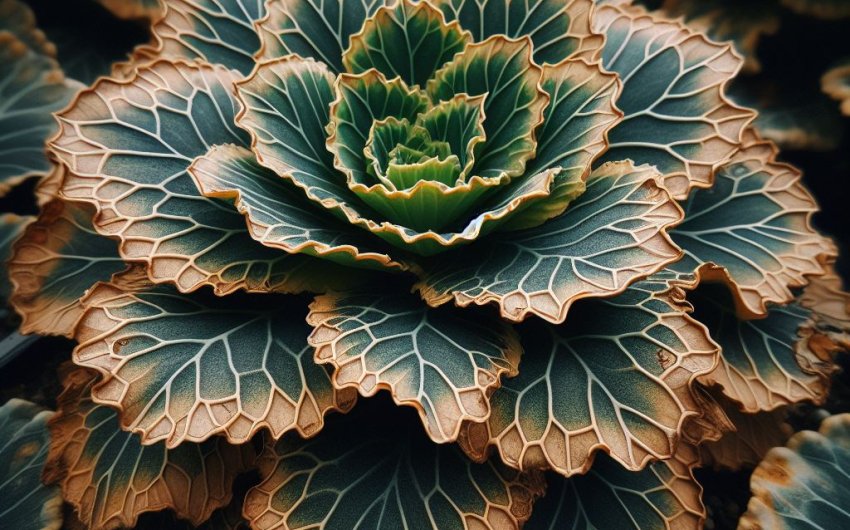
Browning edges on plant leaves are a very common symptom of environmental stress, primarily indicating issues with humidity, watering, or salt buildup. This "crispy edge" appearance is often the plant's way of signaling that it's struggling to retain moisture.
Why Are the Edges of My Plant's Leaves Turning Brown?
Browning edges on plant leaves, also known as necrosis at the margins, signify that the plant tissue in these areas is dying. This specific pattern of damage often points to issues related to water movement and availability within the plant, making it a crucial clue for diagnosing problems. It's a widespread concern for both indoor and outdoor gardeners.
What Role Does Low Humidity Play in Browning Edges?
Low humidity is one of the most frequent causes of browning edges on plant leaves, especially for tropical houseplants. Plants release water vapor through tiny pores in their leaves (transpiration). In dry air, this evaporation happens too quickly, causing the leaf edges—the furthest points from the water supply—to dry out and turn brown and crispy. This is particularly noticeable in plants like prayer plants, calatheas, and ferns. Using a humidifier for plants or a pebble tray can significantly help.
How Does Underwatering Lead to Crispy Leaf Edges?
Underwatering directly causes browning edges on plant leaves because the plant isn't receiving enough moisture to keep all its tissues hydrated. When water is scarce, the plant prioritizes vital areas, and the furthest parts of the leaves (the edges) are the first to suffer from dehydration. They dry out, turn brown, and become crispy. You'll likely notice the plant wilting overall, and the soil will feel very dry. Regular checks with a soil moisture meter can prevent this.
Can Overwatering Also Cause Brown Edges?
Surprisingly, yes, overwatering can also lead to browning edges on plant leaves, although the mechanism is different and often accompanied by other symptoms. When a plant is overwatered, its roots can become waterlogged, leading to oxygen deprivation and eventually root rot. Damaged roots cannot effectively absorb water, even if it's present in the soil. This functional drought then causes the leaves to show signs of dehydration, including browning edges, but the leaves may also feel soft or mushy, and the soil will be consistently wet.
Are Salt Buildup and Water Quality Contributing to Browning Edges?
Poor water quality and the accumulation of dissolved salts in the soil are often overlooked but significant contributors to browning edges on plant leaves. Understanding these chemical factors can be key to a healthier plant.
How Does Salt Buildup Affect Leaf Margins?
Salt buildup in the soil is a common cause of browning edges on plant leaves, particularly in potted plants. Fertilizers, tap water, and even some potting mixes contain dissolved salts. Over time, if these salts aren't flushed out by thorough watering, they accumulate to toxic levels. The plant tries to shed these excess salts through its leaves, concentrating them at the edges, which then burn and turn brown. Regular flushing of the soil by watering until water drains freely from the bottom helps prevent this.
What About Chlorine and Fluoride in Tap Water?
Chlorine and fluoride commonly found in tap water can contribute to browning edges on plant leaves, especially in sensitive plants like dracaenas, spider plants, and palms. While small amounts are usually harmless, prolonged exposure or high concentrations can lead to toxicity, causing the leaf margins to burn and turn brown. To mitigate this, consider letting tap water sit out for 24 hours (allowing chlorine to dissipate), or use filtered water or collected rainwater. A water filter pitcher can be a simple solution for houseplants.
Can Over-Fertilization Cause Browning Edges?
Yes, over-fertilization is a direct cause of browning edges on plant leaves. Fertilizers are essentially salts. Applying too much, too frequently, or at too high a concentration can lead to an excess of salts in the soil. This creates a situation where water is actually drawn out of the plant's roots instead of being absorbed, leading to chemical burn and dehydration, most visibly affecting the leaf margins. Always follow fertilizer instructions carefully, and use a diluted solution, like with Schultz Liquid Plant Food.
Do Light and Temperature Play a Role in Browning Edges?
Beyond water and nutrients, environmental conditions like light exposure and temperature can also contribute to the stress that results in browning edges on plant leaves. Extreme conditions can be just as damaging as improper care.
How Does Too Much Direct Sun Lead to Crispy Edges?
Too much direct sunlight can cause browning edges on plant leaves, often referred to as sunburn or scorch. Intense light, especially afternoon sun, can literally cook the plant tissue, causing cells to break down. The most exposed areas, including the leaf margins, dry out, turn brown, and become crispy. This is particularly common when a plant accustomed to lower light conditions is suddenly moved into a very sunny spot. Providing some shade or moving the plant to a spot with filtered light can prevent this damage.
Can Cold or Heat Stress Cause Browning?
Yes, extreme temperatures, both cold and hot, can lead to browning edges on plant leaves.
- Cold stress/frost damage: Exposure to cold drafts or freezing temperatures can damage plant cells, causing edges to turn brown or black and become mushy or brittle.
- Heat stress: Prolonged exposure to very high temperatures, especially combined with low humidity, can cause the plant to lose water too quickly, leading to desiccation and browning edges. Maintaining stable temperatures within your plant's preferred range is crucial for preventing this type of damage.
What About Nutrient Deficiencies Causing Browning Edges?
While nutrient deficiencies often cause yellowing, some specific deficiencies can also contribute to browning edges on plant leaves, especially in older foliage. These indicate a lack of essential elements needed for the plant's health and structural integrity.
Which Nutrient Deficiency Causes Brown Edges on Older Leaves?
Potassium deficiency is a classic cause of browning edges on older plant leaves. Potassium is a vital macronutrient involved in water regulation and overall plant vigor. When deficient, the plant struggles to transport water efficiently to the leaf margins, causing them to dry out, turn yellow, and then brown and crispy. The browning typically starts at the tips and edges of the oldest leaves and progresses inward. A balanced fertilizer containing potassium can help correct this.
Can Other Deficiencies Contribute to Browning Edges?
While less directly, severe deficiencies of other nutrients can indirectly contribute to browning edges on plant leaves. A plant that is generally unhealthy due to a lack of overall nutrients will be weaker and more susceptible to environmental stresses like low humidity or inconsistent watering, which then directly cause the browning. Therefore, ensuring a complete and balanced nutrient supply through appropriate fertilization, using products like Jobe's Houseplant Food Spikes, helps the plant resist various stressors that lead to brown tips.
How Do Pests and Diseases Cause Browning Edges?
While less common than environmental factors, some pests and diseases can also be the reason behind browning edges on plant leaves. Their damage directly affects the leaf tissue, leading to necrosis and discoloration.
Do Pests Create Brown Patches or Edges?
Some pests can contribute to browning edges on plant leaves, either directly or indirectly.
- Spider mites: Heavy infestations cause tiny yellow or white stippling that can merge into larger bronze or brown patches, often starting at the edges as leaves become severely damaged. The affected areas turn crispy.
- Thrips: Their feeding can cause silvery streaks and distorted growth, which in severe cases, can lead to browning of the leaf margins where cells have been extensively damaged.
- Scale insects: While they cause general decline, severe infestations can compromise the plant's ability to transport water, leading to tip and edge browning. Regular inspection with a magnifying glass is essential for identifying these tiny culprits.
Can Plant Diseases Cause Browning Leaf Margins?
Yes, certain plant diseases can cause browning edges on plant leaves.
- Fungal leaf spot diseases: While often causing distinct spots, some can cause marginal necrosis as the infection spreads.
- Root rot: As mentioned earlier, fungal root rot compromises water uptake, leading to symptoms of drought, including browning edges, soft yellowing, and wilting.
- Bacterial blights: Some bacterial infections can cause water-soaked lesions that expand and lead to dark, brown-black margins on leaves. Ensuring good air circulation, proper watering, and sanitation can help prevent the spread of many diseases.
How Can I Diagnose and Treat Browning Edges?
Accurately diagnosing the cause of browning edges on plant leaves involves careful observation and a process of elimination. Once the cause is identified, targeted treatment can help your plant recover.
What's the Diagnostic Checklist for Browning Edges?
- Observe the location and pattern: Is it just the tips? Entire edges? Old leaves or new?
- Check the texture: Are the brown areas crispy and dry, or soft and mushy?
- Assess soil moisture: Is the soil consistently dry or constantly wet? Use your finger or a soil moisture meter.
- Evaluate humidity: Is the air around the plant dry, especially for tropical species?
- Review water quality: Do you use tap water directly? Is it softened?
- Consider fertilization history: When did you last fertilize? Could it be over-fertilization?
- Examine light exposure: Is the plant in intense direct sun?
- Check for pests: Inspect both sides of leaves, stems, and soil for any signs of insects.
- Consider recent changes: Has the plant been moved, repotted, or experienced temperature shifts?
How Do I Fix Browning Edges Caused by Low Humidity?
To fix browning edges on plant leaves caused by low humidity:
- Use a humidifier: Place a plant humidifier near your plant.
- Create a pebble tray: Fill a shallow tray with pebbles and water, placing the plant pot on top (ensure the pot isn't sitting in the water).
- Group plants: Grouping plants together naturally increases local humidity.
- Mist regularly: While misting offers temporary relief, it can help in conjunction with other methods.
What Is the Treatment for Browning Edges from Watering Issues?
For browning edges on plant leaves from watering issues:
- Underwatering: Water thoroughly until water drains from the bottom. Establish a consistent watering schedule where you water when the top 1-2 inches of soil feel dry.
- Overwatering (and potential root rot): Stop watering immediately. Allow the soil to dry out. If severe, remove the plant from its pot, inspect roots (trim mushy ones), and repot in fresh, well-draining soil. Ensure excellent drainage.
How Do I Address Browning Edges from Salt Buildup or Water Quality?
To treat browning edges on plant leaves due to salt buildup or water quality:
- Flush the soil: Thoroughly water the plant until water freely drains from the bottom for several minutes. Repeat this process occasionally.
- Use filtered water or rainwater: Avoid direct tap water if high in chlorine, fluoride, or softening salts.
- Reduce fertilization: Fertilize less frequently or use a diluted solution. Consider switching to a slow-release fertilizer or compost.
- Repot: If salt buildup is severe, repotting into fresh soil can be beneficial.
Can Browned Leaf Edges Ever Recover?
Unfortunately, once plant tissue has turned brown and crispy, it is dead and cannot recover or turn green again. The goal of treatment is to stop the browning from spreading to healthy parts of the leaf and to prevent new leaves from developing the same issue. You can prune off the browned sections with clean scissors for aesthetic purposes, but be careful not to cut into the healthy green tissue. Focus on improving care to ensure the plant produces healthy new foliage.
Identifying the specific cause of browning edges on plant leaves is a fundamental step in successful plant care. By systematically examining environmental factors, watering practices, and potential nutrient issues, you can provide targeted solutions and help your plants thrive.