
Wilt Worries: How to Prevent Plant Wilting
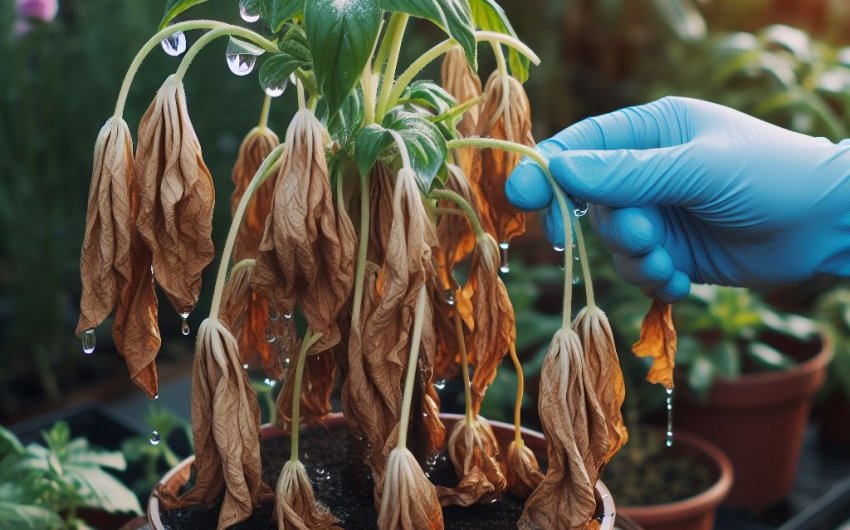
To prevent plant wilting, the most crucial steps are to ensure consistent and appropriate watering, provide adequate drainage, and protect plants from extreme temperatures and sudden environmental changes. Wilting is often a sign of water stress, either too much or too little.
What Causes Plants to Wilt in the First Place?
Plant wilting occurs when cells lose turgor pressure, which is the internal water pressure that keeps stems and leaves firm. Without enough water inside their cells, plants cannot remain rigid and begin to droop. Understanding the various causes of this loss of turgor is the first step in learning how to prevent plant wilting.
How Does Underwatering Lead to Wilting?
Underwatering is perhaps the most common reason for plant wilting. When the soil becomes too dry, the plant cannot absorb enough water through its roots to replace the water lost through transpiration (evaporation from leaves). This causes cells to lose turgor pressure, leading to drooping leaves and stems. The soil will feel dry, and the leaves may also appear dull or slightly crispy. A thorough watering usually revives an underwatered plant, making the wilting a temporary issue. Regularly checking soil moisture with your finger or a soil moisture meter can prevent this.
Can Overwatering Also Cause Wilting?
Yes, paradoxically, overwatering can also cause plant wilting, often more severely and dangerously than underwatering. When plants sit in waterlogged soil, their roots are deprived of oxygen and begin to rot. Root rot damages the roots, making them unable to absorb water and nutrients, even though water is plentiful in the soil. The plant essentially experiences drought symptoms (wilting, yellowing) because its damaged roots cannot function. The key difference is that with overwatering, the soil will feel consistently wet and may have a sour smell.
How Do Extreme Temperatures Affect Plant Turgor?
Extreme temperatures can severely impact a plant's ability to maintain turgor and lead to plant wilting.
- High heat: In very hot conditions, plants transpire (lose water) at a much faster rate than their roots can absorb it, leading to heat stress and wilting. This is often seen during midday sun in summer.
- Cold stress/Frost: Freezing temperatures can damage plant cells, causing them to burst. This leads to permanent wilting and blackening of leaves as the plant tissue dies. Even just very cold temperatures (above freezing) can shock sensitive plants, causing them to wilt as a temporary stress response.
What Are the Best Watering Practices to Prevent Wilting?
Proper watering is the single most important factor in preventing plant wilting. It's not just about how much water you give, but also when and how you apply it. Consistency and understanding your plant's specific needs are crucial.
How Often Should I Water My Plants to Avoid Wilting?
There's no single "correct" watering schedule for all plants; it depends on the plant type, pot size, soil, and environment. To prevent wilting due to underwatering:
- Check soil moisture regularly: Use your finger to feel the top 1-2 inches of soil (deeper for larger pots). Water when it feels dry.
- Observe your plant: Learn its specific signs of thirst (e.g., slightly droopy leaves before full wilt).
- Consider environmental factors: Plants need more frequent watering in warmer, brighter, or lower humidity conditions, and less in cooler, darker, or higher humidity environments. A soil moisture meter can provide consistent and accurate readings, helping you avoid both over and underwatering.
Why Is Good Drainage Essential for Preventing Wilting?
Good drainage is absolutely essential for preventing plant wilting caused by overwatering and root rot.
- Drainage holes: Always use pots with drainage holes to allow excess water to escape.
- Well-draining potting mix: Use a potting mix appropriate for your plant that allows water to pass through freely, preventing it from becoming waterlogged. For succulents, a mix with extra perlite or sand is ideal; for tropical plants, a peat-based mix with perlite works well.
- Avoid standing water: Never let your potted plant sit in a saucer full of water for extended periods, as this can quickly lead to root rot. Empty saucers after watering. Effective drainage ensures roots get the oxygen they need to absorb water properly.
What Is the Best Way to Water My Plants?
The best way to water your plants to prevent wilting is to water thoroughly and deeply when needed.
- Water until it drains: Pour water slowly over the soil surface until it starts to come out of the drainage holes. This ensures the entire root ball gets wet.
- Avoid shallow watering: Giving small sips of water frequently encourages shallow root growth, making the plant more susceptible to drying out and wilting.
- Water at the base: Aim to water the soil directly, avoiding splashing leaves, especially for plants prone to fungal issues. A long-spout watering can is excellent for this.
How Do Environmental Factors Affect Plant Wilting?
Beyond watering, the surrounding environment plays a crucial role in a plant's ability to maintain turgor. Factors like light, humidity, and temperature significantly influence a plant's water needs and stress levels, directly impacting the likelihood of plant wilting.
How Can Light Levels Influence Wilting?
Light levels have a direct impact on a plant's water use and therefore its susceptibility to plant wilting.
- Too much light (especially direct sun): In intense light, plants transpire at a much higher rate, losing water quickly. If roots can't keep up, wilting occurs. This is why plants might wilt in the midday sun but perk up in the evening.
- Too little light: While not a direct cause of wilting from water loss, plants in very low light conditions often have weakened stems and overall less vigor, making them more prone to wilting from even slight stressors. Ensure your plant is receiving the appropriate amount of light for its species, providing shade during peak sun if needed.
Why Is Humidity Important for Preventing Wilting?
Humidity is a critical factor in preventing plant wilting, especially for tropical plants. In low humidity environments, water evaporates from the leaves (transpiration) very quickly. If the rate of water loss from leaves exceeds the rate of water absorption by roots, the plant will wilt.
- Increase humidity: For humidity-loving plants, consider using a humidifier for plants, placing pebble trays filled with water near the plant, or grouping plants together to create a microclimate.
- Avoid dry drafts: Keep plants away from heating vents, air conditioners, or open windows that create dry, constant air movement.
How Do Stable Temperatures Help Avoid Wilting?
Maintaining stable temperatures within your plant's preferred range is key to preventing plant wilting.
- Avoid extreme heat: Prolonged high temperatures increase transpiration rates and can damage roots, leading to wilting.
- Protect from cold: Sudden drops in temperature or exposure to cold drafts can shock plants, causing them to wilt as a stress response, or in severe cases, die from frost damage.
- Consistent environment: Plants thrive on consistency. Frequent fluctuations in temperature can stress a plant, making it more susceptible to wilting and other problems.
Can Pests and Diseases Lead to Plant Wilting?
While watering and environmental factors are primary causes, pests and diseases can also directly lead to plant wilting by damaging roots, disrupting vascular tissue, or siphoning off vital fluids. These causes are often more serious and require specific intervention.
Which Pests Can Cause My Plants to Wilt?
Several pests can cause plant wilting by compromising the plant's ability to transport water or by causing severe damage.
- Root-feeding pests: Pests like fungus gnat larvae (in large numbers), root mealybugs, or grubs can damage or consume roots, preventing the plant from absorbing water and leading to wilting that looks like underwatering.
- Sap-sucking pests (severe infestations): While usually causing yellowing or distorted growth, extremely heavy infestations of aphids, mealybugs, or whiteflies can deplete a plant's fluids to the point of wilting.
- Borers: Insects that tunnel into stems can interrupt the flow of water and nutrients, causing wilting of individual branches or the entire plant above the point of damage. Regularly inspecting your plants and using sticky traps for flying pests can help with early detection.
How Do Diseases Cause Plant Wilting?
Plant wilting can be a prominent symptom of various plant diseases, often more challenging to treat than environmental issues.
- Vascular wilts: Diseases like Fusarium wilt or Verticillium wilt are caused by fungi or bacteria that infect the plant's vascular system (xylem), blocking the transport of water from the roots to the leaves. This leads to sudden and irreversible wilting, often affecting one side of the plant first.
- Root rot (fungal/bacterial): As mentioned, root rot damages the roots, leading to functional drought and wilting.
- Bacterial wilts: Bacteria can infect and block the water-conducting tissues, causing rapid wilting. Unfortunately, many wilt diseases are difficult to cure once established, so prevention through proper sanitation, resistant varieties, and healthy plant care is crucial.
Can Potting Problems Lead to Plant Wilting?
The way a plant is potted and the quality of its soil mix can significantly impact its health and susceptibility to plant wilting. These structural issues often mimic watering problems.
How Does Being Root-Bound Cause Wilting?
A root-bound plant is highly susceptible to plant wilting. When a plant's roots have completely filled its pot, they form a dense, tangled mass with little soil.
- Poor water retention: There isn't enough potting mix to hold adequate moisture, causing the plant to dry out very quickly and wilt.
- Inefficient water uptake: The dense root mass struggles to absorb water effectively, even when watered. If you suspect your plant is root-bound, gently remove it from its pot and inspect the roots. If they are circling the pot, it's time to repot into a slightly larger container with fresh potting mix. Using a soil knife can help loosen stubborn root balls.
What Role Does Poor Potting Mix Play in Wilting?
Poor potting mix can directly cause or contribute to plant wilting.
- Too dense/heavy: A potting mix that is too heavy or compacted (e.g., garden soil used in a pot) retains too much water, leading to aeration issues and root rot, which then causes wilting.
- Too coarse/light: A mix that drains too quickly (e.g., too much perlite for a moisture-loving plant) won't hold enough water, leading to underwatering and wilting.
- Old/degraded mix: Over time, potting mix breaks down, losing its structure and ability to drain and aerate properly. Repotting with fresh, appropriate potting mix, like FoxFarm Ocean Forest Potting Soil, every 1-2 years is often beneficial.
Why Is Pot Size Important for Avoiding Wilting?
Pot size directly influences moisture retention and root health, therefore affecting plant wilting.
- Too small a pot: Leads to root-bound conditions, quick drying out, and increased wilting risk.
- Too large a pot: Holds too much soil and moisture relative to the plant's root system. This can lead to the soil remaining wet for too long, causing oxygen deprivation, root rot, and subsequently wilting. Choose a pot that is only slightly larger than the previous one (1-2 inches wider in diameter) when repotting, providing just enough space for growth without excess moisture.
How Can I Prevent Plant Wilting Effectively?
Effective prevention of plant wilting comes down to consistent, attentive care and creating an optimal environment for your specific plants. It's about being proactive rather than reactive.
What Are the Key Preventative Measures for Wilting?
- Understand your plant's needs: Research its specific watering, light, humidity, and temperature preferences.
- Use appropriate pots and soil: Always choose pots with drainage holes and use a well-draining, high-quality potting mix suited to the plant.
- Water correctly: Water thoroughly when the plant needs it (check soil moisture), allowing excess to drain away. Avoid consistent over or underwatering.
- Monitor environmental conditions: Protect from extreme heat, cold, and low humidity. Provide adequate, but not excessive, light.
- Inspect regularly: Routinely check for pests and early signs of disease, especially in the roots and on new growth.
- Repot when necessary: Address root-bound conditions or degraded potting mix by repotting into a slightly larger container with fresh soil.
How Do I Create an Optimal Environment to Prevent Wilting?
Creating an optimal environment to prevent plant wilting involves several interconnected strategies:
- Consistent watering routine: Based on checking soil moisture, not a rigid schedule.
- Appropriate light exposure: Match the plant's needs, providing shade or supplemental light as required.
- Humidity control: Use humidifiers, pebble trays, or grouping for humidity-loving plants.
- Stable temperatures: Avoid drafts, vents, and sudden changes.
- Good air circulation: Prevents fungal issues that lead to root problems.
- Quarantine new plants: Prevent introducing pests or diseases that can cause wilting.
By focusing on these core principles, you can significantly reduce the instances of plant wilting and cultivate healthier, more resilient plants that stand tall and vibrant. Understanding why plants wilt empowers you to provide the right care before problems even begin.