
Fungal Foes: Battling Fungal Infections in Plants
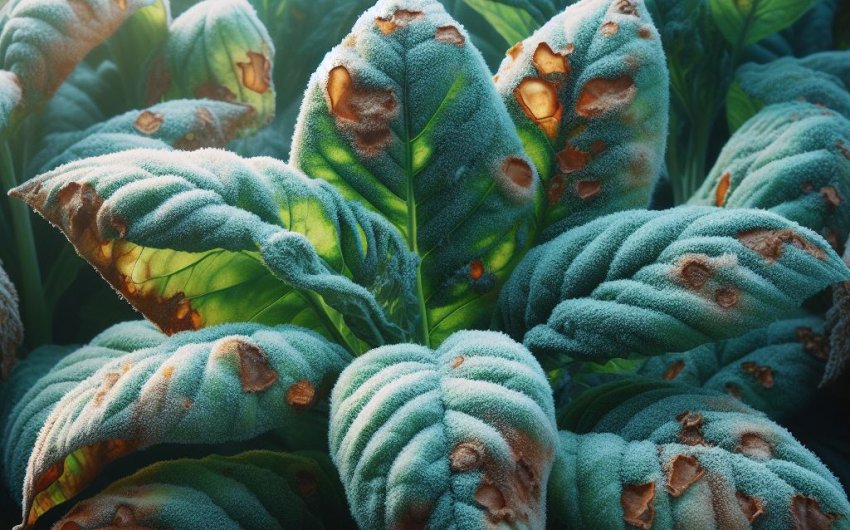
Battling fungal infections in plants requires prompt identification, improving environmental conditions, and applying appropriate treatments like organic fungicides or cultural controls. Early action is key to saving infected plants and preventing further spread.
What Are the Most Common Fungal Infections in Plants?
Fungal infections are widespread plant problems, caused by various types of fungi that thrive in specific conditions. Recognizing the symptoms of these fungal foes is the first step toward effective management and ensuring plant health. They often appear as spots, molds, or wilting.
How Can I Identify Powdery Mildew?
Powdery mildew is one of the most recognizable fungal infections, appearing as a white, powdery coating on the surfaces of leaves, stems, and sometimes flowers. It often looks like a dusting of flour. While initially aesthetic, severe infections can stunt growth, distort leaves, and reduce flowering. It thrives in humid conditions with poor air circulation and is very common on roses, lilacs, squash, and many ornamentals. You can often wipe off the powdery coating with your finger.
What Are the Signs of Downy Mildew?
Often confused with powdery mildew, downy mildew presents differently. It typically appears as fuzzy gray or purplish growth on the undersides of leaves, while the upper surface shows angular yellow or pale green spots that may eventually turn brown. These spots are often confined by leaf veins. Downy mildew prefers cool, moist conditions and affects a wide range of plants including grapes, cucumbers, and impatiens. It can be particularly destructive to young seedlings.
How Do I Spot Fungal Leaf Spot Diseases?
Fungal leaf spot diseases are characterized by distinct spots on plant leaves that vary in color, size, and shape depending on the specific fungus. These spots can be brown, black, tan, or purple, often with a darker border or a yellow halo around them. They can sometimes merge to form larger blotches. These infections are encouraged by wet foliage and poor air circulation. Common hosts include hostas, roses, and many shade trees. Removing affected leaves and ensuring good air flow helps prevent spread.
What Does Rust Disease Look Like on Plants?
Rust disease is easily identified by its characteristic orange, rusty-colored pustules that appear on the undersides of leaves and stems. When rubbed, these pustules release powdery, rust-colored spores, just like rust on metal. On the upper surface, you might see yellow or pale green spots directly above the pustules. Rust thrives in cool, moist conditions and affects a wide range of plants, including roses, beans, and daylilies. Severe infections can lead to premature defoliation.
How Can I Identify Root Rot?
Root rot is a serious and often fatal fungal infection (caused by various soil-borne fungi like Pythium, Phytophthora, or Rhizoctonia) that occurs when plant roots are consistently in waterlogged soil. Symptoms include yellowing leaves, wilting (even though the soil is wet), stunted growth, and ultimately the plant's collapse. When you remove the plant from its pot, the roots will appear mushy, brown, or black, and may smell foul, rather than firm and white. Overwatering is the primary cause, as it creates an anaerobic environment where these fungi thrive. Checking soil moisture with a soil moisture meter can help prevent this destructive infection.
What Conditions Encourage Fungal Infections in Plants?
Fungal infections don't just appear out of nowhere; they thrive when specific environmental conditions favor their growth and spread. Understanding these factors is crucial for effective prevention and control of these fungal foes.
Why Is High Humidity a Problem for Plants?
High humidity provides the ideal moist environment that many fungal infections need to germinate and spread. Fungi spores require a layer of moisture on plant surfaces to begin their infection process. When the air is constantly humid, leaves remain wet, creating perfect conditions for diseases like powdery mildew, downy mildew, and various leaf spots. Good air circulation is essential to reduce humidity around foliage.
How Does Poor Air Circulation Promote Fungal Growth?
Poor air circulation works hand-in-hand with high humidity to create a breeding ground for fungal infections. When plants are too close together, or in a stagnant indoor environment, air cannot move freely around the foliage. This traps moisture, keeps leaves wet for longer periods, and prevents surfaces from drying out, all of which encourage fungal spore germination and disease development. Proper plant spacing and occasional use of a small fan can dramatically improve air circulation.
What Role Does Overwatering Play in Fungal Diseases?
Overwatering is the primary culprit behind root rot, a devastating fungal infection. When soil is constantly saturated, it displaces oxygen, suffocating plant roots. This weakened state makes the roots highly susceptible to attack by various soil-borne fungi. Once infected, the roots can no longer absorb water and nutrients, leading to the entire plant wilting and eventually dying. Using a soil moisture meter and ensuring proper drainage are vital to prevent overwatering.
Can Contaminated Tools or Soil Spread Fungal Infections?
Yes, contaminated tools or soil are significant vectors for spreading fungal infections from one plant to another. Fungal spores and pathogens can cling to pruning shears, trowels, and even gardening gloves. Using infected soil, or reusing soil from a previously diseased plant, can reintroduce fungal spores to new, healthy plants. Always sterilize your tools with rubbing alcohol or a bleach solution after each use, especially when pruning infected plants. Buying fresh, high-quality potting mix, like FoxFarm Ocean Forest Potting Soil, helps ensure a clean start.
How Can I Prevent Fungal Infections in My Plants?
Preventing fungal infections is far easier and more effective than treating them. By creating an unfavorable environment for fungi and maintaining vigilant plant hygiene, you can significantly reduce the risk of these fungal foes taking hold.
What Are the Best Practices for Watering to Prevent Fungi?
Proper watering practices are fundamental to preventing fungal infections:
- Water at the base of the plant: Avoid overhead watering that keeps leaves wet for prolonged periods. Use a long-spout watering can to direct water to the soil.
- Water in the morning: This allows any splashed water on leaves to dry quickly throughout the day.
- Allow soil to dry slightly: For most plants, let the top inch or two of soil dry out between waterings to prevent waterlogging and root rot.
- Ensure good drainage: Always use pots with drainage holes and a well-draining potting mix. Empty excess water from saucers.
How Does Air Circulation and Spacing Help Prevent Fungal Diseases?
Improving air circulation and proper plant spacing are crucial for preventing fungal infections.
- Space plants adequately: Avoid overcrowding, which traps moisture and reduces air flow around foliage.
- Prune dense foliage: Trim away excessive inner leaves or crossing branches to open up the plant canopy and improve air movement.
- Use fans indoors: For houseplants, a small oscillating fan can help circulate air and dry foliage, especially in humid environments.
Why Is Plant Hygiene and Sanitation So Important?
Excellent plant hygiene and sanitation are key to preventing fungal infections from starting and spreading.
- Remove diseased material: Promptly prune and discard any infected leaves, stems, or flowers. Do not compost diseased plant parts.
- Sterilize tools: Always clean and sterilize pruning shears, trowels, and other tools between plants, especially after working with an infected plant, using rubbing alcohol or a bleach solution.
- Clean up debris: Remove fallen leaves, spent flowers, and other organic debris from around the base of plants, as these can harbor fungal spores.
Can Choosing Resistant Varieties Help Prevent Fungal Issues?
Yes, choosing disease-resistant plant varieties is an excellent long-term strategy for preventing fungal infections. Many modern plant cultivars have been bred specifically to resist common fungal diseases like powdery mildew, rust, or certain blights. When purchasing new plants, especially in areas with known disease pressures, look for varieties explicitly labeled as "disease-resistant" or "fungus-resistant." This simple choice can save a lot of future headaches.
What Are the Treatment Options for Fungal Infections?
Once a plant develops a fungal infection, immediate and targeted treatment is necessary to control the spread and save the plant. Treatment options range from organic and cultural methods to chemical fungicides, depending on the severity and type of infection.
When Should I Use Organic Fungicides?
Organic fungicides are a good first line of defense for many fungal infections, especially for edible plants or if you prefer a chemical-free approach.
- Neem oil: Acts as an antifungal and can be effective against powdery mildew and some other fungal issues. Mix Organic Neem Bliss Cold Pressed Neem Oil with water and a bit of soap and spray thoroughly.
- Baking soda spray: A diluted solution (1 teaspoon baking soda per quart of water, plus a drop of liquid soap) can alter the pH on leaf surfaces, inhibiting fungal growth, particularly for powdery mildew.
- Horticultural oil: Can smother certain fungal spores.
- Copper-based fungicides: Organic options that provide broader-spectrum fungal control. Always apply organic fungicides according to product directions and test on a small area first to ensure no adverse reaction from the plant.
When Are Chemical Fungicides Necessary?
Chemical fungicides may be necessary for severe or persistent fungal infections when organic methods have proven ineffective, or for high-value plants.
- Broad-spectrum fungicides: Effective against a wide range of fungi.
- Systemic fungicides: Absorbed by the plant and move through its tissues, offering protection from within.
- Contact fungicides: Remain on the plant surface, protecting where applied. Always choose a fungicide specifically labeled for the disease you are treating and follow the instructions carefully regarding mixing, application, and safety precautions. Products like Garden Safe Fungicide are good for common issues.
How Can Pruning Help Manage Fungal Diseases?
Pruning infected plant parts is a crucial cultural practice for managing fungal infections.
- Remove affected areas: Carefully cut away all leaves, stems, or flowers showing signs of infection.
- Prune beyond visible damage: Cut a few inches into healthy tissue to ensure all fungal spores are removed.
- Dispose of properly: Bag and discard infected material in the trash; do not compost it, as spores can survive and reinfect.
- Sterilize tools: Always clean and sterilize your pruning shears (e.g., Fiskars Bypass Pruning Shears) before and after each cut to prevent spreading spores. This physical removal reduces the fungal load and prevents the disease from spreading to healthy parts of the plant.
What Is the Role of Repotting for Root Rot?
If a plant is suffering from root rot, repotting can be a critical step for recovery.
- Remove from pot: Carefully take the plant out of its current pot.
- Inspect and trim roots: Gently brush off old soil. Healthy roots are firm and white; diseased roots are mushy, brown, or black. Use clean, sterile scissors to cut away all infected and dead roots.
- Clean the pot: Wash the old pot thoroughly with a bleach solution, or use a new, clean pot.
- Repot with fresh soil: Use a sterile, well-draining potting mix.
- Adjust watering: Water sparingly initially and allow the plant to recover, ensuring the soil dries out sufficiently between waterings. This is essential for the roots to heal and for battling fungal infections at their source.
Successfully battling fungal infections in plants requires a keen eye for early symptoms, an understanding of the conditions that favor fungal growth, and a willingness to implement both preventative and curative measures. By taking these steps, you can protect your green companions from these common and challenging fungal foes.