
Mold Matters: Strategies for Treating Plant Mold
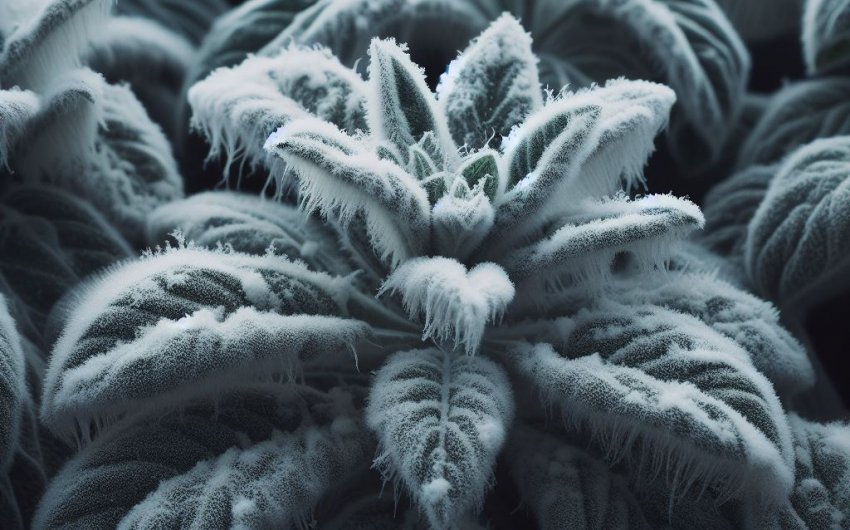
Treating plant mold typically involves improving air circulation, reducing humidity, adjusting watering practices, and sometimes using organic or chemical fungicides to eliminate the fungal growth. Understanding the type of mold is the first step toward effective strategies.
What Types of Mold Commonly Affect Plants?
When you see "mold" on your plants, it could be one of several different types of fungal or fungal-like growths, each with unique characteristics and requiring specific strategies for treating plant mold. Identifying the specific type is crucial for effective intervention.
How Can I Identify Powdery Mildew on My Plants?
Powdery mildew is one of the most common and recognizable types of plant mold. It appears as a white, powdery coating on the surface of leaves, stems, and sometimes flower buds. It looks like someone sprinkled flour over your plant. While it might seem harmless at first, severe infections can cause leaves to yellow, distort, and even drop prematurely. It thrives in humid conditions with poor air circulation and is very common on roses, phlox, squash, and many ornamental plants. This is a primary concern when it comes to treating plant mold.
What Does Sooty Mold Look Like and How Is It Caused?
Sooty mold is a black, velvety, or powdery coating that grows on plant leaves and stems. Unlike powdery mildew, it doesn't directly infect the plant tissue. Instead, it grows on honeydew, a sticky, sugary substance excreted by sap-sucking pests like aphids, mealybugs, and whiteflies. While largely aesthetic, a thick layer of sooty mold can block sunlight, reducing the plant's ability to photosynthesize. Treating plant mold like sooty mold requires first addressing the underlying pest infestation.
How Can I Spot Gray Mold (Botrytis Blight)?
Gray mold, also known as Botrytis blight, is a fuzzy, grayish-brown mold that often appears on dying or damaged plant tissue, flowers, buds, and sometimes fruit. It causes soft, brown lesions and can spread rapidly under cool, moist conditions. It's particularly problematic in greenhouses or areas with high humidity and poor air circulation. This type of mold can be very destructive, leading to wilting and collapse of affected plant parts. Treating plant mold in this form is critical to stop its spread.
What Is White Mold on Soil and Is It Harmful?
White mold on soil, often a fluffy, white, or yellowish growth, is usually a type of saprophytic fungus. It feeds on decaying organic matter in the potting mix, such as peat moss or wood chips. It's often harmless to the plant itself, indicating consistently moist soil and often poor air circulation around the soil surface. However, its presence suggests conditions that could lead to more serious issues like root rot if ignored. While not directly damaging, addressing it is a part of comprehensive treating plant mold strategy.
What Environmental Factors Encourage Mold Growth on Plants?
Plant mold doesn't just appear randomly; specific environmental conditions create the perfect breeding ground for various fungal growths. Understanding these factors is paramount for both treating plant mold and preventing future outbreaks.
Why Does High Humidity Promote Mold Growth?
High humidity is the most significant factor promoting almost all types of plant mold. Fungal spores require moisture to germinate and grow. When the air is saturated with water vapor, plant surfaces remain wet for extended periods, providing the ideal conditions for mold spores to land and begin their destructive work. This is particularly true for powdery mildew and gray mold, which thrive in moist, still air. Reducing ambient humidity is a core strategy for treating plant mold.
How Does Poor Air Circulation Lead to Plant Mold?
Poor air circulation exacerbates the problem of high humidity and is a key driver of plant mold. When plants are placed too closely together or in a stagnant room, air cannot move freely around the foliage. This traps moisture, preventing leaves and soil surfaces from drying out quickly, creating perfect pockets for mold development. Overcrowding also makes it easier for spores to jump from one plant to another. Improving air flow is a vital step in treating plant mold.
What Role Does Overwatering Play in Mold Development?
Overwatering plays a crucial role in the development of certain types of plant mold, particularly the white mold that grows on soil. Consistently wet soil creates a damp environment on the surface, encouraging saprophytic fungi to feed on organic matter. More seriously, overwatering can also lead to root rot, which is a severe fungal infection, and the compromised plant becomes more susceptible to other molds. Using a soil moisture meter helps ensure appropriate moisture levels.
Can Insufficient Light Contribute to Mold Issues?
Insufficient light can indirectly contribute to plant mold problems. Plants in low light conditions often grow weaker, making them more susceptible to disease. Low light also slows down the drying process of both soil and foliage, further increasing humidity and providing prolonged moisture for mold spores to thrive. Plants that are struggling in low light are simply less able to fend off fungal invaders. Moving plants to brighter locations can be part of treating plant mold through improved vigor.
What Are the Best Strategies for Treating Plant Mold?
Once you've identified plant mold, implementing a multi-pronged approach is usually the most effective way to eliminate it and prevent its return. Strategies for treating plant mold range from simple cultural adjustments to targeted applications.
How Can I Physically Remove Mold from My Plants?
Physical removal is the first and often most effective step for treating plant mold, especially for localized patches.
- Prune affected parts: Use clean, sharp pruning shears, like Fiskars Bypass Pruning Shears, to carefully cut off and discard any leaves, stems, or flowers heavily covered in mold. This is crucial for powdery mildew and gray mold.
- Wipe leaves: For sooty mold, gently wipe the sticky residue and black mold off the leaves with a damp cloth soaked in a diluted solution of mild dish soap and water. You might need to repeat this.
- Replace topsoil: For white mold on soil, carefully scrape off the affected top layer of soil and replace it with fresh, sterile potting mix. Always dispose of diseased plant material in the trash, not compost, to prevent further spread.
When Should I Use Organic or Homemade Fungicides?
Organic or homemade fungicides are excellent options for treating plant mold, especially for edible plants or if you prefer natural solutions.
- Neem oil spray: A powerful organic fungicide effective against powdery mildew and some other molds. Mix Organic Neem Bliss Cold Pressed Neem Oil with water and a tiny bit of mild liquid soap to help it emulsify. Spray thoroughly, ensuring coverage on both sides of leaves.
- Baking soda spray: For powdery mildew, mix 1 teaspoon of baking soda and 1/2 teaspoon of liquid soap into 1 quart of water. Spray infected plants weekly. The baking soda changes the pH, making it unsuitable for fungal growth.
- Milk spray: A simple solution of 1 part milk to 9 parts water can also be effective against powdery mildew, especially as a preventative. Apply these solutions thoroughly and repeatedly as directed.
When Are Chemical Fungicides Necessary for Plant Mold?
Chemical fungicides may be necessary for severe, persistent, or widespread plant mold infections that do not respond to cultural methods or organic treatments.
- Targeted treatment: Choose a fungicide specifically labeled for the type of mold you are battling (e.g., powdery mildew, Botrytis).
- Systemic vs. contact: Some fungicides are systemic (absorbed by the plant), offering internal protection, while others are contact (work on the surface).
- Follow instructions: Always read and strictly follow the manufacturer's instructions for mixing, application, and safety precautions. Products like Garden Safe Fungicide can be effective for common molds. Chemical fungicides should be used judiciously, considering potential environmental impacts.
How Can Improving Air Circulation and Humidity Help?
Improving air circulation and reducing humidity are crucial for treating plant mold and preventing recurrence.
- Space plants out: Ensure adequate spacing between plants to allow air to flow freely.
- Prune excess foliage: Thin out dense growth to open up the canopy.
- Use fans: For indoor plants, a small oscillating fan can help.
- Increase ventilation: Open windows or use exhaust fans in humid areas like bathrooms or greenhouses.
- Avoid overhead watering: Water at the soil level to keep leaves dry. These cultural adjustments create an environment less favorable for mold growth.
How Can I Prevent Mold from Returning to My Plants?
Once you've succeeded in treating plant mold, the focus shifts to prevention. Implementing ongoing best practices is essential to ensure these unwanted growths do not return and your plants remain healthy.
What Are the Best Watering Habits to Prevent Mold?
Good watering habits are paramount for preventing plant mold from returning.
- Water deeply but less frequently: Allow the top layer of soil to dry out between waterings. This discourages surface mold.
- Water at the base of the plant: Avoid wetting the leaves, especially in the evening.
- Ensure excellent drainage: Use pots with drainage holes and a well-draining potting mix. Never let pots sit in standing water.
- Use a soil moisture meter: Consistently checking with a soil moisture meter helps prevent both over and under-watering.
Why Is Proper Plant Spacing and Airflow Crucial for Prevention?
Proper plant spacing and robust airflow are critical for preventing plant mold by reducing trapped moisture and humidity.
- Give plants room: Avoid overcrowding, allowing air to circulate freely around each plant.
- Prune for air flow: Periodically trim inner leaves and dense growth to improve ventilation within the plant's canopy.
- Ventilate indoor spaces: Ensure good air movement in indoor growing areas, using fans if necessary, to keep air from becoming stagnant and humid.
How Does Sanitation Help Avoid Mold Recurrence?
Excellent sanitation is a key defense against plant mold returning.
- Remove plant debris: Promptly clean up any fallen leaves, spent flowers, or decaying organic matter from the soil surface and around the plant. This material can harbor mold spores.
- Sterilize tools: Always clean and sterilize pruning shears and other gardening tools after each use, especially if they've been used on an infected plant. A diluted bleach solution or rubbing alcohol works well.
- Use clean potting mix: When repotting, use fresh, sterile potting mix, never garden soil or old, degraded potting soil.
What Role Does Light and Nutrition Play in Mold Prevention?
Adequate light and balanced nutrition contribute to overall plant health, making them more resistant to plant mold.
- Provide sufficient light: Plants in proper light grow stronger and are better able to fend off pathogens. Good light also helps dry foliage more quickly.
- Avoid over-fertilization: While proper nutrition is important, excessive nitrogen can lead to lush, tender growth that is more susceptible to mold. Use a balanced fertilizer, like Jobe's Houseplant Food Spikes, according to directions.
- Strong, healthy plants are naturally more resilient against fungal attacks.
Successfully treating plant mold involves a holistic approach that not only eradicates existing infections but also creates an environment where mold struggles to thrive. By focusing on proper care and preventative measures, you can ensure your plants remain healthy and mold-free.