
Aphid Apocalypse: Effective Aphid Control Methods
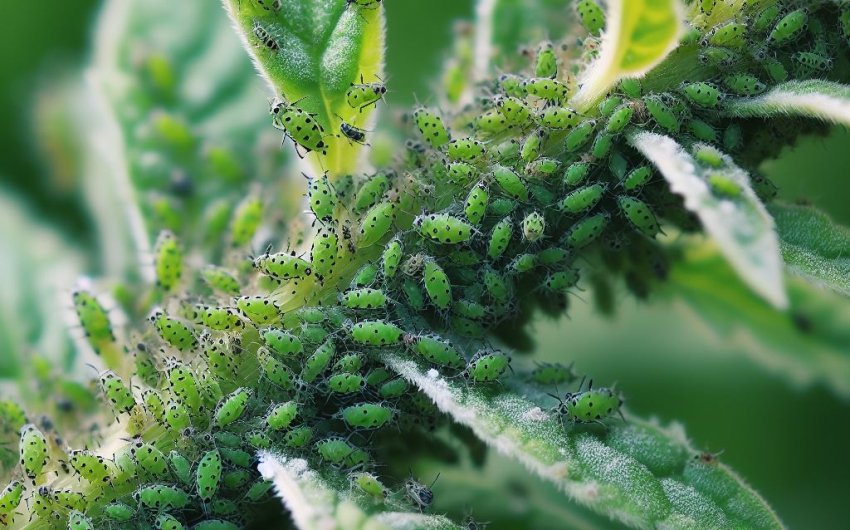
Effective aphid control methods involve a combination of physical removal, organic insecticide sprays, and encouraging natural predators to manage these common garden pests. Early detection and consistent treatment are key to preventing an aphid apocalypse.
What Exactly Are Aphids and Why Are They a Problem?
Aphids are small, soft-bodied insects that pose a significant threat to a wide variety of plants. Understanding their biology and behavior is the first step in implementing effective aphid control methods and protecting your garden from an aphid apocalypse.
How Do I Identify Aphids on My Plants?
Aphids are easily recognizable, typically measuring about 1/16 to 1/8 inch long, with pear-shaped bodies and two short "tailpipes" (cornicles) protruding from their rear. They come in various colors, including green, black, yellow, gray, pink, or red, often matching the plants they feed on. They tend to congregate in clusters on new growth, leaf undersides, and flower buds. Some species can also be winged, especially when populations are dense, allowing them to fly to new plants. A good magnifying glass can help confirm their identity.
What Kind of Damage Do Aphids Cause to Plants?
Aphids cause damage by inserting their needle-like mouthparts into plant tissue and sucking out nutrient-rich sap. This feeding activity leads to several visible problems:
- Curled, yellowed, or distorted leaves: Often on new growth, as aphids prefer tender tissues.
- Stunted growth: The plant's overall development can be hindered.
- Honeydew secretion: Aphids excrete a sticky, sugary substance called honeydew, which can cover leaves and attract ants.
- Sooty mold growth: A black, fuzzy mold often grows on the honeydew, further blocking sunlight from the leaves.
- Virus transmission: Aphids can also transmit various plant viruses from one plant to another, which can be devastating. Learning effective aphid control methods is crucial to prevent these widespread issues.
What Plants Are Most Susceptible to Aphids?
Aphids are generalist feeders and can affect almost any plant, but some are particularly susceptible. These include:
- Roses: A classic target, often showing distorted buds and leaves.
- Hibiscus: Especially the new, tender shoots.
- Fruit trees: Apples, peaches, and citrus can host large colonies.
- Vegetables: Tomatoes, peppers, cabbage, lettuce, and beans are frequently attacked.
- Ornamentals: Many annuals and perennials, especially those with soft, succulent new growth.
- Houseplants: Can easily get aphids from new outdoor plants or even through open windows. Knowing which plants are prone helps with targeted inspection and early implementation of effective aphid control methods.
What Are the Best Physical Methods for Aphid Control?
When facing an aphid apocalypse, physical control methods are often the first line of defense. They are immediate, non-toxic, and can be very effective for light to moderate infestations without harming beneficial insects.
How Can I Spray Aphids Off My Plants with Water?
A strong jet of water is a surprisingly effective and simple physical method for aphid control.
- Technique: Use a hose sprayer with a forceful but gentle stream to dislodge aphids from leaves, stems, and buds. Pay special attention to the undersides of leaves where they often hide.
- Frequency: Repeat every few days, especially in the morning, until the aphids are gone.
- Considerations: Be careful not to damage tender new growth or overwater the plant. This method works best for plants that can withstand a good spray. A simple garden hose nozzle sprayer can provide the necessary force.
Can Hand-Picking or Pruning Help Control Aphids?
Hand-picking and pruning are effective aphid control methods for smaller infestations or individual plants.
- Hand-picking: Simply pick off visible aphids with your fingers, or use a cotton swab dipped in rubbing alcohol for a more targeted approach.
- Pruning: For heavily infested leaves or stems, prune them off entirely. This removes a significant portion of the aphid population and prevents further spread. Always dispose of the removed plant material (and aphids) in a sealed bag in the trash, not your compost, to prevent them from returning. Use clean, sharp pruning shears for pruning.
How Do Yellow Sticky Traps Aid in Aphid Management?
Yellow sticky traps are an excellent aphid control method for monitoring populations and catching winged aphids. While they won't eliminate a large infestation, they are very useful for:
- Early detection: They help you see when aphids first arrive or when a population starts to increase.
- Reducing winged adults: Catching winged aphids prevents them from reproducing and spreading to other plants.
- Monitoring effectiveness: You can gauge how well other control methods are working by observing fewer aphids on the traps. Place Stingmon Yellow Sticky Traps near affected plants or throughout your garden.
What Are the Most Effective Organic Sprays for Aphids?
Organic sprays offer powerful aphid control methods that are generally safer for beneficial insects, pets, and the environment compared to synthetic pesticides. They work by smothering, disrupting, or repelling aphids.
How Does Insecticidal Soap Work Against Aphids?
Insecticidal soap is one of the most popular and effective aphid control methods for soft-bodied pests.
- Mechanism: It works by dissolving the waxy outer layer of the aphid, causing dehydration and death. It has very little residual effect once dry, minimizing harm to beneficial insects.
- Application: Mix a concentrate like Safer Brand Insect Killing Soap with water according to directions, or use a ready-to-use spray. Thorough coverage is essential, as the soap only kills on contact. Spray all aphid-infested areas, including leaf undersides.
- Frequency: Reapply every 5-7 days for severe infestations, as it doesn't kill eggs. Always test a small area of the plant first to ensure no adverse reaction.
How Effective Is Neem Oil for Aphid Control?
Neem oil is a versatile and effective aphid control method that works in multiple ways.
- Mechanism: It acts as an antifeedant (aphids stop eating), a growth disruptor (prevents nymphs from maturing), and a repellent. It is absorbed by the plant (systemic in some cases) and is generally safe for beneficial insects once dry.
- Application: Mix Organic Neem Bliss Cold Pressed Neem Oil concentrate with water and a tiny bit of mild liquid soap to help it emulsify. Spray thoroughly on all plant surfaces where aphids are present, including undersides of leaves.
- Frequency: Apply every 7-10 days until the aphid population is under control. Apply in the evening to avoid leaf burn in strong sunlight. Neem oil is also effective against other soft-bodied pests.
Can Essential Oils Be Used for Aphid Repellents?
Certain essential oils can act as natural repellents or contact killers for aphids, offering another organic aphid control method.
- Common oils: Peppermint, lavender, rosemary, and clove essential oils are often used.
- Application: Dilute a few drops of essential oil in water with a small amount of liquid soap (as an emulsifier) in a spray bottle. Spray directly on aphids and affected plant parts.
- Caution: Always dilute essential oils properly, as concentrated oils can harm plants. Test on a small area first. These solutions are generally best for small infestations or as a deterrent.
How Can I Encourage Natural Predators for Aphid Control?
Harnessing the power of nature by encouraging natural predators is a highly sustainable and effective aphid control method. These beneficial insects can keep aphid populations in check without any chemical intervention.
Which Insects Are Natural Predators of Aphids?
Several beneficial insects are voracious predators of aphids, making them invaluable allies in aphid control:
- Ladybugs (ladybeetles): Both adult ladybugs and their larvae are huge aphid eaters. A single ladybug can consume thousands of aphids in its lifetime.
- Lacewing larvae: Often called "aphid lions," these tiny, alligator-like larvae are extremely effective predators.
- Hoverfly larvae: These slug-like larvae can devour large numbers of aphids.
- Parasitic wasps: These tiny wasps lay their eggs inside aphids, effectively mummifying them. You'll see swollen, tan or black "aphid mummies" on leaves. Attracting and protecting these insects is a cornerstone of organic pest management.
How Can I Attract Beneficial Insects to My Garden?
To encourage natural predators for aphid control, focus on creating a welcoming habitat:
- Plant diverse flowers: Provide nectar and pollen sources, especially small-flowered varieties like dill, fennel, cilantro, sweet alyssum, cosmos, and sunflowers. These attract adult ladybugs, lacewings, and hoverflies.
- Avoid broad-spectrum pesticides: These chemicals kill beneficial insects along with pests, disrupting the natural balance.
- Provide water sources: Shallow dishes with pebbles for insects to drink safely.
- Leave some "wild" areas: A small patch of undisturbed weeds can provide shelter for beneficial insects.
- Purchase beneficial insects: For severe infestations, you can purchase live ladybugs or lacewing larvae for release in your garden. Release them in the evening to encourage them to stay.
Can Companion Planting Help Deter Aphids?
Yes, companion planting can be an effective aphid control method by deterring them or attracting their predators.
- Repellent plants:
- Garlic, chives, onions: Strong smells can confuse and repel aphids.
- Marigolds (French marigolds): Emit chemicals that deter many pests.
- Catnip, mint: Known aphid repellents, but plant in containers as they can spread aggressively.
- Trap crops:
- Nasturtiums: Aphids often prefer nasturtiums over other plants. You can plant them strategically to draw aphids away from more valuable crops, then remove or treat the nasturtium.
- Borage: Also attracts aphids and beneficials. Strategic planting creates a more resilient ecosystem against an aphid apocalypse.
What Preventative Measures Can I Take Against Aphids?
Prevention is always better than cure. Implementing proactive measures can significantly reduce the likelihood of an aphid apocalypse and minimize the need for reactive aphid control methods.
How Does Regular Plant Inspection Prevent Aphid Infestations?
Regular plant inspection is the single most important preventative measure for aphid control.
- Frequency: Check your plants at least once a week, or more often for susceptible species or during peak aphid season (spring and early summer).
- Focus areas: Pay special attention to new growth, leaf undersides, and flower buds. Aphids are small, so use a magnifying glass.
- Early detection: Catching aphids when populations are small makes them much easier to control with simple methods before they become an aphid apocalypse. Early intervention is always the most effective aphid control method.
What Role Does Plant Health and Stress Reduction Play?
Healthy, vigorous plants are more resistant to pest attacks, making plant health and stress reduction a crucial aphid control method.
- Proper watering: Avoid over- or underwatering, as stressed plants are more susceptible. Use a soil moisture meter for accuracy.
- Balanced nutrition: Provide appropriate nutrients; avoid excessive nitrogen, which promotes soft, sappy growth that aphids love. Use a balanced fertilizer like Schultz Liquid Plant Food.
- Adequate light: Ensure plants get the right amount of light for their species.
- Good air circulation: Prevents fungal issues and makes it harder for aphids to hide. Stress weakens a plant's natural defenses, rolling out the red carpet for an aphid apocalypse.
How Do I Prevent Aphids from Entering My Home or Garden?
To prevent aphids from entering your home or garden:
- Quarantine new plants: Always inspect new plants thoroughly and keep them isolated for a few weeks before introducing them to your existing collection. This is critical for houseplants.
- Inspect cut flowers: Before bringing cut flowers indoors, check them for hidden aphids.
- Use barriers: For outdoor gardens, fine mesh insect netting or row covers can physically block aphids from reaching vulnerable plants.
- Maintain garden hygiene: Remove weeds and plant debris, which can harbor overwintering aphid eggs or adults. These preventative steps significantly reduce the chances of an aphid apocalypse impacting your plants.
Mastering effective aphid control methods involves a combination of vigilant inspection, physical removal, judicious use of organic sprays, and, importantly, creating an environment that encourages beneficial insects and strong plant health. By taking a proactive approach, you can successfully combat these common garden pests and prevent an aphid apocalypse from overwhelming your green spaces.