
Caterpillar Crisis: Combatting Caterpillar Damage on Plants
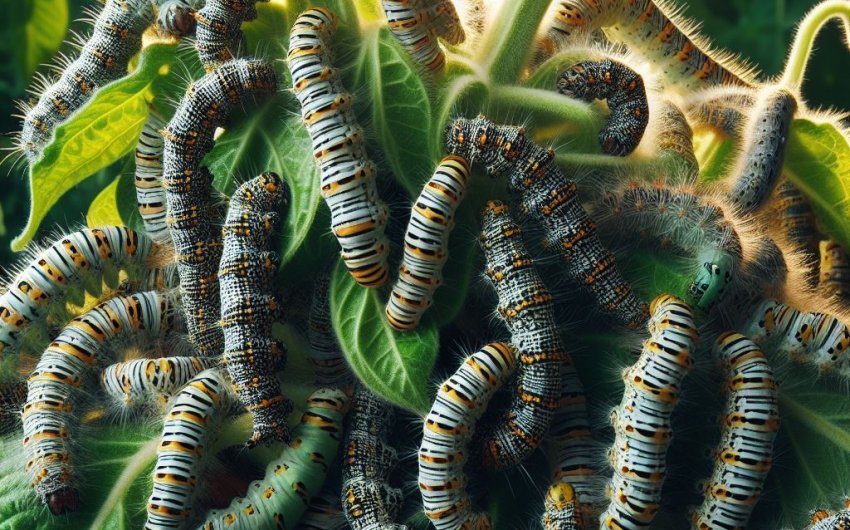
Combatting caterpillar damage on plants primarily involves diligent hand-picking, encouraging natural predators, and using targeted organic sprays like Bacillus thuringiensis (Bt) to control these voracious chewing pests. Early detection is key to managing a caterpillar crisis.
What Exactly Are Caterpillars and Why Are They a Problem?
Caterpillars are the larval stage of moths and butterflies, and while many are beautiful as adults, their larval form can be highly destructive to plants. Understanding their life cycle and feeding habits is crucial for combatting caterpillar damage on plants and preventing a widespread caterpillar crisis in your garden.
How Do I Identify Caterpillars on My Plants?
Caterpillars come in a wide variety of sizes, colors, and textures, ranging from smooth green loops to hairy, spiny creatures. You can identify them by:
- Visual inspection: Look closely on the undersides of leaves, along stems, and inside curled leaves. They are masters of camouflage, blending in with foliage.
- Chewing damage: Look for irregular holes in leaves, chewed leaf margins, or skeletonized leaves where only the veins remain.
- Frass: Small, dark, pellet-like droppings (caterpillar poop) on leaves or the soil below are a tell-tale sign of their presence.
- Webbing: Some species, like tent caterpillars, create silken webs or tents. Common examples include the green cabbage worm on brassicas and the large tomato hornworm on tomato plants.
What Kind of Damage Do Caterpillars Inflict on Plants?
Caterpillars are primarily chewing pests, meaning they consume plant tissue with their strong mouthparts. The damage they inflict can be significant:
- Defoliation: They eat holes in leaves, or in severe cases, can completely strip a plant of its foliage in a very short time.
- Stunted growth: Loss of leaves reduces the plant's ability to photosynthesize, impacting overall growth and yield.
- Fruit and flower damage: Some caterpillars bore into fruits or chew on flowers, rendering them unmarketable or aesthetically unappealing.
- Secondary issues: Open wounds from chewing can also make plants more susceptible to diseases. A single large caterpillar, like a tomato hornworm, can decimate a young plant overnight. Learning combatting caterpillar damage on plants is essential for any gardener.
What Plants Are Most Susceptible to Caterpillar Damage?
Almost any plant can fall victim to caterpillars, but some are particular favorites:
- Vegetables: Cabbage, broccoli, kale (cabbage worms), tomatoes, peppers (hornworms), corn (corn earworm), beans, and lettuce are highly vulnerable.
- Fruit trees: Apple, cherry, and plum trees are often affected by various loopers and tent caterpillars.
- Ornamentals: Roses, petunias, geraniums, and many shrubs can suffer severe defoliation.
- Shade trees: Oaks, maples, and elms can be attacked by forest tent caterpillars or gypsy moths. Understanding which plants are commonly targeted helps gardeners anticipate and prevent a caterpillar crisis.
What Are the Most Effective Physical Methods for Caterpillar Control?
When facing a caterpillar crisis, physical control methods are often the safest and most immediate way to start combatting caterpillar damage on plants. These methods are non-toxic and can be surprisingly effective for managing populations.
How Can Hand-Picking Help Control Caterpillars?
Hand-picking is perhaps the simplest and most effective caterpillar control method for home gardeners, especially for larger species.
- Technique: Regularly inspect your plants, especially in the early morning or late evening when caterpillars are most active. Simply pick them off the leaves and stems with your gloved hands.
- Disposal: Drop them into a bucket of soapy water, which will drown them. You can also crush them.
- Frequency: Repeat daily until no more caterpillars are found. This method is particularly effective for large, easy-to-spot culprits like tomato hornworms. A good pair of gardening gloves can make this task more comfortable.
What Role Does Pruning Play in Managing Caterpillars?
Pruning infested parts of a plant is another effective physical method for combatting caterpillar damage on plants.
- Technique: If you find caterpillars concentrated on a specific leaf, branch, or within a web (like tent caterpillars), carefully prune off the affected section.
- Benefits: This immediately removes a significant portion of the caterpillar population and prevents them from spreading to healthier parts of the plant.
- Disposal: Always dispose of pruned, infested material in a sealed bag in the trash, not your compost pile, to prevent caterpillars from completing their life cycle. Use clean, sharp pruning shears to make clean cuts.
Can Row Covers Effectively Prevent Caterpillar Damage?
Yes, row covers are an excellent preventative physical barrier for combatting caterpillar damage on plants, especially for vegetable gardens.
- Mechanism: Lightweight, fine mesh row covers physically prevent adult moths and butterflies from laying their eggs on your vulnerable plants.
- Application: Drape the row cover over newly planted seedlings or vulnerable crops, ensuring the edges are securely anchored to the ground to prevent pests from crawling underneath.
- Considerations: Make sure to remove covers for hand-pollinated plants (like squash) during flowering, or hand-pollinate yourself. A good quality garden insect netting can provide effective protection.
What Are the Best Organic Sprays for Caterpillar Control?
For more widespread caterpillar damage on plants, or when hand-picking isn't enough, organic sprays offer targeted and environmentally friendly caterpillar control methods. They work by being ingested by the caterpillars or by contact.
How Does Bacillus Thuringiensis (Bt) Control Caterpillars?
Bacillus thuringiensis (Bt) is a naturally occurring bacterium that is one of the most powerful and specific caterpillar control methods.
- Mechanism: When caterpillars ingest Bt from treated leaves, the bacteria produce toxins that disrupt their digestive system, causing them to stop feeding and eventually die. Bt is completely harmless to humans, pets, beneficial insects (like bees and ladybugs), and other wildlife.
- Application: Mix Bonide Thuricide Bt Concentrate with water and spray thoroughly onto all leaf surfaces where caterpillars are feeding.
- Frequency: Reapply every 7-10 days, or after rain, as Bt needs to be present on the foliage to be ingested. Bt is a highly effective, targeted solution for a caterpillar crisis.
Can Neem Oil Be Used to Combat Caterpillars?
Neem oil can be a useful caterpillar control method, although it works differently than Bt.
- Mechanism: Neem oil acts as an antifeedant (caterpillars stop eating), a growth disruptor (prevents them from maturing), and a repellent. It is most effective on smaller, younger caterpillars.
- Application: Mix Organic Neem Bliss Cold Pressed Neem Oil concentrate with water and a small amount of mild liquid soap. Spray thoroughly on all plant surfaces where caterpillars are present, especially leaf undersides.
- Frequency: Apply every 7-10 days, preferably in the evening to avoid leaf burn in direct sunlight. Neem oil is a broad-spectrum organic insecticide, so use it carefully, though it is generally safer for beneficials than chemical options.
Is Insecticidal Soap Effective Against Caterpillars?
Insecticidal soap is less effective against most larger caterpillars due to their tougher exoskeletons compared to soft-bodied pests like aphids. However, it can be useful for very small, newly hatched caterpillars.
- Mechanism: It kills on contact by dissolving the insect's protective outer layer, causing dehydration.
- Application: Directly spray Safer Brand Insect Killing Soap onto caterpillars.
- Limitations: It has no residual effect, so repeat applications are necessary, and it needs direct contact to be effective. For a significant caterpillar crisis, Bt is usually a more reliable choice.
How Can I Encourage Natural Predators for Caterpillar Control?
Enlisting the help of natural predators is a powerful and sustainable strategy for combatting caterpillar damage on plants. These beneficial insects and animals can keep caterpillar populations in check without the need for sprays.
Which Beneficial Insects Hunt Caterpillars?
Several beneficial insects are excellent hunters of caterpillars and their eggs:
- Parasitic wasps: Tiny wasps (e.g., Trichogramma wasps) lay their eggs inside caterpillar eggs or larvae, effectively killing the developing pest. You might see "mummified" caterpillars.
- Predatory stink bugs: Some species prey on caterpillars.
- Braconid wasps: The larvae of these wasps feed internally on caterpillars, and then pupate in distinctive white cocoons on the caterpillar's back (a common sight on tomato hornworms).
- Ground beetles: Nocturnal predators that feed on caterpillars and other garden pests. Attracting these allies is a long-term caterpillar control method.
How Can I Attract Birds and Other Wildlife to Eat Caterpillars?
Birds and other small wildlife can be fantastic natural allies in combatting caterpillar damage on plants.
- Attract birds: Provide bird feeders (away from your garden), bird baths, and dense shrubbery for nesting and shelter. Many common garden birds, like chickadees, wrens, and orioles, are insectivores.
- Provide habitat: Encourage frogs, toads, and lizards by creating moist, shady spots with logs or rocks. They are voracious eaters of caterpillars and other insects.
- Bat houses: Bats consume large quantities of night-flying moths, reducing the number of eggs laid by adult caterpillars. Making your garden wildlife-friendly contributes to overall pest management, helping prevent a caterpillar crisis.
Can Companion Planting Help Deter Caterpillars?
Companion planting can be a useful, albeit subtle, caterpillar control method by deterring pests or attracting their predators.
- Repellent plants:
- Marigolds (especially French marigolds): Their roots release chemicals that can deter certain pests, and their strong scent may confuse others.
- Garlic, chives, onions: Strong odors can help deter some chewing insects.
- Mint: While invasive, its strong scent can deter various pests.
- Trap crops:
- Nasturtiums: Caterpillars (and aphids) often prefer nasturtiums, drawing them away from more valuable crops. You can then easily treat or remove the nasturtiums. By strategically planting these alongside vulnerable plants, you create a more resilient garden ecosystem.
What Preventative Measures Can I Take Against Caterpillars?
Proactive prevention is a cornerstone of combatting caterpillar damage on plants. By implementing these strategies, you can significantly reduce the likelihood of a major caterpillar crisis before it even begins.
How Does Regular Inspection Prevent Severe Damage?
Regular plant inspection is the most crucial preventative measure for caterpillar control.
- Frequency: Check your plants frequently, at least every few days, especially during periods of active growth (spring and summer).
- Focus areas: Look closely on the undersides of leaves, along stems, and near any signs of chewing damage or frass.
- Early detection: Catching caterpillars when they are small and few in number makes them much easier to control with hand-picking or organic sprays. If you wait until you see significant leaf damage, you already have a caterpillar crisis on your hands. Early intervention prevents the caterpillars from growing large and causing extensive defoliation.
What Role Does Garden Cleanliness Play in Caterpillar Prevention?
Garden cleanliness is important for combatting caterpillar damage on plants by eliminating hiding spots and overwintering sites.
- Remove plant debris: Clear away fallen leaves, spent annuals, and other organic matter at the end of the growing season. Many caterpillars overwinter as pupae or eggs in garden debris.
- Weed control: Keep garden beds free of weeds, as these can serve as host plants for caterpillars before they move onto your desired crops.
- Clean tools: While less directly related to caterpillars, keeping tools clean prevents the spread of diseases that can weaken plants and make them more susceptible to pests.
Can Crop Rotation Help Control Caterpillar Populations?
Yes, crop rotation is a valuable preventative strategy for combatting caterpillar damage on plants, especially in vegetable gardens.
- Mechanism: Many caterpillars are host-specific or prefer certain plant families. By not planting the same type of crop in the same spot year after year, you can disrupt the life cycle of overwintering pupae or eggs in the soil.
- Example: If you had cabbage worms one year, avoid planting brassicas (cabbage, broccoli, kale) in that spot the following year. This helps reduce the buildup of pest populations in a specific area, preventing a localized caterpillar crisis.
Successfully combatting caterpillar damage on plants requires vigilance, understanding their life cycle, and employing a range of integrated pest management strategies. From diligent hand-picking and targeted organic sprays to encouraging natural predators and implementing preventative garden practices, a multi-faceted approach is key to protecting your plants from a caterpillar crisis.