
Root Rescue: Preventing Root Rot in Plants
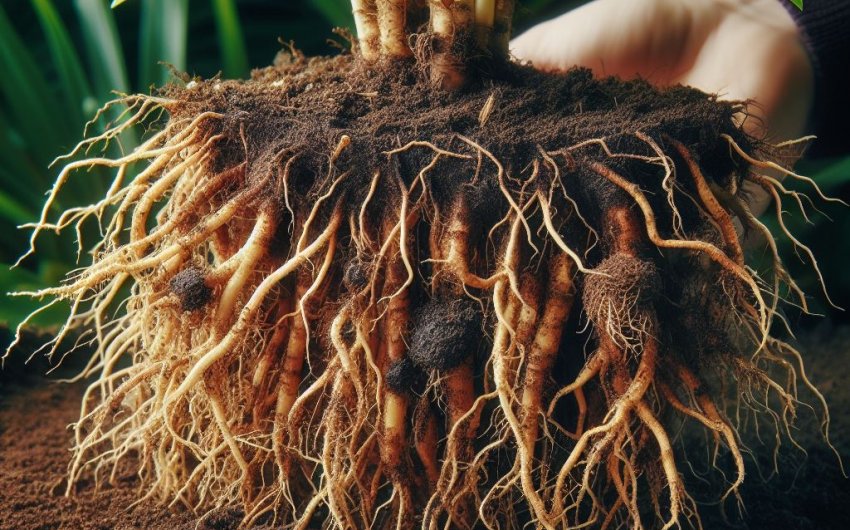
Preventing root rot in plants primarily involves ensuring proper watering practices, using well-draining potting mix and pots with adequate drainage holes, and maintaining good soil aeration. Root rot is a common and often fatal fungal condition caused by consistently wet soil.
What Exactly Is Root Rot and Why Is It So Dangerous?
Root rot is a destructive condition where plant roots begin to decay, usually due to a lack of oxygen caused by excessive moisture in the soil. It's an insidious problem because symptoms often appear above ground, mimicking other issues, making root rescue a critical skill for any plant parent.
How Do I Identify Root Rot in My Plants?
Identifying root rot often requires inspecting the roots directly, as above-ground symptoms can be misleading.
- Above-ground symptoms:
- Wilting leaves: Even though the soil is wet, the plant may appear droopy and lack turgor.
- Yellowing leaves: Often widespread yellowing, sometimes progressing to brown or black.
- Stunted growth: New growth is sparse or nonexistent.
- Soft, mushy stems: The base of the stem might feel soft and discolored.
- Unpleasant odor: The soil or plant may emit a foul, sulfuric smell.
- Root inspection (the definitive test): Gently remove the plant from its pot.
- Healthy roots are firm, white, or light-colored, and may have a fresh earthy smell.
- Rotted roots are mushy, black or brown, slimy, and easily break off. They often smell foul. Early detection is critical for any attempt at root rescue.
What Causes Root Rot to Develop?
Root rot is primarily caused by an imbalance between soil moisture and oxygen availability.
- Overwatering: This is the most common cause. Constantly saturated soil pushes out all the air, depriving roots of oxygen.
- Poor drainage: Pots without drainage holes, or potting mixes that are too dense and retain too much water, contribute significantly.
- Too large a pot: A pot that's too big for the plant's root system holds excessive soil and moisture, leading to prolonged wetness.
- Compact soil: Old, degraded, or compacted potting mix loses its aeration and drainage capabilities.
- Contaminated soil/tools: Fungal spores causing root rot can be introduced via non-sterile tools or infected soil. These conditions create an anaerobic environment where specific water-mold fungi (like Pythium, Phytophthora, and Rhizoctonia) thrive, attacking the suffocating roots.
Why Is Root Rot So Dangerous to Plants?
Root rot is so dangerous because the roots are the lifeline of a plant.
- Loss of water absorption: Damaged roots cannot effectively take up water, leading to dehydration symptoms (wilting, yellowing) even when the soil is wet.
- Loss of nutrient uptake: Roots also absorb essential nutrients. When they rot, nutrient transport is severely impaired, leading to deficiencies.
- Oxygen deprivation: The lack of oxygen in saturated soil directly kills root cells, further exacerbating the problem.
- Systemic spread: The fungi or bacteria causing root rot can sometimes spread up into the stem, leading to stem rot and the plant's eventual collapse. By the time above-ground symptoms are obvious, the damage to the root system is often extensive, making root rescue challenging.
What Are the Best Watering Practices for Preventing Root Rot?
Proper watering is the single most effective strategy for preventing root rot in plants. It's about finding the right balance to keep your plants hydrated without suffocating their roots.
How Do I Determine When My Plant Needs Water?
To effectively prevent root rot, you must determine when your plant genuinely needs water, rather than watering on a fixed schedule.
- Feel the soil: Insert your finger 1-2 inches deep into the soil (deeper for larger pots). If it feels dry, it's likely time to water.
- Use a soil moisture meter: A soil moisture meter provides an objective and accurate reading of moisture levels throughout the pot, which is particularly useful for plants with specific needs or for beginners.
- Lift the pot: Get to know the weight of your pot when dry versus when freshly watered. A light pot usually indicates it's time to water.
- Observe the plant: Some plants show subtle signs of thirst (slight drooping, dullness) before full wilting. Each plant has unique needs; observe and learn its rhythm.
What Is the Proper Way to Water Plants to Avoid Root Rot?
The proper way to water plants to prevent root rot involves thoroughness and allowing for drainage.
- Water deeply and thoroughly: Pour water slowly over the entire soil surface until it starts to drain freely from the bottom of the pot. This ensures the entire root ball is moistened.
- Avoid shallow watering: Small, frequent sips of water encourage shallow root growth, making the plant more vulnerable to drying out or developing surface mold.
- Don't let plants sit in standing water: Always empty the excess water from the drainage saucer within 15-30 minutes after watering. This is crucial for root rescue prevention.
- Water at the base: Aim to water the soil directly, not the leaves, to reduce humidity and fungal issues. A long-spout watering can helps.
How Does Seasonal Watering Adjustment Prevent Root Rot?
Seasonal watering adjustment is vital for preventing root rot. Plants' water needs change dramatically with the seasons.
- Growing season (spring/summer): Plants are actively growing, consuming more water. They will need more frequent watering.
- Dormant season (fall/winter): Growth slows down significantly. Plants need much less water, and overwatering during this period is a leading cause of root rot. Always check the soil and err on the side of underwatering. Adjusting your watering routine to match the plant's metabolic rate and environmental conditions helps ensure ideal soil moisture and effective root rescue through prevention.
How Do Potting Mix and Container Choices Help Prevent Root Rot?
The right potting mix and container are foundational to preventing root rot in plants. They directly impact drainage, aeration, and how well the soil supports healthy root development.
What Kind of Potting Mix Prevents Root Rot?
Choosing the right potting mix is paramount for preventing root rot.
- Well-draining: The mix should allow water to pass through freely, preventing it from becoming waterlogged.
- Good aeration: It should also contain components that maintain air pockets for roots to breathe.
- Avoid garden soil: Never use heavy garden soil in pots, as it compacts easily and retains too much moisture.
- Look for ingredients like:
- Peat moss or coco coir: For moisture retention.
- Perlite or pumice: For drainage and aeration.
- Bark (orchid bark): For excellent drainage and air, especially for epiphytes. A high-quality, specialized potting mix like FoxFarm Ocean Forest Potting Soil is designed for good drainage and aeration. You can often amend general potting mixes with extra perlite for better drainage.
Why Are Drainage Holes Essential for Root Rot Prevention?
Drainage holes in plant pots are absolutely non-negotiable for preventing root rot.
- Allow excess water to escape: Without drainage holes, excess water has nowhere to go and accumulates at the bottom of the pot, creating a permanently waterlogged zone where roots will inevitably rot.
- Ensures aeration: As water drains, air is drawn into the soil, providing vital oxygen to the roots.
- Leaching of salts: Draining water also helps flush out accumulated salts from fertilizers and tap water, which can otherwise harm roots. If your decorative pot lacks drainage holes, always plant in a slightly smaller nursery pot with holes and place it inside the decorative pot.
How Does Proper Pot Size Help Prevent Root Rot?
Proper pot size is crucial for preventing root rot in plants.
- Too large a pot: Holds too much soil relative to the plant's root system. This excess soil stays wet for too long, leading to prolonged moisture around the roots, oxygen deprivation, and root rot.
- Too small a pot: While not directly causing root rot, it can lead to root-bound conditions where water doesn't penetrate the dense root ball effectively, causing dehydration or localized wet spots if not watered carefully. When repotting, choose a pot that is only one size (1-2 inches) larger in diameter than the previous one, allowing for growth without creating an excessive moisture reservoir.
What Environmental Conditions Help Prevent Root Rot?
Beyond watering and potting, certain environmental conditions play a significant role in preventing root rot in plants by influencing soil drying times and overall plant health.
How Does Good Air Circulation Around Plants Help?
Good air circulation around and within your plants helps to prevent root rot by influencing both foliage and soil drying.
- Dries out soil surface: Air movement helps the top layers of soil dry out more quickly, which is beneficial after watering.
- Reduces humidity: Good air flow reduces high humidity around foliage, which prevents fungal diseases (some of which can also affect roots or weaken the plant's defenses).
- Prevents stagnant conditions: Stagnant, humid conditions, especially indoors, contribute to overall dampness that favors fungal growth. Space plants adequately, prune dense foliage to improve airflow, and consider a small fan for indoor plants.
What Role Does Temperature Play in Root Rot Prevention?
Temperature significantly influences a plant's metabolism and how quickly water evaporates from the soil, thus affecting root rot prevention.
- Cool temperatures: In cooler environments, plants use less water, and soil dries out much more slowly. Overwatering in cool conditions is a leading cause of root rot. Always reduce watering frequency in cooler seasons.
- Consistent temperatures: Drastic temperature fluctuations can stress plants, making them more susceptible to disease. Keep plants in temperatures within their optimal range, and be especially mindful of watering when temperatures drop.
Can Proper Light Exposure Help Prevent Root Rot?
Proper light exposure indirectly aids in preventing root rot.
- Increased water usage: Plants in adequate light photosynthesize more efficiently and thus use more water, helping the soil dry out faster between waterings.
- Stronger plants: Healthy plants with good light exposure are generally more vigorous and better able to resist various stresses, including root-attacking fungi.
- Warmer soil: In sunnier spots, the soil surface can warm up more, aiding in evaporation. Ensure your plant receives the correct amount of light for its species, as a plant in too little light will consume water very slowly, increasing its susceptibility to root rot.
What to Do if Root Rot is Suspected or Detected? (Root Rescue Steps)
If you suspect or detect root rot, immediate action is necessary to try and save your plant. This process is a critical part of root rescue.
What Are the Immediate Steps to Take for Root Rescue?
- Stop watering immediately: This is the very first and most crucial step.
- Remove plant from pot: Gently take the plant out of its container to inspect the roots.
- Inspect roots: Carefully brush off as much old soil as possible. Examine the roots for signs of rot (mushy, brown/black, foul smell).
- Prune diseased roots: Using clean, sharp, sterile scissors or a knife (e.g., a soil knife), cut away all soft, rotten, or discolored roots. Cut back to firm, healthy tissue. Sterilize your tool between cuts.
- Rinse roots: If possible, gently rinse the remaining healthy roots under lukewarm water to remove any lingering pathogens. These steps are fundamental to root rescue and preventing further spread.
How Do I Repot a Plant After Root Rot Treatment?
After trimming diseased roots, repotting correctly is vital for recovery.
- Clean or replace pot: If reusing the old pot, wash it thoroughly with hot, soapy water and then sterilize it with a 10% bleach solution to kill any remaining fungal spores. Ideally, use a new, clean pot.
- Choose appropriate pot size: Select a pot that is appropriately sized for the remaining healthy root system. It might be smaller than the original pot.
- Use fresh, sterile potting mix: Fill the new pot with a well-draining, sterile potting mix.
- Repot gently: Place the plant in the new pot, ensuring the crown is at the same level as before. Backfill with new soil, gently firming it around the roots.
- Delay watering: Do NOT water immediately after repotting. Give the damaged roots a few days to heal before introducing moisture.
What Care Is Needed for a Recovering Plant After Root Rot?
A plant recovering from root rot needs special care and vigilance.
- Water sparingly: Water only when the top 2-3 inches of soil are dry (or more, depending on the plant). Use a soil moisture meter to be precise.
- Provide good light: Give the plant bright, indirect light to encourage recovery, but avoid intense, direct sun.
- Avoid fertilizing: Do not fertilize a stressed plant; wait until new, healthy growth appears.
- Monitor closely: Keep a close eye on the plant for any returning symptoms or new problems.
- Patience: Recovery can take weeks or even months, and heavily damaged plants may not survive, but with proper root rescue and care, many can bounce back.
Preventing root rot in plants is ultimately about attentive, appropriate plant care. By understanding the causes, implementing sound watering practices, choosing the right potting materials, and creating an optimal environment, you can protect your plants from this destructive issue and ensure their roots remain healthy and strong.