
Dealing with Common Lawn Pests: Prevention and Control Strategies
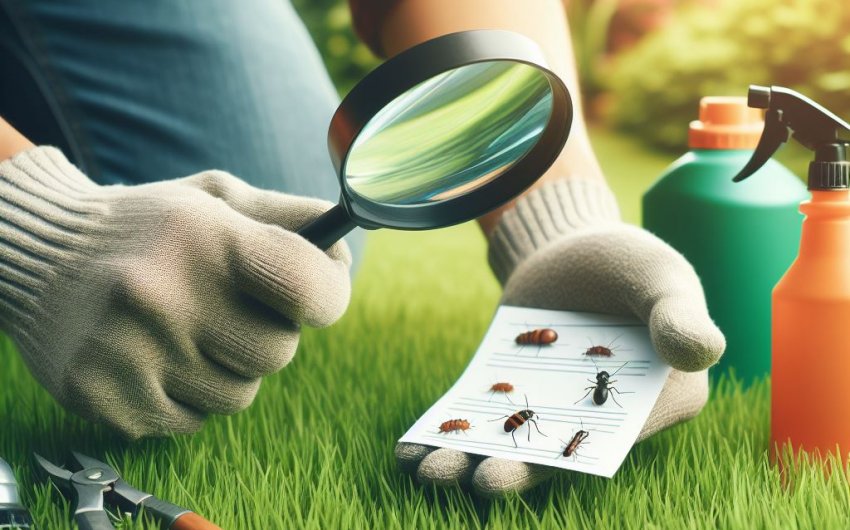
Dealing with common lawn pests effectively starts with proactive prevention strategies that promote a healthy, resilient lawn. When infestations occur, integrated control methods, including cultural practices, organic treatments, and targeted insecticides, are crucial for minimizing damage and restoring your turf.
Why is a healthy lawn the best defense against common lawn pests?
A healthy lawn is unequivocally the best defense against common lawn pests because vigorous, well-maintained turf can naturally resist or recover from insect attacks much more effectively than a stressed, weak lawn. Implementing strong prevention and control strategies through good cultural practices reduces pest appeal and damage.
How a healthy lawn resists pests:
- Strong Root System:
- Impact: Deep, extensive roots allow grass to absorb more water and nutrients, making it more resilient to the feeding damage of root-munching pests like grubs.
- How to achieve: Proper watering (deep and infrequent), regular aeration, and feeding the soil with organic matter.
- Dense Turf:
- Impact: Thick, lush grass creates a physical barrier that makes it harder for pests to access the soil surface to lay eggs or for young nymphs to emerge and thrive. It also outcompetes weeds that can harbor pests.
- How to achieve: Overseeding regularly, proper fertilization, and mowing at the correct height.
- Stress Resistance:
- Impact: Healthy grass is less susceptible to environmental stresses (drought, heat, cold) that can weaken it and make it more vulnerable to opportunistic pests.
- How to achieve: Matching grass type to climate, correct mowing height, adequate water.
- Beneficial Microorganisms:
- Impact: Healthy soil rich in organic matter supports a diverse ecosystem of beneficial microbes and insects that can naturally suppress pest populations.
- How to achieve: Using organic fertilizers, top-dressing with compost, and avoiding broad-spectrum pesticides.
- Faster Recovery:
- Impact: Even if pests cause some damage, a healthy lawn has the resources to recover and fill in bare spots more quickly.
- How to achieve: All the above practices combined.
What are the most common lawn pests I need to watch out for?
To effectively deal with common lawn pests, you first need to know what to look for. Recognizing the signs and characteristics of the most frequent culprits attacking lawns allows for early detection and targeted prevention and control strategies, minimizing damage to your turf.
Top 5 most common lawn pests:
- Grubs (Larvae of Japanese Beetles, European Chafers, etc.):
- Appearance: C-shaped, creamy white larvae with brown heads, typically 1/2 to 1 inch long. Found just below the soil surface.
- Damage: Irregular brown patches of dying grass that can be rolled back like a rug (because roots are eaten). Increased bird and skunk activity (feeding on grubs).
- Life Cycle: Eggs laid in summer, larvae feed in late summer/early fall, overwinter, feed again in spring, then emerge as beetles in summer. Damage is most visible in late summer/early fall.
- Diagnosis: Cut a 1 sq ft section of turf, peel it back, and count grubs. More than 10-15 per sq ft indicates a problem.
- Chinch Bugs:
- Appearance: Tiny (1/8-inch), black insects with white diamond-shaped markings on their wings (adults). Reddish-brown nymphs.
- Damage: Irregular yellow to brown patches that appear during hot, dry weather, often in full sun. Grass blades look wilted and don't respond to watering.
- Life Cycle: Several generations per year. They use piercing-sucking mouthparts to extract sap, injecting a toxin.
- Diagnosis: Push a bottomless coffee can into the affected turf, fill with water. Chinch bugs will float to the surface within 5-10 minutes.
- Sod Webworms:
- Appearance: Small (3/4 to 1 inch), grayish-green caterpillars with dark spots. Live in silk-lined tunnels at the soil surface.
- Damage: Irregular patches of grass that look scalped or ragged. Grass blades have chewed edges. Moths (adults) fly low over the lawn in zig-zag patterns at dusk.
- Life Cycle: Multiple generations per year. Larvae feed at night.
- Diagnosis: Pour soapy water over a small area of affected lawn. Larvae will often come to the surface.
- Armyworms:
- Appearance: Green, brown, or black caterpillars, 1-1.5 inches long, often with stripes along their sides.
- Damage: Cause widespread defoliation, giving grass a "mowed" look, but they feed quickly and move in "armies." Can rapidly strip a lawn.
- Life Cycle: Several generations per year, often appearing in late summer/early fall.
- Diagnosis: Inspect grass blades and under thatch, especially after suspected moth activity.
- Ants:
- Appearance: Small, black, red, or brown ants.
- Damage: While generally not direct threats to grass, large ant hills can disrupt root systems, create bare spots, and be a nuisance. Fire ants are a stinging hazard.
- Diagnosis: Visible ant hills.
What are the best cultural practices for preventing lawn pest infestations?
The best cultural practices are your first line of defense against common lawn pests, acting as crucial prevention strategies that foster a resilient and unappealing environment for insects. By consistently maintaining a healthy lawn, you drastically reduce its vulnerability to infestations.
Top cultural practices for pest prevention:
- Mow at the Correct Height (Taller is Better):
- Practice: Set your mower blade to the highest recommended setting for your grass type (typically 2.5 to 3.5 inches). Never remove more than 1/3 of the blade in one mowing.
- Why it prevents pests: Taller grass promotes deeper root growth (resilience to root feeders), shades the soil (discourages some pests like chinch bugs), and creates a less hospitable environment for pests to lay eggs.
- Water Deeply and Infrequently:
- Practice: Apply 1 inch of water once or twice a week, rather than daily shallow watering. Water in the early morning.
- Why it prevents pests: Encourages deep root growth, making grass more drought-tolerant and less stressed (stressed plants attract pests). Avoids constantly wet conditions that favor fungus gnats and some fungal diseases.
- Fertilize Smartly (and Organically):
- Practice: Conduct a soil test kit to determine needs. Use organic lawn fertilizers that feed the soil, promoting slow, steady growth rather than rapid, succulent growth that attracts sap-sucking pests.
- Why it prevents pests: Healthy soil supports a diverse microbial ecosystem that can naturally suppress pests. Balanced nutrients build resilient grass.
- Overseed Regularly:
- Practice: Overseed thinning areas annually or bi-annually, especially in fall for cool-season grasses.
- Why it prevents pests: A dense, thick lawn physically crowds out weeds and makes it harder for pests to establish.
- Aerate Annually:
- Practice: Perform core aeration, especially on compacted lawns. Use a manual core aerator for small lawns.
- Why it prevents pests: Improves air, water, and nutrient penetration, leading to stronger roots and a healthier lawn less susceptible to root-feeding pests.
- Dethatch When Necessary:
- Practice: Remove excessive thatch (over 1/2 inch thick) using a dethatching rake or power dethatcher.
- Why it prevents pests: Excessive thatch can harbor insects and block water/air.
- Remove Grass Clippings (Sometimes):
- Practice: While grasscycling (leaving clippings) is generally good, if you have an active pest problem or particularly wet conditions, bagging clippings can remove pest eggs/larvae.
- Clean Up Debris:
- Practice: Remove leaf piles, old firewood, and other yard debris where pests can overwinter.
What organic control strategies are effective against common lawn pests?
When cultural practices aren't enough, employing organic control strategies is an excellent approach to dealing with common lawn pests while minimizing environmental impact. These prevention and control strategies leverage natural solutions to protect your lawn without resorting to harsh chemicals.
Top organic pest control strategies:
- Beneficial Nematodes:
- What they are: Microscopic, soil-dwelling roundworms that are natural parasites of many soil-dwelling insect pests. Specific species target specific pests.
- Effective against: Grubs, cutworms, sod webworms, flea larvae, armyworms.
- Application: Apply as a drench to moist soil. Purchase beneficial nematodes for grub control online or at garden centers.
- Tips: Apply in the evening or on a cloudy day, and water well before and after application.
- Milky Spore (for Japanese Beetle Grubs):
- What it is: A naturally occurring bacteria (Paenibacillus popilliae) that infects and kills Japanese beetle grubs.
- Effective against: Specifically Japanese beetle grubs.
- Application: Apply as a powder to the lawn. It establishes slowly but provides long-term control (up to 10-15 years) once established.
- Tips: Best applied in late summer/early fall.
- Neem Oil:
- What it is: A natural plant-derived oil that acts as an antifeedant, repellent, and insect growth disruptor.
- Effective against: Can deter chinch bugs, sod webworms, armyworms, and some other foliar pests.
- Application: Dilute cold-pressed neem oil with water and a few drops of mild soap. Apply as a spray to affected areas.
- Tips: Apply in the early morning or evening. More effective as a preventative or early intervention.
- Diatomaceous Earth (DE):
- What it is: A natural powder made from fossilized diatoms, which are tiny, sharp particles.
- Effective against: Insects with exoskeletons (e.g., ants, some mites). Dries out and cuts pests.
- Application: Sprinkle food-grade diatomaceous earth in dry conditions where pests are active (e.g., ant hills).
- Tips: Becomes ineffective when wet. Use a mask when applying.
- Insecticidal Soap (for surface feeders):
- What it is: A fatty acid-based soap that smothers soft-bodied insects.
- Effective against: Soft-bodied surface pests like small aphids (if present on grass), chinch bugs (if directly sprayed).
- Application: Mix and apply as a spray. Look for insecticidal soap for lawns.
- Tips: Only works on contact, so thorough coverage is necessary.
- Encourage Natural Predators:
- Strategy: Plant diverse flowering plants in adjacent garden beds to attract beneficial insects (ladybugs, lacewings, parasitic wasps) that prey on common lawn pests.
- Impact: A natural, self-regulating pest control system.
When are targeted chemical insecticides necessary for severe lawn pest infestations?
While organic and cultural methods are preferred, targeted chemical insecticides may sometimes be necessary as a last resort for severe lawn pest infestations, particularly when pest populations are causing significant, widespread damage that threatens the survival of your lawn. These control strategies should be used cautiously and precisely.
When to consider targeted chemical insecticides:
- Confirmed Severe Infestation:
- Criteria: You've accurately identified the pest, confirmed a population exceeding damage thresholds (e.g., more than 10-15 grubs per sq ft, or extensive chinch bug damage not responding to water).
- Impact: The pest population is large enough to cause significant, ongoing turf damage.
- Failure of Other Methods:
- Criteria: You've diligently applied cultural practices and organic control strategies, but the pest problem persists and continues to worsen.
- High-Value Turf:
- Criteria: For lawns where maintaining pristine condition is critical, and early intervention is desired to prevent any visible damage.
Key considerations for using targeted chemical insecticides:
- Accurate Identification is CRITICAL:
- Never apply a pesticide without knowing exactly what pest you're targeting. Different insecticides work on different pests. Misapplication is ineffective and potentially harmful.
- Choose the RIGHT Product (Targeted, Not Broad-Spectrum):
- Recommendation: Look for insecticides specifically labeled for the pest you have (e.g., "Grub Killer," "Chinch Bug Control"). Avoid broad-spectrum products that kill all insects, including beneficial ones.
- Active Ingredients: Research active ingredients (e.g., chlorantraniliprole for grubs is often less harmful to beneficials than some older compounds).
- Timing is Everything:
- Crucial: Insecticides are most effective when applied at the correct stage of the pest's life cycle.
- Grubs: Typically late summer/early fall when young grubs are actively feeding, or in spring. Pre-emergents are applied in spring before eggs hatch.
- Chinch Bugs: When young nymphs are actively feeding in hot, dry weather.
- Impact: Mis-timed applications are wasteful and ineffective.
- Crucial: Insecticides are most effective when applied at the correct stage of the pest's life cycle.
- Read and Follow Label Directions Precisely:
- CRITICAL for Safety & Effectiveness: This is a legal document. Adhere strictly to application rates, methods, safety precautions (wear gloves, eye protection), re-entry intervals (time to stay off lawn), and instructions for watering.
- Impact: Protects you, your family, pets, and the environment.
- Water After Granular Application:
- Method: Water in granular insecticides immediately after application to move the product into the soil where pests live.
- Spot Treat vs. Entire Lawn:
- Recommendation: If the infestation is localized, consider spot treatment only to minimize chemical use.
- Consider Professional Help:
- If the problem is severe, recurring, or you're unsure of diagnosis/treatment, consult a local extension agent or a certified lawn care professional.
How do I manage animal pests like voles, moles, and skunks on my lawn?
Managing animal pests like voles, moles, and skunks on your lawn requires different prevention and control strategies than insect pests, as these animals cause damage through tunneling, digging, and feeding. Understanding their behavior is key to minimizing their impact on your turf.
Strategies for managing animal lawn pests:
- Voles (Meadow Mice):
- Damage: Create surface runways (tunnels) through the grass, especially under snow cover. Gnaw on bark of trees/shrubs.
- Prevention/Control:
- Eliminate Cover: Keep grass mowed, remove heavy mulch or dense groundcovers near lawn edges.
- Trapping: Use snap traps baited with peanut butter or apple, placed in active runways under cover.
- Repellents: Some granular repellents (castor oil-based) can deter them, but effectiveness varies.
- Encourage Predators: Owls, hawks, snakes, foxes.
- Moles:
- Damage: Create raised tunnels (ridges) across the lawn as they search for food, and sometimes molehills (volcano-shaped mounds of soil). They don't eat grass roots, but their tunneling can damage them.
- Prevention/Control:
- Reduce Food Source: Control grubs and other soil insects (moles' primary diet) using grub control products. This is often the most effective long-term solution.
- Trapping: Specialized mole traps (spear, scissor, or choker loop) are highly effective but require careful placement.
- Repellents: Castor oil-based granular repellents can deter them, but need consistent application.
- Lawn Rollers (Caution!): Rolling can temporarily flatten tunnels but further compacts soil, which is bad for grass.
- Skunks:
- Damage: Dig small, cone-shaped holes or divots in the lawn, especially in late summer/early fall. They are foraging for grubs and other soil insects.
- Prevention/Control:
- Eliminate Food Source: The most effective method is to control grubs in your lawn. Without a food source, skunks will move elsewhere.
- Exclusion: Fences buried 6-12 inches deep can deter them from garden beds, but often impractical for entire lawns.
- Repellents: Lightly scattering cayenne pepper or other irritants near digging spots might deter them temporarily.
- Motion-Activated Lights/Sprinklers: Can startle them away.
- Raccoons:
- Damage: Similar to skunks, they will roll back sections of turf or dig in search of grubs and insects, or for overturned trash cans.
- Prevention/Control: Similar strategies to skunks: grub control is paramount. Secure trash cans.
- Deer:
- Damage: While primarily grazers, deer can eat grass, leave droppings, and cause damage by rubbing antlers on small trees.
- Prevention/Control:
- Fencing: The most effective but often impractical for an entire lawn.
- Repellents: Commercial deer repellents (often taste or scent-based) need frequent reapplication.
- Deterrents: Motion-activated sprinklers.
Successfully dealing with common lawn pests requires a comprehensive approach of prevention and control strategies. By prioritizing a healthy lawn, leveraging cultural practices, utilizing organic solutions when possible, and employing targeted chemical interventions only when truly necessary, you can protect your turf from insect damage and maintain a beautiful, resilient landscape.