
Insects in Soil Identification: Beneficial and Harmful Bugs
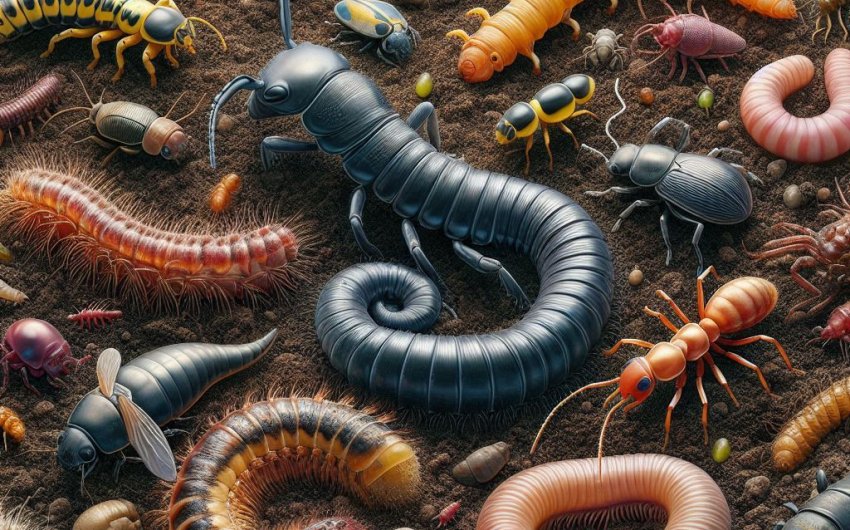
Understanding the tiny inhabitants beneath our feet is a crucial aspect of successful gardening and farming. The soil is a bustling ecosystem, home to a diverse array of organisms, including countless insects. Learning about insects in soil identification can help you differentiate between the allies that enrich your soil and protect your plants, and the unwelcome guests that can cause damage. This knowledge empowers you to foster a healthy, thriving garden environment without resorting to harmful chemicals.
What are the key characteristics of beneficial soil insects?
Beneficial insects in soil identification often means looking for creatures that contribute positively to the soil ecosystem and plant health. These tiny workers perform vital roles that support healthy plant growth and nutrient cycling.
They are Decomposers:
- Many beneficial soil insects, along with other organisms like fungi and bacteria, are primary decomposers. They break down organic matter such as dead leaves, roots, and decaying plant material.
- This decomposition process releases essential nutrients back into the soil, making them available for plants to absorb. It also helps create humus, a stable form of organic matter that improves soil structure, water retention, and aeration.
- Examples include springtails, millipedes, and some types of beetle larvae.
They Improve Soil Structure:
- As these insects tunnel through the soil, they create intricate networks of pores. These tunnels improve soil aeration, allowing oxygen to reach plant roots and beneficial microorganisms.
- Their movement also enhances water infiltration, meaning water can penetrate the soil more easily, reducing runoff and making more water available to plants.
- This activity helps to break up compacted soil, creating a looser, more hospitable environment for root growth.
- Earthworms (though not insects, they are vital soil engineers) and certain ant species are excellent at this.
They are Predators of Pests:
- Some beneficial soil insects are natural predators that feed on pest insects or their eggs and larvae, helping to keep pest populations in check. This biological control reduces the need for chemical pesticides.
- These predators often reside in the soil during certain life stages or hunt for soil-dwelling pests.
- Key examples include ground beetles and rove beetles.
They Aid in Nutrient Cycling:
Advertisement- Beyond decomposition, beneficial insects contribute directly and indirectly to nutrient cycling. Their waste products (frass) add nutrients to the soil.
- Some insects move organic matter deeper into the soil profile, distributing nutrients throughout different layers.
- Their overall activity fosters a healthy microbial community, which is essential for nutrient transformation.
They Promote Plant Health Indirectly:
- By improving soil structure, enhancing nutrient availability, and controlling pests, beneficial soil insects create an optimal environment for plants to thrive.
- Healthy soil leads to strong, resilient plants that are better able to resist diseases and environmental stresses.
How can you identify common beneficial insects in your soil?
Spotting the good guys among the garden inhabitants is easier when you know what to look for. Here's how to identify some of the most common and helpful insects in soil identification.
Springtails (Order Collembola):
- Appearance: These are tiny, usually (0.2)-(5\text{ mm}) long, white, grey, or dark-colored insects. They have a distinctive, tail-like appendage (furcula) tucked underneath their abdomen, which allows them to "spring" into the air when disturbed.
- Behavior: They are often found in large numbers in moist, organic-rich soil or decaying plant matter. They move rapidly.
- Role: Excellent decomposers, feeding on decaying vegetation, fungi, and bacteria. They play a vital role in breaking down organic matter and nutrient cycling. They rarely harm living plants.
- Sign: Abundant springtails indicate a healthy, active soil ecosystem with plenty of organic matter.
Ground Beetles (Family Carabidae):
- Appearance: Adults are typically shiny black or metallic, flattened, and fast-moving, ranging from (5)-(25\text{ mm}) long. They have prominent jaws. Larvae are dark-colored, worm-like with distinct legs and jaws.
- Behavior: Mostly nocturnal, they hide under rocks, logs, or in soil cracks during the day. They are quick runners.
- Role: Voracious predators of slugs, snails, cutworms, cabbage maggots, root maggot larvae, and other soil-dwelling pests. Both adult beetles and their larvae are beneficial.
- Sign: Their presence signifies natural pest control in your garden. You might spot them scurrying away when you dig. Consider investing in a ground beetle trap if you want to observe them more closely without harming them.
Rove Beetles (Family Staphylinidae):
- Appearance: Elongated, slender beetles, (3)-(25\text{ mm}) long, with very short wing covers that expose most of their abdomen. They often hold their abdomen curled upwards. Colors vary but are frequently dark.
- Behavior: Extremely fast runners and often fly. They are found in diverse habitats, including soil, leaf litter, and compost piles.
- Role: Active predators of many soft-bodied insects, including aphids, mites, springtails, slugs, and fly larvae (like root maggots). They are also helpful in breaking down decaying matter.
- Sign: Their swift movement and "scorpion-like" tail-curling are good indicators.
Millipedes (Class Diplopoda):
- Appearance: Long, segmented, cylindrical bodies with two pairs of legs per body segment (not hundreds, despite the name). They vary in color (brown, black, reddish) and size, from a few millimeters to several centimeters. They move slowly.
- Behavior: Prefer moist, dark environments. They curl into a tight coil when disturbed.
- Role: Primary decomposers, feeding on decaying plant material, fungi, and algae. They help break down organic matter and recycle nutrients. They are generally harmless to living plants unless present in extremely high numbers when food is scarce, but this is rare.
- Sign: Often found under mulch, logs, or in rich compost.
Ants (Family Formicidae):
- Appearance: Highly variable in size and color (black, red, brown). Recognized by their distinct "waist" and elbowed antennae.
- Behavior: Live in organized colonies, building extensive tunnel systems in the soil.
- Role: While some species can be pests (e.g., those farming aphids), many are beneficial. They aerate the soil by tunneling, transport organic matter, prey on other insects (including some pests), and help in seed dispersal.
- Sign: Their presence often indicates good soil aeration and a natural cleanup crew. However, large ant mounds around plant roots can sometimes be problematic.
Larvae of Beneficial Insects (General):
- Many beneficial insects have soil-dwelling larval stages that are active predators. These can be harder to identify definitively but are often found when digging.
- Look for grub-like creatures that are fast-moving or have prominent legs and jaws, which suggests a predatory nature (e.g., ground beetle larvae, rove beetle larvae). In contrast, slower, C-shaped grubs are often herbivorous pests.
When exploring your garden, a hand lens or magnifying glass can be incredibly useful for close-up inspection of these tiny creatures.
What characterizes harmful insects in soil?
Harmful insects in soil identification involves recognizing pests that directly or indirectly damage plants by feeding on roots, stems, or disrupting nutrient uptake. These unwelcome guests can cause stunted growth, wilting, and even plant death.
They Feed on Plant Roots:
- Many of the most damaging soil insects are herbivores that specifically target plant roots. Root damage prevents plants from absorbing water and nutrients efficiently, leading to wilting, yellowing, and stunted growth even when moisture is adequate.
- Severely damaged roots can also make plants more susceptible to diseases.
- Common culprits include grubs (larvae of beetles), wireworms, and root maggots.
They Damage Stems at Soil Level:
- Some pests target the plant stem just above or below the soil line. This "cutting" action can cause young seedlings to fall over, leading to their demise.
- Cutworms are classic examples of insects that sever stems at the soil surface.
They Create Unfavorable Soil Conditions:
- While not as common as direct feeding, some pest activities can indirectly harm plants. For example, large populations of certain ant species can create extensive tunnel systems that disturb plant roots or move soil around, affecting soil structure.
- Other pests might introduce disease pathogens into the soil or directly into plant roots.
They Have High Reproductive Rates:
- Harmful insects often have high reproductive rates, allowing their populations to grow rapidly and cause significant damage in a short period if not controlled.
They are Often Larval Stages:
- Many adult insects that are not typically considered soil pests (e.g., various beetles, flies) lay their eggs in the soil, and it is their larval stages that cause the primary damage by feeding on roots. Identifying these larval forms is crucial for proper pest management.
How do you identify common harmful insects in your soil?
Distinguishing between beneficial bugs and those that will munch on your plants is essential for effective garden management. Here's how to identify some common harmful insects in soil identification.
White Grubs (Larvae of Japanese Beetles, European Chafers, June Bugs):
- Appearance: C-shaped, creamy white larvae with a brown head and six legs near the head, usually (1.5)-(2.5\text{ cm}) long.
- Damage: They feed on grass roots and the roots of many garden plants, leading to wilting, yellowing, and patches of turf that can be easily pulled back like a carpet. You'll find them just below the soil surface, especially in spring and late summer.
- Sign: Wilting plants in seemingly moist soil, or turf that feels spongy and can be lifted. When you dig, you'll see the distinct C-shaped grubs.
- Control: Applying milky spore for Japanese beetle grubs or beneficial nematodes like Grub-Away Nematodes can help.
Wireworms (Larvae of Click Beetles):
- Appearance: Slender, hard-bodied, shiny, yellowish-brown worms, typically (1.5)-(4\text{ cm}) long. They resemble pieces of wire.
- Damage: They bore into seeds, plant stems (especially corn, potatoes, carrots, and other root crops), and roots. Damage includes poor germination, stunted growth, and tunnels in tubers.
- Sign: Tunnels in root vegetables or seedlings suddenly wilting and dying for no apparent reason. When digging, you'll find the hard, shiny "worms."
- Control: Crop rotation, avoiding planting susceptible crops in affected areas, and using wireworm traps (baited with potato pieces) can help.
Cutworms (Larvae of Moths):
- Appearance: Plump, dull gray, brown, or black caterpillars, (2.5)-(5\text{ cm}) long. They curl into a tight C-shape when disturbed.
- Damage: They cut down young seedlings at the soil line during the night. Some species are "climbing cutworms" that feed on leaves and buds.
- Sign: Seedlings cleanly severed at the base, often lying next to the stub. You might find them curled in the soil near the damaged plant during the day.
- Control: Use "cutworm collars" around young plants (e.g., cardboard tubes or plastic rings) or apply diatomaceous earth around plant bases.
Root Maggots (Larvae of various Flies, e.g., Cabbage Maggot, Onion Maggot):
- Appearance: Small, white or yellowish, legless, headless maggots (larvae), typically (0.5)-(1\text{ cm}) long.
- Damage: They burrow into the roots and underground stems of vegetables like cabbage, broccoli, radishes, onions, and carrots, causing wilting, stunting, and rot.
- Sign: Wilting plants, especially in cool, moist weather, and yellowing foliage. When digging up affected plants, you'll find the small maggots feeding on the roots, often accompanied by rot.
- Control: Use row covers to prevent adult flies from laying eggs, practice crop rotation, and avoid planting susceptible crops in heavily infested areas.
Fungus Gnat Larvae (Larvae of Fungus Gnats):
- Appearance: Tiny, clear or whitish, worm-like larvae with a shiny black head, about (0.5)-(1\text{ cm}) long. The adults are small, dark, mosquito-like flies that hover around plants.
- Damage: Primarily a problem in potted plants or high-organic indoor gardens. Larvae feed on algae, fungi, and decaying organic matter in the soil, but in high numbers, they can also chew on fine root hairs, especially on young seedlings, causing stunting or wilting.
- Sign: Adult gnats flying around plants, and when you disturb the soil surface, you might see tiny larvae. Yellowing leaves and stunted growth on seedlings.
- Control: Allow the soil to dry out between waterings, use yellow sticky traps for adults, and apply beneficial nematodes (Steinernema feltiae).
Pillbugs/Sowbugs (Isopods):
- Appearance: Gray, segmented, oval-shaped crustaceans. Pillbugs can roll into a ball; sowbugs cannot. Both are typically (1)-(1.5\text{ cm}) long.
- Damage: While primarily decomposers that feed on decaying organic matter, large populations can occasionally chew on tender seedlings or soft fruits (like strawberries) that are in contact with the soil, especially during dry periods when preferred food sources are scarce.
- Sign: Small, ragged holes in leaves or fruits near the ground, especially in moist areas.
- Control: Keep decaying matter away from young plants, reduce moisture around susceptible crops, and consider Sluggo Plus bait which targets these as well.
Remember, seeing a few of these potentially harmful insects doesn't necessarily mean an infestation. A healthy soil ecosystem often has a balance, where beneficial insects and other organisms help keep pest populations in check. Only intervene if you see significant plant damage.
How can you test for insects in your soil?
Knowing how to test for insects in soil identification is the first step in deciding whether intervention is needed. There are a few simple methods you can use to get an idea of who's living beneath the surface.
The "Dig and Look" Method:
- How To: Choose a suspected area (e.g., where plants are wilting, or grass is dying) or just a random spot in your garden. Dig a square section of soil, about (15\text{ cm}) ((6\text{ inches})) deep and wide.
- What To Do: Gently break apart the soil clods and spread the soil thinly on a piece of cardboard, an old tray, or a plastic sheet. Carefully examine the soil for any insects, larvae, or eggs. Look for movement.
- What To Look For: Count and identify any grubs, wireworms, cutworms, or other suspicious insects. Note their size, color, and shape. Also, look for beneficial insects like ground beetles or springtails.
- Frequency: Do this periodically, especially in spring and late summer when many soil pests are active.
The "Potato Trap" Method (for Wireworms and Grubs):
- How To: Cut a raw potato (or carrot) into several chunks. Bury these chunks about (5)-(10\text{ cm}) ((2)-(4\text{ inches})) deep in the soil in areas where you suspect wireworms or grubs. Mark the spots with a small stick.
- What To Do: After 2-3 days, dig up the potato pieces and examine them for insects feeding on them.
- What To Look For: Wireworms will burrow into the potato; grubs may be found around it. This method helps to concentrate them for easier inspection.
- Benefit: This is a good indicator of the presence of these specific pests and can also be used as a minor control method by removing the trapped pests.
The "Soapy Water Flush" Method (for Surface Dwellers and Shallow Borers):
- How To: Choose a small area of soil (e.g., (30\text{ cm}) by (30\text{ cm}) or (1\text{ foot}) by (1\text{ foot})). Mix a few tablespoons of mild dish soap (biodegradable is best) into a gallon of water. Pour this solution slowly and evenly over the chosen area.
- What To Do: Wait for 5-10 minutes. The soap irritates and forces many soil-dwelling insects to come to the surface.
- What To Look For: Watch for insects like cutworms, grubs (if close to the surface), armyworms, or even ants that emerge.
- Caution: Use this method sparingly and ensure the soap solution is very diluted, as too much soap can potentially harm some beneficial microbes or plants. Rinse the area with plain water afterwards.
Observation of Plant Symptoms:
- While not a direct "test" for insects in the soil, observing your plants closely is often the first clue.
- Wilting or Stunting: If plants are wilting even when adequately watered, or are significantly stunted compared to others, this can indicate root damage by soil pests.
- Yellowing Foliage: Nutrient deficiencies caused by root damage can lead to yellowing leaves.
- Holes or Tunnels in Root Crops: If you're harvesting root vegetables (carrots, potatoes, radishes) and notice holes or tunnels, this is a clear sign of wireworms, root maggots, or grubs.
- Severed Seedlings: If young plants are cut off at the soil line, cutworms are the likely culprits.
Using a Sieve or Tray:
- How To: Dig up a section of soil, place it in a large bucket, and break up any large clumps. Then, spread small amounts of the soil onto a light-colored tray or a fine-mesh soil sieve.
- What To Do: Carefully sift through the soil, picking out any insects. The light color of the tray makes it easier to spot darker insects.
- Benefit: This method is good for finding smaller insects like springtails or tiny larvae that might be missed in a direct "dig and look."
These tests provide valuable insights into your soil's hidden world. Regular monitoring helps you identify potential problems early, allowing for timely and targeted interventions.
How can you manage harmful insects in soil using organic methods?
Once you've completed your insects in soil identification and confirmed the presence of harmful pests, organic management methods prioritize ecological balance and minimize harm to beneficial organisms and the environment.
Promote Soil Health:
- Healthy soil is resilient soil. Rich, vibrant soil, full of organic matter and beneficial microorganisms, naturally suppresses pest populations.
- Add Organic Matter: Incorporate compost, aged manure, or leaf mold into your garden beds. This improves soil structure, water retention, and provides food for beneficial soil organisms that compete with or prey on pests.
- Avoid Compaction: Reduce walking on garden beds and avoid heavy tilling, which can destroy beneficial soil structure and disrupt insect habitats.
- Proper Watering: Overwatering can create damp conditions favored by some pests (like root maggots and fungus gnats). Water deeply but less frequently, allowing the soil to dry out slightly between waterings.
Encourage Beneficial Insects:
- The best long-term strategy is to invite natural enemies into your garden.
- Provide Habitat: Create areas with diverse plants, especially those that provide nectar and pollen for adult beneficial insects (e.g., dill, fennel, cilantro, cosmos, marigolds).
- Avoid Broad-Spectrum Pesticides: These chemicals kill indiscriminately, often harming beneficial insects more than pests.
- Introduce Beneficial Nematodes: These microscopic, worm-like organisms (e.g., Steinernema feltiae for fungus gnats, Heterorhabditis bacteriophora for grubs and wireworms) are natural parasites of many soil-dwelling pests. They are safe for plants, pets, and humans. You can buy beneficial nematodes online and apply them according to instructions.
Cultural Controls:
- Crop Rotation: Do not plant the same crops in the same spot year after year. Rotating crops disrupts the life cycle of soil-dwelling pests that specialize in certain plants.
- Timely Planting: Plant seedlings when they are strong enough to withstand minor pest pressure, or slightly earlier/later than pest activity peaks.
- Use Row Covers: For root maggots and cutworms, placing floating row covers over susceptible young plants can prevent adult flies/moths from laying eggs in the soil near them.
- Remove Plant Debris: Clear away dead or diseased plant material that can harbor pests or provide overwintering sites.
- Tilling (Limited and Strategic): While generally discouraged for soil health, a shallow till in late fall or early spring can expose some grubs or pupae to freezing temperatures or predators. Use sparingly.
Physical Barriers and Traps:
- Cutworm Collars: For young seedlings, create collars from cardboard, toilet paper rolls, or plastic cups (with the bottom cut out) and place them around the stem, extending a few inches into the soil and above. This prevents cutworms from severing the stem.
- Sticky Traps: Yellow sticky traps can help monitor and reduce adult fungus gnats and other flying pests.
- Hand Picking: For larger pests like grubs or wireworms found during digging, simply hand-pick and dispose of them (e.g., drop them in soapy water).
Organic Sprays and Dusts (Targeted Use):
- Diatomaceous Earth (DE): A natural, abrasive powder made from fossilized diatoms. When applied around the base of plants, it can dehydrate and kill soft-bodied insects like cutworms and sowbugs as they crawl over it. Ensure you use food-grade DE for gardening.
- Neem Oil: An extract from the neem tree. While often used for foliar pests, it can also deter some soil pests as a drench (e.g., fungus gnats). It works as a growth disruptor and repellent. Always follow product instructions for neem oil spray.
- Beneficial Fungi (e.g., Beauveria bassiana): Some biological insecticides contain fungi that are pathogenic to insects, causing disease. These can be watered into the soil to target certain pests.
Key Principle: The goal is not to eliminate all harmful insects, but to maintain their populations at levels that do not cause significant damage to your plants, allowing the beneficial insects to do their job and create a naturally balanced ecosystem.
How can you create a balanced soil ecosystem to manage insects?
Creating a balanced soil ecosystem is the most sustainable and effective long-term strategy for managing insects in soil identification, naturally promoting beneficial populations while discouraging harmful ones. It’s about building a living, breathing foundation for your plants.
Prioritize Organic Matter:
- Continuous Input: The bedrock of a healthy soil ecosystem is a constant supply of organic matter. This includes compost, mulch (wood chips, straw, shredded leaves), cover crops, and crop residues.
- Food Source: Organic matter provides the primary food source for a vast array of beneficial soil microorganisms (bacteria, fungi) and detritivores (like earthworms, springtails, millipedes). These decomposers are the foundation of the soil food web.
- Improved Structure: As organic matter breaks down, it creates humus, which aggregates soil particles, improving soil structure, aeration, and water retention. This creates a more hospitable environment for beneficial insects and healthy root growth.
Minimize Soil Disturbance (No-Till or Low-Till):
- Protect Soil Structure: Conventional deep tilling disrupts the intricate networks of tunnels and pores created by earthworms and other soil organisms. It also brings dormant weed seeds to the surface and exposes delicate microbial communities to harsh conditions.
- Preserve Habitats: A no-till or low-till approach preserves the natural stratification of the soil and maintains stable habitats for beneficial insects and microbes. Ground beetles, rove beetles, and many other beneficials live and breed in undisturbed soil and leaf litter.
- Use a Broadfork: If you need to loosen compacted soil, a broadfork offers deep aeration without inverting the soil layers.
Encourage Biodiversity Above and Below Ground:
- Plant Diversity: Grow a wide variety of plants, including a mix of vegetables, herbs, flowers, and native species. Diverse plantings provide a greater range of food sources and habitats for beneficial insects (both above and below ground).
- Beneficial Insectary Plants: Incorporate plants that specifically attract and support predatory and parasitic insects. Examples include dill, fennel, cilantro, parsley, cosmos, calendula, and sweet alyssum. These plants provide nectar, pollen, and shelter.
- Fungus and Bacteria Balance: A healthy soil contains a balanced community of fungi and bacteria. Avoid practices that overly favor one over the other (e.g., excessive synthetic nitrogen fertilizers can reduce fungal populations).
Practice Smart Watering:
- Deep and Infrequent: Water deeply when needed, allowing the top layer of soil to dry out between waterings. This encourages roots to grow deeper, making plants more resilient. It also discourages pests that thrive in consistently damp surface conditions (like fungus gnats).
- Targeted Watering: Use drip irrigation or soaker hoses to deliver water directly to the plant roots, reducing surface moisture and water waste.
Avoid Synthetic Pesticides and Fertilizers:
- Pesticides: Broad-spectrum synthetic pesticides kill both harmful and beneficial insects, disrupting the natural balance. Once beneficial populations are decimated, pest outbreaks can become even worse, creating a cycle of dependency on chemicals.
- Synthetic Fertilizers: While they provide quick nutrients, excessive use of synthetic fertilizers can lead to lush, soft plant growth that is more attractive to sap-sucking pests. They can also harm beneficial microbial life in the soil over time. Rely instead on nutrient-rich compost and organic soil amendments.
Embrace Cover Cropping and Mulching:
- Cover Crops: Planting cover crops (e.g., clover, vetch, rye) during off-seasons protects the soil from erosion, adds organic matter when tilled in (or allowed to decompose on the surface in no-till systems), and provides habitat for soil organisms.
- Mulch: Applying a generous layer of organic mulch (straw, wood chips, shredded leaves) helps regulate soil temperature, conserve moisture, suppress weeds, and provides food and shelter for beneficial soil insects and microbes.
By adopting these practices, you transform your garden soil from a mere growing medium into a vibrant, self-regulating ecosystem. This proactive approach to insects in soil identification allows the natural processes of your garden to manage pest populations, leading to healthier plants and a more sustainable growing environment.