
How Can I Compost Brewery Waste Like Spent Grains and Hops?
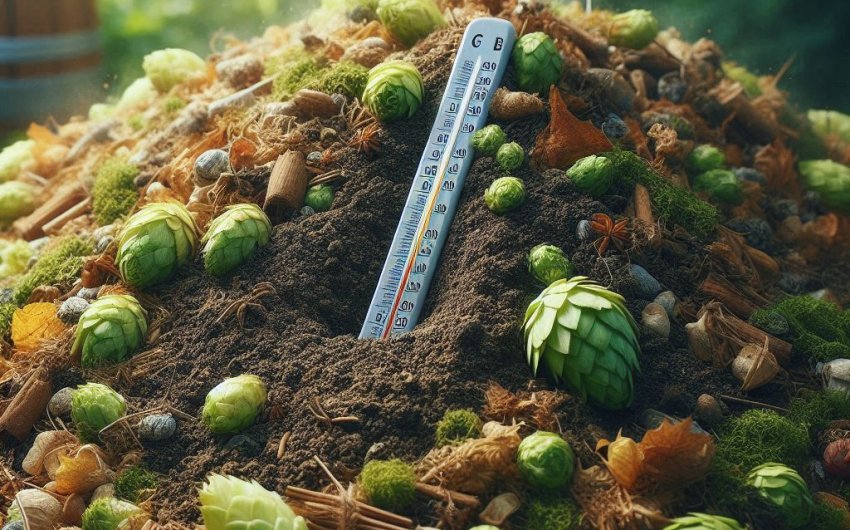
For home brewers, the joy of crafting your own beer often comes with a significant byproduct: brewery waste, primarily spent grains and hops. While these materials might seem like just waste, they are actually packed with organic matter and nutrients, making them a fantastic, often overlooked, resource for your garden. Instead of sending them to a landfill, you can transform these brewing leftovers into nutrient-rich compost, enriching your soil and nurturing your plants. It's a sustainable cycle that benefits both your brewing hobby and your green thumb.
Composting spent grains and hops offers a unique opportunity for resourceful gardeners. These materials have specific characteristics that, when understood, can be harnessed to create high-quality compost. From their nutrient content to their texture, learning how to properly incorporate them into your compost pile is key to success. This guide will demystify the process, providing practical steps and tips for effectively composting these brewery byproducts. Get ready to turn your brewing waste into gardening gold, creating a truly sustainable garden.
Why Compost Brewery Waste?
Composting brewery waste like spent grains and hops offers a surprising array of benefits, turning what was once a disposal challenge into a valuable resource for your garden. It's a smart, sustainable way to enhance your gardening efforts.
What Are the Environmental Benefits of Composting Brewery Waste?
The environmental benefits of composting brewery waste are substantial, making it a highly responsible and eco-friendly practice.
- Reduces Landfill Waste and Methane Emissions: Perhaps the most significant benefit is diverting a large volume of organic material away from landfills. When organic waste, like spent grains and hops, decomposes in a landfill without oxygen (anaerobically), it produces methane. Methane is a potent greenhouse gas, far more damaging to the atmosphere than carbon dioxide. By composting these materials aerobically (with oxygen), you prevent methane production, significantly reducing your carbon footprint.
- Recycles Valuable Nutrients: Instead of being buried, the nutrients contained within the grains and hops (nitrogen, phosphorus, potassium, and trace minerals) are returned to the soil in a stable, usable form. This completes a natural cycle, giving back to the earth what was taken.
- Reduces Need for Synthetic Fertilizers: By creating your own nutrient-rich compost, you lessen your reliance on commercially produced synthetic fertilizers. The manufacturing and transportation of these fertilizers consume significant energy and resources, and their overuse can lead to nutrient runoff into waterways, causing pollution.
- Improves Soil Health Naturally: The finished compost improves soil structure, aeration, and water retention. It also feeds beneficial soil microorganisms, creating a healthier, more resilient soil ecosystem that supports plant growth without excessive chemical inputs. This contributes to a truly sustainable garden.
Composting brewery waste is a powerful step towards a more sustainable lifestyle, transforming "waste" into a valuable asset for a healthier planet.
How Does Brewery Waste Enhance Compost Quality?
Brewery waste, particularly spent grains and hops, can significantly enhance compost quality due to their unique properties and nutrient content. They offer distinct advantages over just composting typical kitchen scraps.
- Spent Grains as "Greens": Spent grains are largely spent barley malt (or other grains like wheat, rye, oats). After malting and mashing, they are rich in carbohydrates, proteins, and some residual sugars. Crucially, they act as a fantastic nitrogen source in your compost pile. In composting terms, they are considered a "green" material. Their fine, dense texture, when balanced with "brown" materials, helps kickstart the decomposition process quickly due to their readily available nutrients. This means faster heating of the pile, leading to quicker decomposition and finished compost.
- Hops as "Greens" (with caveats): Fresh hops, though typically used in smaller quantities by homebrewers, are also a nitrogen-rich "green" material. They contain a lot of moisture and beneficial compounds.
- Nutrient Boost: Both spent grains and hops contribute a good range of essential plant nutrients, including nitrogen (N), phosphorus (P), potassium (K), and various micronutrients. When these break down into compost, they enrich the final product, providing a more balanced and potent nutrient-rich soil amendment for your plants.
- Organic Matter: They add significant organic matter to your compost, which is vital for improving soil structure, water retention, and microbial activity.
By incorporating brewery waste, you're not just creating compost; you're creating a premium, nutrient-rich compost that gives your garden an extra boost, leading to healthier and more productive plants.
What Are the Practical Advantages for Home Gardeners/Brewers?
For home gardeners who also brew, composting brewery waste offers several highly practical advantages, streamlining two hobbies into one sustainable system.
- Free, Abundant Resource: Instead of paying for compost or chemical fertilizers, you're generating a free and often abundant resource directly from your brewing activity. Every batch of beer produces a significant amount of spent grain.
- Reduced Waste Disposal: It solves the problem of how to dispose of your brewing byproducts. Hauling heavy, wet spent grains to the curb or landfill is eliminated.
- Improved Garden Productivity: The high-quality compost you produce can be used throughout your garden to improve soil fertility, boost plant growth, and increase yields. It leads to healthier vegetables, more vibrant flowers, and a thriving lawn.
- Sustainable Hobby Integration: It connects your brewing hobby with your gardening hobby in a meaningful, eco-friendly way. You get to see the full cycle of resources being utilized, from grain to beer to compost to food.
- Freshness and Quality: You have complete control over the inputs into your compost, ensuring it's free of unwanted chemicals and tailored to your organic gardening preferences.
These composting benefits make integrating brewery waste into your garden a smart, efficient, and deeply satisfying practice for any home brewer-gardener.
What Are the Characteristics of Spent Grains and Hops for Composting?
To effectively compost spent grains and hops, it's important to understand their specific characteristics. This knowledge helps you balance your compost pile and manage any potential challenges.
How Do Spent Grains (Barley Malt) Categorize in Composting?
Spent grains, primarily from barley malt, are the leftover husks and strained solids after the brewing process. For composting purposes, they are categorized as a "green" material.
- Nitrogen-Rich: Despite being "spent," they still contain significant amounts of residual nitrogen, protein, and carbohydrates. This makes them an excellent nitrogen source for your compost pile, acting as an activator for decomposition.
- High Moisture Content: Spent grains are typically very wet (often 70-80% moisture), which contributes to the moisture needs of the compost pile but also means they can become dense and anaerobic if not properly managed.
- Fine Texture: Their relatively fine and dense texture means they can easily clump together if added in large, unmixed quantities, leading to anaerobic spots (and bad odors).
- Fermentable Sugars: While most sugars are removed during brewing, some residual fermentable sugars remain. This can initially attract insects or create slight alcoholic fermentation if the pile isn't well-aerated.
Because of their high nitrogen content and moisture, spent grains for compost are vital for kicking off a hot compost pile. They act as the fuel that feeds the microbes, making them break down quickly. However, their density means they absolutely need to be balanced with "brown" materials.
What Are the Properties of Hops in Composting?
Hops (the dried flowers of the hop plant) are primarily used for their bittering and aromatic qualities in beer. When it comes to composting, their properties are distinct from spent grains.
- Nitrogen-Rich "Green": Like spent grains, hops are considered a "green" material due to their relatively high nitrogen content, especially when fresh.
- Strong Aroma: The most noticeable property of hops is their strong, pungent aroma. While pleasant in beer, this smell can be quite intense in a fresh compost pile. It usually dissipates as decomposition progresses.
- Resinous Compounds: Hops contain resins and essential oils that give them their unique flavor and preservative qualities. Some sources suggest these compounds, particularly alpha acids, might have a very mild antimicrobial or fungicidal effect, which could potentially slow decomposition slightly if used in very high concentrations relative to the rest of the pile. However, in typical home composting quantities, this effect is usually negligible.
- Texture: Hops are relatively light and fluffy when dry, but can become denser when wet.
Because of their strong smell, it's best to incorporate hops into compost by mixing them well with other materials and burying them in the pile to minimize odors and deter pests. Use them in moderation, especially fresh hops, and balance them carefully with "browns."
Are There Any Concerns About Acidity or Residual Sugars?
When composting brewery waste, particularly spent grains, some gardeners express concerns about acidity or residual sugars. However, these are generally not significant problems with proper composting techniques.
- Acidity: While spent grains might have a slightly acidic pH directly after brewing, the composting process itself is a powerful neutralizer. As microorganisms break down organic matter, the pH of the compost pile tends to become more neutral (around 6.0-8.0) by the time it's finished. Unless you're adding massive quantities of spent grains to a very small compost pile without proper mixing, the final compost product will not be overly acidic.
- Residual Sugars: Spent grains do contain some residual fermentable sugars. These sugars are what initially attract fruit flies or other insects if the grains are left exposed. However, these sugars are quickly consumed by the composting microorganisms during the early, active phase of decomposition. If the pile is hot and well-aerated, the sugars are rapidly processed, usually within the first few days, before they become a persistent issue for pests or bad odors.
The key to avoiding issues with acidity or sugars is proper compost management: balancing "greens" and "browns," ensuring good aeration, and burying fresh materials. With these practices, spent grains and hops become beneficial ingredients, not problem sources.
How Do I Compost Spent Grains and Hops Successfully?
Composting spent grains and hops requires attention to the basic rules of composting, with a few specific considerations for these unique materials. Success hinges on proper balance and aeration.
What Is the Ideal Green-to-Brown Ratio for Brewery Waste?
The ideal green-to-brown ratio is the cornerstone of successful composting. For brewery waste, which is primarily a "green" (nitrogen-rich) material, balancing it with "browns" (carbon-rich) is crucial.
- Spent Grains: These are a high-nitrogen "green."
- Hops: Also a nitrogen-rich "green."
- Browns (Carbon Source): You'll need plenty of carbon-rich materials to balance the high nitrogen of brewery waste. Excellent "brown" materials include:
- Dry leaves (shredded is best for faster decomposition)
- Shredded cardboard (plain, non-glossy, non-waxed)
- Shredded newspaper (black ink only)
- Straw
- Wood chips (use sparingly, as they break down very slowly)
The Ratio: A commonly recommended carbon-to-nitrogen ratio for a fast, hot compost pile is roughly 25-30 parts carbon to 1 part nitrogen (25-30:1 C:N ratio) by weight.
- In practical terms (by volume): This often translates to about 2-3 parts brown materials to 1 part green materials.
- For Brewery Waste: Because spent grains are so nitrogen-rich, you might need to use even more browns. If you're adding a 5-gallon bucket of spent grain, you might need 10-15 gallons of dry leaves or shredded cardboard to balance it out.
Mixing the spent grains and hops thoroughly with your brown materials immediately upon adding them to the pile is vital. This prevents clumping, ensures good air circulation, and helps kickstart the decomposition process quickly and efficiently, minimizing odors. A balanced ratio is key for a hot, efficient, and odor-free compost pile.
How Important Are Aeration and Moisture Levels?
Aeration and moisture levels are absolutely critical for successful composting brewery waste. Without them, your compost pile can become a stinky, slow-moving mess.
- Aeration (Oxygen): Composting relies on aerobic bacteria, which need oxygen to break down organic matter efficiently. Without enough air, anaerobic bacteria take over, leading to putrid, rotten-egg smells (due to methane and hydrogen sulfide production) and a very slow decomposition process.
- How to Aerate:
- Turn the Pile Regularly: This is the most effective way to introduce oxygen. Aim to turn your compost pile every few days, or at least once a week, especially in the early stages when it's actively heating up. Use a compost aerator tool or a pitchfork.
- Proper Mixing: When adding materials, mix "greens" and "browns" thoroughly. Avoid large clumps of spent grain.
- Texture: Incorporate bulky "brown" materials that create air pockets.
- How to Aerate:
- Moisture Levels: The compost pile needs to be consistently moist, like a wrung-out sponge.
- Too Dry: Decomposition slows down significantly or stops altogether, as microorganisms need water to thrive.
- Too Wet: This leads to anaerobic conditions (as water displaces air), causing foul odors and slow decomposition.
- For Brewery Waste: Spent grains and hops are very wet, so they will contribute significantly to moisture. You might even need to add extra dry "browns" to absorb excess moisture, especially if your grains are particularly wet.
- Check: Squeeze a handful of compost material. If a few drops of water come out, it's just right. If it drips heavily, it's too wet. If it crumbles and feels dry, it's too dry. Add water if needed when turning.
Proper compost aeration and moisture management ensure a fast, hot, and odorless decomposition process, leading to high-quality nutrient-rich compost.
What Type of Composting System Is Best for Brewery Waste?
The best type of composting system for brewery waste depends on the volume of waste you produce and your preference for speed and management.
- Open Pile/Bin (Recommended for Larger Volumes): If you produce significant amounts of spent grain regularly, an open compost pile or a multi-bin system is often best. These allow for easy turning and management of large volumes.
- Advantages: Accommodates large quantities, good for hot composting.
- Disadvantages: Can be unsightly, may attract pests if not managed well, requires frequent turning. A compost bin system can help contain it.
- Compost Tumbler (Good for Medium Volumes): A compost tumbler is a sealed, rotating drum that makes turning very easy. It's great for managing odors and deterring pests.
- Advantages: Easy to turn, pest-resistant, faster decomposition due to regular aeration, contained.
- Disadvantages: Limited capacity, can sometimes get too wet inside if not balanced, may struggle to reach high temperatures if not filled correctly. A compost tumbler is a popular choice.
- Trench Composting (Small Volumes/Discreet): For smaller amounts of spent grain, you can use trench composting. Dig a small trench or hole in your garden bed, bury the spent grains (mixed with some soil), and cover completely.
- Advantages: Very discreet, directly feeds soil, no turning required.
- Disadvantages: Limited capacity, slower decomposition, can only add small amounts at a time.
- Vermicomposting (Worm Bin - Small Volumes): If you produce very small amounts of spent grain and want a hands-on approach, a worm bin can work. Worms love spent grains, but you must introduce them in very small quantities and mix them well with bedding (shredded newspaper, cardboard) to prevent souring or overheating the bin.
- Advantages: Excellent quality compost (worm castings), low odor if managed well, can be done indoors.
- Disadvantages: Small capacity, sensitive to overfeeding. You'll need red wiggler worms.
Choose a system that fits your brewing volume and gardening style to ensure successful brewery waste composting.
What Are Common Challenges and Solutions for Composting Brewery Waste?
While composting brewery waste is highly beneficial, there are a few common challenges that home composters might face. Knowing these and their solutions will help you avoid pitfalls and achieve high-quality compost.
How Do I Manage Odors and Pests with Spent Grains?
Managing odors and pests is often the primary concern when composting high-nitrogen, wet materials like spent grains. If not handled correctly, they can indeed attract unwanted visitors and create unpleasant smells.
- Odors:
- Problem: Putrid, rotten-egg smells are a sign of anaerobic decomposition (lack of oxygen). This usually happens when wet, nitrogen-rich materials like spent grains are added in a large, dense, unmixed clump.
- Solution:
- Mix Thoroughly: Immediately upon adding spent grains, mix them very well with at least twice their volume of dry, bulky "brown" materials (dry leaves, shredded cardboard, straw). This dilutes the nitrogen, adds carbon, and creates air pockets.
- Turn Frequently: Aerate your pile regularly, especially after adding wet, dense materials. This introduces oxygen and prevents anaerobic pockets.
- Bury "Greens": Always bury fresh, wet spent grains and hops deep within the compost pile, covering them completely with a thick layer of "browns." This helps contain odors.
- Pests (Flies, Rodents):
- Problem: Fruit flies are attracted to residual sugars in fresh grains. Larger pests like rodents are attracted to any exposed food scraps, especially if the pile is left open.
- Solution:
- Bury Deep: As above, always cover spent grains completely with a thick layer of brown material.
- Use Enclosed Bin/Tumbler: An enclosed compost tumbler or a sturdy, pest-proof compost bin (with a lid and hardware cloth on the bottom) is highly recommended.
- Proper Ratio/Aeration: A balanced, actively composting pile that heats up quickly will break down the sugars before they become a persistent attractant.
By focusing on the balance of greens and browns, ensuring good aeration, and burying fresh materials, you can effectively manage compost odors and pests when incorporating brewery waste.
Can Hops Inhibit Decomposition or Harm Worms?
Some homebrewers worry that the resins and essential oils in hops might inhibit decomposition or harm worms in a compost pile. While fresh hops can have very mild antimicrobial properties, in typical home composting quantities, this is generally not a significant concern.
- Decomposition: If added in very large, concentrated quantities, the compounds in hops could theoretically slow down decomposition slightly, but this is rare in a home compost pile. The vast microbial diversity in a healthy pile can generally handle the compounds. The biggest issue with large, unmixed hop additions would be creating dense, anaerobic clumps, similar to spent grains.
- Worms: While very high concentrations of fresh, uncomposted hops might be irritating or mildly toxic to worms, healthy composting practices mitigate this.
- Vermicomposting (Worm Bins): If you're adding hops to a worm bin, introduce them in very small quantities. Mix them thoroughly with the worm bedding (shredded newspaper/cardboard) and other food scraps. Allow them to pre-decompose slightly within the general compost pile before moving them to the worm bin. Never overwhelm the worms with a large batch of fresh hops.
- Outdoor Compost: For a hot, outdoor compost pile, the heat generated by the decomposition process helps to break down the hop compounds. As long as they are mixed well and are not forming a dense, un-aerated layer, they typically won't cause issues for the broader soil ecosystem once fully composted.
The key is moderation and thorough mixing. Treat hops like any other potent "green" material: balance them with browns, ensure aeration, and don't add them in massive, unmixed clumps. This will allow the beneficial hops in compost to break down effectively without inhibiting the process or harming beneficial organisms.
What Other Brewing Byproducts Can Be Composted?
Beyond spent grains and hops, there are a few other brewing byproducts that homebrewers can often compost or recycle in their garden.
- Yeast Slurry/Trub: The thick layer of spent yeast and protein left at the bottom of the fermenter (trub) is highly rich in nitrogen and other nutrients.
- Composting: Add small amounts to your compost pile, mixing it very well with plenty of dry "brown" materials to avoid clumping and odors. It's very potent!
- Direct Application (with caution): Some gardeners dilute yeast slurry and use it as a liquid fertilizer. Be very careful with dilution as it can be too strong and cause nutrient burn if used undiluted. It's often safer to compost it.
- Brewing Water (Used in Sparging/Rinsing): The water used for sparging (rinsing sugars from the grain) or cooling the wort (after chilling, if not treated with chemicals) contains some residual sugars and nutrients.
- Garden Use: Once cooled and if chemical-free, this water can be directly used to water plants, providing a mild, nutrient-rich boost, similar to pasta water. Ensure it's not too hot and has no sanitizer residue.
- Bottling/Kegging Sediment: Small amounts of sediment left after bottling or kegging can also be added to compost if it's mostly yeast and grain particles.
Always exercise caution, especially with highly concentrated or potentially unsterile materials. When in doubt, add it to your main compost pile, ensuring it's thoroughly mixed with browns for the safest and most effective recycling of your brewery waste. This complete utilization makes your brewing truly sustainable home brewing.