
Composting for Kids: Fun, Educational Activities for Young Gardeners
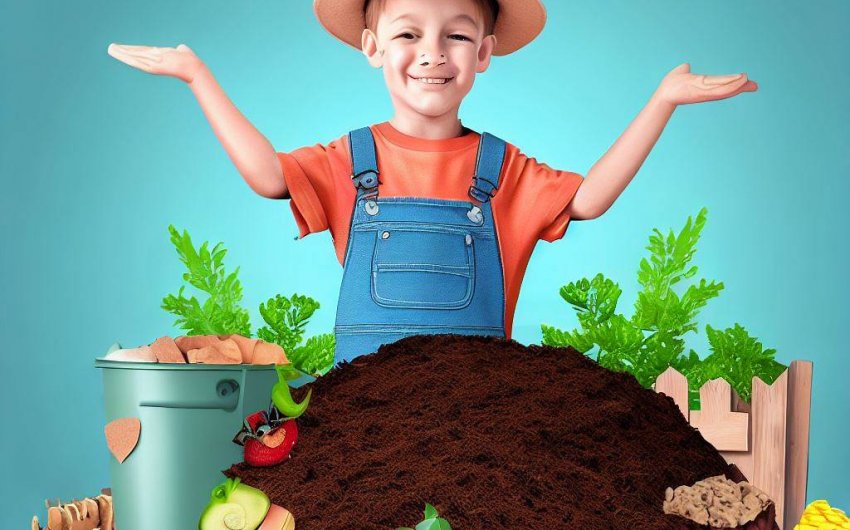
Composting for kids provides fun, educational activities for young gardeners, teaching them about waste reduction, natural cycles, and environmental stewardship. Engaging them in simple tasks like collecting food scraps, layering materials, and observing decomposition transforms gardening into a hands-on learning adventure that nurtures a love for nature.
Why is composting a perfect educational activity for kids?
Composting offers a magical, hands-on learning experience that deeply engages children with nature, science, and environmental responsibility. Far from being a boring chore, composting for kids transforms everyday kitchen scraps and yard waste into a fascinating journey of transformation, fostering curiosity and a sense of accomplishment in young gardeners. It's a tangible way to teach abstract concepts like recycling and sustainability.
What scientific concepts can kids learn from composting?
Composting is a living science laboratory right in your backyard or even indoors, offering countless opportunities for discovery.
- Decomposition: The most obvious lesson. Kids learn that organic matter doesn't just disappear; it breaks down into something new. They can observe how different materials change over time.
- Microorganisms (Invisible Helpers): Explain that tiny, unseen creatures (bacteria, fungi, worms) are the "workers" of the compost pile, eating and breaking down the waste. This introduces them to the microbial world.
- Life Cycles and Recycling: Composting visually demonstrates the concept of life cycles, showing how waste can be turned into nourishment for new life (plants). It's a tangible lesson in natural recycling.
- Heat Generation (for Hot Piles): If you have an active, hot compost pile, kids can feel the warmth generated by microbial activity, understanding that living things create heat.
- pH and Moisture: Older children can learn about how these factors affect decomposition rates and the organisms involved.
- Chemical Reactions (Simple): Discuss how materials combine and change, creating new substances.
- States of Matter: Observe solids turning into gas (carbon dioxide) and liquid (water) as decomposition occurs.
What environmental lessons does composting teach children?
Composting instills valuable lessons about environmental stewardship and sustainable living.
- Waste Reduction: Kids quickly grasp how much food waste their household produces and how composting diverts it from landfills. This teaches them to be mindful consumers.
- Resource Management: They learn that waste isn't just "trash"; it's a valuable resource that can be reused and recycled.
- Sustainability: Composting is a concrete example of living sustainably, demonstrating how humans can work with nature rather than against it.
- Soil Health: They learn that compost is "food for the soil," and healthy soil grows healthy plants, emphasizing the importance of nurturing the earth.
- Pollution Prevention: Understanding that food waste in landfills produces harmful gases (methane) connects their actions to climate change solutions.
- Appreciation for Nature: Hands-on interaction with the composting process, worms, and the resulting soil fosters a deeper appreciation and respect for the natural world.
- "Reduce, Reuse, Recycle" in Action: Composting brings the "reduce" (less waste) and "recycle" (food waste into soil) parts of the mantra to life.
How does composting develop practical skills and responsibility?
Beyond science and environment, composting builds character and practical abilities.
- Responsibility: Assigning composting tasks (collecting scraps, adding browns, turning) gives children a sense of responsibility and ownership.
- Observation Skills: Regularly checking the compost pile encourages careful observation and problem-solving.
- Patience: Composting takes time, teaching children the value of patience and delayed gratification.
- Problem-Solving: If the pile gets too smelly or too dry, kids can learn to troubleshoot and apply solutions.
- Gardening Skills: Composting naturally leads into gardening, as they get to use their homemade compost to grow plants.
- Teamwork: Composting can be a family activity, fostering cooperation and shared goals.
Composting for kids transforms abstract concepts into exciting, tangible experiences, nurturing not just a love for gardening, but a lifelong understanding of our connection to the planet.
What type of compost system is best for kids?
Choosing the right compost system for kids is essential. It needs to be safe, easy to manage, engaging, and ideally, allow for direct observation without being too complex. Simplicity and hands-on interaction are key.
Why is vermicomposting (worm composting) ideal for children?
Vermicomposting is arguably the best composting method for children due to its accessibility, safety, and fascinating biological component.
- Safe and Clean: Worm bins are typically enclosed, preventing odors and pests when managed correctly. They can be kept indoors (kitchen, closet, basement) or on a sheltered balcony, making them accessible year-round.
- Hands-On Interaction: Kids love worms! They can safely handle the red wiggler worms (Eisenia fetida), watch them eat, and learn about their role in decomposition. This makes the process incredibly engaging.
- Produces "Magic Dirt": Worm castings are a rich, dark, earthy material that kids can feel proud to have created and then use in their garden.
- Educational: Directly teaches about decomposition, nutrient cycling, and the role of living organisms.
- Compact: Worm bins are small enough to fit in urban spaces.
- What it Composts: Primarily fruit and vegetable scraps, coffee grounds, tea bags, and shredded paper/cardboard.
- Equipment: A worm composting bin (commercial or DIY), red wiggler worms, bedding material (shredded newspaper, coco coir).
What about small outdoor compost bins for kids?
For children with a small yard or designated outdoor gardening space, a small, enclosed outdoor compost bin can also work well.
- Enclosed Static Bins (Plastic):
- How it Works: A simple, lidded plastic bin with aeration holes.
- Benefits: Contains materials, keeps things tidy, generally pest-resistant if managed. Kids can help add layers and turn with a small hand trowel or a compost aerator tool.
- Space: Requires a small corner in a backyard or ground-level patio.
- What it Composts: Food scraps, yard waste (leaves, grass clippings).
- Mini Compost Tumblers:
- How it Works: A sealed drum that rotates, making turning easy.
- Benefits: Easy for kids to turn (some even enjoy it!), fast decomposition, excellent odor and pest control, contained.
- Space: Fits on a patio or small yard.
- Equipment: A small compost tumbler.
- Clear View Composters: Some specialty bins are designed with clear sides, allowing kids to visually observe the decomposition process and the activity of insects and worms. These are fantastic for educational purposes.
What compost systems are generally NOT ideal for kids?
Certain composting methods might be too complex, messy, or unsafe for children.
- Open Compost Piles:
- Why Not Ideal: Can be messy, attract pests if not carefully managed, and might contain sharp objects or other hazards. They are also less visually engaging for direct observation.
- Large, Hot Compost Piles:
- Why Not Ideal: Require careful temperature monitoring and frequent, strenuous turning. The high internal temperatures can be dangerous.
- Bokashi Systems:
- Why Not Ideal: While compact and odor-free, the fermentation process results in "pickled" food waste that still needs to be buried for final decomposition, which might be a barrier for kids without a garden plot. Also, the slightly sour smell might not appeal to all children.
For most families, a simple worm bin or a small, enclosed outdoor bin offers the perfect balance of education, engagement, and ease of management, making composting a truly fun and rewarding activity for young gardeners.
What fun and educational activities can kids do with composting?
Making composting an interactive and enjoyable experience is key to engaging young gardeners. There are many fun and educational activities that turn the decomposition process into a captivating scientific adventure, fostering curiosity and a deeper understanding of nature.
Fun hands-on activities for building and maintaining a compost pile
Engage kids directly in the physical process of composting.
- Compost Scraps Collection "Hunt":
- Activity: Give kids a designated countertop compost bin or small bucket. Task them with collecting fruit and vegetable peelings, apple cores, banana peels, etc., from meal prep or after snacks. Turn it into a game of "what can we feed our compost today?"
- Learning: Teaches waste identification and reduction.
- "Browns" Collection Mission:
- Activity: Send kids on a "browns" scavenger hunt in the yard: collecting fallen leaves, small twigs, or tearing up old newspaper/cardboard into small pieces.
- Learning: Teaches about carbon-rich materials and the importance of balance in composting.
- Layering the Compost Pile:
- Activity: Guide them in adding alternating layers of "greens" and "browns" to the compost bin. Let them physically spread out the materials.
- Learning: Reinforces the concept of C:N ratio and building a healthy compost structure.
- Compost Turning "Workout":
- Activity: For outdoor bins, let kids use a small pitchfork or a compost aerator tool to turn the compost pile. Make it a game of finding hidden treasures or counting the worms. For tumblers, let them spin the drum.
- Learning: Teaches the importance of aeration and physical labor.
- Moisture Check "Squeeze Test":
- Activity: Let kids reach into the compost pile (with gloves if preferred) and squeeze a handful of material. Ask them if it feels like a wrung-out sponge. If too dry, let them help water it.
- Learning: Develops observation skills and understanding of moisture needs.
Engaging observation and discovery activities
Turn the compost pile into a living laboratory for discovery.
- Worm Watch (Vermicomposting):
- Activity: Regularly open the worm bin and let kids gently dig through the bedding. Encourage them to observe the red wiggler worms, their feeding, and the transformation of food scraps into castings. Provide a magnifying glass for closer inspection.
- Learning: Direct interaction with decomposers, understanding their role, and appreciating biodiversity.
- Compost Creature Safari:
- Activity: For outdoor piles, encourage kids to look for other creatures: sow bugs, millipedes, centipedes, beetles, springtails. Explain that these are all part of the decomposition team. Use a bug viewer magnifying jar for observation.
- Learning: Introduction to soil ecology and beneficial insects.
- Compost Temperature Check:
- Activity: If you have a hot compost pile, let kids feel the warmth (carefully!) or use a compost thermometer to track internal temperatures. Discuss why it's warm (microbes working).
- Learning: Understanding energy release and microbial activity.
- "What Happened?" Transformation Game:
- Activity: Keep a small "before" sample of certain food scraps (e.g., banana peel, apple core) in a sealed jar. Periodically compare it to the same items in the compost pile to observe how they're breaking down.
- Learning: Direct observation of decomposition and the passage of time.
- Smell and Texture Exploration:
- Activity: Let kids smell and feel different stages of compost, from fresh scraps to finished "black gold." Discuss the earthy smell of healthy compost.
- Learning: Sensory exploration and identification of finished compost.
Creative and artistic composting projects
Blend science with creativity to reinforce learning.
- Compost Bin Decoration:
- Activity: Let kids decorate the outside of the compost bin with paints, drawings, or labels for "greens" and "browns."
- Learning: Personalizes the bin and reinforces learning.
- "Compost Recipe" Art:
- Activity: Have kids draw or create collages illustrating the different "ingredients" (greens and browns) that go into compost.
- Learning: Reinforces balancing materials.
- Compost Journal/Observation Log:
- Activity: Encourage older kids to keep a simple journal: drawing pictures of what they add, noting smells, temperatures, and how the compost changes over time.
- Learning: Develops scientific observation, writing, and drawing skills.
- "Magic Dirt" Planting Project:
- Activity: Once finished compost is ready, let kids use it (mixed with potting soil) to plant seeds or transplant seedlings. They can compare the growth of plants grown with and without compost.
- Learning: The ultimate reward, seeing the direct benefit of their composting efforts on plant growth.
By integrating these fun, hands-on, and educational activities, composting becomes a captivating and enriching experience for young gardeners, nurturing their scientific curiosity and a lifelong commitment to sustainable practices.
How do I set up a kid-friendly compost system at home?
Setting up a kid-friendly compost system at home involves selecting an appropriate bin, finding the right location, and stocking it with the necessary materials. The goal is to make it accessible, safe, and engaging for young gardeners to participate actively in the composting process.
Step-by-step guide to setting up a worm bin for kids
A worm bin is typically the best and safest indoor option for direct interaction.
- Choose a Bin:
- Commercial Worm Bin: Many multi-tiered worm composting bins are designed to be easy for kids to manage.
- DIY Bin: You can use two stacked plastic storage containers (one with drainage holes drilled in the bottom, sitting inside another without holes for leachate collection).
- Location:
- Indoors: Kitchen, pantry, basement, garage, or even a classroom.
- Temperature: Needs to be kept between 45-80°F (7-27°C) year-round. Avoid direct sunlight or extreme cold.
- Prepare Bedding:
- Materials: Shredded newspaper (black and white, no glossy), shredded cardboard, coco coir, or a mix.
- Moisten: Moisten the bedding with water until it's damp, like a wrung-out sponge. Fluff it up well to ensure good aeration. Fill the bottom bin (or top working tray) about 3/4 full.
- Add Worms:
- Red Wigglers: Purchase red wiggler composting worms (Eisenia fetida) online or from a local bait shop. These are different from garden earthworms.
- Introduce: Gently place the worms on top of the moist bedding. They will burrow down.
- Start Feeding (Slowly):
- Wait a few days for the worms to settle.
- Start with a very small amount of chopped fruit/vegetable scraps (e.g., banana peel, apple core) buried under the bedding.
- Increase feeding gradually as the worms reproduce and process more.
- Maintain:
- Moisture: Keep the bedding moist. Mist with a spray bottle if it feels dry.
- Aeration: Gently fluff the bedding once a week.
- Don'ts: NO meat, dairy, oil, spicy foods, or citrus in large amounts.
Step-by-step guide to setting up a simple outdoor compost bin for kids
For those with a small yard or outdoor space.
- Choose a Bin:
- Small Tumbler: An easy-to-turn small compost tumbler is excellent for kids.
- Plastic Static Bin: A compact plastic bin with a secure lid is also good.
- DIY: A small bin made from chicken wire or hardware cloth (lined with 1/4 inch hardware cloth for pest protection) works.
- Location:
- Sunny to Partially Sunny: Choose a spot in the backyard that gets some sun to help warm the pile, but not so hot it dries out too quickly.
- Away from House: Place it a reasonable distance from the house, just in case.
- Level Ground: Ensure it's on a stable, level surface.
- Start with a Base Layer: Place a 4-6 inch layer of dry "brown" material (shredded leaves, straw, small twigs) at the bottom.
- Layer Materials:
- Greens: Add a layer of chopped fruit/vegetable scraps.
- Browns: Always cover "greens" with a thicker layer of "browns" (shredded leaves, shredded paper/cardboard) every time you add food scraps. This prevents odors and deters pests.
- Moisten: Spray with water until the pile is damp like a wrung-out sponge.
- Turn/Aerate:
- Tumbler: Kids can spin it daily or every few days.
- Static Bin: Let kids help turn the pile with a small pitchfork or aerator tool every few weeks.
- Monitor: Check moisture levels regularly.
- Don'ts: NO meat, dairy, oil, pet waste, or diseased plants.
What materials are safe and fun for kids to add?
Focus on materials that are easy to handle and break down well.
- Good "Greens" for Kids:
- Fruit and vegetable scraps (peelings, cores, wilted produce).
- Eggshells (crushed).
- Coffee grounds and tea bags (used).
- Grass clippings (thin layers).
- Good "Browns" for Kids:
- Dried leaves (shredded).
- Shredded newspaper/cardboard (non-glossy, black and white ink only).
- Small twigs/dead plant stems.
- Pine needles.
By setting up a simple, safe, and engaging composting system, you provide young gardeners with a fantastic opportunity to learn about waste transformation, soil health, and environmental responsibility, making composting a truly fun and educational backyard activity.