
The Composting Journey: From Kitchen Scraps to Nutrient-Rich Soil
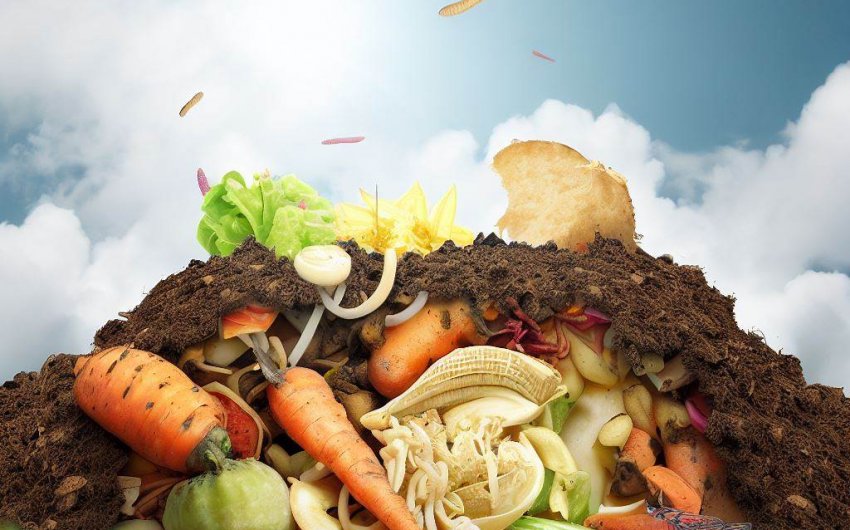
The composting journey transforms kitchen scraps and yard waste into nutrient-rich soil through controlled decomposition, primarily facilitated by microorganisms. This process involves balancing "green" and "brown" materials, maintaining optimal moisture and aeration, resulting in valuable "black gold" that builds healthy soil and supports thriving plants.
What is the transformative power of the composting journey?
The composting journey is a fascinating and profoundly beneficial process that transforms discarded organic waste into a valuable resource. It's a natural cycle of decomposition, mimicking what happens on a forest floor, culminating in "black gold"—nutrient-rich compost that revitalizes soil, nourishes plants, and champions environmental sustainability. Understanding this journey empowers gardeners to convert waste into wealth for their garden.
What happens during the decomposition process?
Decomposition is the heart of composting, a complex biological process driven by an army of unseen workers.
- Microbial Activity: The stars of the show are microorganisms: bacteria, fungi, and actinomycetes. These tiny creatures consume organic matter as their food source.
- Bacteria: The most numerous and diverse. They are responsible for the initial breakdown of soft, easily digestible materials.
- Fungi: Break down tougher, more woody materials like cellulose and lignin.
- Actinomycetes: A type of bacteria that gives compost its earthy smell and helps break down stubborn compounds.
- Other Organisms: Larger invertebrates also play a role:
- Earthworms: Aerate the pile, shred material, and produce nutrient-rich castings.
- Mites, Springtails, Beetles, Sow Bugs: Break down larger pieces into smaller fragments, making them accessible to microbes.
- Heat Generation: In a well-managed "hot" compost pile, the intense metabolic activity of microorganisms generates heat, raising the internal temperature to 130-160°F (55-71°C). This heat accelerates decomposition and can kill weed seeds and pathogens.
- Material Breakdown: Organic materials are broken down into simpler compounds, eventually forming stable humus. Gases (carbon dioxide, water vapor) are released as byproducts.
What are the phases of the composting journey?
Composting typically progresses through distinct phases of microbial activity.
- Mesophilic Phase (Initial Stage):
- Characteristics: Lasts a few days. Moderate-temperature microorganisms begin to break down easily digestible compounds.
- Temperature: Pile temperature starts at ambient levels and gradually rises.
- Thermophilic Phase (Hot Stage):
- Characteristics: Can last weeks to months. High-temperature-loving microorganisms take over, rapidly breaking down materials. This is where the pile gets hot.
- Temperature: Reaches 130-160°F (55-71°C). This phase is crucial for killing weed seeds and pathogens in hot composting. Regular turning maintains this heat.
- Cooling and Maturation (Curing Phase):
- Characteristics: Lasts several weeks to months. As easily digestible materials are consumed, the pile cools down.
- Temperature: Returns to mesophilic temperatures.
- Microbes: Fungi, actinomycetes, and larger invertebrates become more active, finishing the decomposition of tougher materials and creating humus.
- Result: The compost "cures" or matures into its final, stable form.
Why is finished compost so beneficial for soil?
Finished compost is a miracle worker for garden soil, offering comprehensive improvements.
- Improved Soil Structure: Enhances drainage in clay, boosts water retention in sand, and makes all soil more friable.
- Nutrient-Rich: Provides a slow-release, balanced array of macro- and micronutrients.
- Buffers pH: Stabilizes soil pH to a neutral range.
- Feeds Soil Life: Introduces and sustains a thriving soil food web.
- Disease Suppression: Enhances the soil's natural ability to fight off plant diseases.
The composting journey is a powerful testament to nature's ability to recycle, turning what seems like waste into the very foundation of healthy, productive gardening.
What goes into a successful compost pile?
Understanding the "ingredients" of a compost pile is fundamental to successful composting. It's all about balancing different types of organic matter with optimal levels of moisture and aeration to create the perfect environment for decomposer organisms.
What are "greens" and why are they important?
"Greens" are the nitrogen-rich, typically fresh and moist materials that act as the "fuel" for microbial growth and decomposition.
- Characteristics: High in nitrogen, usually fresh, moist, and soft. They break down relatively quickly.
- Function: Provide the nitrogen that microorganisms need for their protein synthesis and reproduction. This drives the decomposition process and generates heat.
- Examples of "Greens":
- Fruit and Vegetable Scraps: Peelings, cores, wilted produce, rotten fruit. Chop into small pieces.
- Coffee Grounds: Excellent source of nitrogen and trace minerals, nearly pH neutral when used. Can include paper filters.
- Tea Bags: (Remove staples if plastic-coated, avoid synthetic tea bags).
- Fresh Grass Clippings: Use in moderation and mix well with browns, as too much can compact and become anaerobic.
- Green Plant Trimmings: From garden plants, non-woody.
- Manure (Herbivore): From cows, horses, chickens, rabbits (avoid pet waste).
What are "browns" and why are they important?
"Browns" are the carbon-rich, typically dry and fibrous materials that provide energy for microbes and give the compost pile its structure.
- Characteristics: High in carbon, usually dry, woody, and fibrous. They break down more slowly.
- Function: Provide the energy source for microorganisms and create bulk and structure, which allows air to circulate within the pile. Without browns, a pile becomes dense, wet, and smelly.
- Examples of "Browns":
- Dried Leaves: An abundant and excellent carbon source. Shredding them speeds decomposition.
- Straw and Hay: (Ensure it's not treated with persistent herbicides). Provides good aeration.
- Shredded Newspaper and Cardboard: (Avoid glossy or heavily dyed paper, tear into small pieces).
- Wood Chips and Sawdust: Use in moderation, as they decompose slowly. Best in smaller quantities and balanced with extra greens.
- Pine Needles: Adds acidity, which can be beneficial for certain plants in the garden.
- Corn Stalks and Cobs: Break into smaller pieces.
What is the crucial Carbon-to-Nitrogen (C:N) ratio?
The balance between greens and browns, expressed as the C:N ratio, is critical for efficient decomposition.
- Target Ratio: The ideal C:N ratio for rapid, odor-free composting is between 25:1 to 30:1. This means 25-30 parts carbon for every 1 part nitrogen.
- Practical Volume Ratio: Since "browns" are often bulkier than "greens," this typically translates to a volume ratio of roughly 2-3 parts brown material to 1 part green material.
- Consequences of Imbalance:
- Too Many Greens (low C:N ratio): Pile can become dense, anaerobic, and release an ammonia-like smell as excess nitrogen gases off. Decomposition slows.
- Too Many Browns (high C:N ratio): Decomposition will be very slow because microbes don't have enough nitrogen to reproduce and break down the carbon.
- Don't Stress Perfection: For home composting, don't worry about exact measurements. A general awareness of balancing your wet, fresh, green stuff with dry, woody, brown stuff will guide you.
By understanding and balancing these "ingredients," you provide the perfect environment for microorganisms to efficiently transform your organic waste into rich, life-giving compost.
What steps are involved in building and maintaining a compost pile?
Building and maintaining a compost pile is an active, ongoing process that involves more than just dumping scraps. It requires attention to layering, moisture, aeration, and location to ensure efficient decomposition and a healthy end product.
How do I choose the best location and type of compost bin?
Starting with the right setup is crucial for managing your compost effectively.
- Location Considerations:
- Shade or Partial Shade: Prevents the pile from drying out too quickly in hot sun.
- Well-Drained Area: Avoid low spots where water might pool.
- Access to Water: For moistening the pile.
- Convenience: Close enough to the kitchen for food scraps, and the garden for yard waste, but far enough from living spaces to avoid any potential odors.
- Aesthetics: Consider how visible the bin will be.
- Compost Bin Types:
- Open Pile: Simplest, just a heap. Good for large volumes, but can be messy and attract pests if not managed.
- Wire/Pallet Bin: Inexpensive DIY option, offers good airflow.
- Plastic Static Bin: Enclosed, tidy, helps retain heat and moisture, good for small spaces.
- Compost Tumbler: Sealed drum that rotates for easy turning. Great for odor/pest control and faster decomposition. A good compost tumbler can make the process easier.
- Worm Bin (Vermicomposting): Ideal for indoor composting of food scraps.
Step-by-step guide to building a compost pile
Proper layering creates an optimal environment for microbes.
- Start with a Base Layer (Browns): Begin with a 4-6 inch layer of coarse "brown" materials (small twigs, straw, wood chips) at the bottom. This provides good drainage and airflow at the base.
- Alternate Layers: Add alternating layers of "greens" and "browns."
- Green Layer: About 6-8 inches thick (e.g., food scraps, grass clippings).
- Brown Layer: About 12-18 inches thick (e.g., dried leaves, shredded paper).
- Rule of Thumb: Aim for roughly 2-3 times more browns than greens by volume.
- Bury Food Scraps: Always bury new food scraps (greens) completely under a layer of browns or existing compost. This deters pests and reduces odors.
- Moisten Each Layer: As you build, lightly spray each layer with water until it's damp, like a wrung-out sponge.
- Chop Materials: Break down larger items (corn cobs, fruit rinds, tough stems) into smaller pieces to speed up decomposition.
- Build to Size: Ideally, aim for a pile at least 3 feet wide, 3 feet deep, and 3 feet tall (0.9 x 0.9 x 0.9 meters) for optimal heat generation.
How do I maintain an active and healthy compost pile?
Ongoing care ensures continuous decomposition and a high-quality product.
- Monitor Moisture:
- Check Regularly: Stick your hand into the pile. If it feels dry, add water while turning.
- Adjust: If it feels soggy, add more dry "browns" and turn.
- Aerate (Turn) Regularly:
- Hot Composting: Turn every few days to a week, especially when the pile is hot. This mixes materials and introduces oxygen.
- Cold Composting: Turn every 2-4 weeks, or whenever adding a significant amount of new material.
- Add New Materials: Continue to add greens and browns in balance. Chop new additions.
- Monitor Temperature (Optional for Hot Composting): Use a compost thermometer to check internal temperature. If it drops below 130°F (55°C) for several days, it may need turning or more "greens."
- Troubleshooting:
- Smells like Ammonia: Too many "greens," not enough "browns," or not enough oxygen. Add browns and turn.
- Smells like Rotten Eggs/Sulfur: Too wet, lack of oxygen (anaerobic). Add browns and turn aggressively.
- Pile Isn't Heating Up: Too dry, too many "browns," or too small. Add water, add more "greens," or build a larger pile.
- Pests: You're probably adding prohibited materials (meat, dairy, fats) or not burying food scraps.
By diligently building and maintaining your compost pile, you actively facilitate the transformative journey from kitchen scraps to nutrient-rich soil, creating a sustainable and incredibly valuable resource for your garden.
How do I harvest and use nutrient-rich compost in my garden?
The culmination of the composting journey is harvesting the finished "black gold" and applying it to your garden. Knowing when compost is ready and how to best use it ensures your plants receive maximum benefit for healthy growth and abundant yields.
When is compost considered "finished" and ready to use?
Using finished, mature compost is crucial. Unfinished compost can harm plants.
- Appearance: Finished compost should be dark brown or black, resembling rich, earthy soil.
- Texture: It should be crumbly, loose, and uniform, with no identifiable large pieces of original organic material (though a few small, un-decomposed twigs are fine).
- Smell: It should have a pleasant, earthy, forest-floor smell. There should be no sour, rotten, or ammonia odors.
- Temperature: If you were hot composting, the pile should have cooled down to ambient temperature and stayed cool for several weeks.
- Sieve (Optional): For a finer product, especially for seed starting or top-dressing containers, you can sieve (sift) the compost through a coarse screen or hardware cloth. Any larger, uncomposted pieces can be returned to the active compost pile.
How do I harvest compost from different bin types?
The method of harvesting depends on your compost system.
- Open Piles/Wire Bins: Simply use a shovel or pitchfork to take finished compost from the bottom or center of the pile. The outer layers are usually still decomposing and can be added back to a new pile.
- Static Bins (e.g., Earth Machine): Most have an access door at the bottom, allowing you to shovel out finished compost while fresh materials continue to decompose on top.
- Compost Tumblers: Once a batch is finished, simply rotate the tumbler to loosen the compost, then open the access door and empty it. Some tumblers have two chambers, allowing one to "cook" while the other is being filled.
- Worm Bins (Vermicomposting):
- Migration Method: Stop adding food to one side of the bin. Add all new food scraps to the other side. Over a few weeks, the worms will migrate to the food-rich side. Once the first side is mostly worm-free, you can harvest the pure worm castings.
- Bottom Tray Harvest: Many multi-tiered worm bins have a bottom tray specifically for collecting finished castings that fall through.
- "Dump and Sort" Method: For hands-on harvesting, gently dump the entire contents of the bin onto a tarp. Form small mounds in the sun. Worms will burrow to the bottom to escape light. Scrape off the top layers of castings. Repeat until you have mostly castings, and a clump of worms/bedding to restart the bin.
What are the best ways to use compost in your garden?
Compost is incredibly versatile and can be used in almost every aspect of gardening.
- Soil Amendment for Garden Beds:
- Top-Dressing: This is the easiest and most common method. Spread a 1-3 inch layer of finished compost evenly over the surface of your garden beds in early spring or late fall. Gently rake it in or leave it on the surface.
- Incorporating: When establishing a new garden bed, or before planting a new crop, spread a 2-4 inch layer of compost and work it into the top 6-12 inches of existing soil.
- New Plantings and Transplants:
- Technique: Mix compost with the excavated soil for planting holes (e.g., 1 part compost to 2-3 parts native soil) when planting trees, shrubs, perennials, or vegetables.
- Benefits: Gives new plants a nutrient-rich, well-structured, and biologically active start, reducing transplant shock.
- Container Gardening:
- Potting Mix Component: Mix finished compost into your standard potting mix at a ratio of 1 part compost to 3-4 parts potting mix.
- Benefits: Improves water retention, provides slow-release nutrients, and enhances microbial activity in the confined container environment. A good organic potting mix like Foxfarm Ocean Forest Potting Soil can also be further enhanced with compost.
- Top-Dressing: A thin layer of compost can be top-dressed on container plants once or twice a season.
- Seed Starting (Component): A small amount (e.g., 10-20% by volume) of fine, sieved compost can be added to a sterile seed-starting mix to provide gentle nutrients for emerging seedlings.
- Compost Tea: For a liquid nutrient boost, steep finished compost in water for 1-3 days to create "compost tea." Dilute it and use it to water plants or as a foliar spray.
- Lawn Top-Dressing: Spread a thin layer (1/4 to 1/2 inch) of fine, sieved compost over your lawn annually. Rake it in to promote healthier grass and improve soil structure.
What are the long-term benefits of consistent compost use?
The benefits of compost compound over time, creating a truly sustainable and resilient garden.
- Ever-Improving Soil: Regular compost application continuously builds and improves your soil's physical, chemical, and biological properties, making it more fertile and easy to work with year after year.
- Reduced Reliance on Inputs: As your soil becomes healthier, you'll find yourself needing fewer synthetic fertilizers, pesticides, and even less water.
- Healthier Plants: Compost-fed plants are inherently stronger, more vigorous, more resistant to pests and diseases, and more productive.
- Environmental Stewardship: You contribute to waste diversion, reduced methane emissions, and carbon sequestration, all while creating a beautiful and thriving ecosystem.
The composting journey, from humble kitchen scraps to nutrient-rich soil, is a powerful and rewarding cycle that enriches both your garden and your understanding of sustainable living.