
How to Make DIY Compost Tea for Plants?
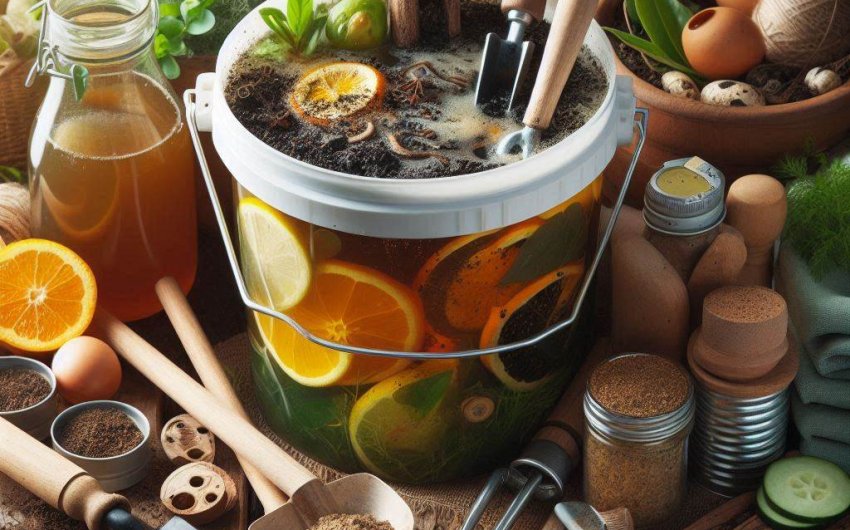
Compost tea is a natural, nutrient-rich liquid fertilizer that can transform your garden and indoor plants. It's simple to make, affordable, and a powerful way to support plant health and soil vitality. Whether you’re a seasoned gardener or just starting with a few houseplants, making compost tea can help plants thrive by enhancing growth, boosting resistance to pests, and improving overall soil quality.
In this guide, we’ll explore everything you need to know to make your own compost tea, including materials, methods, and tips for the best results.
What is Compost Tea?
Compost tea is essentially compost steeped in water, similar to how tea is made for drinking. By allowing organic matter like compost to sit in water, you create a concentrated liquid full of beneficial microorganisms, nutrients, and trace elements. This “tea” can then be applied to plants as a foliar spray (sprayed directly on leaves) or poured into the soil to nourish plants from the roots up.
Using compost tea offers a range of benefits, including:
- Boosting soil health: Compost tea introduces healthy microbes to the soil.
- Promoting stronger plants: It provides essential nutrients that can increase plant vigor.
- Enhancing pest resistance: Healthy plants are often more resistant to pests and diseases.
Benefits of Compost Tea for Plants
Using compost tea in your garden is like giving your plants a health booster shot. Here are some of the top benefits you can expect when using it regularly:
1. Improved Soil Structure
The microorganisms in compost tea improve soil texture, making it easier for roots to grow. By adding it to the soil, you’re helping create a balanced environment where roots can access nutrients and water more effectively. Use Soil Testing Kit to gauge the soil’s condition and see how it changes with compost tea over time.
2. Enhanced Nutrient Availability
Compost tea is packed with minerals and nutrients such as nitrogen, phosphorus, and potassium. These nutrients are made available in a form that plants can easily absorb. Adding it to your garden can reduce the need for chemical fertilizers, which can disrupt soil ecosystems.
3. Increased Disease Resistance
Compost tea can help plants resist diseases. When applied to leaves, it acts as a natural barrier against pathogens, reducing the likelihood of fungal infections and other plant diseases.
4. Better Plant Growth and Yield
For gardeners growing vegetables, flowers, or herbs, compost tea is a valuable ally. It enhances growth, resulting in lush foliage, vibrant flowers, and larger harvests. By introducing beneficial bacteria, it helps balance soil pH, which supports healthy plant development.
Materials You’ll Need to Make Compost Tea
Making compost tea at home is simple and requires only a few basic supplies. Here’s what you’ll need:
- Compost: This is the main ingredient. You can use any well-decomposed compost from your compost bin, or buy Organic Compost if you’re starting from scratch.
- Water: Ideally, use rainwater or distilled water, as tap water may contain chlorine. If you must use tap water, let it sit out for 24 hours to allow the chlorine to evaporate.
- Bucket or Container: A 5-gallon Bucket works well for this, but you can use any container that holds water.
- Bubbling or Aeration Device (optional): This step helps keep the tea oxygenated and boosts the growth of beneficial microorganisms. A small Air Pump for aquariums works perfectly.
- Strainer or Cheesecloth: You’ll use this to filter out solid particles before applying the tea.
How to Make DIY Compost Tea
Making compost tea is an easy process that doesn’t require fancy equipment. Here’s a step-by-step guide to creating your own batch.
Step 1: Gather Your Compost
Select high-quality compost, preferably organic and well-aged. It should smell earthy and be free from any foul odors, as this indicates that it’s fully decomposed. If you're using store-bought compost, look for Organic Compost Bags that are designed for easy use and rich in nutrients.
Step 2: Fill the Container with Water
Fill your bucket with water, ideally rainwater or distilled water. Avoid using water that contains chlorine, as it can kill beneficial microbes. If using tap water, let it sit uncovered for 24 hours to let the chlorine dissipate.
Step 3: Add Compost to the Water
For a standard 5-gallon bucket, add about one to two shovelfuls of compost, or approximately 2 cups for smaller containers. You can place the compost directly in the water or use a Compost Bag to make the filtering process easier later on.
Step 4: Aerate the Mixture (Optional but Beneficial)
Aeration, or adding oxygen, encourages beneficial bacteria to thrive, which results in a more effective compost tea. If you’re serious about gardening, consider using an Aquarium Air Pump with an air stone to bubble air through the mixture for 24 hours. This process is called “actively aerated compost tea” and can give you better results.
If you don’t have an air pump, you can still make compost tea. Just be sure to stir the mixture vigorously with a Garden Tool once or twice a day to introduce some oxygen.
Step 5: Let the Compost Tea Brew
Allow the compost tea to steep for 24 to 48 hours. During this time, you’ll notice the water taking on a rich brown color, which is a good sign. Avoid letting it brew for too long, as it can become anaerobic, which may harm your plants.
Step 6: Strain and Use the Compost Tea
Once the tea is ready, strain it through a Cheesecloth or fine mesh strainer to remove solid particles. This makes it easier to apply to your plants without clogging your spray bottle or watering can.
Applying Compost Tea to Plants
Now that your compost tea is ready, let’s go over the best ways to apply it to your plants.
1. As a Soil Drench
A soil drench is when you pour compost tea directly into the soil around your plants. It’s an effective way to feed plants from the root level. Pour it slowly to allow the nutrients to soak in deeply. Using a Watering Can is helpful for even application.
2. As a Foliar Spray
Applying compost tea as a foliar spray means spraying it directly onto plant leaves. This method helps plants absorb nutrients faster and can improve pest resistance. Pour the strained tea into a Spray Bottle and lightly mist the leaves. Try to apply the spray in the early morning or late afternoon to avoid sunburn on the leaves.
Compost Tea Variations and Add-Ins
For an extra boost, you can modify your compost tea recipe with various organic add-ins. These ingredients increase the diversity of nutrients, making the tea even more beneficial.
1. Molasses
Adding a small amount of Unsulfured Molasses provides food for beneficial bacteria, helping them multiply quickly. Just a tablespoon per gallon of water will be enough.
2. Seaweed Extract
Seaweed Extract contains trace minerals that plants love. It also enhances root development, making it an excellent addition for seedlings or young plants.
3. Fish Emulsion
Adding Fish Emulsion to compost tea provides a nitrogen boost. It’s ideal for leafy plants, but be mindful of the smell, as it can be strong.
4. Kelp Powder
Kelp is a nutrient-rich seaweed that’s beneficial for all plants. Mix in a teaspoon of Kelp Powder to supply essential micronutrients like magnesium and potassium.
Storing and Using Compost Tea
Compost tea is best used fresh. However, if you make more than you need, you can store it for a day or two in a cool, dark place. Keep it in a sealed Container to prevent it from losing oxygen, but remember that it will be most effective when fresh.
Tips for the Best Compost Tea Results
Creating effective compost tea takes a bit of practice. Here are some extra tips to help you achieve the best results:
1. Use High-Quality Ingredients
The quality of your compost tea depends on the quality of your compost. Choose nutrient-rich, organic compost and avoid any materials that may contain pesticides or chemicals. Using a Compost Bin to create your own compost at home is an easy way to ensure you have quality compost on hand.
2. Avoid Over-Fertilizing
While compost tea is beneficial, too much of it can overwhelm plants. Start with a weekly application for outdoor plants and a biweekly application for houseplants. Adjust the frequency based on how your plants respond.
3. Apply During the Growing Season
Compost tea is most beneficial during the active growing season, which is usually spring and summer for most plants. During these months, plants need extra nutrients to support growth and flowering. Avoid applying it during dormant periods, such as winter, when plants naturally grow more slowly.
4. Keep Equipment Clean
After making compost tea, thoroughly clean your buckets, aerators, and strainers. Leftover residue can harbor bacteria, which may spoil future batches. Use a Cleaning Brush to scrub your tools and rinse with hot water.
5. Experiment with Ratios
Feel free to experiment with the compost-to-water ratio to find what works best for your plants. Some plants prefer a more diluted tea, especially if they’re sensitive to high nutrient levels. A good starting point is 1 part compost to 4 parts water, but you can adjust based on your garden’s specific needs.
Making compost tea for your garden is a rewarding and effective way to support plant health without synthetic fertilizers. With the right ingredients and a bit of patience, you’ll see your plants flourish like never before. Happy gardening!