
DIY Compost Bin Maintenance: Tips for Smooth Outdoor Composting
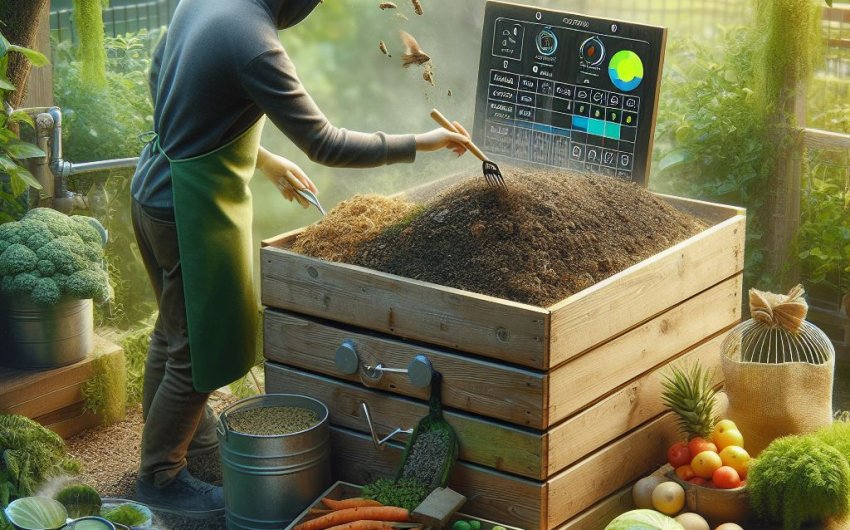
Maintaining a DIY compost bin is essential for efficient outdoor composting, primarily by regularly monitoring and adjusting its moisture levels, aeration, and the balance of "greens" (nitrogen-rich materials) and "browns" (carbon-rich materials). Consistent turning and proper material ratios prevent odors, speed up decomposition, and produce rich, usable compost.
What is a DIY Compost Bin?
A DIY compost bin is a homemade structure or container designed to break down organic waste into nutrient-rich soil amendment, known as compost. Unlike commercially produced bins, these are built using readily available materials like wooden pallets, wire mesh, or even repurposed trash cans, offering a cost-effective and customizable solution for home composting.
Why is compost bin maintenance important?
Compost bin maintenance is crucial because it directly impacts the efficiency and success of the composting process. Proper care ensures the organic materials break down quickly, prevents foul odors, deters pests, and ultimately yields high-quality compost for your garden. Without maintenance, your bin can become a slow, smelly mess.
What are the essential elements for successful composting?
Successful composting relies on a delicate balance of four key elements: carbon, nitrogen, water, and air. These elements fuel the microorganisms responsible for decomposition, transforming your kitchen scraps and yard waste into valuable garden gold. Understanding and managing these factors is at the heart of effective outdoor composting.
What are "greens" in composting?
"Greens" are the nitrogen-rich materials in your compost bin. They provide the protein source for the microbes, helping them multiply and work efficiently. Think of greens as the "fuel" for your compost pile, promoting rapid breakdown.
Common examples of "greens" include:
- Fruit and vegetable scraps
- Coffee grounds and filters
- Tea bags
- Grass clippings
- Fresh leaves
- Garden waste (non-woody, freshly cut)
- Eggshells (though slow to break down, they add minerals)
What are "browns" in composting?
"Browns" are the carbon-rich materials in your compost bin. They provide energy and structure for the microbial population, allowing for good airflow within the pile. Browns are essential for preventing a soggy, smelly mess and help maintain the ideal carbon-to-nitrogen ratio.
Common examples of "browns" include:
- Dry leaves
- Shredded newspaper and cardboard
- Wood chips and sawdust (untreated)
- Straw
- Pine needles
- Small twigs
- Paper towels and toilet paper rolls
What is the ideal carbon-to-nitrogen ratio?
The ideal carbon-to-nitrogen (C:N) ratio for efficient composting is roughly 25-30 parts carbon to 1 part nitrogen (25-30:1). This balance ensures the microbes have enough energy (carbon) and protein (nitrogen) to thrive. Too much nitrogen can lead to a smelly, slimy pile, while too much carbon slows down decomposition.
How do you maintain the right moisture level in a compost bin?
Maintaining the right moisture level is vital; your compost pile should feel like a wrung-out sponge – damp but not soggy. Too dry, and decomposition slows; too wet, and you risk anaerobic conditions, leading to bad odors and attracting pests. Regular checks and adjustments are key for smooth outdoor composting.
How do you check compost moisture?
To check compost moisture, simply reach into the pile and grab a handful of material. Squeeze it firmly. If a few drops of water come out, the moisture level is likely ideal. If it's bone dry, it needs water; if water streams out, it's too wet.
What should you do if your compost bin is too dry?
If your compost bin is too dry, add water slowly and evenly while turning the pile. You can use a garden hose with a sprayer or a watering can. Avoid drenching it; aim for a gentle moistening. Mixing in some fresh "greens" can also introduce moisture.
What should you do if your compost bin is too wet?
If your compost bin is too wet, you need to add more "browns", such as shredded cardboard, dry leaves, or straw. These carbon-rich materials absorb excess moisture and help to create more air pockets. Turning the pile vigorously will also help to dry it out.
How do you ensure proper aeration in your compost bin?
Proper aeration is achieved by regularly turning the compost pile. This introduces oxygen, which is crucial for the aerobic microbes that do the breaking down. Without enough air, your compost pile will become anaerobic, leading to unpleasant odors and a much slower decomposition process.
How often should you turn a compost pile?
For optimal outdoor composting, aim to turn your compost pile every 1-2 weeks. If you're looking for faster results or notice a decline in temperature, you can turn it more frequently. At a minimum, turn it once a month.
What tools are best for turning compost?
Several tools can make turning your compost pile easier:
- Compost fork: A sturdy compost fork with strong tines is ideal for lifting and aerating the material.
- Pitchfork: A standard pitchfork can also work well, especially for larger piles.
- Compost aerator: Some specialized tools, like a compost aerator, are designed to be plunged into the pile and twisted to create air channels without full turning.
How can you prevent odors in your compost bin?
Preventing odors in your compost bin comes down to maintaining the right balance of materials, moisture, and aeration. Most foul smells indicate an imbalance, usually too much nitrogen or not enough oxygen. Addressing these issues promptly is key for smooth outdoor composting.
What causes a rotten egg smell in compost?
A rotten egg smell, often described as a sulfurous odor, usually indicates anaerobic conditions within the compost bin. This happens when the pile is too wet or not getting enough air. Lack of oxygen forces anaerobic bacteria to take over, producing unpleasant gasses.
How do you fix a smelly compost bin?
To fix a smelly compost bin:
- Turn the pile thoroughly to introduce oxygen.
- Add plenty of "browns" like shredded newspaper, dry leaves, or straw to absorb excess moisture and create more air pockets.
- Avoid adding too many "greens" at once, especially rich food scraps, without balancing them with browns.
- Ensure proper drainage at the bottom of your DIY compost bin.
What materials should NOT go into a compost bin?
To prevent odors and deter pests, avoid adding these materials to your compost bin:
- Meat, bones, and fish scraps
- Dairy products
- Oils, grease, and fatty foods
- Pet waste (especially dog and cat feces)
- Diseased plants
- Chemically treated wood or sawdust
- Weeds with seeds (unless your pile gets very hot)
- Glossy or coated paper
How can you manage pests in your outdoor compost bin?
Managing pests in your outdoor compost bin largely involves proper maintenance practices that eliminate their food sources and habitat. A well-maintained bin that is actively decomposing is less attractive to unwanted visitors.
What pests are attracted to compost bins?
Common pests attracted to compost bins include:
- Rodents (rats and mice): Drawn to food scraps, especially meat and dairy.
- Flies: Attracted to exposed food waste, particularly fruit flies.
- Raccoons and possums: May raid bins for food, especially if easily accessible.
- Ants: Can be attracted to sweet or sugary residues.
How do you deter pests from your compost bin?
To deter pests from your DIY compost bin:
- Bury food scraps: Always cover fresh "greens" with a layer of "browns" or existing compost.
- Avoid prohibited materials: Never add meat, dairy, or oily foods.
- Use a sturdy bin: Ensure your DIY bin has a secure lid or solid sides that pests cannot easily breach.
- Maintain balance: A hot, actively decomposing pile is less attractive to pests.
- Location: Place your bin away from your house and other structures.
- Screening: If your bin is open, consider adding wire mesh around the base to deter burrowing rodents.
How do you know when compost is ready?
Compost is ready when it has transformed into a dark brown, crumbly material that smells earthy and fresh, like forest soil. It should no longer resemble the original ingredients you put in. This mature compost is then ready to enrich your garden.
What are the signs of finished compost?
Look for these key signs to determine if your compost is ready:
- Color: Dark brown or black.
- Texture: Crumbly and uniform, resembling rich soil.
- Smell: Earthy, like fresh soil, with no unpleasant odors.
- Temperature: The pile should be cool to the touch, indicating the active decomposition phase has ended.
- Original materials: Most of the original materials, except for perhaps some small woody bits, should be unrecognizable.
How do you harvest finished compost from a DIY bin?
Harvesting finished compost from a DIY bin depends on its design. For single-chamber bins, you often need to stop adding new materials for a period to allow everything to finish. For multi-chamber or continuous bins, it's easier to remove finished compost from the bottom or a designated section.
What are different ways to harvest compost?
- Sifting: For a very fine product, use a compost sifter or screen to separate finished compost from larger, unfinished pieces. The larger pieces can go back into the active pile.
- Bottom access: Some DIY bins, especially multi-chamber designs or those made from pallets, allow you to slide out finished compost from the bottom or sides without disturbing the upper layers.
- Layering method: For single piles, remove the unfinished top layer and set it aside. Then, scoop out the finished compost from the middle and bottom. Return the unfinished material to start a new pile.
What are some tips for building a good DIY compost bin?
Building a good DIY compost bin sets you up for successful outdoor composting from the start. Focus on designs that allow for easy access, good airflow, and durability.
What are popular DIY compost bin designs?
There are several popular and effective DIY compost bin designs:
- Pallet bin: Constructed from four wooden pallets wired or bolted together, this creates an open, well-aerated bin. You can easily add a fifth pallet for a removable front.
- Wire mesh bin: Simple and quick to build by shaping a length of hardware cloth or chicken wire into a cylinder. Excellent for aeration.
- Repurposed trash can: Drill numerous holes in an old plastic trash can for ventilation and drainage. A lid is essential.
- Three-bin system: A series of three connected bins (often made from pallets or wood) allows you to rotate compost. One bin is for new additions, one for actively decomposing material, and one for finished compost.
What materials are best for a DIY compost bin?
When choosing materials for your DIY compost bin, consider:
- Wood: Untreated lumber or pallets are excellent. Avoid treated wood as chemicals can leach into your compost.
- Wire mesh: Galvanized wire mesh or hardware cloth is durable and provides good airflow.
- Recycled plastic: Old plastic barrels or trash cans can be repurposed, just ensure adequate ventilation holes are drilled.
- Bricks or concrete blocks: Can create sturdy, permanent structures.
Where is the best location for an outdoor compost bin?
Choose a location for your outdoor compost bin that is:
- Shady or partially shady: Helps prevent the pile from drying out too quickly, especially in hot climates.
- Well-drained: Avoid areas prone to standing water.
- Accessible: Close enough to your kitchen for easy additions, but not so close that it causes issues.
- Away from structures: Give it some space from your house, shed, or fence.
- On bare soil: Allows beneficial microorganisms and worms to migrate into the pile and excess moisture to drain.
Can you compost all year round?
Yes, you can absolutely compost all year round, even in colder climates. While decomposition slows significantly or even pauses during freezing temperatures, the microbial activity will resume once warmer weather returns.
What happens to compost in winter?
In winter, the composting process generally slows down or becomes dormant in colder regions. The microbial activity, which generates heat, reduces drastically when temperatures drop below freezing. You can continue adding materials, but expect them to break down primarily in the spring.
How can you keep your compost active in winter?
To keep your compost as active as possible in winter:
- Insulate your bin: Add a layer of straw, old blankets, or cardboard around the outside of your DIY compost bin.
- Build a larger pile: Larger piles retain heat better.
- Add "hot" materials: Continue adding nitrogen-rich scraps like coffee grounds and fresh food waste to provide fuel.
- Turn less frequently: Turning too often can release valuable heat.
- Shelter: If possible, place your bin in a somewhat sheltered spot.
What are the benefits of using homemade compost?
Using homemade compost offers a multitude of benefits for your garden and the environment. It's a sustainable way to enrich your soil, reduce waste, and grow healthier plants.
How does compost improve soil?
Compost is often called "black gold" because it dramatically improves soil in several ways:
- Enriches soil with nutrients: Provides a slow-release source of essential plant nutrients.
- Improves soil structure: Makes heavy clay soils more workable and helps sandy soils retain water.
- Increases water retention: Acts like a sponge, holding moisture in the soil.
- Enhances drainage: Prevents waterlogging in compacted soils.
- Boosts beneficial microbial activity: Introduces a diverse ecosystem of helpful microorganisms.
- Suppresses plant diseases: Healthy soil often leads to healthier plants.
- Buffers pH: Helps to stabilize soil pH, making nutrients more available to plants.
What are the environmental benefits of composting?
Composting offers significant environmental advantages:
- Reduces landfill waste: Diverts organic materials from landfills, where they produce methane, a potent greenhouse gas.
- Lowers carbon footprint: Reduces the need for synthetic fertilizers, which have an energy-intensive production process.
- Conserves water: Compost-enriched soil holds water better, reducing irrigation needs.
- Supports biodiversity: Creates a healthier soil ecosystem.
Maintaining your DIY compost bin with regular attention to moisture, aeration, and the balance of organic materials ensures a smooth and efficient outdoor composting process. These simple practices help you create nutrient-rich compost, transforming your garden waste into a valuable resource for healthier plants and a more sustainable home.