
Blooms That Wow: Elevate Your Space with Altar Flowers
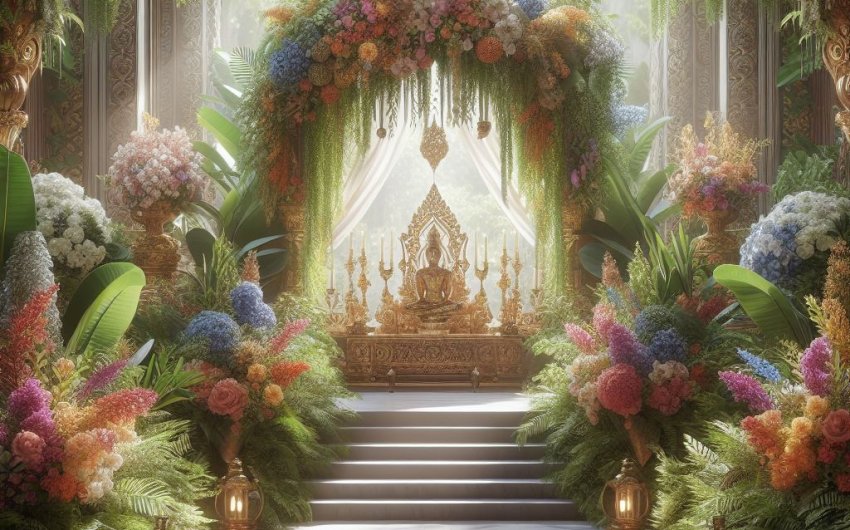
To elevate your space with altar flowers, select blooms and arrangements that reflect the purpose and aesthetic of the area, ensuring fresh, vibrant displays that create a focal point and evoke a desired mood. Prioritize flowers with personal significance, appropriate colors, and long-lasting qualities to maintain their beauty and impact.
What Are Altar Flowers and Why Are They Important?
Altar flowers are floral arrangements specifically chosen and placed on or around an altar or dedicated sacred space, whether for religious ceremonies, spiritual practices, or personal reflection. They are important because they symbolize reverence, beauty, and renewal, enhancing the ambiance and drawing attention to the sacred focal point within a room or setting. These special blooms can transform an ordinary space into one of profound meaning.
How Do Altar Flowers Enhance a Space's Atmosphere?
Altar flowers profoundly enhance a space's atmosphere by introducing natural beauty, vibrant colors, and often subtle fragrances. They create a sense of peace, celebration, or solemnity, depending on the arrangement and flower choices, instantly elevating the visual appeal and emotional resonance of any dedicated area. Their presence softens harsh lines and adds an organic, living element.
What Emotions Can Altar Flowers Evoke?
Different altar flowers and arrangements can evoke a wide range of emotions:
- Peace and Serenity: White lilies, orchids, and soft pastel roses.
- Joy and Celebration: Bright mixed bouquets, sunflowers, and gerbera daisies.
- Love and Devotion: Red roses, tulips, and peonies.
- Hope and Renewal: Spring blooms like daffodils and hyacinths.
- Remembrance and Comfort: Carnations, chrysanthemums, and deep-toned roses.
What Types of Spaces Benefit Most from Altar Flowers?
While traditionally associated with religious settings, altar flowers can benefit any space designated for reflection, meditation, or special occasions. This includes home altars, personal meditation corners, quiet reading nooks, or even elegant dining tables set for a meaningful gathering. Any area where you wish to create a focal point of beauty and intention is an ideal candidate.
Can Altar Flowers Be Used in Home Decor?
Absolutely! Altar flowers are perfect for home decor, especially in areas where you seek to create a serene or inspirational ambiance. Placing them on a mantelpiece, a side table in a quiet corner, or a dedicated shelf can instantly elevate the mood and visual appeal, bringing a touch of nature's elegance indoors.
How Do You Choose the Right Altar Flowers for Your Space?
Choosing the right altar flowers involves considering the purpose of the space, the existing decor, the color scheme, and any personal significances you wish to convey. The goal is to select blooms that complement the environment and enhance the desired atmosphere, ensuring they "wow" without overwhelming.
What Factors Influence Flower Selection?
When selecting your blooms for altar arrangements, consider these factors:
- Purpose of the Space/Event: Is it for daily meditation, a special anniversary, or a remembrance?
- Color Palette: Do you want complementary or contrasting colors with your decor?
- Seasonality: Seasonal flowers are often fresher, more affordable, and more sustainable.
- Fragrance: Do you prefer subtle, strong, or no scent?
- Longevity: Some flowers last longer than others, which is important for sustained beauty.
- Personal Meaning: Choose flowers that hold special significance to you or the occasion.
- Allergies: Be mindful of strong pollens if anyone in the space has allergies.
What Are the Best Flowers for Altar Arrangements?
The best flowers for altar arrangements are those that offer beauty, symbolism, and good vase life, allowing your display to shine for an extended period. While choices vary by personal taste and occasion, certain blooms consistently deliver "wow" factor and elegance.
Top Choices for Long-Lasting Altar Flowers:
- Orchids: Elegant, exotic, and known for their exceptional longevity. Varieties like Phalaenopsis are stunning.
- Lilies: Classic and stately, many types of lilies (like Oriental or Asiatic) last well and offer beautiful fragrance (though some can be strong).
- Carnations: Often underestimated, carnations are incredibly durable, come in many colors, and offer ruffled texture.
- Chrysanthemums (Mums): Robust and long-lasting, available in a vast array of shapes and colors.
- Alstroemeria (Peruvian Lily): A delicate appearance belies its strength; alstroemeria lasts weeks.
- Roses: A timeless favorite, especially varieties like garden roses or spray roses which hold up well.
- Lisianthus: Resembles roses but often has an even longer vase life, with delicate, ruffled petals.
- Gladiolus: Tall and striking, ideal for creating dramatic height in an arrangement.
How Do You Care for Cut Altar Flowers to Make Them Last?
Proper care is paramount to making your cut altar flowers last, ensuring their vibrant beauty elevates your space for as long as possible. A few simple steps, consistently followed, can significantly extend the life of your blooms.
Essential Steps for Flower Longevity:
- Trim Stems: Upon receiving or cutting, re-trim about 1 inch off the bottom of each stem at a 45-degree angle while holding it under water. This prevents air bubbles from blocking water uptake.
- Remove Lower Leaves: Strip any leaves that would fall below the waterline in your vase. Submerged leaves decompose quickly, introducing bacteria that shorten flower life.
- Use Clean Vases and Fresh Water: Always use a thoroughly cleaned vase and fill it with fresh, cool water mixed with a flower food packet. The flower food provides essential nutrients.
- Change Water Daily: Replace the water in your vase daily or every other day. Re-cut stems every few days for best results.
- Keep Away from Direct Sun and Heat: Place your altar flowers in a cool spot, away from direct sunlight, drafts, and heat sources (like radiators or ripening fruit), which can cause them to wilt prematurely.
- Mist Occasionally: For certain flowers, a light misting with water can help keep petals fresh, especially in dry environments. Use a fine mist sprayer.
What Are the Best Vases and Containers for Altar Flowers?
The best vases and containers for altar flowers are those that complement the arrangement style, the size of your blooms, and the aesthetic of your space. Choose options that are sturdy, appropriate in scale, and enhance the overall presentation without detracting from the flowers themselves.
Choosing the Right Vessel:
- Clear Glass Vases: Versatile and timeless, allowing the stems and water to be visible, adding to the natural beauty.
- Ceramic or Stoneware Vases: Offer an earthy, grounded feel, excellent for rustic or traditional spaces.
- Metal Containers: Brass, copper, or silver vases can add a touch of elegance or vintage charm.
- Compotes or Urns: Ideal for lavish, dramatic arrangements, often used for larger altars or events.
- Bud Vases: Perfect for showcasing single blooms or small sprigs in a minimalist, delicate way. Consider a set of small bud vases for scattered impact.
- Repurposed Items: Clean jars, antique bottles, or unique decorative pieces can become charming and personal containers.
How Do You Design a Beautiful Altar Flower Arrangement?
Designing a beautiful altar flower arrangement involves considering balance, color harmony, texture, and the overall shape that best suits your space and intention. It's about creating a harmonious display that captivates and contributes to the desired atmosphere.
Step-by-Step Guide to Arranging Altar Flowers:
- Choose Your Focal Flower: Select one or two dominant blooms that will be the stars of your arrangement.
- Prepare Your Container: Fill your chosen vase with fresh water and flower food. For stability and shaping, you might use floral foam (pre-soaked), a flower frog, or crisscross tape across the opening of the vase.
- Create Your Greenery Base: Start by adding filler greens (e.g., eucalyptus, ruscus, leather leaf fern) to establish the basic shape and size of your arrangement. Aim for a natural, organic feel.
- Insert Your Focal Flowers: Place your largest or most impactful flowers first, positioning them to create the central interest point.
- Add Secondary Flowers: Incorporate your next largest flowers, distributing them evenly to complement the focal blooms.
- Fill in with Filler Flowers: Use smaller, delicate blooms (e.g., baby's breath, solidago, statice) to fill gaps, add texture, and create a fuller look.
- Adjust and Refine: Step back and assess your arrangement from different angles. Trim stems as needed to create varying heights and depths. Ensure all flower stems reach the water.
- Consider Height and Width: For altar arrangements, ensure they are not so tall as to obstruct views or so wide as to dominate the space ungracefully. A good rule of thumb is that the arrangement should be no more than 1.5 times the height of your vase.
What Are Popular Styles for Altar Flower Arrangements?
Popular styles for altar flower arrangements range from traditional and grand to modern and minimalist, each offering a distinct aesthetic to complement different spaces and occasions. Understanding these styles helps you create a display that truly "wows."
Common Altar Flower Arrangement Styles:
- Traditional: Often symmetrical, grand, and lush, featuring classic blooms like roses, lilies, and gladiolus in opulent vases.
- Modern/Minimalist: Clean lines, often asymmetric, focusing on fewer, impactful blooms like orchids or calla lilies in sleek, contemporary containers.
- Rustic/Garden-Inspired: Natural and organic, featuring loose, flowing arrangements with wildflowers, garden roses, and abundant greenery, often in more casual vessels.
- Cascading: Features flowers and foliage that gracefully drape downwards, creating a romantic and opulent effect, ideal for taller altars or pedestals.
- Pillar/Column Arrangements: Tall, upright arrangements often used to flank an altar, adding vertical interest and grandeur.
How Can Color Theory Guide Your Altar Flower Choices?
Color theory is a powerful tool to guide your altar flower choices, allowing you to create arrangements that evoke specific moods, complement existing decor, and achieve a visually striking impact. Understanding how colors interact is key to a cohesive and beautiful display.
Basic Color Theory for Flowers:
- Monochromatic: Using different shades and tints of a single color (e.g., various shades of pink roses) for a sophisticated, harmonious look.
- Analogous: Combining colors that are next to each other on the color wheel (e.g., yellows, oranges, and reds) for a rich, vibrant, yet harmonious feel.
- Complementary: Pairing colors opposite each other on the color wheel (e.g., purple and yellow) for high contrast and visual excitement. Use sparingly for bold impact.
- Triadic: Using three colors equally spaced on the color wheel (e.g., red, yellow, blue) for a balanced, vibrant, and playful feel.
- Warm Colors: Reds, oranges, yellows – tend to feel energetic, inviting, and intimate.
- Cool Colors: Blues, greens, purples – tend to feel calming, peaceful, and expansive.
- Neutrals: Whites, creams, pastels – offer elegance, purity, and can soften bolder colors.
What Seasonal Flowers Are Best for Altar Arrangements?
Opting for seasonal flowers for your altar arrangements not only ensures the freshest blooms but can also be more sustainable and often more economical. Aligning your choices with the season adds a natural connection to the time of year, enriching your space with timely beauty.
Seasonal Altar Flower Suggestions:
| Season | Examples of Altar Flowers | Vibe for Your Space |
|---|---|---|
| Spring | Tulips, Daffodils, Hyacinths, Peonies, Lilacs | Fresh, hopeful, awakening, joyful |
| Summer | Sunflowers, Dahlias, Hydrangeas, Zinnias, Roses | Vibrant, abundant, celebratory, warm |
| Autumn | Chrysanthemums, Solidago, Ornamental Cabbage, Dahlias (late) | Rich, cozy, reflective, earthy |
| Winter | Amaryllis, Paperwhites, Evergreens, Hellebores, Ilex Berries | Serene, elegant, festive, reflective |
How Can You Incorporate Greenery and Filler into Altar Arrangements?
Incorporating greenery and filler flowers is essential for creating depth, texture, and fullness in your altar arrangements. They provide a lush backdrop for your star blooms, help define the shape, and add a natural, organic feel, transforming simple flowers into a "wow" display.
Best Greenery and Filler Options:
- Eucalyptus: Silver dollar, seeded, or parvifolia eucalyptus offers distinct shapes, colors, and often a lovely scent.
- Ruscus: Comes in Italian or Israeli varieties, providing glossy, deep green leaves with good structure.
- Leatherleaf Fern: A classic choice, offering abundant, sturdy green foliage.
- Lemon Leaf (Salal): Features broad, glossy leaves, excellent for filling space.
- Baby's Breath (Gypsophila): Delicate white clusters add an airy, ethereal feel.
- Statice: Small, papery blooms that provide texture and come in various colors.
- Solidago: Bright yellow clusters add a pop of color and natural texture.
- Hypericum Berries: Small, decorative berries in various colors add visual interest and texture.
- Pittosporum: Offers variegated or solid green leaves, useful for structure and filling.
What Are Budget-Friendly Tips for Altar Flowers?
Elevating your space with altar flowers doesn't have to break the bank. There are numerous budget-friendly tips that allow you to create stunning, impactful arrangements without overspending, proving that beauty can be achieved economically.
Smart Ways to Save on Altar Flowers:
- Buy Seasonal Flowers: These are typically more abundant and less expensive.
- Utilize Grocery Store Blooms: Many supermarkets offer a good selection of fresh cut flowers at lower prices.
- Focus on Greenery: Incorporate more foliage from your garden or inexpensive bulk greenery to add volume without costly blooms.
- Grow Your Own Flowers: If you have a garden, grow flowers specifically for cutting, like zinnias, cosmos, or hydrangeas.
- Use Fewer, More Impactful Blooms: Sometimes a single, dramatic orchid or lily in a beautiful vase can have more impact than a cluttered, inexpensive bouquet.
- Repurpose Existing Vases: Don't buy new; use decorative bottles, jars, or bowls you already own.
- DIY Arrangements: Arranging flowers yourself saves on florist fees.
- Buy in Bulk: If you need many flowers, consider buying a single type of flower in bulk from a wholesaler or a market.
- Supplement with Faux Flowers: For hard-to-find or very expensive blooms, consider using high-quality artificial flowers mixed with fresh greenery.
How Can You Make Your Altar Flowers Stand Out?
To make your altar flowers truly stand out, focus on thoughtful design, unexpected elements, and strategic placement that draws the eye and complements the significance of your space. It's about creating a memorable focal point that commands attention and contributes to the overall ambiance.
Ideas to Make Your Blooms Pop:
- Vary Heights and Textures: Don't create a flat arrangement. Use tall blooms, medium-sized flowers, and cascading elements for dynamic visual interest. Mix delicate petals with sturdy foliage.
- Incorporate Unique Elements: Add branches, interesting seed pods, succulents, or even carefully selected decorative stones to your arrangement for an unexpected touch.
- Use Lighting: Strategic lighting can dramatically enhance your altar flowers. Consider small LED fairy lights woven into the greenery or spotlights.
- Create a Cluster of Vases: Instead of one large arrangement, use several smaller, complementary arrangements or bud vases grouped together for a modern, impactful display.
- Consider the Background: Ensure the background behind your altar flowers is uncluttered and doesn't distract from the blooms.
- Add a Personal Touch: Incorporate an item of personal significance, like a cherished ribbon, a small charm, or a special stone, subtly within the arrangement.
- Use Mirrors: Placing a mirror behind or to the side of your arrangement can double its visual impact and reflect light.
What Are the Environmental Considerations for Altar Flowers?
Considering the environmental impact of altar flowers involves making choices that are sustainable, reduce waste, and support eco-friendly practices throughout the entire process, from sourcing to disposal. Conscious decisions help you elevate your space responsibly.
Eco-Friendly Flower Practices:
- Choose Local and Seasonal Flowers: Reduces the carbon footprint associated with long-distance transportation and supports local growers.
- Opt for Organic or Sustainably Grown Flowers: Avoid blooms treated with harmful pesticides and chemicals.
- Minimize Floral Foam Use: Traditional floral foam (oasis) is a microplastic and not biodegradable. Explore alternatives like flower frogs, chicken wire, or natural supports.
- Reuse Vases and Containers: Wash and reuse your existing vases or source them from thrift stores instead of buying new.
- Compost Spent Flowers: Once your flowers have faded, add them to your compost bin to return nutrients to the earth.
- Avoid Excessive Packaging: Ask your florist to minimize plastic wrapping or choose growers who use sustainable packaging.
- Grow Your Own: The most environmentally friendly option is to cultivate your own cut flowers in your garden.
How Can You Preserve Altar Flowers as a Keepsake?
Preserving altar flowers as a keepsake allows you to cherish the beauty and memories associated with them long after they've faded. Several methods can help you transform your beautiful blooms into lasting mementos.
Methods for Preserving Flowers:
- Air Drying: The simplest method. Gather stems, remove lower leaves, tie them with string, and hang them upside down in a cool, dark, dry place with good air circulation for 2-4 weeks.
- Pressing: Ideal for flat flowers. Place blooms between sheets of absorbent paper (like newspaper or blotter paper) within a heavy book or a flower press. This takes several weeks.
- Silica Gel: This desiccant powder preserves flowers quickly while retaining their color and shape remarkably well. Place flowers in an airtight container completely covered with silica gel. It typically takes a few days to a week. You can find silica gel for flower drying online.
- Resin Casting: For a truly unique keepsake, embed individual petals or small dried blooms in clear epoxy resin to create jewelry, paperweights, or other decorative items.
- Wax Dipping: Dipping flowers in melted paraffin wax can preserve them, giving them a slightly translucent, waxy finish. This method can be delicate.
What Is the Symbolism Behind Common Altar Flowers?
Understanding the symbolism behind common altar flowers can add deeper meaning to your arrangements, allowing you to convey specific messages and intentions within your space. Each bloom often carries a rich history of significance that can enhance your "wow" factor.
Common Flower Symbolism:
| Flower Name | Common Symbolism |
|---|---|
| Rose | Love, passion, beauty, respect (color-dependent) |
| Lily | Purity, innocence, majesty, new beginnings |
| Orchid | Love, beauty, luxury, strength, exotic elegance |
| Carnation | Love, fascination, distinction (color-dependent) |
| Chrysanthemum | Cheerfulness, longevity, joy, fidelity |
| Tulip | Perfect love, happiness, charity |
| Sunflower | Adoration, longevity, loyalty, good fortune |
| Daffodil | New beginnings, hope, joy, remembrance |
| Hydrangea | Gratitude, grace, beauty, abundance |
| Baby's Breath | Everlasting love, innocence, purity, humility |
Elevating your space with altar flowers is a beautiful way to infuse meaning, beauty, and tranquility into any room. By carefully selecting your blooms, nurturing them with proper care, and arranging them thoughtfully, you can create stunning displays that truly wow and enrich your environment, serving as a constant source of inspiration and natural elegance.