
The Origin and Popularity of Cactus Christmas Trees: A Cultural Exploration
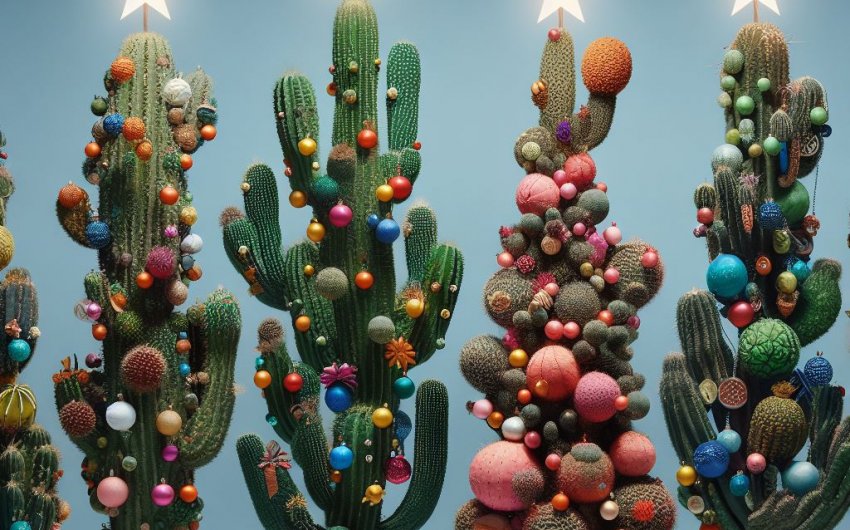
The origin and popularity of cactus Christmas trees reveal a fascinating cultural exploration, emerging as a creative adaptation of holiday traditions, particularly in arid regions and among eco-conscious individuals. This trend blends traditional festive symbolism with modern values of sustainability, unique aesthetics, and regional identity, offering a reusable and distinctive alternative to conventional evergreens.
Why are cactus Christmas trees a rising star in holiday celebrations?
Cactus Christmas trees represent a captivating intersection of ancient holiday traditions and modern sensibilities, transforming a classic symbol into a fresh, unique expression of festive cheer. Far from being a fleeting trend, their rising popularity is rooted in a fascinating cultural evolution, driven by shifts in demographics, environmental awareness, and a desire for personalized aesthetics. Understanding their origin and appeal offers a deeper insight into this intriguing holiday phenomenon.
What is the historical context of the traditional Christmas tree?
The evergreen Christmas tree, a beloved symbol of the holidays, has roots in ancient traditions far older than Christianity.
- Pagan Origins:
- Winter Solstice: The tradition of bringing evergreens indoors originated with pagan cultures in pre-Christian Europe (Germanic, Celtic, Roman). Evergreens symbolized life, rebirth, and hope during the darkest days of winter (the winter solstice), reminding people that spring would return.
- Protection: They were believed to ward off evil spirits and illness.
- Early Christian Adoption:
- Germanic Influence: The modern Christmas tree tradition is widely attributed to 16th-century Germany, where devout Christian Germans began decorating fir trees with candles.
- Protestant Symbolism: Martin Luther is often credited with adding candles after being inspired by stars twinkling through evergreens.
- Victorian Era Popularization:
- Queen Victoria: The custom spread globally after a drawing of Queen Victoria, Prince Albert (of German descent), and their children around a decorated Christmas tree was published in 1846. This image rapidly popularized the tradition in England and America.
- Industrialization: Mass production of ornaments made trees more accessible.
- Modern Tradition: Today, the Christmas tree is a global symbol, varying in form (cut, artificial, potted) but retaining its core meaning of festivity and hope.
What defines the "cactus Christmas tree" trend?
A cactus Christmas tree is a contemporary reinterpretation of this ancient tradition, using cacti or large succulents as the festive centerpiece.
- Living Plant: The core of the trend is decorating a living, potted cactus or large, tree-like succulent (e.g., Peruvian apple cactus, pencil cactus, large jade plant).
- Unique Aesthetic: It offers a distinctive, often minimalist, sculptural, or Southwestern-inspired aesthetic that stands in stark contrast to the dense, conical evergreen.
- Sustainable: It is inherently reusable year after year, appealing to eco-conscious consumers.
- Regional Adaptation: Particularly popular and relevant in arid or desert climates (e.g., Southwestern U.S., parts of Australia).
- Personalization: Encourages creative, often DIY decoration that reflects individual style.
How does this trend reflect a cultural shift?
The emergence of the cactus Christmas tree isn't just about novelty; it signals deeper cultural currents.
- Environmental Consciousness: A growing global awareness of sustainability, waste reduction, and climate change. Consumers are actively seeking greener alternatives to disposable holiday items.
- Personalized Holidays: A move away from rigid, mass-market traditions towards more individualized, authentic, and culturally relevant celebrations.
- Urbanization and Small Spaces: The increasing number of people living in apartments and smaller homes necessitates space-saving decor solutions, making compact potted plants ideal.
- Houseplant Resurgence: The boom in houseplant popularity has normalized bringing diverse living plants indoors as decor. Cacti and succulents are particularly popular for their low maintenance.
- Appreciation for Diverse Aesthetics: A broader appreciation for non-traditional, often minimalist or desert-inspired, aesthetics in home design.
- Digital Influence: Social media platforms (Instagram, Pinterest) play a huge role in spreading unique decorating ideas and normalizing unconventional trends.
The cactus Christmas tree is a vibrant example of how traditions evolve, adapting to new values, aesthetics, and environmental imperatives, all while retaining the core spirit of holiday cheer.
What are the origins of the cactus Christmas tree trend?
The cactus Christmas tree trend doesn't have a single origin point like the traditional evergreen, but rather emerged from a confluence of regional adaptation, cultural influences, and growing environmental awareness. Its rise can be traced through distinct geographical and social pathways.
1. Regional Adaptation in Arid Climates.
The most intuitive origin for the cactus Christmas tree lies in areas where evergreen trees are not native or readily available.
- Southwestern United States:
- Context: In states like Arizona, New Mexico, Texas, and parts of California, native evergreens like pine and fir are often found only in higher elevations or are scarce. Cacti and succulents, however, are ubiquitous and iconic symbols of the landscape.
- Natural Fit: For decades, residents of these arid regions have naturally gravitated towards decorating what's locally abundant and representative of their environment. This includes adorning outdoor saguaro cacti, ocotillos, or even large prickly pear pads with lights and ornaments.
- Authenticity: This practice isn't just an alternative; it's an authentic reflection of the local culture and ecosystem, feeling more "natural" in a desert Christmas setting than an imported fir.
- Similar Climates Globally: Regions with similar warm, dry climates (e.g., parts of Australia, Mexico, Mediterranean coastal areas) have also seen organic adoption of decorating native or locally grown succulents and cacti.
2. Growing Environmental Consciousness and Sustainability.
The global push for more eco-friendly living has significantly fueled the trend.
- Questioning Disposable Trees: As awareness of landfill waste and carbon footprints increased, consumers began questioning the sustainability of annually cut evergreen trees and the long-term impact of non-biodegradable artificial trees.
- Desire for Reusable Decor: The cactus offers a perfect solution: a living, reusable decoration that can be enjoyed year after year, minimizing waste.
- Reduced Carbon Footprint: Choosing a locally sourced or existing potted cactus reduces transportation emissions and avoids the energy-intensive production of artificial trees.
- Water Conservation: The inherent drought tolerance of cacti aligns with water-wise gardening and sustainable living principles.
3. The Houseplant Boom and Biophilic Design.
The explosion in houseplant popularity has brought diverse flora into homes, ready for new roles.
- Plants as Living Decor: The increased interest in houseplants has normalized the idea of living plants as central decorative elements, year-round. Cacti and succulents, with their unique forms and low maintenance, are popular choices.
- Biophilic Connection: As urban living becomes more prevalent, people seek ways to connect with nature indoors. A living cactus Christmas tree provides this connection in a visually striking way.
- DIY and Craft Culture: The houseplant trend often overlaps with a strong DIY and crafting culture, where people enjoy personalizing their decor. Decorating a cactus is a fun, creative project.
4. Social Media and Digital Trend Acceleration.
Online platforms have played a huge role in spreading and normalizing the trend.
- Visual Appeal: The unique and aesthetically pleasing nature of a decorated cactus is highly shareable on platforms like Instagram, Pinterest, and TikTok.
- Inspiration and DIY Guides: Online communities and content creators share inspiring photos, tutorials, and tips, making the idea accessible and actionable for a global audience.
- Celebrity/Influencer Endorsement: When influencers or celebrities adopt the trend, its visibility and desirability multiply.
The cactus Christmas tree trend, therefore, is not a sudden invention but a natural evolution, born from a desire for authenticity in specific regions, amplified by a global consciousness for sustainability, embraced by a new generation of plant lovers, and rapidly disseminated through digital culture.
How do cactus Christmas trees blend tradition with modern aesthetics?
The enduring appeal of cactus Christmas trees lies in their fascinating ability to blend the heartwarming traditions of the holiday season with contemporary aesthetic sensibilities. This creates a fresh, unique, and deeply personal form of festive decor that resonates with diverse tastes and modern living.
1. Reinterpreting Traditional Symbolism.
The cactus subtly embodies the core symbolic meaning of a Christmas tree.
- Life and Resilience: Just as evergreens symbolize life and hope amidst winter's cold, cacti symbolize life, resilience, and endurance in harsh, arid environments. This reinterpretation maintains the spirit of enduring life during a celebratory time.
- Light in Darkness: Decorating with lights transforms the cactus into a beacon of warmth and cheer, mirroring the traditional theme of light (candles, stars) during the darkest time of year.
- Family Gathering: While unconventional, decorating a cactus can become a new, cherished family tradition, fostering togetherness and shared creativity, just like decorating a traditional tree.
- Gift Giving: Gifts can still be placed around the base, maintaining the ritual.
2. Adapting to Diverse Decor Styles.
The cactus's inherent versatility allows it to complement a wide range of modern aesthetics.
- Modern Minimalist: Its clean lines, sculptural form, and often muted green/gray tones fit perfectly into minimalist interiors. Decorated with simple, geometric, or monochrome ornaments, it enhances a contemporary, uncluttered look.
- Southwestern / Bohemian Chic: This is its most natural fit. Paired with earthy textures, warm metallics (copper, gold), vibrant jewel tones (turquoise, coral), and natural elements (feathers, dried chilies), it creates an authentic and inviting Southwestern-inspired holiday vibe.
- Rustic / Natural: Utilizing natural ornaments like small wood slices, dried seed pods, and pine cones, the cactus enhances a rustic, organic aesthetic, bringing outdoor elements indoors.
- Eclectic / Maximalist: For those who love bold and varied decor, a cactus provides an unexpected base for a vibrant mix of colorful, whimsical, or handcrafted ornaments, allowing for playful expression.
- Industrial / Urban: The rugged texture of some cacti can contrast beautifully with industrial materials like concrete, metal, or exposed brick, creating an intriguing juxtaposition when adorned with festive lights.
3. Fostering Personalized and Creative Expression.
The cactus offers a unique canvas for individual style, moving away from mass-produced uniformity.
- DIY and Handmade: The trend encourages creating your own lightweight ornaments from natural materials, paper, felt, or repurposed items, further enhancing personalization.
- Themed Decor: It naturally lends itself to creative themes (desert oasis, celestial, geometric, native artisan) that might not work with a traditional tree.
- Unconventional Beauty: It challenges aesthetic norms, encouraging appreciation for unconventional beauty and embracing imperfections, which is a hallmark of modern artistic trends.
- Color Palette Freedom: While earth tones are a natural fit, the cactus's green/gray palette is neutral enough to allow for experimentation with unexpected color combinations.
4. Practicality for Modern Lifestyles.
Beyond aesthetics, the practical benefits align with contemporary living.
- Space-Saving: For urban dwellers, compact cactus varieties offer a festive solution without demanding precious floor space.
- Low Maintenance: The drought-tolerant nature of cacti aligns with busy lifestyles that desire beauty and sustainability without extensive daily upkeep.
- Allergy-Friendly: A boon for households with allergies, offering a safe and natural alternative to pollen and sap.
By gracefully integrating traditional holiday symbolism with modern desires for unique aesthetics, sustainability, and personal expression, the cactus Christmas tree has become a beloved and evolving emblem of contemporary holiday celebrations.
How does the cactus Christmas tree promote sustainability and eco-conscious living?
The cactus Christmas tree is a powerful symbol and practical tool for promoting sustainability and eco-conscious living during the holiday season. It directly addresses key environmental concerns associated with traditional holiday decor, offering a greener, more responsible, and impactful way to celebrate.
1. Drastically Reduces Holiday Waste.
This is the most significant environmental advantage.
- Reusable Year After Year: The primary benefit. A living cactus can be decorated annually, for decades.
- Benefit: This entirely eliminates the annual waste stream generated by discarding cut trees (which often end up in landfills) or replacing artificial trees (which are non-biodegradable plastic).
- Prevents Methane Emissions: When organic material (like a cut tree) decomposes in oxygen-deprived landfills, it produces methane (CH₄), a potent greenhouse gas. By using a reusable living cactus, you directly prevent this methane generation from tree waste.
- No Non-Biodegradable Waste: Artificial trees, made predominantly from PVC plastic and metal, are almost impossible to recycle and persist in landfills for centuries. A cactus avoids contributing to this long-term plastic pollution.
- Minimizes Packaging Waste: A living cactus, purchased once, avoids the recurring packaging waste associated with annual tree purchases (netting, bags for cut trees, boxes for artificial trees).
2. Conserves Precious Natural Resources.
Cacti's inherent adaptations make them resource-efficient.
- Low Water Consumption: Cacti are extremely drought-tolerant. They store water in their stems, requiring very infrequent watering, especially during winter dormancy.
- Benefit: This conserves significant amounts of freshwater compared to the daily hydration needed for a cut tree or the water-intensive manufacturing processes of artificial trees.
- Reduced Transportation Emissions:
- Cut Trees: Involve extensive transportation from farms, often across states or regions, to retail lots, burning fossil fuels and releasing CO₂.
- Artificial Trees: Mostly manufactured in distant countries (e.g., China), requiring vast international shipping.
- Cactus: Often sourced from local or regional nurseries, or propagated from existing plants, significantly minimizing transportation miles and associated CO₂ emissions.
- Avoids Resource Extraction: Choosing a living cactus avoids the resource extraction (petroleum for plastic, mining for metals) and energy consumption associated with manufacturing artificial trees.
- Sustainable Cultivation: Cacti are resilient and typically require fewer synthetic fertilizers and pesticides compared to intensive commercial evergreen farming practices, further reducing their ecological footprint.
3. Fosters Connection to Nature and Biophilic Values.
A living plant in the home promotes environmental awareness.
- Indoor Air Quality: As a living plant, the cactus absorbs carbon dioxide and releases oxygen, and can help filter some indoor air pollutants, contributing to a healthier home environment.
- Biophilic Benefits: Brings a unique piece of nature indoors, fostering a connection to the natural world and improving well-being, especially during the often stark winter months.
- Educational Impact: Serves as a tangible example of sustainability for families, teaching children about plant life cycles, resource conservation, and making eco-conscious choices.
4. Promotes Mindful Consumption and Creativity.
The cactus Christmas tree encourages a more thoughtful approach to holiday decorating.
- Shift from Disposable to Reusable: It actively challenges the consumerist mindset of disposable holiday decor, promoting values of longevity and reusability.
- Inspires DIY and Upcycling: Encourages the creation of handmade, natural, or upcycled ornaments, further reducing waste and personalizing decorations.
- Ethical Consumerism: Choosing a sustainable option over less eco-friendly alternatives reflects a commitment to ethical and responsible consumerism during a high-consumption period.
The cactus Christmas tree is more than just a decorative choice; it's a living symbol of sustainable living, a practical step towards a greener holiday season, and a meaningful contribution to a healthier planet, year after year.
What is the best way to care for a cactus Christmas tree for long-term sustainability?
The true sustainability of a cactus Christmas tree hinges on its long-term health and reusability. Proper care, adapted specifically for the temporary period of decoration and the cactus's unique winter needs, is crucial for ensuring your festive plant thrives year after year. Neglecting its care can negate its eco-friendly benefits if the plant is stressed or dies.
1. Prioritize Cactus Health and Safety During Decoration.
The first step in long-term sustainability is ensuring the cactus survives the decorating process.
- DO: Choose a healthy, robust cactus that is well-established in its pot.
- DO: Use thick, puncture-resistant gloves for handling.
- DO: Select lightweight, non-damaging ornaments. Opt for clips, loose ties, or balancing elements instead of piercing the cactus.
- DO: Use battery-operated LED fairy lights, which generate no heat.
- DO: Distribute decorations evenly to avoid stressing specific branches or making the plant top-heavy.
- DON'T: Use heavy ornaments, incandescent lights, or force attachments that could tear spines or plant tissue.
- DON'T: Decorate a cactus that is already stressed, diseased, or infested with pests.
2. Adapt Care for the Decorated Cactus During Winter.
The cactus still has basic needs, even when it's a centerpiece.
- Light Exposure (Maintain High Levels):
- DO: Ensure the decorated cactus continues to receive its optimal amount of bright, direct sunlight (6-8+ hours daily for most desert cacti). If its spot is now darker due to decorations or being moved indoors, provide supplemental LED grow lights for 12-16 hours a day.
- Why: Lack of light causes stress, leggy growth, and a dull appearance.
- Watering (Sparingly and Carefully):
- DO: Continue to water only when the soil is completely dry to the touch, all the way through the pot. This can be very infrequent in winter (e.g., once every 3-6 weeks).
- DO: Bottom water by placing the pot in a shallow basin of water for 15-30 minutes. This avoids wetting the cactus body and decorations.
- DO: Allow the pot to drain completely after watering.
- DON'T: Top water.
- DON'T: Overwater. This is the biggest killer. Use a soil moisture meter for accuracy.
- Temperature Stability and Dry Air:
- DO: Maintain moderate indoor temperatures (60-75°F / 15-24°C). Avoid cold drafts or direct heat sources.
- DO: Ensure good air circulation.
- DON'T: Mist the decorated cactus or place it near a humidifier. Cacti prefer dry air; excess moisture can promote rot.
- Pest Vigilance:
- DO: Regularly inspect the cactus for pests (especially mealybugs, spider mites), as dry indoor air makes plants vulnerable. Remove decorations from affected areas to treat if necessary.
3. Safely Undecorate and Transition Post-Holidays.
The transition back to year-round living is crucial for plant recovery.
- Gentle Removal of Decor:
- DO: Carefully and slowly remove all ornaments and lights. Avoid pulling, tugging, or yanking, which can damage the cactus.
- Post-Decoration Inspection:
- DO: After undecorating, thoroughly inspect the cactus for any signs of stress, physical damage (broken spines, tears), or hidden pests. Address any issues promptly.
- Return to Normal Care and Location:
- DO: Immediately return the cactus to its optimal, year-round growing location, ensuring it receives its full sun requirements.
- DO: Resume your normal, year-round care routine (light, infrequent watering, minimal fertilization in spring/summer).
- Why: It needs to recover from any temporary stress and return to its natural growth cycle.
- Sustainable Storage of Decorations:
- DO: Carefully store all your reusable ornaments and lights for next year's display.
- Why: This closes the loop on sustainable holiday decorating.
By conscientiously applying these care practices throughout the decorating period and during the post-holiday transition, you ensure your cactus Christmas tree remains a thriving, long-lived plant. This commitment to its health is the very essence of its sustainability, allowing it to bring unique beauty and eco-conscious joy to your holidays for many seasons to come.