
Cactus Christmas Tree: An Innovative Approach to Pet-Safe Holiday Decor
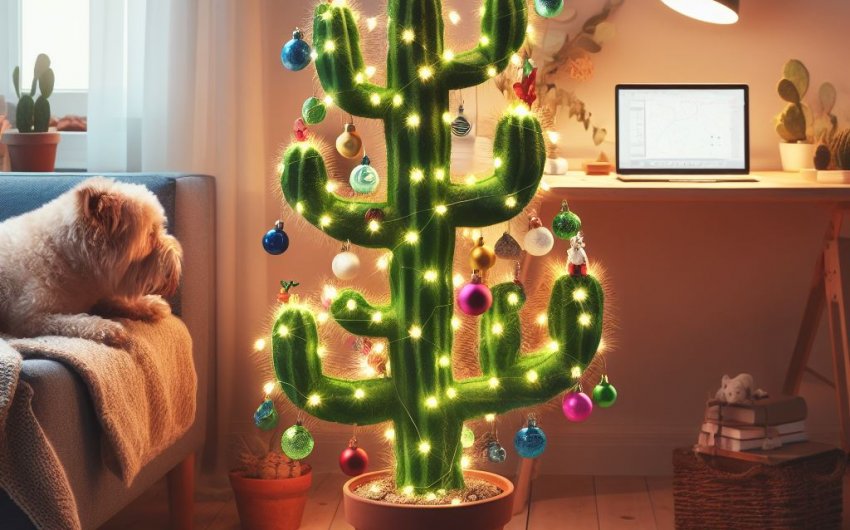
A cactus Christmas tree offers an innovative approach to pet-safe holiday decor by deterring curious pets with its natural spines, eliminating the ingestion risk of toxic evergreens and fallen needles, and avoiding the entanglement hazards of flimsy artificial trees. This unique and sustainable centerpiece allows families to celebrate safely while embracing a distinct aesthetic.
Why is traditional holiday decor often unsafe for pets?
The festive cheer of traditional holiday decor often comes with hidden dangers for curious pets. While beautiful, many common Christmas trees and decorations pose significant health risks to dogs, cats, and other household animals, turning holiday celebrations into potential veterinary emergencies. Understanding these risks is the first step toward creating a truly pet-safe holiday home.
What are the dangers of traditional Christmas trees for pets?
Both live cut trees and artificial trees, the mainstays of holiday decor, present specific hazards for pets.
- Live Cut Christmas Trees:
- Toxicity: The sap from pine, fir, and spruce trees can be mildly toxic to pets, causing mouth irritation, vomiting, and diarrhea if ingested.
- Needle Ingestion: The sharp needles, especially when dried, can cause mouth irritation, stomach upset, or even internal punctures. They can also get lodged in paws or throats.
- Water Contamination: The water in the tree stand can contain sap, fertilizers, or even bacterial growth, all of which are unhealthy for pets to drink.
- Falling Tree: Curious pets (especially cats climbing) can knock over an unsecured tree, causing injury to themselves or others, and breaking fragile ornaments.
- Artificial Christmas Trees:
- Plastic Ingestion: Made from PVC plastic, ingesting pieces of plastic "needles" can cause choking, internal blockages, or digestive upset. The plastic itself is not digestible.
- Toxic Materials: Some older artificial trees may contain lead in their PVC, which is a severe health hazard if ingested.
- Falling Tree: Like live trees, an unsecured artificial tree can be knocked over, causing injury.
What are the dangers of common holiday decorations for pets?
Beyond the tree itself, many popular holiday decorations are hazardous.
- Ornaments:
- Glass Ornaments: Easily shattered, creating sharp shards that can cause cuts in mouths, paws, or internal organs if swallowed.
- Small/Plastic Ornaments: Choking hazards or can cause intestinal blockages if swallowed.
- Edible Ornaments: Popcorn garlands, gingerbread men, or candy canes are tempting, but often contain ingredients harmful to pets (e.g., xylitol in some candies, high sugar/fat).
- Lights and Electrical Cords:
- Chewing Hazards: Pets, especially puppies and kittens, can chew on electrical cords, leading to electric shock, burns, or even electrocution.
- Fire Risk: Damaged cords can pose a fire hazard.
- Tinsel and Ribbons:
- Linear Foreign Bodies: These are extremely dangerous for cats. If ingested, tinsel can bunch up in the intestines, causing them to pleat or bunch (linear foreign body obstruction), which often requires emergency surgery.
- Poinsettias and Other Toxic Plants: While less toxic than commonly believed, poinsettias can cause mild gastrointestinal upset. Other festive plants like holly, mistletoe, and lilies are more severely toxic.
- Candles: Open flames pose a burn and fire risk if knocked over by curious pets.
- Food Scraps/Sweets: Leftover holiday food, chocolates, alcohol, and baked goods often contain ingredients that are toxic or dangerous for pets.
Understanding these pervasive dangers highlights the urgent need for innovative, pet-safe holiday decor solutions that allow families to celebrate the season without risking the health and safety of their beloved animal companions.
How does a cactus Christmas tree offer inherent pet-safety advantages?
A cactus Christmas tree presents a remarkably innovative approach to pet-safe holiday decor, leveraging its natural features to minimize risks that traditional trees pose. Its unique characteristics offer inherent advantages, making it a thoughtful choice for homes with curious cats, playful dogs, and other inquisitive pets.
1. Natural Deterrent: The power of spines.
This is the most obvious and effective pet-safety feature of a cactus.
- Self-Regulating Barrier: The very spines that require care for humans during decoration act as a natural, built-in deterrent for curious pets. Dogs and cats are unlikely to repeatedly try to chew on or climb a spiky cactus.
- Benefit: Prevents pets from climbing the tree, batting at ornaments, or getting tangled in lights.
- Contrast to Traditional Trees: Unlike an evergreen whose branches offer enticing climbing opportunities for cats, or a flimsy artificial tree that can be easily knocked over, a cactus actively discourages physical interaction.
- Reduced Temptation: The cactus itself does not offer the same enticing texture for chewing as pine needles or soft plastic, further reducing interest.
- Minimal Ingestion Risk: Even if a pet attempts a quick sniff or lick (which is unlikely to last long), there are no loose needles or plastic bits to ingest.
2. Elimination of Toxin and Ingestion Hazards.
A cactus tree removes many of the internal dangers associated with traditional trees.
- No Toxic Needles/Sap: The sap from most common "Christmas tree" cacti (like Cereus, Mammillaria, or Jade plants) is generally considered non-toxic or only mildly irritating if ingested, unlike pine/fir sap or PVC plastic.
- No Falling Needles/Plastic Pieces: Since the cactus retains its form, there are no shed needles or small plastic pieces that pets can accidentally ingest, eliminating risks of internal punctures or blockages.
- Safe "Tree Stand" Water: If the cactus is bottom-watered (as recommended), there's no open tree stand water to become contaminated with sap/fertilizer or to attract pets. If watered from above, the drainage water is simply clean water that has passed through the potting mix.
- Less Attractive to Chew: The spines and rough texture are typically less appealing for chewing than soft evergreen needles or plastic.
3. Safer Decoration Environment.
The unique structure of a cactus encourages safer decorating choices.
- Prioritizes Lightweight Ornaments: Decorating a cactus inherently forces you to choose lightweight, non-damaging ornaments (felt, paper, plastic, natural elements).
- Benefit: Reduces the risk of choking hazards or internal injuries from broken glass or ingested metal/plastic if an ornament does get dislodged.
- Limits Ornament Quantity: Due to their structure, cacti usually hold fewer ornaments than dense evergreens, reducing the sheer number of potentially hazardous items.
- Battery-Operated LED Lights: The recommended lighting (battery-operated LED fairy lights) eliminates dangling electrical cords, a major chewing and shock hazard for pets.
- Benefit: Removes the risk of electrocution or burns.
- No Tinsel: Tinsel, a deadly linear foreign body for cats, is visually unsuited to a cactus aesthetic, so it's naturally avoided.
4. Reduced Entanglement Risk.
- No Loose Branches/Dense Foliage: Unlike the dense, sprawling branches of traditional trees, which pets (especially cats) can get tangled in, a columnar cactus offers less opportunity for entanglement.
- Secured Decorations: Ornaments are typically clipped or loosely tied, rather than precariously balanced.
By leveraging its natural spiky deterrent and encouraging inherently safer decorating choices, a cactus Christmas tree provides an innovative and highly effective pet-safe holiday decor solution, allowing families to celebrate the festive season with peace of mind.
What common holiday pet hazards does a cactus Christmas tree avoid?
A cactus Christmas tree, by its very nature, eliminates many of the common and dangerous holiday hazards that traditional evergreen or artificial trees and their accompanying decorations pose to pets. This makes it a proactive choice for a safer festive season.
1. Eliminating Tree-Related Hazards.
- No Toxic Needles/Sap:
- Traditional Trees: Pine, fir, and spruce needles and sap can cause mouth irritation, vomiting, and diarrhea if ingested by curious pets.
- Cactus Christmas Tree: The common cacti used (e.g., Cereus, Euphorbia tirucalli, Jade) are generally considered non-toxic or only mildly irritating. There are no loose needles to ingest.
- No Contaminated Tree Water:
- Traditional Trees: Water in a tree stand can harbor sap, fertilizers, or bacteria, which can be harmful if pets drink it.
- Cactus Christmas Tree: A potted cactus eliminates this open water source. If bottom-watered, there's no accessible stand water.
- Natural Climbing Deterrent:
- Traditional Trees: Especially appealing to cats, who see them as giant scratching posts and climbing structures, risking injury from falls or broken ornaments.
- Cactus Christmas Tree: The spines act as a powerful deterrent, making it highly unlikely a cat or dog would attempt to climb or repeatedly bat at it.
- Reduced Tipping Hazard:
- Traditional Trees: Can be unstable, especially if unsecured, and easily tipped over by playful pets, causing injury or damage.
- Cactus Christmas Tree: Often planted in heavy, stable pots. While not immune to tipping, the inherent deterrent reduces the likelihood of pets actively trying to scale it.
2. Avoiding Hazardous Decorations.
The aesthetic and structural nature of a cactus tree naturally guides towards safer ornament choices.
- No Tinsel:
- Traditional Decor: Tinsel is a notorious danger for cats, who are attracted to its sparkle. If ingested, it can cause a severe linear foreign body obstruction in the intestines, requiring emergency surgery.
- Cactus Christmas Tree: Tinsel simply doesn't suit a cactus aesthetic, so it's naturally not used.
- Reduced Risk from Ornaments:
- Traditional Decor: Heavy glass ornaments can shatter, creating dangerous shards. Small plastic ornaments are choking hazards or can cause internal blockages. Edible ornaments are tempting and may contain pet-toxic ingredients.
- Cactus Christmas Tree: The limited space and need for lightweight, non-damaging ornaments mean gardeners often opt for felt, paper, fabric, or small plastic decorations that pose less risk if dislodged or ingested.
- No Exposed Electrical Cords:
- Traditional Decor: Dangling light strings and extension cords are an irresistible chewing hazard for pets, leading to electric shock, burns, or electrocution.
- Cactus Christmas Tree: The recommended battery-operated LED fairy lights eliminate these exposed electrical hazards.
- No Real Candles:
- Traditional Decor: Open flames pose a fire and burn risk if knocked over by pets.
- Cactus Christmas Tree: LED flameless candles or lanterns are the safe alternative, avoiding fire hazards.
- Avoid Toxic Plants:
- Traditional Decor: Festive plants like holly (toxic berries), mistletoe (toxic leaves/berries), and lilies (highly toxic to cats) are common.
- Cactus Christmas Tree: While you might still have these elsewhere, the cactus itself is not typically a severely toxic plant, and its spines deter interaction.
3. Safer Festive Environment.
The overall approach of a cactus Christmas tree contributes to a healthier home.
- Fewer Chemicals: The low maintenance of cacti means less reliance on harsh chemicals in their care, contributing to a cleaner indoor environment.
- Less Clutter: Often, a cactus Christmas tree implies a more minimalist approach to decorating, reducing the sheer number of tempting and potentially hazardous items for pets to interact with.
By choosing a cactus Christmas tree, pet owners can proactively eliminate a wide array of common holiday dangers, creating a festive, yet inherently safer, environment for their furry family members to enjoy the holiday season.
How do I choose and prepare a pet-safe cactus for my Christmas tree?
Choosing and preparing a pet-safe cactus for your Christmas tree involves careful selection of the right species, inspecting for health, and taking specific precautions to ensure the plant itself is as safe as possible for curious pets. The goal is to minimize risks while creating a beautiful festive centerpiece.
1. Select the Safest Cactus or Succulent Species.
While spines are a natural deterrent, some species are inherently safer or more manageable.
- Best Choices (Low/No Spines, Non-Toxic):
- Pencil Cactus (Euphorbia tirucalli): While its milky sap can be an irritant, the plant itself is virtually spineless, making it safe to touch for pets (though ingestion of sap should be discouraged). It has a great tree-like form.
- Jade Plant (Crassula ovata and cultivars): Completely spineless and generally considered non-toxic. Develops a woody trunk and branches beautifully.
- *Christmas Cactus (Schlumbergera spp.):* Spineless, non-toxic, and naturally festive with winter blooms. A perfect pet-safe choice!
- Fairy Castle Cactus (Acanthocereus tetragonus f. monstrosus): Has small spines, but its multi-columnar structure is appealing, and spines are often less rigid than other cacti.
- Cautionary Choices (Manageable Spines):
- Peruvian Apple Cactus (Cereus peruvianus): Has spines, but they are often fewer and larger, making them more visible and less likely to break off easily than finer spines. Use this if you want a tall, classic cactus look, but rely heavily on its deterrent.
- Avoid (High Risk):
- Opuntia (Prickly Pear): While visually appealing, its minute, barbed glochids are extremely irritating, detach easily, and are very difficult to remove. A high risk for curious pets. Generally avoid for pet-safe decor.
- Any Highly Toxic Species: Research any lesser-known cactus/succulent for toxicity.
- "Pet-Safe" is Relative: While spines are a deterrent, no plant is 100% "pet-proof" against a determined animal. The goal is to minimize attractiveness and harm.
2. Purchase a Healthy, Stable Plant.
A strong, healthy base is crucial for safety and longevity.
- Vibrant, Healthy Plant:
- DO: Select a cactus or succulent that looks vigorous, has healthy, firm foliage, and shows no signs of stress, pests, or disease.
- Why: A weak plant is more prone to damage from decorations or accidental contact.
- Stable Potting:
- DO: Ensure the cactus is planted in a sturdy, heavy pot that won't easily tip over, especially once decorated. Heavy ceramic or terracotta pots are good.
- DO: If it's in a lightweight nursery pot, place it inside a heavier, decorative outer pot.
- DO: You can add decorative pebbles or sand to the top of the soil for stability and aesthetics.
- Root Check:
- DO: Gently check the plant's roots (if possible) to ensure they are healthy and not severely root-bound.
3. Prepare the Cactus for Decoration.
Minimize stress and potential harm during setup.
- Clean the Cactus:
- DO: Gently brush off any dust or debris from the cactus surface with a soft brush or a light blast of air.
- DON'T: Use water to spray down the cactus just before decorating, which can trap moisture.
- Water Prior:
- DO: Water your cactus a few days before decorating, ensuring it's adequately hydrated. Then, allow the soil to dry out as usual.
- Why: You'll want to avoid watering during the decorating process or immediately afterward.
- Personal Safety (Non-Negotiable):
- DO: Always wear thick, puncture-resistant gloves (e.g., heavy leather gardening gloves) when handling any spiky cactus.
- DO: Use long-handled tongs or a thick towel for extra protection when positioning the plant.
- DON'T: Touch the cactus with bare hands, even if it looks "soft."
4. Create a Pet-Safe Base Environment.
- Secure Placement:
- DO: Place the decorated cactus on a stable, pet-inaccessible surface if possible (e.g., a high shelf, a sturdy table pets can't reach).
- Why: Reduces the chance of pets interacting with it or knocking it over.
- Physical Barriers (Optional):
- DO: For very determined pets or highly active households, consider placing a small decorative fence or barrier around the base of the pot.
By carefully choosing a pet-safe cactus variety, ensuring its health and stability, and taking appropriate safety measures during preparation, you set the stage for an innovative and worry-free holiday centerpiece that is safe for all members of your family, including the furry ones.
How do I decorate a cactus Christmas tree to maximize pet safety?
Decorating a cactus Christmas tree with pet safety in mind means choosing the right ornaments and lighting, and applying them in ways that minimize temptation and potential harm. It’s about creating a festive atmosphere that is both visually appealing and worry-free for your beloved animals.
1. Opt for Pet-Safe Lighting.
Eliminating electrical hazards is paramount.
- Battery-Operated LED Fairy Lights (Highly Recommended):
- DO: Use small, lightweight, battery-operated LED fairy lights (often called "rice lights" or "micro LED string lights").
- Why:
- No Exposed Cords: Eliminates the major chewing hazard of electrical cords, preventing electric shock, burns, or electrocution.
- Low Heat: LEDs generate very little heat, crucial for not scorching cactus tissue or posing a fire risk.
- Lightweight: Minimizes weight on fragile cactus branches.
- A common option is LED fairy lights battery operated.
- Flameless LED Candles:
- DO: Use battery-operated LED flameless candles or miniature lanterns for ambient glow around the base.
- Why: Eliminates the fire risk of open flames.
- DON'T: Use traditional incandescent string lights with exposed cords or heat-generating bulbs.
- DON'T: Use real candles near the cactus or anywhere pets can access.
2. Choose Pet-Safe Ornaments.
Focus on materials and sizes that pose minimal risk if dislodged or ingested.
- Shatterproof and Non-Toxic:
- DO: Select ornaments made from shatterproof plastic, felt, fabric, paper, wood, or other natural, non-toxic materials.
- Why: Prevents dangerous shards (from glass) or indigestible components (from certain metals/plastics) if broken or chewed.
- DON'T: Use glass, fragile ceramic, or heavy metal ornaments.
- Size Matters (Not too small, not too large):
- DO: Choose ornaments that are too large to be swallowed whole but not so large or heavy that they easily dislodge.
- Why: Avoids choking hazards or intestinal blockages from small, swallowed items.
- Avoid Edible Ornaments:
- DO: Refrain from using popcorn garlands, gingerbread cookies, candy canes, or any food-based ornaments.
- Why: These are highly tempting to pets and may contain ingredients (e.g., chocolate, xylitol) that are toxic or unhealthy.
- No Tinsel or Garland:
- DO: Avoid tinsel entirely.
- DON'T: Drape long strands of beads, yarn, or ribbon as garlands.
- Why: Tinsel and linear garlands are extremely dangerous for cats if ingested, causing potentially fatal intestinal obstructions.
3. Use Safe Attachment Methods.
Minimize the risk of ornaments falling off or damaging the cactus.
- Clips or Loose Ties:
- DO: Use miniature clothesline clips or small ornament clips that gently attach to a spine or the edge of a pad.
- DO: If using string or yarn, make loose loops around a sturdy branch or spine.
- Why: Securely attaches ornaments while allowing for easy removal and minimizing damage to the cactus.
- Balance Effectively:
- DO: For spineless succulents or cacti, gently balance very lightweight ornaments on flat surfaces or in crevices.
- Distribute Weight Evenly:
- DO: Place ornaments evenly around the cactus to avoid overloading one section, which could cause breakage.
4. Create a Pet-Safe Display Base.
The area around the pot should also be safe.
- Cover Exposed Soil:
- DO: Cover the top of the potting mix with decorative river pebbles, sand, or a large, flat stone.
- Why: Prevents pets from digging in the soil or ingesting potentially harmful potting mix.
- A common option is decorative river pebbles.
- Elevate If Possible:
- DO: Place the decorated cactus on a sturdy table or shelf that is inaccessible to pets, especially if your pet is prone to mischief.
- Keep Food/Drink Away:
- DO: Ensure no human food, drinks, or pet-toxic holiday plants (holly, mistletoe) are placed near the cactus tree or within pet reach.
By meticulously choosing pet-safe lights and ornaments and applying them with careful, secure attachment methods, you can transform your cactus into a beautiful and worry-free Christmas tree, ensuring a joyful and safe holiday season for your entire family, including your cherished pets.
How do I care for my pet-safe cactus Christmas tree through the holidays?
Caring for your pet-safe cactus Christmas tree through the holidays involves adapting your regular cactus care routine to its temporary decorated state. This ensures the plant remains healthy, vibrant, and reusable year after year, fully maximizing its pet-safety and eco-friendly benefits.
1. Maintain Optimal Cactus Health and Environment.
A healthy cactus is a resilient cactus, less prone to problems.
- Light Exposure (Crucial):
- DO: Ensure your decorated cactus continues to receive its optimal amount of bright, direct sunlight (6-8+ hours daily for most desert cacti). If you've moved it to a dimmer spot, provide supplemental LED grow lights for 12-16 hours a day.
- Why: Lack of light causes stress, leggy growth, and a dull appearance, making the plant more vulnerable.
- Temperature Stability:
- DO: Maintain moderate indoor temperatures, ideally between 60-75°F (15-24°C).
- DON'T: Place the cactus near cold drafts from windows/doors, or direct blasts of heat from radiators/fireplaces. Rapid temperature changes or dry heat stress the plant.
- Humidity and Air Circulation:
- DO: Cacti prefer dry air. Ensure good air circulation around the decorated plant.
- DON'T: Mist a decorated cactus or place it near a humidifier. Excess moisture on the cactus body can promote fungal issues around spines and lead to rot.
- Pet Monitoring (Continued):
- DO: Even with its natural deterrent, keep an eye on your pets' behavior around the cactus tree. If a pet seems overly interested or stressed by the new decor, address their behavior or move the tree.
2. Implement a Safe Watering Routine.
Watering is critical, but must be done without disturbing decorations or risking the cactus.
- Infrequent Watering (Still Key):
- DO: Continue to water only when the soil is completely dry to the touch, all the way through the pot. This is particularly important in winter when cacti are dormant. Frequency can be 3-6 weeks or longer.
- Why: Overwatering is the biggest killer.
- Bottom Watering (Recommended):
- DO: To avoid getting ornaments, lights, or the cactus body wet, bottom water the decorated cactus. Place the entire pot in a basin of shallow water (1-2 inches deep) for 15-30 minutes, allowing the soil to soak up water from the drainage holes.
- DON'T: Top water.
- DO: After bottom watering, remove the pot and allow it to drain completely for an hour or two. Don't let it sit in standing water.
- A soil moisture meter can help confirm when the soil is completely dry.
- Fertilization (Avoid in Winter):
- DO: Do not fertilize your cactus Christmas tree during the winter months. Resume a very light schedule in spring.
- Why: Cacti are dormant in winter and cannot utilize fertilizer, leading to salt buildup and root burn.
3. Maintain Vigilance for Pests.
- Regular Inspection:
- DO: Continue to visually inspect the cactus for signs of pests (mealybugs in crevices, spider mites on undersides of stems/pads).
- Why: Decorations can inadvertently create hiding spots.
- Targeted Treatment:
- DO: If pests are found, carefully remove ornaments from the affected area. Spot treat mealybugs with rubbing alcohol on a cotton swab. For spider mites, increase humidity, wash the plant (after removing all decor), and use insecticidal soap or neem oil (avoiding decorations).
- DON'T: Spray broad-spectrum insecticides.
4. Safely Undecorate After the Holidays.
The transition back to its normal state is crucial for the cactus.
- Gentle Removal of Decor:
- DO: Carefully and slowly remove all ornaments and lights. Avoid pulling, tugging, or yanking, which can damage the cactus.
- Post-Decoration Inspection:
- DO: After undecorating, thoroughly inspect the cactus for any signs of stress, physical damage (broken spines, tears), or hidden pests. Address any issues promptly.
- Return to Normal Care:
- DO: Immediately return the cactus to its optimal, year-round growing location, ensuring it receives its full sun requirements.
- DO: Resume its normal, year-round care routine (infrequent watering, minimal fertilization in spring/summer).
- Why: It needs to recover from any temporary stress and return to its natural growth cycle.
- Sustainable Storage:
- DO: Carefully store all your reusable, pet-safe decorations for next year.
By diligently adhering to these maintenance guidelines, you ensure your pet-safe cactus Christmas tree remains a healthy, thriving plant. This commitment allows it to serve as a unique, sustainable, and worry-free centerpiece for many joyful and safe holiday seasons to come for your entire family, including your cherished pets.