
How Do I Maintain the Vibrant Color of My Red Aglaonema?
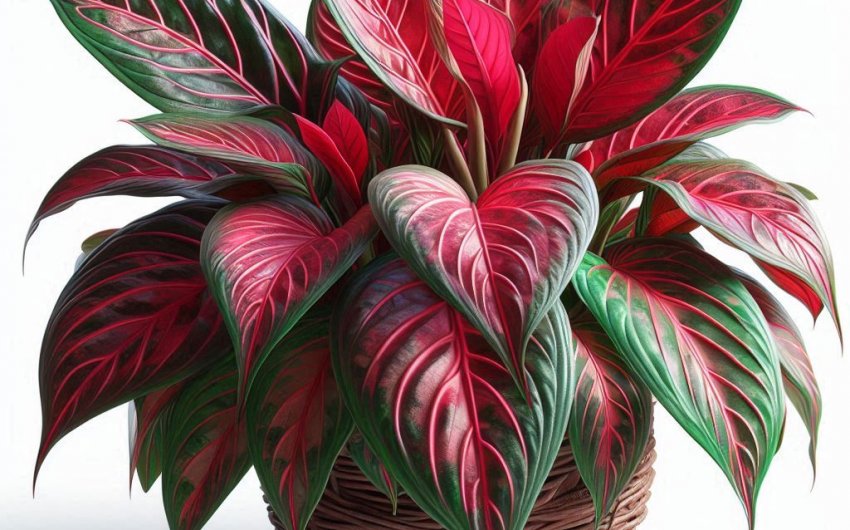
You've been captivated by the dazzling display of your Red Aglaonema (Aglaonema spp., particularly cultivars like 'Siam Aurora', 'Red Zircon', 'Sparkling Sarah'). Its fiery red, vibrant pink, or rich burgundy hues splashed across dark green leaves make it a living work of art, a true statement piece that adds unparalleled color to any indoor space. But sometimes, those brilliant colors seem to fade, becoming duller, or more green than red, leaving you wondering, "How do I maintain the vibrant color of my Red Aglaonema?"
The secret to preserving and enhancing the spectacular coloration of your Red Aglaonema lies in a few specific care factors, primarily light. While these striking plants are generally forgiving, maximizing their unique variegation requires a nuanced approach to their environment. It's about providing the precise conditions that allow their genetic potential for brilliant color to shine through.
This guide will demystify the art of nurturing the intense hues of your Red Aglaonema. We'll delve into the science behind their color, pinpoint the crucial environmental factors that influence it, and provide actionable pro tips for maintaining and even intensifying that dazzling red, pink, or burgundy. Get ready to unlock the secrets to a continuously vibrant and stunning display from your living work of art!
Understanding Your Red Aglaonema: The Science of Color
To effectively maintain the vibrant color of your Red Aglaonema, it's essential to understand why it has those beautiful hues in the first place and what influences them. This knowledge is the foundation for proper care.
1. A Member of the Chinese Evergreen Family (Araceae)
- Origin: Aglaonemas are native to the tropical and subtropical regions of Asia (e.g., Thailand, Malaysia, Indonesia, the Philippines).
- Natural Habitat: In their wild habitat, most Aglaonemas grow in the understory of dense rainforests, receiving filtered or dappled sunlight. They are accustomed to warm temperatures and high humidity.
- Ease of Care: Aglaonemas are generally known for being relatively easy houseplants, tolerating lower light levels and some neglect better than many tropicals.
2. The Science of Red Pigments: Anthocyanins and Carotenoids
- Chlorophyll (Green): All plants have chlorophyll, the green pigment responsible for photosynthesis (making food from light). It's always present in your Aglaonema's leaves.
- Non-Chlorophyll Pigments: The red, pink, orange, and yellow hues you see in variegated plants (including your Red Aglaonema) come from other pigments:
- Anthocyanins: These pigments are responsible for the red, purple, and blue colors in plants. Their production is often influenced by factors like light intensity, nutrient availability, and even stress.
- Carotenoids: These are responsible for yellow, orange, and some red colors.
- Genetic Predisposition: The type of variegation (red splashes vs. pink speckles vs. white pinstripes like a Philodendron Birkin) and its potential intensity are determined by the plant's genetics (its cultivar). You can't turn a green Aglaonema red. But you can maximize the genetic potential of a Red Aglaonema.
- The Balancing Act: For the red or pink color to be truly vibrant, there needs to be a balance. The plant needs enough light to produce some chlorophyll (for growth), but also specific conditions that trigger optimal anthocyanin production, allowing the red to dominate over the green.
3. Factors Influencing Red Color Intensity
Several environmental factors can significantly influence how brightly those red pigments are expressed in your Red Aglaonema:
- Light Intensity: This is the most crucial factor. The right amount of bright, indirect light is paramount for optimal red coloration.
- Temperature: Consistent warmth promotes robust growth, indirectly supporting pigment production.
- Nutrient Availability: Adequate phosphorus and micronutrients can play a role.
- Plant Health: A healthy, unstressed plant will generally display its best colors.
Understanding these underlying mechanisms empowers you to provide the precise care needed to truly maintain the vibrant color of your Red Aglaonema and showcase its full stunning potential.
Light: The Master Key to Your Red Aglaonema's Vibrant Color
If you want to maintain the vibrant color of your Red Aglaonema, light is the single most important factor. It directly influences the production and intensity of those coveted red, pink, or burgundy pigments. Getting the light level just right is the ultimate pro tip.
1. The Ideal Light Condition: Bright, Indirect Light
- Definition: Place your Red Aglaonema where it receives abundant bright, indirect light. This means the area is very well-lit, but the plant's leaves are not directly hit by harsh sun rays for prolonged periods.
- Good Locations: An east-facing window (morning sun is gentle and beneficial), a few feet back from a south-facing window, or directly in a west-facing window but with a sheer curtain to diffuse intense afternoon sun.
- Goal: The light should be strong enough to make its colors pop, but not so strong that it scorches the delicate leaves. Think of it like a brightly lit, but shaded, spot in its native rainforest understory.
2. Why Light Intensity Matters for Red Pigments
- Too Much Light (Direct, Harsh Sun):
- Damage: Direct, intense sunlight will quickly scorch the delicate leaves of your Red Aglaonema, causing brown patches, crispy edges, and wilting.
- Color Fading/Bleaching: The intense light can actually bleach out the red pigments, making them look faded or washed out. The plant's primary response to excessive light is to produce more chlorophyll to protect itself, overriding the red.
- Not Enough Light (Low Light):
- Fading Colors: This is the most common reason for disappointment with Red Aglaonema's vibrant color. In low light, the plant prioritizes producing chlorophyll (the green pigment) to capture what little light is available for photosynthesis. This increased green production overrides the red pigments, causing them to fade significantly, making the leaves appear duller, paler, or predominantly green.
- Leggy Growth: The plant will also become leggy and stretched as it "reaches" for light, with longer spaces between leaves.
- Reduced New Growth: Overall growth will slow down.
3. Finding the "Sweet Spot"
The key is balance. Your Red Aglaonema needs enough light to trigger the vibrant red/pink production (anthocyanins) without being so intense that it scorches the leaves or causes the plant to overproduce chlorophyll.
- Observation is Key: Watch your plant closely.
- If colors are dulling/fading to green: Move it to a brighter spot.
- If leaves are scorching/bleaching/burning: Move it further from the window or add diffusion (sheer curtain).
- Rotate Regularly: Rotate your Red Aglaonema every few weeks to ensure all sides receive even light exposure, promoting uniform color and growth.
By diligently providing the right amount of bright, indirect light, you hold the master key to consistently maintain the vibrant color of your Red Aglaonema, ensuring its stunning red hues remain the star of your indoor space.
Watering, Soil, and Humidity: Supporting Vibrant Growth
While light is the primary driver of color, optimal watering, the right soil, and appropriate humidity are crucial supporting factors. These care tips ensure your Red Aglaonema remains healthy and vigorous, which indirectly contributes to its ability to display its vibrant color.
1. Watering: Consistent Moisture, Not Soggy
Aglaonemas (and most aroids) prefer consistently moist soil during their active growing season, but absolutely abhor soggy, waterlogged conditions.
- "Wet-Dry Cycle" Watering: Allow the top 1-2 inches of soil to dry out completely between waterings. Then, water thoroughly until you see water draining from the bottom of the pot.
- How to Check: Stick your finger into the soil. If it feels dry, it's time to water. If it feels moist, wait.
- Avoid Overwatering: This is critical. Excess water deprives roots of oxygen, leading to root rot, a common killer of Aglaonemas. Signs include yellowing leaves (especially lower leaves), mushy stems, or wilting despite wet soil.
- Avoid Underwatering: Allowing the soil to dry out too much for too long can stress the plant, causing leaves to droop, brown on the edges, or stunt new growth.
- Ensure Drainage: Always use a pot with drainage holes! This is non-negotiable. If your decorative pot doesn't have holes, use the "pot-in-pot" method (plant in a nursery pot with holes, then place it inside the decorative pot).
- Empty Saucers: Never let your Red Aglaonema sit in standing water in its saucer. Dump any excess water about 30 minutes after watering.
- Seasonal Adjustment: Reduce watering frequency in fall and winter when the plant's growth naturally slows down.
2. Soil: Well-Draining and Aerated
The right potting mix is essential to support proper watering and prevent root rot.
- Lightweight, Aerated, Fast-Draining: You need a mix that allows for excellent airflow around roots and drains quickly, but still retains some moisture.
- Recommended Mix: A good quality houseplant potting mix amended with perlite or coarse orchid bark is ideal.
- Recipe: Mix 2 parts houseplant potting mix with 1 part perlite and/or 1 part fine orchid bark. This creates a chunky, airy mix.
- Avoid: Heavy garden soil or dense potting mixes that compact easily.
3. Humidity: Appreciates Moderate to High Levels
As a tropical plant, your Red Aglaonema appreciates consistently high humidity, though it's generally more tolerant of average indoor humidity than some other rainforest dwellers (like Calatheas or ferns).
- Ideal Range: Aim for humidity levels of 50-70%. Most homes are drier (30-50%).
- Signs of Low Humidity: Crispy brown leaf edges or tips.
- How to Increase Humidity:
- Pebble Tray: Place the pot on a shallow tray filled with pebbles and water (ensure the pot itself isn't sitting in water).
- Grouping Plants: Group your Red Aglaonema with other houseplants to create a humid microclimate.
- Room Humidifier: For very dry homes, especially in winter, a room humidifier is the most effective solution.
- Avoid Misting (Alone): Misting provides only a very temporary humidity boost and can sometimes encourage fungal issues.
4. Temperature: Warm and Stable
- Ideal Range: Maintain consistent indoor temperatures between 65-85°F (18-30°C).
- Avoid Cold Drafts: Protect your Red Aglaonema from cold drafts from windows, doors, or AC vents, as sudden temperature drops can stress the plant and cause leaf drop.
- Minimum Temperature: Never expose your plant to temperatures below 60°F (15°C).
By carefully managing watering, providing the right soil, and supporting ideal humidity and temperature, you'll ensure your Red Aglaonema has the robust health needed to consistently display its stunning, vibrant color.
Fertilizing and General Maintenance for Vibrant Color
Beyond the core environmental factors, thoughtful fertilization and consistent general maintenance are essential care tips that directly impact the intensity and longevity of your Red Aglaonema's vibrant color.
1. Fertilizing: Balanced Nutrients for Strong Pigment
Proper fertilization supports vigorous growth, and a healthy, growing plant will best express its full coloration.
- Timing: Fertilize regularly during the active growing season (spring through summer). Stop fertilizing in fall and winter when growth naturally slows.
- Frequency: Fertilize every 2-4 weeks.
- Type of Fertilizer: Use a balanced liquid houseplant fertilizer (e.g., 5-5-5 or 10-10-10). Some growers find a fertilizer with a slightly higher phosphorus content (the middle number) can encourage more vibrant colors, but a general balanced feed is usually sufficient.
- Dilution: Always dilute the fertilizer to half-strength (or even quarter-strength for very frequent feeding). Over-fertilizing can lead to root burn, brown tips, and can even suppress vibrant colors by promoting too much overall green growth.
- Application: Apply fertilizer to already moist soil, never to dry soil, to prevent root burn. A balanced liquid houseplant fertilizer is easy to use.
2. Cleaning Leaves: Let the Color Shine!
- Why: Dust and grime can accumulate on leaves, blocking light from reaching the leaf tissue. This can reduce photosynthesis and make colors appear duller.
- How: Regularly wipe down the leaves of your Red Aglaonema with a soft, damp cloth. Support the leaf with one hand while wiping with the other.
- Frequency: At least once a month, or more often if you notice visible dust buildup.
3. Pruning: Shaping and Promoting New Color
- Remove Old/Damaged Leaves: Prune away any yellowing, browning, or damaged leaves using clean, sharp pruning snips. This directs the plant's energy towards new, healthy growth.
- Encourage Bushiness: If your plant gets leggy, you can prune the stem. New growth will emerge from nodes below the cut, leading to a bushier plant. New growth often emerges with the most vibrant coloration.
- Completely Green Leaves (Reversion): Occasionally, a variegated plant might produce an entirely green leaf or stem. This is called reversion. If this happens, it's best to prune these entirely green sections off at the base. Green sections grow more vigorously (because they have more chlorophyll) and can eventually outcompete and overshadow the variegated parts, causing your Red Aglaonema's vibrant color to diminish.
4. Repotting: Supporting Root Health
- Frequency: Repot your Red Aglaonema every 1-2 years, or when it becomes root-bound (roots growing out of drainage holes, soil drying out incredibly fast).
- Pot Size: Go up only one pot size (1-2 inches larger in diameter) to avoid overwatering issues.
- Fresh Soil: Always use fresh, well-draining potting mix when repotting.
5. Pest and Disease Vigilance
- Healthy Plants are Resistant: A healthy, well-cared-for plant is naturally more resistant to pests and diseases. Stress (from improper light, water, or nutrients) makes them vulnerable.
- Common Pests: Watch for spider mites (thrive in dry conditions), mealybugs (white cottony masses), and scale.
- Troubleshooting: Inspect regularly. If you spot any pests, address them promptly with neem oil spray or insecticidal soap.
- Disease: Root rot (from overwatering) is the most common disease.
By diligently applying these care tips for general maintenance and fertilization, you'll ensure your Red Aglaonema not only survives but truly thrives, continually rewarding you with its spectacular and vibrant color.
Troubleshooting Fading Color and Other Common Aglaonema Problems
Despite your best efforts, sometimes a Red Aglaonema might show signs of fading color or other issues. Knowing how to troubleshoot these common problems will help you swiftly restore your plant's health and maintain its vibrant color.
1. Fading or Dull Color (Turning More Green)
- Cause: Not enough bright, indirect light (Most Common!): The plant prioritizes producing chlorophyll to capture what little light is available, overriding the red pigments.
- Fix: Move the plant to a brighter location. Place it closer to an east-facing window, or a few feet back from a south/west-facing window (with sheer curtain if needed). Observe how the color intensifies over a few weeks.
- Other Potential Causes (Less Common for Fading): Severe nutrient deficiency (especially phosphorus), or general long-term stress.
2. Scorched, Bleached, or Washed-Out Color (with Browning/Crispy)
- Cause: Too much direct, harsh sunlight. The intense light damages the delicate pigments and leaf tissue.
- Fix: Move the plant away from direct sun. Place it further from the window, or add a sheer curtain to diffuse the light. Prune off any severely scorched leaves. New leaves should emerge healthy.
3. Crispy Brown Leaf Edges or Tips
- Cause:
- Low Humidity: Dry air causes rapid water loss from leaves.
- Underwatering: Soil is drying out too much between waterings.
- Over-fertilizing / Fertilizer Burn: Excess salts accumulate and burn leaf edges.
- Fluoride/Chlorine in Tap Water (less common): Some Aglaonemas can be sensitive.
- Fix:
- Increase Humidity: Use a pebble tray, humidifier, or group plants.
- Adjust Watering: Water consistently when top 1-2 inches of soil are dry.
- Flush Soil: If you suspect fertilizer burn, flush soil with plain water. Reduce fertilizer strength.
- Consider Filtered Water: If water quality is suspected.
4. Yellowing Leaves (Not Natural Aging) and/or Leaf Drop
- Cause:
- Overwatering / Root Rot (Most Common!): Soggy soil suffocates roots. Leads to yellowing, mushy stems, and leaf drop.
- Underwatering: Severe thirst can also cause yellowing and then drop.
- Cold Drafts / Sudden Temperature Drops: Stressful for tropical plants.
- Nutrient Deficiency: General yellowing if overall nutrient levels are low.
- Natural Aging: Older, lower leaves will naturally yellow and drop.
- Fix:
- Check Soil Moisture: If soggy, stop watering immediately, ensure drainage. Repot if rot is suspected (inspect roots, trim mushy ones, repot in fresh dry soil).
- Adjust Watering Schedule: Balance watering frequency.
- Move from Drafts: Provide stable, warm temperatures.
- Fertilize: If overall nutrient deficiency is suspected.
5. Mushy Stems or Base
- Cause: Severe overwatering and/or extremely poor drainage, leading to stem rot.
- Fix: This is often difficult to recover from. Carefully unpot the plant. Inspect the roots/stems: if completely soft, black, and smelly, the plant is likely gone. If there are still firm, healthy sections, cut away all mushy parts with a sterile knife. Allow cut surfaces to "callus" (dry) for a few days. Replant in fresh, very well-draining soil mix. Do not water for at least a week, then water very sparingly until new growth appears.
6. Leggy, Sparse Growth (Reduced Compactness)
- Cause: Not enough light. Plant is stretching to find light.
- Fix: Move the plant to a brighter location with more bright, indirect light. Prune leggy stems to encourage bushier growth. Ensure good fertilization for overall vigor.
7. Pests
- Common Pests: Aglaonemas are generally resistant, but watch for spider mites (thrive in dry conditions, fine webbing), mealybugs (white cottony masses in crevices), and scale (small, brown bumps).
- Fix: Inspect regularly. If you spot any pests, address them promptly with neem oil spray or insecticidal soap. Increasing humidity can deter spider mites.
By consistently applying the proper care tips and promptly troubleshooting any issues, you'll ensure your Red Aglaonema not only survives but truly thrives, continually rewarding you with its spectacular and vibrant color.