
What Is the Best Humidity Level for a Philodendron Birkin to Thrive?
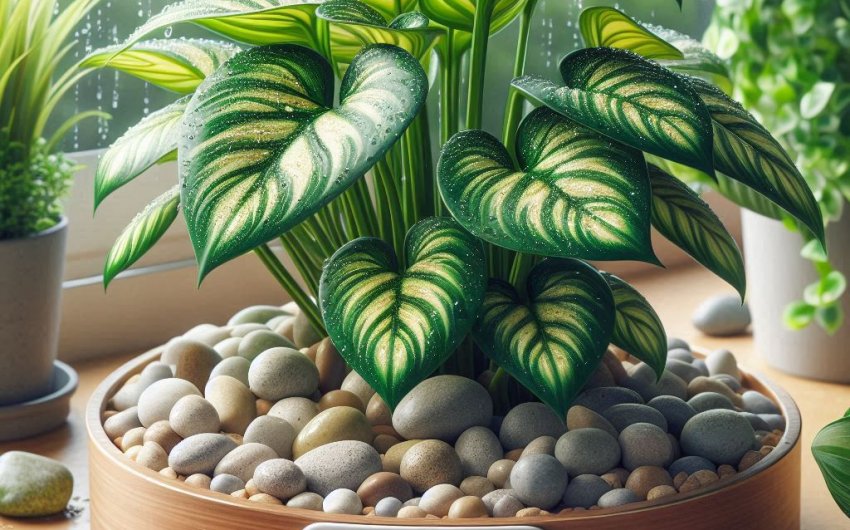
You've probably been captivated by the elegant beauty of a Philodendron Birkin. Its deep green, glossy leaves, striking white pinstripes, and compact, upright growth habit make it a true showstopper in any indoor plant collection. It looks like a living piece of art, constantly unfurling new leaves with ever more intricate variegation.
However, sometimes the crisp white stripes on new leaves don't develop as perfectly, or older leaves start to get crispy brown edges. While factors like light and watering are often blamed, a less obvious culprit might be at play: humidity. As a tropical plant, the Philodendron Birkin has specific atmospheric needs that are often overlooked in the dry conditions of our homes.
This guide will demystify what is the best humidity level for a Philodendron Birkin to thrive. We'll explore why humidity matters so much for this stunning plant, pinpoint its ideal range, and provide actionable pro tips for boosting humidity in your home. Get ready to unlock the secret to lusher, healthier leaves and truly see your Philodendron Birkin reach its full potential!
Understanding Your Philodendron Birkin: A Tropical Background
To truly understand what is the best humidity level for a Philodendron Birkin to thrive, it's crucial to look at its origins. While a relatively new and popular hybrid, the Philodendron Birkin carries the genetic legacy of its tropical ancestors.
1. A Member of a Vast Tropical Family
- Origin: The genus Philodendron is massive, encompassing hundreds of species native to the tropical and subtropical regions of the Americas, from Mexico down to Argentina.
- Rainforest Lifestyle: In their natural habitat, most Philodendrons thrive in the understory of dense rainforests. This environment is characterized by:
- Warm temperatures
- Consistently high humidity
- Bright, indirect light (filtered through the tree canopy)
- Moist, but well-draining, soil
2. The Birkin's Hybrid Nature
- A Cultivar, Not a Species: The 'Birkin' is a modern cultivar, meaning it's a cultivated variety, likely a spontaneous mutation (a sport) from another Philodendron, possibly Philodendron 'Rojo Congo' or Philodendron 'Congo Green'.
- Inherited Traits: Despite being a hybrid developed for its striking variegation and compact growth, the Philodendron Birkin retains many of the fundamental care preferences of its rainforest ancestors, including its love for humidity.
3. Why Humidity Matters for All Tropical Plants
- Transpiration: Plants "breathe" and release water vapor through tiny pores on their leaves called stomata (like sweating for plants). This process is called transpiration. It helps pull water and nutrients up from the roots.
- Dry Air's Impact: In very dry air (low humidity), the air is "thirsty" for moisture. This causes plants to lose water through transpiration much faster than their roots can absorb it from the soil.
- Leaf Damage: This rapid water loss leads to stress, often manifesting as crispy leaf edges, browning tips, or overall dullness in foliage.
- Stunted Growth: The plant may slow down or stop growth to conserve water, or even close its stomata, which then limits CO2 intake for photosynthesis.
- Unfurling Issues: For plants with large, delicate leaves like the Philodendron Birkin, very low humidity can make it difficult for new leaves to unfurl cleanly. They might stick together, tear, or come out crumpled.
Understanding the Philodendron Birkin's tropical roots reveals why humidity isn't just a luxury for this plant; it's a vital element for its health, growth, and the successful development of its stunning variegated leaves. It's the key to making your Philodendron Birkin thrive.
What Is the Best Humidity Level for a Philodendron Birkin? (The Sweet Spot)
So, what's the magic number? What is the best humidity level for a Philodendron Birkin to thrive? For this beautiful tropical plant, you're aiming for levels significantly higher than typical household air.
The Ideal Humidity Range
- For Optimal Health: The Philodendron Birkin thrives in moderate to high humidity levels, ideally ranging from 60% to 80%.
- Tolerable (But Less Than Ideal): It can tolerate average household humidity (around 40-50%) for short periods, especially if its other care needs (light, watering) are perfectly met. However, consistent exposure to dry air will eventually take its toll.
- Avoid Low Humidity: Anything below 40% humidity, especially consistently, will likely cause noticeable issues for your Birkin.
Why This Range Matters for Your Birkin
Maintaining this humidity range directly contributes to the unique beauty and health of your Philodendron Birkin:
- Lush, Vibrant Foliage: High humidity prevents rapid water loss from the leaves, keeping them plump, glossy, and vibrant.
- Perfect Leaf Unfurling: This is particularly important for the Philodendron Birkin. New leaves emerge tightly rolled. Adequate humidity keeps the leaf tissue supple, allowing them to unfurl smoothly without sticking, tearing, or becoming deformed. In dry conditions, new leaves can get stuck, resulting in crumpled or damaged mature leaves.
- Reduced Stress: When a plant isn't constantly struggling to retain moisture, it can allocate more energy towards growth and variegation development.
- Enhanced Variegation: While light plays a primary role in variegation, a healthy, unstressed plant with proper humidity is better able to express its full genetic potential for those crisp white stripes.
- Pest Deterrent: High humidity can also deter some common houseplant pests like spider mites, which thrive in dry, dusty conditions.
How to Measure Your Home's Humidity
Before you try to boost humidity, know what you're starting with.
- Hygrometer: A small, inexpensive hygrometer is the most accurate way to measure the humidity in your home. Place it near your plant. You can also find weather stations or smart home devices that track humidity.
- Observe Your Home: Do you often feel dry air, experience static electricity, or see signs of dry skin/chapped lips, especially in winter when heating is on? Your home is likely on the drier side.
Knowing the best humidity level for a Philodendron Birkin to thrive empowers you to create the perfect atmospheric conditions, ensuring your plant's stunning leaves develop perfectly and remain incredibly vibrant.
Signs Your Philodendron Birkin Needs More Humidity
Your Philodendron Birkin will often send clear signals if it's struggling with insufficient humidity. Learning to read these signs is crucial for promptly adjusting its environment and keeping it vibrant and healthy.
1. Crispy, Brown Leaf Edges or Tips
- Appearance: The most common and obvious symptom. The edges or tips of the leaves turn brown and feel dry and brittle, often starting on older leaves first. This is often described as a "crispy leaf tip."
- Why it Happens: This is a classic sign of rapid water loss through the leaves. The edges are the furthest point from the water supply, and if transpiration (water evaporation from leaves) is happening too quickly due to dry air, these areas are the first to dehydrate and die back.
- Distinguishing from Underwatering: Underwatering usually causes the entire leaf to droop and wilt, eventually turning yellow and crispy all over. Low humidity specifically targets the edges and tips first, even if the soil is adequately moist.
2. Difficulty Unfurling New Leaves
- Appearance: New leaves emerge tightly rolled but struggle to open completely. They might stick together, tear as they try to unfurl, or come out looking crumpled, deformed, or smaller than usual.
- Why it Happens: The delicate new leaf tissue needs moisture and flexibility to expand smoothly. In dry air, the new leaf becomes too stiff and brittle to unfurl properly. This is a very common frustration for Birkin owners in low humidity.
3. Dull-Looking Foliage
- Appearance: The usually glossy, vibrant green and white leaves may appear dull, lack luster, or seem less intensely colored.
- Why it Happens: The plant is under stress, struggling to maintain its turgor (internal water pressure) and overall health, which affects its outward appearance.
4. Slower or Stunted Growth
- Appearance: The plant is not putting out new leaves as frequently as it should, or new leaves are smaller than typical for the plant.
- Why it Happens: When a plant is constantly losing too much water through its leaves due to low humidity, it diverts energy to basic survival (conserving moisture) rather than active growth.
5. Increased Susceptibility to Pests
- Appearance: While not a direct symptom of low humidity on the plant itself, dry conditions make plants more vulnerable to certain pests.
- Specific Pests: Spider mites, in particular, thrive in dry, dusty environments. If you notice tiny webbing or yellow stippling on the leaves, consider both low humidity and pest presence.
- Why it Happens: Stressed plants are weaker and less able to naturally fend off pest infestations.
If your Philodendron Birkin is showing one or more of these symptoms, especially the crispy edges and unfurling issues, it's a strong indication that it needs a higher humidity level to truly thrive. Taking action quickly can prevent further damage and help your beautiful plant recover its lush appearance.
Pro Tips for Boosting Humidity for Your Philodendron Birkin
Knowing what is the best humidity level for a Philodendron Birkin to thrive is only half the battle. The other half is implementing practical strategies to actually achieve those levels in your home. Here are some pro tips for boosting humidity around your stunning Philodendron Birkin.
1. Use a Room Humidifier (The Most Effective Method!)
- Why it's Best: A room humidifier is by far the most effective and consistent way to raise the ambient humidity in a room or designated plant area. It directly adds moisture to the air.
- Types: Both cool mist and warm mist humidifiers work. Cool mist is generally safer for plants (no risk of burning leaves with steam) and doesn't affect room temperature.
- Placement: Place the humidifier near your Philodendron Birkin and other humidity-loving plants. Use a hygrometer to monitor the humidity level.
- Maintenance: Keep your humidifier clean to prevent mold and bacteria buildup. Use distilled or filtered water to avoid white mineral dust on furniture and plants.
- Consider a Humidistat: Many humidifiers have built-in humidistats that allow you to set a desired humidity level (e.g., 60%), and the machine will automatically turn on and off to maintain it.
2. Group Your Plants Together
- Mini Microclimate: Plants naturally release moisture into the air through transpiration (similar to sweating). Grouping several plants together in one area can create a humid microclimate around them.
- How it Works: The combined transpiration from multiple plants increases the local humidity in their immediate vicinity, benefiting all plants in the cluster.
- Strategic Placement: Place your Philodendron Birkin among other leafy houseplants.
3. Use a Pebble Tray
- How it Works: Place your potted Philodendron Birkin on a shallow tray filled with pebbles and water. As the water in the tray evaporates, it increases the humidity directly around the plant.
- Crucial Tip: Ensure the bottom of the plant pot is sitting on the pebbles and is not submerged in the water. The pot should not wick water up from the tray, as this can lead to overwatering and root rot.
- Maintenance: Refill the water in the tray as it evaporates.
- Benefits: A simple, inexpensive, and effective way to provide a localized humidity boost. A pebble tray for plants can also catch excess drainage.
4. Create a DIY Humidity Dome / Mini Greenhouse
- How it Works: For very small plants or newly acquired ones that need an immediate boost, you can create a temporary humidity dome by placing a clear plastic bag or clear plastic dome over the plant.
- Caution: This method requires careful monitoring. Ensure adequate ventilation (poke a few holes in the bag or lift the dome for an hour daily) to prevent mold and fungal diseases.
- Temporary Solution: This is usually a temporary measure for acclimation or recovery, not a long-term solution for a growing plant.
5. Shower/Bathroom Placement (If Light Allows)
- Natural Humidity: Bathrooms (especially those used regularly for hot showers) naturally have much higher humidity levels.
- Consider Light: If your bathroom has a window that provides adequate bright, indirect light (essential for your Birkin), it can be a great place for it.
- Caution: Avoid bathrooms with very low light, as the humidity won't compensate for insufficient light.
What NOT to Do (Misting Alone)
- Ineffective for Humidity: Misting your plant with a spray bottle provides only a very temporary (minutes-long) boost in humidity. The water quickly evaporates, and the plant gains little long-term benefit.
- Risk of Fungal Disease: Frequent misting can leave water sitting on the leaves for too long, creating conditions favorable for fungal diseases (like bacterial leaf spot or powdery mildew), especially if air circulation is poor. While occasional misting can help clean leaves, don't rely on it for humidity.
By implementing one or more of these strategies, you can effectively raise the humidity level around your Philodendron Birkin, ensuring it gets the tropical moisture it needs to thrive, unfurl its stunning leaves perfectly, and remain a truly vibrant and healthy centerpiece in your home.
General Care for a Thriving Philodendron Birkin (Beyond Humidity)
While understanding what is the best humidity level for a Philodendron Birkin to thrive is crucial, it's just one piece of the puzzle. Providing comprehensive general care ensures all its needs are met for overall health and vibrant variegation.
1. Light: The Master of Variegation
- Bright, Indirect Light is Essential: As covered earlier, this is paramount. Place your Philodendron Birkin where it receives plenty of bright light but no direct, harsh sun (especially afternoon sun).
- Impact on Variegation: Adequate bright indirect light is what brings out those crisp white pinstripes. In too low light, the white variegation can fade, turning greener, and growth will become leggy.
2. Watering: The Balance of Wet and Dry
- Thoroughly When Top Dry: Water your Philodendron Birkin thoroughly when the top 1-2 inches of soil feel dry to the touch. Water until water drains from the bottom.
- Allow to Dry Partially: Allow the soil to dry out partially between waterings. Do not let it sit in soggy soil, which will quickly lead to root rot. If unsure, err on the side of underwatering slightly, as they are more tolerant of a bit of dryness than constant wetness.
- Drainage Holes are a MUST: Always ensure your pot has proper drainage.
- Seasonal Adjustment: Reduce watering frequency in fall and winter when the plant's growth naturally slows down.
3. Soil: Well-Draining is Key
- Aerated Potting Mix: Use a well-draining, airy potting mix that prevents compaction and allows for good root aeration.
- Recipe: A good quality houseplant potting mix amended with extra perlite or orchid bark is ideal. Mix 2 parts potting mix with 1 part perlite or fine orchid bark.
4. Fertilizing: Moderate Feeding
- Timing: Fertilize monthly or bi-monthly during the active growing season (spring and summer). Stop fertilizing in fall and winter.
- Type: Use a balanced liquid houseplant fertilizer.
- Dilution: Dilute the fertilizer to half-strength or quarter-strength. Over-fertilizing can lead to root burn and push out too much green growth at the expense of variegation. A balanced liquid houseplant fertilizer is suitable.
5. Temperature: Warm and Consistent
- Ideal Range: Maintain indoor temperatures between 65-80°F (18-27°C).
- Avoid Extremes: Protect your Birkin from cold drafts, sudden temperature drops, and placement near heating/AC vents.
6. Pruning and Maintenance
- Clean Leaves: Wipe the leaves regularly with a damp cloth to remove dust. Dust can block stomata and reduce photosynthesis.
- Pruning: Remove any yellowing, damaged, or entirely green (reverted) leaves to encourage new, variegated growth. You can prune to maintain a desired shape or size.
- Repotting: Repot every 1-2 years, or when the plant becomes root-bound (roots coming out of drainage holes). Go up only one pot size at a time. Always use fresh, well-draining potting mix.
- Pest Vigilance: Inspect your plant regularly for common houseplant pests like spider mites, mealybugs, or thrips. Address any infestations promptly with neem oil spray or insecticidal soap.
By combining consistent optimal humidity levels with these fundamental care practices, your Philodendron Birkin will not only survive but truly thrive, continuing to unfurl its stunningly variegated leaves and remain a vibrant and healthy jewel in your indoor plant collection.