
How Can I Care for a Japanese Money Tree (Pachira aquatica) Indoors?
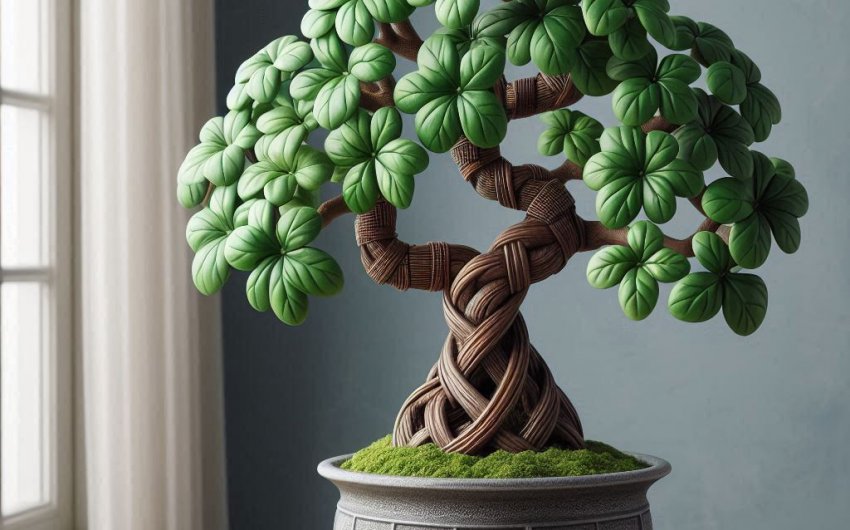
The Japanese Money Tree, also widely known as Pachira aquatica or Guiana Chestnut, is a popular houseplant beloved for its distinctive braided trunk and lush, green leaves. Beyond its striking appearance, it's also famous for its association with good luck and prosperity in Feng Shui. Many people welcome this plant into their homes, but giving it the right care can sometimes be a puzzle. Don't worry! With a few simple tips, you can keep your Money Tree thriving and looking its best indoors.
What Are the Light and Location Needs of a Money Tree?
Providing the right amount of light and choosing the perfect spot for your Money Tree is fundamental to its health. Too much or too little light can cause serious problems.
How Much Light Does a Money Tree Need?
Money Trees thrive in bright, indirect light. Think of their natural habitat: growing under the canopy of taller trees, they get plenty of light but are protected from the harsh, direct sun.
- Bright, Indirect Light is Ideal: This means a spot near a window that receives good light throughout the day, but where the sun's rays don't hit the leaves directly. A few feet away from a south- or west-facing window, or right next to an east-facing window, is often perfect.
- Signs of Too Little Light:
- Leggy Growth: Stems become long and stretched out, with sparse leaves, as the plant reaches for light.
- Smaller Leaves: New leaves are smaller than older ones.
- Lack of Vigor: The plant looks generally weak and dull.
- Yellowing Lower Leaves: While this can also be a sign of overwatering, prolonged low light can cause older leaves to yellow and drop.
- Signs of Too Much Direct Light:
- Scorched or Burnt Leaves: Direct, intense sunlight can cause brown, crispy spots or edges on the leaves, similar to a sunburn.
- Faded Color: Leaves may lose their vibrant green and appear bleached or dull.
Tip: Rotate your Money Tree every few weeks to ensure all sides get even light exposure. This helps it grow symmetrically and prevents it from leaning towards the light source.
What is the Best Location in Your Home for a Money Tree?
Finding the ideal spot in your home involves considering not just light, but also temperature and drafts.
- Consistent Temperatures: Money Trees prefer stable, warm temperatures, ideally between 65-80°F (18-27°C). They are tropical plants and do not like cold.
- Avoid Drafts: Keep your Money Tree away from cold drafts from windows or doors, as well as hot drafts from heating vents or radiators. Sudden temperature changes or consistent drafts can stress the plant, causing leaf drop or yellowing.
- Humidity: While not strictly necessary, Money Trees appreciate some humidity, especially in dry indoor environments (common during winter with heating systems). Placing your pot on a pebble tray filled with water (making sure the pot isn't sitting in the water) can increase local humidity. Occasional misting can also help, but focus more on consistent watering and humidity around the roots.
- Space Considerations: These plants can grow quite tall indoors if given the right conditions. Consider its mature size when choosing a permanent spot. Some Money Trees are sold with braided trunks, which restricts their vertical growth to some extent, making them easier to manage indoors.
A bright room with stable temperatures and good air circulation, but without direct drafts, will be a happy home for your Money Tree.
How Do You Water and Fertilize a Money Tree?
Getting the watering right is often the trickiest part of Money Tree care. It's easy to overwater or underwater, both of which can cause problems. Fertilizing is simpler, but still needs to be done correctly.
What is the Proper Watering Technique for a Money Tree?
Money Trees like their soil to dry out slightly between waterings. The biggest mistake people make is overwatering, which can lead to root rot.
- Check Soil Moisture: Don't water on a schedule. Instead, check the soil moisture regularly. Stick your finger about 2-3 inches deep into the potting mix. If it feels dry, it's time to water. If it still feels moist, wait a few more days and check again.
- Water Thoroughly: When you do water, water deeply until water drains out of the bottom of the pot. This ensures that all the roots get access to moisture.
- Empty Saucer: Always empty any excess water from the drainage saucer after about 15-20 minutes. Letting the pot sit in standing water will lead to root rot.
- Frequency: How often you water depends on several factors:
- Season: You'll water more often in spring and summer (active growing season) and less often in fall and winter (dormant period).
- Pot Size: Smaller pots dry out faster.
- Light Levels: Plants in brighter light use more water.
- Humidity: In drier air, soil dries faster.
- Signs of Underwatering:
- Wilting Leaves: Leaves will droop and may feel crispy.
- Crispy Edges: Leaf edges turn brown and dry.
- Slow Growth: The plant looks thirsty and tired.
- Signs of Overwatering:
- Yellowing Leaves (especially lower leaves): This is the most common sign.
- Dropping Leaves: Leaves turn yellow and then fall off.
- Mushy Stems: The trunk or roots might feel soft and mushy (a sign of root rot).
- Fungus Gnats: Small, black, mosquito-like flies often seen flying around the soil surface.
The key is consistency in allowing the soil to dry slightly and then watering thoroughly. A good plant moisture meter for houseplants can help you determine when to water.
What Kind of Soil and Potting Mix is Best?
The right potting mix and pot are crucial for proper watering and overall plant health, especially for avoiding root rot.
- Well-Draining Potting Mix: Money Trees need a potting mix that drains quickly but still retains some moisture. A standard, good quality indoor potting mix designed for houseplants is usually fine. You can also mix in some perlite or coarse sand (about 10-20% of the mix) to improve drainage further. Avoid heavy garden soil.
- No Drainage Layers: Do not put a layer of gravel or broken pot pieces at the bottom of the pot. This actually hinders drainage by creating a "perched water table" and can lead to soggy soil right above the gravel.
- Pot Material and Drainage Holes:
- Drainage Holes are Essential: Your pot must have drainage holes at the bottom. Without them, water will sit and cause root rot.
- Terracotta vs. Plastic: Terracotta pots are porous, meaning they allow air and moisture to pass through their walls, which can help the soil dry out faster. This can be beneficial if you tend to overwater. Plastic pots hold moisture longer, which is fine if you're careful with watering.
- Pot Size: Don't put a small Money Tree in a huge pot. Too much soil in a too-large pot holds excess moisture, increasing the risk of root rot. Repot only when the plant is root-bound (roots are circling the bottom of the pot) to a pot only 1-2 inches larger in diameter.
How Often Should You Fertilize a Money Tree?
Money Trees are not heavy feeders, but they benefit from occasional fertilizing during their active growing season.
- When to Fertilize: Only fertilize during the active growing season, which is typically spring and summer. Do not fertilize in fall and winter when the plant's growth slows down or it's dormant.
- Type of Fertilizer: Use a balanced liquid houseplant fertilizer (e.g., 10-10-10 or 20-20-20, or something similar). Many all purpose liquid houseplant fertilizers are suitable.
- Dilution: Always dilute the fertilizer to half the strength recommended on the package, especially for Money Trees. It's better to under-fertilize than over-fertilize.
- Frequency: Fertilize about once a month or every 6-8 weeks during spring and summer.
Signs of Over-Fertilizing:
- Crispy, Brown Leaf Tips/Edges: Often looks like a burn.
- White Crust on Soil Surface: A buildup of salts from the fertilizer.
- Stunted Growth or Sudden Wilting: Can occur in severe cases.
If you see signs of over-fertilizing, flush the soil with plain water (water until it drains out, repeat a few times), and hold off on fertilizing for a while.
How Do You Prune and Repot a Money Tree?
Pruning and repotting are essential care tasks that keep your Money Tree healthy, well-shaped, and growing vigorously.
When and How Do You Prune a Money Tree?
Pruning helps maintain the shape of your Money Tree, encourages bushier growth, and removes any unhealthy parts.
- When to Prune: The best time to prune is during the active growing season (spring or early summer). Avoid heavy pruning in fall or winter.
- Why Prune:
- Shape and Size: To control the plant's size and maintain its desired shape.
- Encourage Bushiness: Cutting back leggy stems will encourage the plant to produce new shoots from lower down, making it denser.
- Remove Unhealthy Growth: Cut off any yellow, brown, dead, or diseased leaves or stems.
- How to Prune:
- Sanitize Tools: Always use clean, sharp plant pruning shears. Wipe the blades with rubbing alcohol before and after each use to prevent spreading diseases.
- Cut Above a Node: Make your cuts about (1/4) inch above a leaf node (the point where a leaf or branch grows from the stem). This is where new growth will emerge.
- Follow the Braids: If your Money Tree has a braided trunk, prune the leafy tops to maintain the desired height and density, keeping the braided structure clear.
- Don't Over-Prune: Never remove more than about (1/3) of the plant's total foliage at one time.
Tip: The sap of the Money Tree is non-toxic but can be sticky. Have a damp cloth ready.
When is the Right Time to Repot a Money Tree?
Repotting is necessary when your Money Tree outgrows its current pot or its potting mix has become old and compacted.
- Signs It Needs Repotting:
- Roots Circling: Roots are growing out of the drainage holes or circling tightly around the inside of the pot.
- Water Runs Straight Through: Water drains immediately through the pot, meaning the potting mix is compacted and not absorbing water.
- Stunted Growth: The plant's growth slows down significantly without other obvious reasons.
- Salt Buildup: A white crust on the soil surface or rim of the pot.
- When to Repot: The best time to repot is during the active growing season (spring or early summer), which allows the plant to quickly recover from the stress of being moved.
- Choosing a New Pot: Select a new pot that is only 1-2 inches larger in diameter than the old one. Going too big can lead to overwatering issues. Ensure the new pot has drainage holes.
- Repotting Steps:
- Gently Remove: Carefully slide the Money Tree out of its old pot. If it's stuck, you might need to run a knife around the inner edge.
- Loosen Roots: Gently loosen any tightly circling roots at the bottom and sides of the root ball.
- Fresh Potting Mix: Place a small layer of fresh, well-draining potting mix at the bottom of the new pot.
- Position Plant: Center the plant in the new pot, ensuring the base of the trunk is at the same level as it was in the old pot.
- Backfill: Fill around the root ball with more fresh potting mix, gently firming it down.
- Water Thoroughly: Water immediately until water drains out the bottom.
After repotting, place the Money Tree in a slightly shadier spot for a week or two to help it recover from the shock. Don't fertilize for at least a month after repotting.
How Do You Deal with Common Money Tree Problems?
Even with the best care, your Money Tree might occasionally face issues. Knowing how to spot and address common problems can save your plant.
What Causes Yellow Leaves and Leaf Drop?
Yellow leaves and leaf drop are the most common signs of stress in Money Trees, and they can be caused by several factors.
- Overwatering (Most Common Cause): If your Money Tree has yellowing lower leaves that then drop, and the soil feels consistently wet, this is likely the culprit.
- Solution: Allow the soil to dry out more between waterings. Ensure good drainage. If root rot is suspected (mushy stems, foul smell from soil), you might need to repot into fresh, dry potting mix and trim away any rotten roots.
- Underwatering: If leaves are yellowing, turning crispy, and the soil is very dry, your plant is thirsty.
- Solution: Water thoroughly until water drains out. You might need to soak the pot in a basin of water for 30 minutes if the soil is compacted and hydrophobic (repels water).
- Low Light: Insufficient light can cause older, lower leaves to yellow and drop as the plant prioritizes energy for newer growth.
- Solution: Move the plant to a brighter location with indirect light.
- Temperature Extremes or Drafts: Sudden cold snaps, cold drafts, or extreme heat can stress the plant and cause leaf yellowing or drop.
- Solution: Move the plant away from drafty windows, doors, or heating/cooling vents. Maintain consistent room temperatures.
- Nutrient Deficiency (Less Common): While rare if you fertilize occasionally, a severe nutrient deficiency could cause general yellowing.
- Solution: Fertilize with a balanced houseplant fertilizer during the growing season, if not recently done.
- Natural Aging: It's normal for a few older, lower leaves to yellow and drop occasionally as the plant grows and sheds older foliage. Don't worry if it's just one or two.
Observe your plant carefully and check the soil moisture first to diagnose the problem.
What are Common Pests on Money Trees and How to Treat Them?
Money Trees are relatively pest-resistant, but they can occasionally attract some common houseplant pests.
- Spider Mites: Tiny arachnids that cause tiny yellow or white dots (stippling) on leaves and can create fine webbing on the undersides of leaves or between fronds in severe infestations. They thrive in dry air.
- Solution: Increase humidity around the plant (misting, pebble tray). Wipe leaves thoroughly with a damp cloth or shower the plant. For infestations, spray with insecticidal soap for houseplants or neem oil solution, ensuring thorough coverage of leaf undersides. Repeat every 5-7 days.
- Mealybugs: Small, soft-bodied insects that look like fuzzy white cottony masses, often found in leaf axils or on stems. They suck sap and excrete sticky honeydew.
- Solution: For small infestations, use a cotton swab dipped in rubbing alcohol (diluted with water for sensitive plants) to dab directly onto each mealybug. For larger infestations, use insecticidal soap or neem oil, making sure to reach all crevices.
- Scale: Small, oval, brown, or black bumps on stems and leaves. They are sessile (don't move) and also excrete honeydew.
- Solution: For small numbers, scrape them off gently with your fingernail or a soft brush. For more, use a cotton swab dipped in rubbing alcohol. Neem oil can also be effective against young "crawlers."
- Fungus Gnats: Small, black, mosquito-like flies that hover around the soil surface. Their larvae feed on decaying organic matter and sometimes roots.
- Solution: This indicates overwatering. Allow the top 1-2 inches of soil to dry out completely between waterings. Use yellow sticky traps for houseplant gnats to catch adults. Consider using Bacillus thuringiensis israelensis (BTI) drenches to kill larvae.
Always isolate an infested plant to prevent pests from spreading to your other houseplants.
Why Do Money Tree Trunks Get Soft or Mushy?
A soft or mushy trunk is a very serious sign for a Money Tree and almost always points to root rot.
- Root Rot Cause: Root rot is primarily caused by overwatering and poor drainage. When soil stays soggy for too long, the roots don't get oxygen and start to decompose due to fungal or bacterial infections.
- Spread to Trunk: The rot then moves up from the roots into the base of the trunk. If the individual braided stems become soft or mushy, it means they are rotting.
- What to Do:
- Act Fast: This is often a critical situation.
- Remove from Pot: Gently take the plant out of its pot.
- Inspect Roots: Shake off as much old potting mix as possible. Inspect the roots. Healthy roots are firm and whitish. Rotting roots are soft, black, slimy, and often smell foul.
- Prune Rotten Parts: Using clean, sharp shears, cut away all rotten, mushy roots. Also, cut away any stems from the braided trunk that feel soft or look black/brown and mushy. If one of the braided trunks is completely rotted, gently try to unbraid it and remove it.
- Repot: Repot the remaining healthy parts into a fresh, sterile, well-draining potting mix in a clean pot (you might need to use a smaller pot if much of the root system was removed).
- Water Sparingly: Water very sparingly initially, only when the soil is quite dry. Place the plant in a bright, warm spot and hope for recovery.
Unfortunately, if the rot has advanced significantly up the braided trunk, it might be very difficult to save the plant. Prevention through proper watering and soil is the best strategy.