
What Are the Specific Light Requirements for Growing a Golden Pothos?
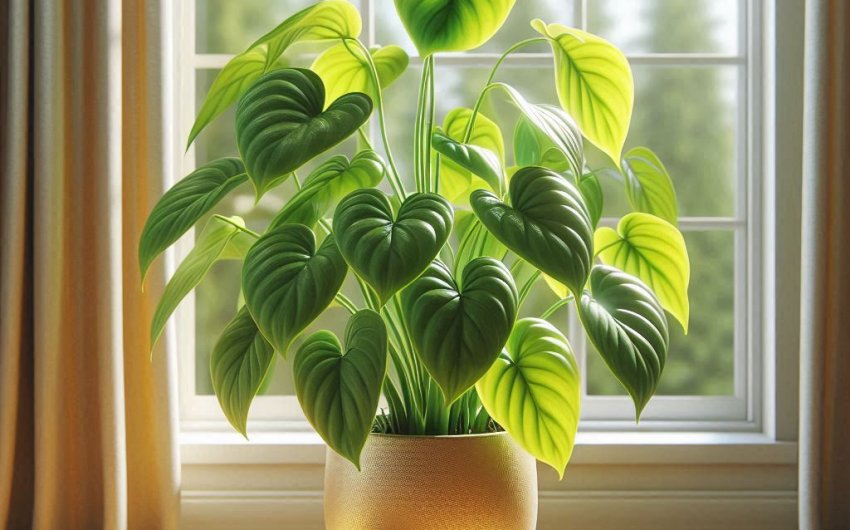
The Golden Pothos (Epipremnum aureum) is a true champion among houseplants. It's famous for its cascading vines and beautiful heart-shaped leaves, often splashed with bright yellow or gold. This plant is often recommended for beginners because it's known for being incredibly tough and forgiving. You can find it thriving in many different indoor settings, from sunny windowsills to dimly lit corners of offices. Despite its reputation as an easy-care plant, understanding its specific needs, especially its light requirements, is key to truly unlocking its full potential and keeping it vibrant.
While a Golden Pothos can survive in low-light conditions, it won't truly thrive or show off its stunning variegation without the right amount of light. The golden splashes that give this plant its name are directly related to how much light it receives. Getting the lighting right ensures not only healthy growth but also the most beautiful display of its unique colors. This guide will dive deep into everything you need to know about providing the perfect light for your Golden Pothos, helping you nurture a lush, colorful plant that will brighten up any room.
What Kind of Light Does a Golden Pothos Need to Thrive?
When we talk about what kind of light a Golden Pothos needs, it's not about being picky. Instead, it's about finding the sweet spot where the plant grows best and shows off its pretty colors. Knowing the right type and amount of light is key to a happy, healthy Pothos plant.
What Is "Bright, Indirect Light" and Why Is It Ideal?
The phrase "bright, indirect light" is the golden rule for most houseplants, and the Golden Pothos is no exception. But what exactly does it mean? Imagine walking into a room on a sunny day. If you stand far from a window, you'll still see light, but no direct sun rays are hitting you. That's indirect light. "Bright" means there's a lot of this indirect light.
For your Golden Pothos, this kind of light is ideal because it mimics its natural habitat. In the wild, Pothos plants often grow under the canopy of larger trees in tropical forests. They get plenty of light, but it's filtered and softened by the leaves above.
When your Pothos gets bright, indirect light, it allows the plant to perform photosynthesis (the process of converting light into energy) efficiently without getting too much direct sun. Direct sun can be too harsh, especially through a window, and can actually burn the leaves. Indirect light keeps the plant energized, promotes good growth, and helps those beautiful golden variegations stay bright and strong. It's the perfect balance for a flourishing Golden Pothos light setup.
How Does Light Intensity Affect the Golden Variegation?
The golden or yellow splashes on the leaves of your Golden Pothos are called variegation. This is a genetic trait, but how much of that golden color actually shows up depends almost entirely on light intensity. This is one of the most fascinating aspects of Pothos light requirements.
In low light conditions, your Golden Pothos will likely survive, but you'll notice that the golden areas on its leaves will start to fade. The new leaves might emerge almost entirely green, or with very little yellow. This happens because the plant is trying to maximize its ability to capture light. The green parts of the leaves contain chlorophyll, which is essential for photosynthesis. When light is scarce, the plant prioritizes producing more chlorophyll to make food, reducing the amount of non-photosynthesizing (golden) tissue.
Conversely, when a Golden Pothos receives bright, indirect light, the golden variegation becomes much more prominent and vibrant. The plant has enough light that it doesn't need to be entirely green to make enough food. This allows its genetic potential for golden splashes to fully express itself. So, if you want those signature gold flecks to truly pop, providing ample bright, indirect light is non-negotiable. It's a direct trade-off: more light equals more beautiful variegation.
What Are the Risks of Too Much Direct Sunlight?
While bright light is good, too much direct sunlight can be very harmful to your Golden Pothos. Remember, in its natural habitat, it grows under a tree canopy. It's not used to direct, unfiltered sun.
When a Pothos plant is exposed to strong, direct sun, especially through a window, its delicate leaves can easily scorch or burn. This looks like faded, bleached-out patches, or crispy, brown spots on the leaves. The green parts might turn yellow, and the entire plant can look stressed and unhealthy. The edges of the leaves might even curl inwards as the plant tries to protect itself from the intense light and heat.
Also, too much direct sun can quickly dry out the soil, leading to issues with underwatering if you're not diligent. The plant might also stop growing or become stunted. So, while it needs light for variegation, finding that indirect sweet spot is crucial. Never place your Golden Pothos in a spot where direct, harsh sunlight hits its leaves for several hours, especially during the peak afternoon sun. This is a common mistake that leads to unhappy plants and is a key Pothos light requirement to avoid.
How Can You Provide the Right Light for Your Golden Pothos Indoors?
Creating the perfect lighting environment for your Golden Pothos indoors is all about smart placement and knowing how light moves through your home. You have several options to ensure your plant gets the bright, indirect light it craves.
Which Window Directions Are Best for Golden Pothos?
Choosing the right window direction is often the easiest way to provide the ideal light for your Golden Pothos. Each window exposure offers a different quality and intensity of light throughout the day.
- East-facing windows: These are often considered the best choice. They provide gentle, direct morning sun for a few hours, which is much less intense than afternoon sun. After the morning, they shift to bright, indirect light for the rest of the day. This combination is usually perfect for encouraging strong growth and vibrant variegation without the risk of scorching.
- North-facing windows: These offer consistent, indirect light all day long. While good for survival, the light might not be bright enough to truly enhance the golden variegation. Your plant will likely grow, but its yellow splashes might be less noticeable. If a North-facing window is your only option, placing the plant as close to the window as possible will help.
- South-facing windows: These provide the brightest light, often including direct, intense sunlight for many hours. This can be too strong for a Golden Pothos. If you only have a South-facing window, you'll need to move your plant several feet away from the window, or use a sheer curtain to filter the light.
- West-facing windows: These also provide intense afternoon sun, similar to South-facing windows, which can be too harsh and cause leaf burn. Again, placing the plant further away from the window or using a sheer curtain is necessary.
Aim for a spot where the plant is exposed to good light for at least 6-8 hours a day, but without direct rays hitting the leaves. This is essential for meeting your Golden Pothos light requirements.
How Far Should a Golden Pothos Be from a Window?
The ideal distance of your Golden Pothos from a window depends heavily on the window's direction and the intensity of the light coming through it. There's no single perfect measurement, but rather a principle: providing bright, indirect light.
For an East-facing window, you can often place your Pothos relatively close, perhaps within a foot or two (30-60 cm), as the morning sun is not overly harsh.
For South- or West-facing windows, which get intense direct sun, you'll need to move the plant much further away. This could mean 3 to 6 feet (1 to 2 meters) from the window, or even more, depending on the strength of the sun and whether there are any outdoor obstructions (like trees or buildings) that naturally filter the light. The goal is for the plant to receive ample light that is diffused and gentle, never harsh or direct.
A good way to test if the light is right is to put your hand between the window and the plant around midday. If you can clearly see a sharp shadow of your hand, the light might be too direct. If the shadow is soft and fuzzy, it's likely closer to ideal indirect light. Observe your plant: if leaves are browning or bleaching, move it further away; if it's stretching or losing variegation, move it closer or find a brighter spot. This hands-on test is a simple way to figure out the Pothos light requirements in your specific home.
When Is Supplementing with Grow Lights Necessary?
Even with ideal window placement, natural light can vary greatly depending on the season, your location, and the layout of your home. Sometimes, supplementing with grow lights becomes necessary to give your Golden Pothos the light it needs, especially if you want to see that vibrant variegation.
You might need a grow light if:
- You live in a region with long, dark winters, and natural light is very limited for several months.
- You only have North-facing windows or rooms that get very little natural light.
- Your plant is showing signs of low light (stunted growth, small new leaves, fading variegation).
- You want to encourage more vigorous growth or propagation.
There are many types of grow lights available. For a Golden Pothos, you don't necessarily need a super-powerful, full-spectrum grow light designed for flowering plants. A simple LED grow light or even a regular LED bulb with a higher lumen output (around 1000-2000 lumens) can work. Look for bulbs that emit a "cool white" or "daylight" spectrum (around 5000K-6500K) as this generally benefits foliage plants.
Position the grow light above or to the side of your plant, typically 1 to 2 feet (30-60 cm) away, and run it for 10-12 hours a day. Always follow the manufacturer's instructions for distance and duration. Using a grow light with a timer can help automate the lighting schedule, ensuring consistent Pothos light requirements are met year-round.
How Do I Recognize Signs of Incorrect Lighting in My Golden Pothos?
Your Golden Pothos is an excellent communicator. It will show you clear signs if it's getting too much or too little light. Learning to read these signals is key to providing the best care for your plant.
What Do Yellowing or Browning Leaves Indicate?
Yellowing or browning leaves on your Golden Pothos can indicate several problems, but incorrect lighting is a common culprit. The specific pattern of yellowing or browning often gives a clue.
- Yellowing leaves, especially older ones, that then turn brown and crispy: This can be a sign of too much direct light or scorching. The plant is getting "sunburned." The yellowing is often a bleaching effect, and the browning is the tissue dying. If you see this, move your plant further away from the window or provide some shade.
- Overall yellowing, especially new leaves, along with stunted growth and a limp appearance: This can sometimes be a sign of too little light, but it's more commonly linked to overwatering or nutrient deficiencies. If accompanied by stretched stems (etiolation) and loss of variegation, then low light is definitely contributing.
- Crispy, brown spots or edges on leaves: This is a classic symptom of direct sun burn. The intense light essentially fries the leaf tissue.
- Leaves turning yellow and then mushy or rotting: While yellowing can relate to light, if leaves are also mushy, it points more strongly to overwatering, which can be made worse by low light conditions (as the soil dries out slower).
Always check your watering habits as well, as watering issues often go hand-in-hand with light problems. If you see these signs, adjust your Golden Pothos light exposure and monitor the plant's recovery.
How Does Lack of Variegation or All-Green Leaves Relate to Light?
One of the most direct and telling signs of insufficient light for a Golden Pothos is the loss of variegation or the appearance of all-green new leaves. This is a clear indicator that your plant isn't getting enough bright, indirect light to express its full genetic potential for those beautiful golden splashes.
As mentioned before, the golden parts of the leaves contain less chlorophyll and are therefore less efficient at photosynthesis. When a Pothos plant is in low light, it prioritizes survival. To maximize its ability to capture the scarce light available, it will produce more green chlorophyll in its new growth. This means new leaves will be mostly, if not entirely, green. Over time, even the existing golden areas on older leaves might become duller or fade.
If you notice your once vibrant Golden Pothos starting to look more like a Jade Pothos (which is naturally all green), it's a strong signal that it needs to be moved to a brighter location. Increasing the light intensity will encourage future new leaves to emerge with more pronounced and brilliant golden patterns, bringing back the signature look of the Golden Pothos. This is a crucial aspect of meeting Pothos light requirements for aesthetic appeal.
What Does Leggy Growth or Stretched Stems Mean?
Leggy growth or stretched stems (also known as etiolation) is another common sign that your Golden Pothos is desperate for more light. This happens when the plant tries to "reach" for a light source that is too far away or too dim.
Instead of growing compact, bushy foliage, the stems will become long and stretched out, with large gaps between the leaves. The leaves themselves might be smaller than usual. The plant looks sparse and unhealthy rather than lush and full. It's essentially putting all its energy into growing longer stems to try and find more light, rather than focusing on producing healthy, dense foliage.
If you see your Golden Pothos exhibiting leggy growth, it's a clear signal to move it to a brighter spot or to supplement its light with a grow light. Providing more intense light will encourage the plant to produce shorter internodes (the space between leaves on a stem) and more robust, closely spaced leaves, leading to a much fuller and healthier appearance. Addressing leggy growth is essential for maintaining the attractive cascading habit of your Golden Pothos and ensuring it meets its proper Pothos light requirements.
Are There Different Light Needs for Pothos Varieties?
While this guide focuses on the Golden Pothos, it's helpful to understand that different Pothos varieties can have slightly different light requirements, mainly due to the amount of variegation they display. The general rule still applies: more variegation usually means a greater need for brighter indirect light.
How Do White-Variegated Pothos Varieties Differ in Light Needs?
White-variegated Pothos varieties, such as Marble Queen Pothos or Snow Queen Pothos, have much more white or creamy-white areas on their leaves compared to the golden splashes of a Golden Pothos. The principle of variegation and light is even more critical for these types.
White areas on a leaf contain no chlorophyll and therefore cannot perform photosynthesis. This means that a Marble Queen or Snow Queen has less green, photosynthesizing tissue to begin with. Because of this, they absolutely need brighter, indirect light than a Golden Pothos. If they don't get enough light, their white areas will quickly revert to green, or the plant will simply struggle to grow and thrive. They need every bit of light they can get (without direct sun) to make enough energy to support themselves. So, for white-variegated Pothos, a prime spot near an East-facing window or consistent grow light supplementation is even more crucial than for a Golden Pothos.
Do Solid Green Pothos Varieties (e.g., Jade Pothos) Need Less Light?
Yes, solid green Pothos varieties, such as the Jade Pothos or the Manjula Pothos (which has less variegation), generally have slightly lower light requirements compared to their variegated cousins.
Because their leaves are entirely (or almost entirely) green, they contain a higher concentration of chlorophyll. This allows them to efficiently absorb light even in less bright conditions. A Jade Pothos, for instance, can truly thrive in medium-to-low indirect light where a Golden Pothos might start to lose its variegation and become leggy. They are much more tolerant of shadier spots.
However, even solid green Pothos varieties will still benefit from medium to bright indirect light. They will grow faster and be more robust in these conditions. They just won't show the same dramatic decline in appearance that a variegated Pothos would in low light. So, while they are more forgiving in terms of light, providing good indirect light will always result in a happier, healthier plant.
What Are Other Environmental Factors That Interact with Light for Pothos?
While light is extremely important, it doesn't work in isolation. Other environmental factors in your home interact with light and influence how well your Golden Pothos thrives. Understanding these connections helps you provide holistic care.
How Does Watering Schedule Change with Light Exposure?
Your watering schedule is directly linked to the amount of light your Golden Pothos receives. This is a critical interaction to understand for overall plant health.
When a Pothos plant is in bright, indirect light, it is actively photosynthesizing and growing. This means it uses water more quickly. In these conditions, the soil will dry out faster, and your plant will need more frequent watering. You might find yourself watering every 7-10 days, depending on the season and pot size.
Conversely, if your Golden Pothos is in low light conditions, its metabolic processes slow down. It uses much less water, and the soil will stay wet for longer periods. If you continue to water on the same schedule as a bright-light plant, you're very likely to overwater, leading to root rot – a common killer of houseplants. In low light, you might only need to water every 2-3 weeks, or even less frequently.
Always feel the top 1-2 inches of soil before watering. If it's dry, it's time to water. If it's still moist, wait. Adjusting your watering based on light levels is crucial to prevent both underwatering and overwatering and ensures your Golden Pothos stays healthy. Using a soil moisture meter can also be helpful.
What Is the Ideal Temperature and Humidity for Pothos?
Temperature and humidity also play a role in the overall health of your Golden Pothos, and how well it handles its light exposure. As a tropical plant, Pothos generally prefers conditions that mimic its native environment.
- Temperature: Golden Pothos thrives in typical indoor temperatures, generally between 65°F and 85°F (18°C and 29°C). Avoid placing your plant near drafty windows, air conditioning vents, or heating vents, as sudden temperature changes or extreme cold can stress the plant and inhibit growth. Consistent, warm temperatures encourage active growth.
- Humidity: Pothos plants appreciate moderate to high humidity. Average household humidity levels are usually fine, but if your home is very dry (especially in winter with heating systems on), your plant might benefit from increased humidity. Signs of low humidity can include crispy leaf edges or slower growth.
You can increase humidity around your Golden Pothos by:
- Misting the leaves regularly with a plant mister.
- Placing the plant on a pebble tray filled with water (making sure the pot isn't sitting directly in the water).
- Using a small room humidifier nearby.
- Grouping your Pothos with other humidity-loving plants.
While light is the primary driver of growth and variegation, stable temperature and sufficient humidity create an overall comfortable environment that allows your Golden Pothos to truly flourish.
How Do Fertilization Needs Relate to Light Levels?
Fertilization needs for your Golden Pothos are also influenced by the amount of light it receives. Light directly impacts the plant's ability to produce energy, which in turn affects how much it can grow and, consequently, how many nutrients it uses.
If your Golden Pothos is in bright, indirect light, it will be actively growing and photosynthesizing. This means it's using up nutrients from the soil at a faster rate. In these conditions, you can fertilize your Pothos every 2-4 weeks during the spring and summer growing season with a balanced liquid houseplant fertilizer. Always dilute the fertilizer to half strength to avoid over-fertilizing, which can burn the roots.
However, if your Pothos plant is in low light conditions, its growth will slow down significantly. It won't be using as many nutrients. Fertilizing too frequently in low light can lead to a buildup of salts in the soil, which can harm the roots and cause leaf burn. In low light, it's best to fertilize very sparingly, perhaps once every 1-2 months during the growing season, or even less. During the fall and winter months, when light levels are naturally lower and growth slows, you should reduce or stop fertilizing entirely, regardless of your light conditions.
Always adjust your fertilization schedule based on your plant's growth rate and the light it receives. A vigorously growing plant in good light will need more food than a struggling plant in low light. This thoughtful approach ensures you're meeting all of your Golden Pothos's light requirements and nutritional needs.