
How Do I Propagate a Variegated String of Hearts (Ceropegia woodii)?
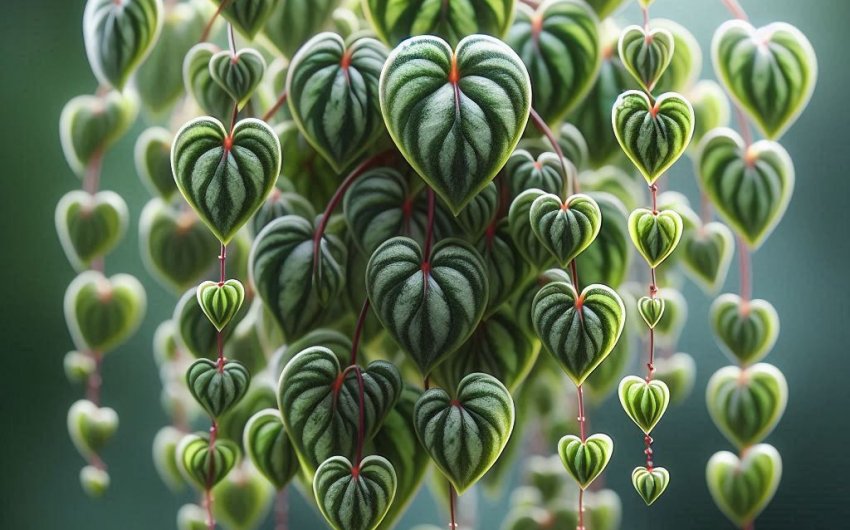
The Variegated String of Hearts (Ceropegia woodii 'Variegata') is a truly charming plant, beloved by houseplant enthusiasts for its delicate, heart-shaped leaves and long, trailing vines. Each leaf is a tiny work of art, featuring shades of green, cream, and pink, creating a stunning visual display. Its unique beauty makes it a highly sought-after plant, and understandably so. If you already have one of these beauties, you might be wondering how you can get more of them without buying new plants. The good news is, propagating this plant is quite simple and very rewarding!
Multiplying your Variegated String of Hearts means you can fill your home with more of its lovely trailing foliage, share cuttings with friends, or even start a small collection of these delightful plants. There are several effective methods to propagate this particular succulent vine, each with its own advantages. Whether you're a seasoned plant parent or just starting your green thumb journey, you'll find these methods easy to follow and incredibly satisfying as you watch new life emerge from your cuttings. Let's dive into the various ways to successfully propagate your Variegated String of Hearts and expand your collection.
What is a Variegated String of Hearts and Why Propagate It?
Before we get into the "how-to," let's quickly understand what makes the Variegated String of Hearts so special and why propagation is such a popular activity for this plant. Knowing a bit about its nature will help you be more successful.
Unique Characteristics of Variegated String of Hearts
The Variegated String of Hearts is a type of succulent vine that comes from South Africa. It gets its name from its small, heart-shaped leaves that grow in pairs along thin, wire-like stems.
- Variegation: The "variegated" part of its name means that the leaves have different colors. Instead of being just green, they have patterns of cream, white, or light pink, especially on the edges or undersides. This makes each leaf look like a tiny, painted masterpiece. The intensity of the pink often depends on how much bright light the plant gets.
- Trailing Habit: This plant is famous for its long, cascading vines that can hang several feet down. This makes it perfect for hanging baskets or shelves where its beautiful trails can be admired.
- Tuberous Roots: Underground, the String of Hearts develops small, potato-like growths called tubers. These tubers store water and nutrients, helping the plant survive dry periods. These tubers are important for one of the propagation methods we'll discuss.
- Small Flowers: It also produces small, pinkish-purple, lantern-shaped flowers. While not as showy as the leaves, they add another charming detail.
Reasons to Propagate Your Plant
Why go through the effort of propagating your Variegated String of Hearts? There are many good reasons!
- Expand Your Collection: This is probably the most common reason. You love your plant, and you want more! Propagation lets you multiply your plant without buying new ones.
- Share with Friends: String of Hearts cuttings make wonderful gifts for fellow plant lovers. It's a thoughtful and inexpensive way to share your passion.
- Fill Out a Pot: Over time, the top of your String of Hearts pot might look a bit sparse as the vines grow longer. You can propagate new cuttings and plant them back into the main pot to make it look fuller and bushier at the top.
- Save a Dying Plant: If your main plant is struggling, taking cuttings is a great way to save a part of it. Even if the mother plant doesn't make it, you'll have new little plants to start fresh.
- Pruning: As your plant grows, you might need to prune it to keep it tidy or encourage bushier growth. Instead of throwing away the trimmed pieces, you can turn them into new plants!
- Enjoy the Process: For many, propagating plants is simply a fun and rewarding hobby. It's exciting to watch new roots and leaves grow from a small cutting.
What Supplies Do I Need for Propagation?
Gathering your supplies before you start will make the propagation process much smoother. You likely have many of these items already, but a quick check will ensure you're ready.
Basic Tools for Cuttings
Having the right tools ensures clean cuts, which are important for successful rooting.
- Sharp Scissors or Pruners: This is the most crucial tool. You need something very sharp and clean to make a precise cut. Dull tools can crush the stem, making it harder for the cutting to root.
- Tip: Always sanitize your scissors or pruners before and after use. You can wipe them with rubbing alcohol to prevent the spread of diseases. A small bottle of rubbing alcohol is perfect for this.
Rooting Medium Options
This is where your cuttings will grow their new roots. There are several good choices, and the best one depends on your chosen propagation method.
- Well-Draining Potting Mix: For planting cuttings directly into soil or for the tuber method, you'll need a mix designed for succulents or cacti. These mixes drain very quickly, which is essential for preventing rot in String of Hearts cuttings.
- Look for a mix that contains perlite, sand, or grit. A good succulent and cactus potting mix is ideal.
- Perlite: This is a lightweight, porous material that looks like small white foam balls. It improves drainage and aeration in potting mixes. You can also root cuttings in pure perlite for excellent results, as it holds moisture without becoming waterlogged. A bag of horticultural perlite is very useful.
- Sphagnum Moss: This is a very light and airy material that holds moisture well but also allows for good airflow. It's often used for rooting delicate cuttings.
- To use sphagnum moss, you'll need to rehydrate it first by soaking it in water and then squeezing out the excess. Long fiber sphagnum moss works well.
- Water: For water propagation, you simply need a clean glass or jar. This is a popular method because you can watch the roots grow!
Containers for Cuttings
You'll need something to hold your cuttings as they root.
- Small Pots: If you're rooting in soil or perlite, small pots (2-4 inches) with drainage holes are perfect. Terra cotta pots are excellent because they help the soil dry out faster, which succulents love. Terra cotta pots are a great choice.
- Trays or Propagator Domes: For the "butterfly method" or for rooting many cuttings at once, a shallow tray is useful. A clear plastic dome or lid can be placed over the tray to create a humid environment, which helps encourage rooting. A seed starting tray with dome can be repurposed for this.
- Glass Jars or Vases: For water propagation, any clear glass container will do. Small vases, recycled jam jars, or even shot glasses work perfectly for holding a few cuttings.
Optional (But Helpful) Supplies
These items aren't strictly necessary but can increase your success rate or make the process easier.
- Rooting Hormone: This is a powder or liquid that encourages root growth. While String of Hearts often roots easily without it, using a rooting hormone can speed up the process and increase your chances of success, especially for soil propagation. Just dip the cut end of the stem into the powder before planting. Rooting hormone powder is widely available.
- Pebbles or Stones (for Water Propagation): A few small pebbles in the bottom of your water jar can help hold the cuttings upright if they are floppy.
- Heat Mat: A heat mat placed under your rooting tray can provide gentle bottom heat, which encourages faster root development, especially in cooler environments. A plant heat mat is great for many types of propagation.
How Do I Take Cuttings from My Variegated String of Hearts?
Taking the right kind of cutting is the first crucial step for successful propagation. The goal is to get a healthy piece of vine that has the potential to grow new roots and eventually become a new plant.
Choose Healthy Vines
Start with a plant that is generally doing well. Healthy parent plants produce healthy cuttings.
- Look for Strong Growth: Choose vines that look vigorous, are well-established, and have plump, colorful leaves. Avoid any vines that look shriveled, discolored, or diseased.
- Avoid Flowers if Possible: While not a strict rule, some people prefer to avoid vines with active flower buds, as the plant might put more energy into flowering than into rooting. If your cutting has flowers, you can pinch them off.
Make the Right Cut
The way you cut the vine is important for encouraging root growth.
- Identify Nodes: Along the stem, you'll see small bumps or points where leaves grow. These are called nodes. Roots typically grow from these nodes.
- Cut Below a Node: Using your clean, sharp scissors or pruners, make a cut about 1/2 inch to 1 inch below a node. This ensures there's a node in the cutting that can produce roots.
- Length of Cuttings:
- For the strand method (planting a long vine): Aim for cuttings at least 4-6 inches long, or even longer if you want a quicker fuller pot. Make sure each cutting has at least 2-3 nodes.
- For the butterfly method (single node cuttings): You'll be cutting the vine into much smaller pieces, each with just one pair of leaves and its connecting node.
- Remove Lower Leaves: Gently remove the leaves from the lowest node(s) on your cutting. You want at least 1-2 bare nodes at the bottom of the cutting to insert into your rooting medium. This prevents leaves from rotting when buried in soil or submerged in water.
Prepare the Cuttings for Rooting
After taking your cuttings, a little preparation goes a long way.
- Allow to Callus (Optional but Recommended for Soil): For succulent plants like String of Hearts, it's a good idea to let the cut end of the stem dry out or callus for a few hours up to a day. This helps the cut seal over, reducing the risk of rot when planted in soil. Just leave the cuttings out in a dry spot, away from direct sunlight.
- Apply Rooting Hormone (Optional): If you choose to use rooting hormone, dip the callused cut end (and the bare nodes) into the powder or liquid according to the product's instructions. Shake off any excess. This step can speed up rooting, but the plant often roots fine without it.
What are the Different Propagation Methods?
The Variegated String of Hearts is quite versatile when it comes to propagation. There are several popular and effective methods, each with its own benefits. We'll explore the three main techniques: water propagation, soil propagation (strand method), and the butterfly method.
1. Water Propagation
This is a very popular method because it's easy to do and you can watch the roots grow! It's great for beginners.
Steps for Water Propagation:
- Prepare Cuttings: Take your String of Hearts cuttings, making sure each is at least 4-6 inches long with 2-3 nodes. Remove the bottom 1-2 pairs of leaves so you have a bare stem at the bottom.
- Choose a Container: Select a clean, clear glass jar or vase. Small propagation stations are perfect for this.
- Add Water: Fill the container with fresh room-temperature water.
- Place Cuttings: Carefully place the prepared cuttings into the water, ensuring that the bare nodes are submerged but no leaves are under the water. Leaves left in the water will rot.
- Location: Place the container in a spot that receives bright, indirect light. Avoid direct sunlight, which can overheat the water.
- Change Water: Change the water every few days to keep it fresh and prevent bacterial growth. If the water looks cloudy, change it immediately.
- Wait for Roots: You should start to see tiny white roots emerging from the nodes within 2-4 weeks. Once the roots are about 1-2 inches long, your cuttings are ready to be planted in soil.
Pros of Water Propagation:
- Easy to Monitor: You can see the roots developing, which is very satisfying and lets you know when they're ready.
- Less Risk of Rot: Less chance of stem rot compared to very wet soil, as long as you change the water regularly.
Cons of Water Propagation:
- Transition Shock: Plants rooted in water can sometimes experience a small amount of "shock" when transitioning to soil, as water roots are different from soil roots. However, String of Hearts usually handles this transition well.
- Requires More Attention: You need to remember to change the water frequently.
2. Soil Propagation (Strand Method)
This method involves planting a longer piece of the vine directly into a well-draining soil mix. It can often lead to a fuller plant more quickly.
Steps for Soil Propagation:
- Prepare Cuttings: Take longer cuttings, ideally 6-12 inches. Remove the leaves from the bottom 2-3 inches of the stem. It's recommended to let the cut end callus for a few hours before planting.
- Prepare Potting Mix: Fill a small pot (e.g., a 3-inch terracotta pot) with a well-draining succulent or cactus potting mix. You can also make your own by mixing regular potting soil with extra perlite or coarse sand.
- Plant the Cuttings: Gently insert the bare end of the cutting into the soil. You can also lay a portion of the vine horizontally on top of the soil, ensuring some nodes are in contact with the moist soil. You can use small U-shaped pins or paperclips to hold the vine down if needed.
- Water Lightly: Water the soil lightly after planting. You want it moist, but not soggy.
- Location: Place the pot in a warm spot with bright, indirect light.
- Care: Water sparingly, allowing the soil to dry out completely between waterings. Overwatering is the biggest killer of succulent cuttings.
- Check for Roots: After 3-6 weeks, you can gently tug on a cutting. If you feel resistance, it means roots have formed. New growth appearing on the vine is also a sign of successful rooting.
Pros of Soil Propagation:
- Less Maintenance: Once planted, it requires less frequent attention than water propagation.
- No Transition Shock: The roots grow directly in the soil, so there's no shock when moving from one medium to another.
- Potentially Fuller Plant: By coiling a longer vine on the soil surface, you can get multiple rooting points, leading to a bushier start.
Cons of Soil Propagation:
- Invisible Progress: You can't see the roots growing, so it can feel like a longer waiting game.
- Higher Risk of Rot (if overwatered): If the soil stays too wet, the cuttings can rot before they root.
3. The Butterfly Method (or Node Method)
This method is fantastic for getting many new plants from just one vine. It uses very small sections of the stem, often looking like little "butterflies" with two leaves and a tiny piece of stem.
Steps for the Butterfly Method:
- Prepare Cuttings: Take a healthy vine. Now, cut it into small sections, each containing one pair of leaves and the node that connects them, with about 1/2 inch of stem on either side of the node. These small sections are the "butterflies."
- Prepare Rooting Medium: Fill a shallow tray or pot with your well-draining succulent potting mix, perlite, or a mix of both. You can also use moist sphagnum moss.
- Lay Cuttings: Gently lay each "butterfly" cutting horizontally on top of the moist rooting medium. Ensure that the node (the part where the leaves meet the stem) is in contact with the medium. You can lightly press them down or very lightly sprinkle a thin layer of medium over the stem part.
- Create Humidity (Optional but Recommended): Cover the tray with a clear plastic dome or plastic wrap to create a mini-greenhouse effect. This helps maintain humidity, which encourages root growth.
- Location: Place the covered tray in a warm spot with bright, indirect light.
- Care: Keep the medium consistently moist but not soggy. Lift the dome daily for a few minutes to allow for air circulation and prevent mold.
- Wait for Roots and New Growth: In 4-8 weeks, you should see roots forming from the nodes. Eventually, tiny new vines will emerge from the same nodes. Once the new vines are a few inches long and have developed a good root system, you can gently pot them up individually or together.
Pros of the Butterfly Method:
- High Yield: You can get many new plants from a single long vine.
- Good for Propagation Stations: Ideal for propagating many cuttings at once.
- Encourages New Growth from Node: This method specifically targets the node's ability to produce both roots and new growth points.
Cons of the Butterfly Method:
- More Delicate: The small cuttings are more delicate to handle.
- Requires Humidity: Often benefits from a humid environment, which means covering the tray.
- Slightly Slower Start: Can take a bit longer to see significant new vine growth compared to starting with longer strands.
How Do I Care for My New Cuttings and Young Plants?
Once your Variegated String of Hearts cuttings have rooted, they're on their way to becoming beautiful, mature plants. However, they still need some special care during this delicate stage. Think of them as plant teenagers – they need nurturing!
Providing the Right Light
Light is crucial for all plants, and young String of Hearts are no exception.
- Bright, Indirect Light: This is key. Your newly rooted cuttings and young plants need plenty of light to grow strong. Place them in a spot that gets lots of bright light but avoids direct, harsh sunlight, especially during the strongest parts of the day.
- Direct sun can scorch their delicate new leaves, causing them to turn yellow or brown.
- Too little light will make the new growth leggy (stretched out with widely spaced leaves) and can fade the lovely variegation. The pinks and creams won't be as vibrant.
- Ideal Spots: An east-facing window is often perfect, offering gentle morning sun. A few feet back from a south or west-facing window, or under a sheer curtain, can also work well.
- Grow Lights: If you don't have enough natural light, a LED grow light can be a great investment. Place the cuttings a safe distance from the light source to avoid burning them – typically 12-18 inches, but check your light's recommendations.
Watering Your Young Plants
This is where many new plant parents run into trouble, especially with succulents. Overwatering is the most common cause of root rot.
- Allow Soil to Dry Out: After the initial watering when you pot the cuttings, wait until the top inch or two of the soil feels completely dry before watering again. For very small pots, this might mean every 7-14 days, but it truly depends on your environment.
- Check Before Watering: Stick your finger into the soil or use a moisture meter to check the moisture level. When in doubt, it's better to underwater slightly than to overwater.
- Thorough Watering (When Dry): When you do water, water thoroughly until you see water draining from the bottom of the pot. This ensures all the roots get a drink.
- Drainage is Key: Always use pots with drainage holes. Never let your String of Hearts sit in standing water. If your pot is in a decorative saucer, empty any excess water after about 30 minutes.
Humidity and Temperature
Variegated String of Hearts is fairly adaptable, but consistent temperature and moderate humidity are best for young plants.
- Temperature: Aim for average room temperatures, generally between 65°F and 85°F (18°C - 29°C). Avoid sudden temperature drops or cold drafts, especially during the rooting phase.
- Humidity: While they are succulents and don't need extremely high humidity, moderate levels (around 40-60%) can be beneficial for young, establishing plants. If your air is very dry (especially in winter with heating), you can:
- Place a tray of pebbles filled with water near the plant (don't let the pot sit in the water).
- Use a small room humidifier nearby.
- For the butterfly method with a dome, humidity is temporarily maintained, but you'll transition them to normal room humidity once established.
Fertilizing (Once Established)
Young, newly rooted cuttings generally do not need fertilizer. The focus is on root development.
- Wait to Fertilize: Wait until your new plants are well-established and showing active new growth (usually a few months after rooting) before considering fertilization.
- Diluted Fertilizer: When you do fertilize, use a very diluted, balanced liquid fertilizer (like a 10-10-10 or 20-20-20) at half or quarter strength. Fertilize only during the growing season (spring and summer), typically once a month or every other month.
- Succulent-Specific Fertilizer: A succulent fertilizer is often a good choice, as it's formulated with the right nutrient balance for these types of plants.
Repotting and Ongoing Care
As your young plants grow, they'll eventually need a new home.
- Repotting: Only repot when the plant becomes root-bound (roots are circling the pot and coming out the drainage holes). Choose a pot that is only slightly larger (1-2 inches wider) than the current one.
- Mature Plant Care: Once your Variegated String of Hearts is mature, continue with bright, indirect light and allow the soil to dry out completely between waterings. You'll also want to gently untangle vines occasionally to prevent them from becoming a matted mess. Regular pruning can encourage a bushier top growth and provides new cuttings for propagation!
What Are Common Issues and Troubleshooting Tips?
Even with the best intentions, propagation doesn't always go perfectly. Understanding common issues can help you troubleshoot and increase your success rate. Don't get discouraged if a few cuttings don't make it – it's part of the learning process!
Cuttings Turning Yellow or Brown
This is often a sign of a problem with moisture or light.
- Too Much Water (Most Common): If the stems or leaves are turning yellow and mushy, especially at the base, it's likely overwatering leading to rot.
- Solution: If in water, change the water more frequently. If in soil, ensure the soil is truly drying out between waterings. For already affected cuttings, it might be too late, but you can try taking new cuttings from healthy parts of the vine.
- Too Little Water (Less Common for Yellowing): If the leaves are shriveling and turning brown and crispy, it might be underwatering. This is less common for cuttings as they are focused on rooting, but if the rooting medium dries out completely for too long, this can happen.
- Solution: Water more consistently, ensuring the rooting medium stays lightly moist (for new cuttings) or dries out between waterings (for rooted plants).
- Too Much Direct Sun: If the leaves are becoming bleached, crispy, or developing reddish-brown spots, they might be getting too much direct sunlight.
- Solution: Move the cuttings to a spot with bright, indirect light.
Cuttings Not Rooting
You've been waiting patiently, but no roots are appearing.
- Not Enough Time: Be patient! Rooting can take anywhere from 2 weeks to 2 months or more, depending on the method, environmental conditions, and the health of the cutting.
- Not Enough Warmth: Roots grow faster in warmer temperatures.
- Solution: Place cuttings in a warmer spot (e.g., above 70°F/21°C). A plant heat mat can significantly speed up rooting.
- Lack of Nodes in Contact: For soil propagation (especially the strand or butterfly method), ensure that the nodes are making good contact with the moist rooting medium.
- Solution: Gently press the vine onto the soil or use U-pins to secure it.
- Stagnant Water (for Water Propagation): Old, murky water can hinder root growth.
- Solution: Change the water every few days.
- Unhealthy Cutting: The original cutting might not have been healthy enough to begin with.
- Solution: Ensure you're taking cuttings from vigorous, plump vines.
Cuttings Rotting
This is a common and frustrating issue, usually due to too much moisture.
- Overwatering: The number one cause of rot. String of Hearts are succulents and hate sitting in soggy conditions.
- Solution: Ensure your rooting medium is well-draining. For soil, allow it to dry out almost completely between waterings. For water propagation, change the water frequently. If a cutting starts to rot, remove it immediately to prevent spreading to others. You might be able to snip off the rotten part and try re-rooting the healthy section.
- Lack of Air Circulation: High humidity without good air movement can create a perfect environment for fungal or bacterial rot. This is especially true if using a dome for the butterfly method.
- Solution: Lift propagator domes daily for 15-30 minutes to allow for air exchange. Ensure good overall air circulation around your rooting area.
- Uncallused Cuttings (Soil): Planting a fresh, wet cut end directly into moist soil without allowing it to callus can make it more susceptible to rot.
- Solution: Always allow cuttings to callus for at least a few hours (or up to a day) before planting in soil.
New Growth is Leggy or Lacks Variegation
This indicates insufficient light.
- Insufficient Light: If the new vines are stretching out with long gaps between leaves (leggy growth), or if the beautiful pink and cream variegation is fading and the leaves are becoming mostly green, your plant isn't getting enough light.
- Solution: Move the young plant to a brighter location with more indirect light. If natural light isn't enough, consider a grow light. The pinks become more vibrant with brighter light, so if you're missing that lovely blush, more light is often the answer.
By understanding these common issues and their solutions, you'll be well-equipped to nurture your Variegated String of Hearts cuttings into thriving new plants. Patience and observation are your best tools in propagation!