
How Can I Weatherproof Antique Garden Furniture Without Losing Its Charm?
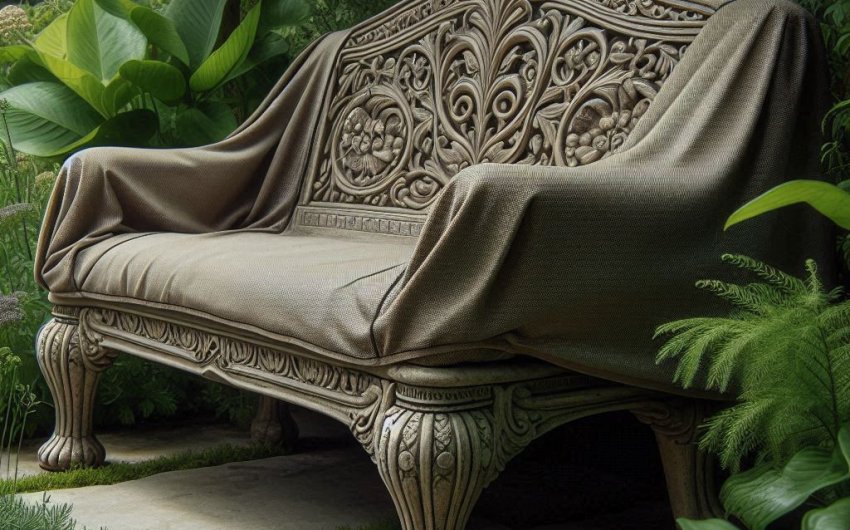
Antique garden furniture holds a special place in our hearts and landscapes. Its ornate details, classic designs, and the inherent character that comes with age add a timeless elegance that modern pieces often can't replicate. Whether it's a wrought iron bench that witnessed generations of garden conversations, a weathered wooden table from a bygone era, or a charming stone birdbath, these pieces bring a unique story and a sense of history to any outdoor space.
However, the very elements that contribute to their aged beauty – sun, rain, wind, and frost – are also their greatest adversaries. Exposing these cherished items to the elements without proper care can lead to rust, rot, fading, and deterioration, ultimately stripping away their charm and compromising their structural integrity. The challenge lies in finding ways to weatherproof antique garden furniture effectively, ensuring its longevity, without sacrificing the coveted patina and authentic character that make it so special. This guide will explore various strategies to protect your treasured outdoor antiques, allowing them to grace your garden for many more years to come.
Why Weatherproof Antique Garden Furniture?
Leaving your cherished antique garden furniture exposed to the elements without protection is like leaving a valuable painting out in the rain. While some aging can enhance character, neglect leads to irreversible damage that diminishes both beauty and value. Weatherproofing isn't just about preservation; it's about intelligent stewardship of history.
Preservation of Value and Longevity
- Protecting Your Investment: Antique furniture, especially well-preserved pieces, can be a significant investment. Without proper weatherproofing, wood will rot, metal will rust, and finishes will peel. This deterioration directly reduces the piece's monetary value and its lifespan. Regular care ensures your investment retains its worth.
- Preventing Structural Damage: Beyond cosmetic issues, constant exposure to moisture can cause wood joints to loosen, metal welds to weaken, and stone to crack. Weatherproofing actively prevents this structural breakdown, keeping your furniture safe to use and intact for future generations.
- Maintaining Authenticity: While a certain degree of patina (the natural aging process) is desirable, unchecked deterioration can destroy the original details, carvings, or intricate work that define the antique's authenticity. Weatherproofing slows down this destructive process, preserving the craftsmanship.
Aesthetic Appeal
- Retaining Charm: The unique charm of antique furniture often lies in its aged appearance. However, this is a delicate balance. Unprotected, the "weathered look" can quickly devolve into a "neglected look." Proper weatherproofing aims to stabilize and preserve the desirable patina, preventing it from turning into decay, discoloration, or extreme fading that makes a piece look shabby, not chic.
- Preventing Discoloration and Fading: Sun (UV radiation) is a major culprit for fading colors and finishes on both wood and painted metal. Rain and humidity can cause staining and mold growth. Weatherproofing acts as a shield, slowing down these undesirable changes and helping the piece retain its original or intentionally aged aesthetic.
- Keeping it Presentable: A rust-stained patio or a crumbling wooden bench can detract from the overall beauty of your garden. Well-maintained antique furniture remains a proud focal point, adding elegance and history to your outdoor living space.
Preventing Safety Hazards
- Structural Integrity: Over time, rust can compromise the strength of metal furniture, making chairs wobbly or benches unstable. Wood rot can lead to splintering or complete collapse. Weatherproofing ensures that your furniture remains safe for use, preventing accidents caused by deterioration.
- Sharp Edges/Splinters: Deterioration can create sharp, jagged edges on metal or cause wood to splinter dangerously. Proper sealing and maintenance can prevent these hazards.
Reducing Repair Costs and Effort
- Proactive vs. Reactive: It's far easier and less expensive to prevent damage than to repair it. Regular weatherproofing maintenance is a proactive step that avoids costly and time-consuming restoration projects down the line.
- Easier Cleaning: Sealed and protected surfaces are generally easier to clean and maintain throughout the season, as dirt and grime have less opportunity to penetrate and stain.
In essence, weatherproofing antique garden furniture is an act of appreciation and preservation. It ensures that these beautiful pieces continue to tell their story, enhance your garden's aesthetic, and provide enjoyment for many years without falling victim to the relentless forces of nature.
What Are the Main Materials in Antique Garden Furniture?
Understanding the primary materials of your antique garden furniture is the first step to effective weatherproofing. Each material reacts differently to the elements and requires specific care.
1. Wrought Iron and Cast Iron
These metals are classic choices for antique garden furniture due to their durability and ability to be shaped into intricate designs.
- Characteristics:
- Wrought Iron: Malleable (can be shaped when hot), often characterized by unique, handcrafted imperfections and visible hammer marks. Highly durable but can be heavy.
- Cast Iron: Poured into molds, allowing for more intricate, uniform, and often heavier designs. More brittle than wrought iron if dropped.
- Common Issues: Both are primarily susceptible to rust when exposed to moisture and oxygen. Rust can weaken the metal, cause flaking, and leave unsightly stains on surrounding surfaces. Old paint might also chip and peel.
- Charm to Preserve: The intricate scrollwork, original hand-forged details, and subtle patina of aged metal.
2. Wood
Wood garden furniture, from simple benches to elaborate arbors, brings natural warmth and charm.
- Characteristics: Varies greatly depending on the type of wood (oak, teak, cedar, pine). Generally lighter than metal but susceptible to various forms of deterioration.
- Common Issues:
- Rot and Decay: Caused by moisture, fungi, and bacteria, especially in contact with soil or standing water.
- Cracking and Splitting: From cycles of wetting and drying, or rapid temperature changes.
- Fading and Graying: UV radiation from the sun breaks down lignin in the wood, causing a silvery-gray patina. While some find this desirable, it indicates surface degradation.
- Mold and Mildew: Grow on damp surfaces, causing black or green discoloration.
- Insect Damage: Termites, carpenter ants, and other wood-boring insects.
- Charm to Preserve: The natural grain patterns, rich color (if maintained), smooth aged texture, and traditional joinery.
3. Stone (e.g., Marble, Granite, Cast Stone, Concrete)
Often found in birdbaths, statuary, benches with stone tops, or planters.
- Characteristics: Very heavy, durable, and naturally weather-resistant. Can be sculpted or cast.
- Common Issues:
- Cracking/Spalling: Primarily due to freeze-thaw cycles. Water penetrates tiny pores, freezes, expands, and causes the stone to chip or crack.
- Staining: From moss, algae, lichen, mineral deposits (e.g., rust from nearby metal), or organic debris.
- Erosion: Slow degradation of the surface over very long periods due to wind, rain, and pollutants.
- Charm to Preserve: The timeless, classical aesthetic, natural variations in color and texture, and the mossy or lichen patina that develops over time (if managed).
4. Cast Aluminum
While less common in very old antiques (more prevalent mid-20th century onwards), it's often mistaken for iron and can have an antique look.
- Characteristics: Much lighter than iron, does not rust, and can be cast into intricate patterns.
- Common Issues:
- Oxidation (White Powdery Corrosion): While it doesn't rust, aluminum can oxidize, forming a white, powdery residue.
- Paint Chipping/Fading: The painted finish can still chip, scratch, or fade from UV exposure.
- Charm to Preserve: Its lightweight nature, intricate designs, and often smooth painted finish.
5. Other Materials
- Terra Cotta/Ceramics: Often seen in pots or decorative elements. Susceptible to cracking in freeze-thaw cycles if not glazed or low-fired. Can grow moss and algae.
- Mosaics: Tiles might chip or grout might crack.
By correctly identifying the materials of your antique pieces, you can select the most appropriate and effective weatherproofing strategies, ensuring their enduring charm and integrity.
How Do I Prepare Antique Garden Furniture for Weatherproofing?
Proper preparation is the most critical step in effectively weatherproofing antique garden furniture. Skipping this stage can lead to poor adhesion of protective coatings, trapped moisture, and continued deterioration, ultimately wasting your efforts.
1. Thorough Cleaning
Remove all dirt, grime, biological growth, and loose finishes.
- General Cleaning:
- Method: Use a soft brush or sponge and a mild, non-abrasive cleaner. A solution of warm water with a few drops of dish soap is often sufficient. For stubborn dirt, a mixture of equal parts white vinegar and water can work. Avoid harsh chemicals or high-pressure washers, which can damage old finishes or delicate surfaces.
- Rinsing: Rinse thoroughly with clean water. Ensure no soap residue remains.
- Drying: Allow the furniture to dry completely. This is crucial. For wood and metal, this might take a few days in dry weather. Ensure there's no moisture trapped in crevices.
- Specific Cleaning for Different Materials:
- Metal (Iron, Aluminum):
- Rust Removal: For wrought iron or cast iron with existing rust, gently remove loose, flaking rust with a wire brush or fine-grade steel wool. For more stubborn rust, a rust-converter product can be used, which chemically transforms rust into a stable, paintable surface (though this does alter the metal and might not preserve original patina).
- Loose Paint: Scrape off any loose or bubbling paint with a putty knife or wire brush. A small wire brush set can reach intricate areas.
- Wood:
- Mold/Mildew: For mold or mildew, use a solution of 1 part bleach to 4 parts water, applied with a soft brush. Rinse thoroughly. For a gentler approach, a borax solution (1 cup borax per gallon of water) can also be effective against mold.
- Old Finish: If an old, failing finish is present and you plan to re-finish, you may need to gently sand it or use a chemical stripper (with extreme caution and proper safety gear). However, if you want to preserve existing patina, avoid aggressive stripping.
- Stone:
- Moss/Algae: Use a stiff brush and a solution of 1 part bleach to 10 parts water, or a specialized outdoor cleaner for moss and algae. Rinse very well. For historical stone, consult a conservator to avoid damage.
- Metal (Iron, Aluminum):
2. Make Repairs (Before Sealing)
Address any structural issues or damage before applying protective coatings.
- Tighten Loose Joints: For wooden furniture, tighten any loose screws or bolts. If joints are wobbly, consider disassembling (if possible), cleaning, and reassembling with outdoor-grade wood glue (exterior wood glue).
- Replace Damaged Parts: If a wooden slat is severely rotted, it might need to be replaced. Try to use a similar wood species.
- Weld Broken Metal: For broken metal components, professional welding might be necessary to ensure structural integrity. For minor cracks, a strong outdoor epoxy might suffice temporarily.
- Fill Cracks/Holes (Wood): For small cracks or holes in wood, use an outdoor-grade wood filler (outdoor wood filler) that can be sanded and painted/sealed.
3. Light Sanding (For Wood, if Re-finishing)
- Purpose: If you plan to apply a new stain or paint to wood (not just a sealant that preserves patina), a light sanding creates a smooth surface and helps the new finish adhere better.
- Method: Use a fine-grit sandpaper (120-220 grit). Sand lightly in the direction of the wood grain.
- Dust Removal: Thoroughly wipe away all sanding dust before proceeding.
4. Ensure Complete Dryness
This is arguably the most critical step before applying any protective finish.
- Time: Allow ample time for the furniture to dry completely after cleaning and any repairs. This means several sunny, dry days, potentially up to a week, especially for porous materials like wood or cast stone, or if the furniture has deep crevices.
- Trapped Moisture: Any trapped moisture beneath a new coating will cause bubbling, peeling, and ultimately lead to rot or rust from within. Use a fan or move the furniture to a well-ventilated area to aid drying.
By meticulously preparing your antique garden furniture, you create a clean, stable foundation that will allow your chosen weatherproofing methods to perform effectively and beautifully.
How Do I Weatherproof Wood Garden Furniture?
Wooden antique garden furniture requires specific attention to protect it from rot, cracking, and fading while trying to preserve its natural beauty. The key is to seal the wood from moisture and UV radiation.
1. Cleaning and Repair (as described above)
Ensure the wood is thoroughly clean, dry, and any repairs are complete before applying any finish.
2. Choose Your Protective Finish
Your choice of finish depends on whether you want to preserve a weathered look, restore original color, or add a painted finish.
- For Preserving Natural/Weathered Look (Transparent/Translucent Finishes):
- Penetrating Oils (e.g., Teak Oil, Tung Oil, Linseed Oil):
- How they work: These oils soak into the wood, nourishing it, enhancing the natural grain, and providing water repellency. They offer a very natural finish.
- Pros: Maintain the wood's natural feel and look, easy to reapply, prevent drying and cracking.
- Cons: Require reapplication annually or every other year, offer less UV protection than solid stains/paints, can sometimes darken the wood slightly.
- Application: Apply with a brush or rag, allowing it to soak in, then wipe off excess after the recommended time. A quality outdoor wood oil for furniture can bring out the richness of the grain.
- Clear Outdoor Sealers/Varnishes:
- How they work: Form a protective film on the surface of the wood, acting as a barrier against moisture and UV rays. Look for products specifically labeled for exterior use with UV inhibitors.
- Pros: Offer good protection, can enhance the wood grain, often more durable than oils.
- Cons: Can be prone to cracking or peeling over time (especially on horizontal surfaces) and require more involved reapplication (sanding). Can give a slightly "plasticky" look if too glossy.
- Application: Apply in thin, even coats with a brush. Sand lightly between coats if recommended. A clear exterior wood varnish can provide good protection.
- Penetrating Oils (e.g., Teak Oil, Tung Oil, Linseed Oil):
- For Adding Color and Protection (Stains & Paints):
- Exterior Wood Stains (Semi-Transparent or Solid):
- How they work: Stains penetrate the wood to some degree and add color while still allowing some wood grain to show through (semi-transparent) or completely covering it (solid). They offer significant UV protection and water repellency.
- Pros: Good protection, add color, durable.
- Cons: Change the natural wood color. Semi-transparent will fade; solid may chip.
- Application: Apply with a brush, pad, or sprayer. Follow manufacturer's instructions for coats and drying times. An outdoor wood stain with UV protection is a practical choice for color and durability.
- Exterior Paint:
- How it works: Forms a solid, opaque film that completely covers the wood grain. Offers excellent protection against moisture and UV.
- Pros: Best protection, can completely change the look of the piece, durable.
- Cons: Hides the natural wood grain, requires priming for best adhesion, can chip or peel over time.
- Application: Apply a high-quality exterior wood primer first, then apply two coats of a durable exterior latex paint for wood.
- Exterior Wood Stains (Semi-Transparent or Solid):
3. Application Process
- Weather Conditions: Apply finishes on a dry, mild day (not too hot, not too cold), avoiding direct scorching sun or high humidity. Check the product label for ideal temperature ranges.
- Ventilation: Work in a well-ventilated area.
- Protection: Wear gloves and appropriate safety gear. Use drop cloths to protect the ground.
- Thin, Even Coats: Always apply finishes in thin, even coats to avoid drips and ensure proper drying and adhesion. Multiple thin coats are better than one thick coat.
- Drying Time: Allow ample drying time between coats and before putting the furniture back into use. This is crucial for durability.
4. Ongoing Maintenance
- Regular Cleaning: Clean regularly with mild soap and water.
- Reapplication: Reapply oils annually or as needed. Reapply sealers, stains, or paints every 2-5 years, depending on product durability and exposure, after light cleaning and possibly sanding.
- Winter Storage: In very harsh climates, consider storing wooden furniture indoors or covering it during winter to prolong its life. A heavy duty outdoor furniture cover can offer protection.
- Elevate: Ensure wooden furniture legs are not directly on wet ground; use furniture glides or small risers to promote airflow and prevent moisture wicking.
By choosing the right finish and diligently applying it, you can effectively weatherproof your antique wooden garden furniture, maintaining its charm and ensuring its longevity.
How Do I Weatherproof Metal Garden Furniture?
Antique metal garden furniture, primarily wrought iron and cast iron, offers incredible durability but is highly susceptible to rust. Protecting it involves addressing existing rust and applying a durable, rust-inhibiting finish that respects its character.
1. Cleaning and Rust Removal (as described above)
Thorough preparation is essential for proper adhesion of new coatings. Remove all loose rust, flaking paint, and grime. Ensure the metal is completely dry before proceeding.
2. Treat Existing Rust (If Any)
- Rust Converters: For stubborn rust that cannot be completely removed, a rust converter can be very effective. This product chemically reacts with the rust (iron oxide) and transforms it into a stable, black, inert coating that can be painted over.
- Pros: Stops rust in its tracks, forms a stable base for paint.
- Cons: Changes the appearance of the rust, not suitable if you want a natural, unpainted patina.
- Application: Apply directly to rusted areas after cleaning. Allow to dry completely as per product instructions. A rust converter spray or liquid is easy to use.
3. Choose Your Protective Finish
The goal is to create a durable barrier against moisture and oxygen.
- Option 1: For a Painted Finish (Most Common & Protective):
- Rust-Inhibiting Primer: This is a crucial step for iron furniture. After cleaning and rust removal/conversion, apply at least one (preferably two) coats of a high-quality rust-inhibiting metal primer. This primer bonds to the metal and provides the first line of defense against future rust. Look for rust-preventative primer for metal labeled for exterior use.
- Exterior Metal Paint: Follow the primer with two coats of a durable exterior metal paint.
- Oil-Based Enamel: Traditionally very durable, good for metal, provides a hard finish.
- Acrylic Latex (Specifically for Metal): Modern formulations are excellent, offering good flexibility and rust inhibition, often with easier cleanup.
- "Rust-Oleum" Type Paints: Many paints are now formulated as "paint and primer in one" specifically for metal and rust prevention. These are very convenient. A popular choice is Rust-Oleum protective enamel or brush-on Rust-Oleum paint.
- Color Choice: Choose a color that complements your garden and the antique's style. Black, dark green, or classic white are popular for antique looks.
- Application: Use a good quality brush for intricate areas, or spray paint for a smoother, faster finish on larger pieces. Always follow manufacturer drying times between coats.
- Option 2: For a Natural, Unpainted "Raw" Metal Look (Less Common, More Maintenance):
- Clear Coat/Wax: If you prefer to expose the bare metal (perhaps after thoroughly cleaning and removing all rust), you will need to protect it with a clear coating or wax.
- Clear Polyurethane/Varnish: Apply several coats of a durable exterior clear coat for metal with UV inhibitors. This creates a protective film. This is a challenging look to maintain outdoors, as any chip in the clear coat allows moisture in, leading to rust underneath.
- Wax (e.g., Car Wax or Specialized Metal Wax): Apply a generous coat of carnauba-based car wax or a specialized metal protective wax. This provides a temporary moisture barrier and needs very frequent reapplication (monthly or more, depending on climate). This method is best for highly protected areas or items that can be regularly brought indoors.
- Note: This "raw metal" look is extremely difficult to maintain outdoors without eventual rust. A durable paint is generally the best long-term protection for iron. For aluminum, a clear powder coat (professional application) or a clear exterior topcoat can protect against white oxidation.
- Clear Coat/Wax: If you prefer to expose the bare metal (perhaps after thoroughly cleaning and removing all rust), you will need to protect it with a clear coating or wax.
4. Application Process
- Weather Conditions: Apply paint or clear coats on a dry, mild day with low humidity. Avoid direct sunlight which can cause paint to dry too quickly and blister.
- Preparation: Ensure the surface is absolutely clean, dry, and free of dust or grease.
- Thin Coats: Apply thin, even coats. Multiple thin coats are always better than one thick coat, as thick coats are prone to drips, uneven drying, and peeling.
- Curing Time: Allow adequate curing time (which can be longer than simple drying time) before placing the furniture back outside or into use. This is crucial for the coating's full durability.
5. Ongoing Maintenance
- Regular Cleaning: Wash periodically with mild soap and water to remove dirt and pollutants.
- Touch-Ups: Inspect annually for chips, scratches, or signs of new rust. Touch up immediately with primer and paint to prevent further deterioration. A small art brush set can be useful for intricate repairs.
- Winter Storage: In harsh winter climates, consider moving metal furniture to a sheltered location (shed, garage, covered patio) or covering it with a breathable outdoor furniture cover to minimize exposure to moisture and freeze-thaw cycles.
- Elevate: Keep furniture off direct contact with wet ground to prevent moisture accumulation at the feet.
By following these steps, your antique metal garden furniture can maintain its elegance and stand strong against the elements for many years, continuing to be a focal point in your outdoor space.
How Do I Weatherproof Stone Garden Furniture?
Antique stone garden furniture, including pieces made of marble, granite, concrete, or cast stone, brings a sense of permanence and classic beauty to a garden. While naturally durable, stone can still suffer from freeze-thaw damage, staining, and biological growth without proper care. The goal is to protect it from water penetration while preserving its natural texture and patina.
1. Cleaning and Repair (as described above)
Start by thoroughly cleaning the stone. Remove any dirt, moss, algae, or lichen using a soft brush and a gentle cleaner. A diluted bleach solution (1:10 bleach to water) or a specialized outdoor stone cleaner works well. Rinse completely and allow the stone to dry fully, which can take several days for porous materials. Repair any cracks or chips with appropriate stone repair epoxy or mortar.
2. Choose Your Protective Sealer
The most effective way to weatherproof stone is to use a high-quality penetrating stone sealer.
- How it Works: These sealers soak into the pores of the stone, creating a hydrophobic (water-repelling) barrier without forming a visible film on the surface. This allows the stone to "breathe" (which is important for preventing trapped moisture) while preventing water from penetrating and causing freeze-thaw damage.
- Types:
- Impregnating/Penetrating Sealers: These are ideal for antique garden stone. They don't change the appearance of the stone but offer excellent protection against water absorption and staining. Look for products specifically for exterior use on natural stone, concrete, or masonry.
- Enhancing Sealers: Some sealers can deepen the natural color of the stone, giving it a "wet" look. Choose this only if you desire that aesthetic.
- Pros: Preserves the natural look and texture, highly effective against freeze-thaw damage, prevents staining, allows stone to breathe.
- Cons: Requires reapplication periodically (every 1-5 years depending on product and exposure), can be a bit costly upfront.
- Application: Apply the sealer evenly with a brush, roller, or sprayer, following the manufacturer's instructions. Often, two or more coats are recommended, with adequate drying time between coats. Wipe off any excess sealer from the surface before it dries, as it can leave a sticky residue. A concrete and natural stone sealer designed for outdoor use is what you need.
3. Consider Waxing (For Polished Stone)
For polished marble or granite surfaces (less common for full outdoor pieces, but sometimes seen on tabletops), a specialized stone wax can add an extra layer of protection and shine.
- How it Works: Forms a thin, protective layer that repels water and prevents staining.
- Pros: Enhances shine, provides temporary protection.
- Cons: Needs frequent reapplication (monthly/quarterly), can break down quickly in direct sun. Not suitable for porous, unpolished stone.
- Application: Apply thinly with a soft cloth and buff to a shine. A granite and marble sealer wax might be useful for table tops.
4. Ongoing Maintenance
- Regular Cleaning: Wash stone regularly with plain water or a mild, pH-neutral soap to remove dirt and prevent buildup of biological growth.
- Wipe Up Spills: Clean spills immediately, especially acidic liquids like fruit juice or wine, which can etch unsealed or improperly sealed stone.
- Winter Protection (Crucial for Freeze-Thaw Zones):
- Elevate: Ensure stone furniture (especially birdbaths, planters, or bases) is not sitting directly on wet ground or in standing water. Use small risers or blocks to elevate them slightly, promoting drainage.
- Drain Water: Crucially, for birdbaths and planters, empty them completely of water before the first frost. Water left inside will freeze, expand, and almost certainly crack the stone. Turn birdbath tops upside down to prevent water collection.
- Covering: In very harsh winter climates, consider covering delicate or highly porous stone pieces with a breathable waterproof cover once they are completely dry in late fall. This minimizes direct exposure to snow, ice, and constant moisture.
- Bring Indoors: For smaller stone pieces, bringing them into an unheated garage or shed for the winter is the safest option.
- Reapply Sealer: Reapply the penetrating sealer every 1-5 years, or as recommended by the product manufacturer, depending on how exposed the piece is and the severity of your climate.
By protecting your antique stone garden furniture with appropriate sealers and mindful winter care, you can preserve its dignified charm and ensure it remains a timeless feature in your garden for decades, even centuries, to come.