
How to Make Your Own Mosaic Stepping Stones?
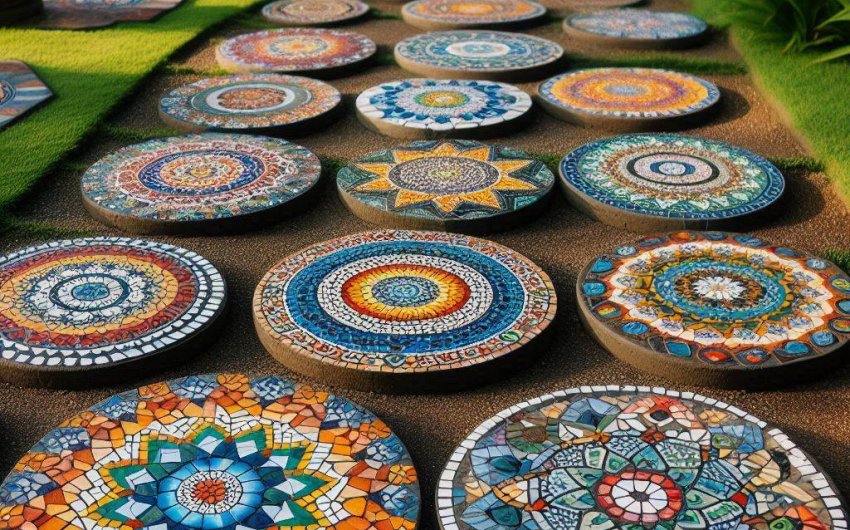
Transform your garden or backyard into a vibrant showcase with DIY mosaic stepping stones. These personalized stepping stones are not just functional paths; they are miniature works of art that reflect your creativity and add a unique charm to any outdoor space. Making your own mosaic stepping stones is a rewarding project, perfect for a sunny afternoon, and a fantastic way to express your individual style. You don't need to be an expert artist to create stunning results. With a few basic materials and a bit of patience, you can craft beautiful, durable stepping stones that will last for years, bringing joy with every step.
This guide will walk you through everything you need to know, from gathering your supplies to the final touches, ensuring your first foray into mosaic crafting is a resounding success. Get ready to turn ordinary pathways into extraordinary artistic expressions, making your garden truly one-of-a-kind.
What Materials Do You Need to Make Mosaic Stepping Stones?
Creating your own mosaic stepping stones is a fun and accessible project that doesn't require a lot of fancy tools. The key is to gather all your materials before you begin, so your creative flow isn't interrupted. Think of it like preparing a recipe; having everything ready makes the process smooth and enjoyable.
What Kind of Molds Should You Use?
Choosing the right mold is the first step in shaping your stepping stone design. Molds define the size and shape of your finished stone. There are several options, each with its own advantages.
One popular choice is a plastic stepping stone mold. These are widely available at craft stores or online and come in various shapes like circles, squares, hearts, or even irregular natural forms. They are designed specifically for this purpose, making them easy to use and reuse. They often have a slight taper, which helps with easy removal of the finished stone. When selecting a plastic mold, look for one that is sturdy and flexible enough to allow for easy de-molding without cracking.
Another excellent option, especially if you want a custom size or shape, is a metal baking pan, like an aluminum cake pan or even an old pie tin. Just make sure it’s one you don’t mind dedicating to craft projects, as the cement might make it unsuitable for food use afterward. The sides of the pan should be at least 1.5 to 2 inches deep to ensure a good, sturdy stone. Square and rectangular pans are great for more traditional pathways, while round ones offer a classic stepping stone look.
For a truly organic and natural look, you can create a simple sand mold. This method is wonderfully simple and gives each stone a unique, rustic feel. Find a spot in your garden with damp, compact sand or soil. Dig a depression in the shape and size you desire for your stone. Smooth out the sides and bottom of your dug-out shape. This works best for larger, more irregular stones. The sand acts as the mold, and once the cement cures, you just dig the stone out.
You can also create a mold using a sturdy plastic container, such as a storage container. Look for containers with a smooth interior and a relatively shallow depth, ideally between 1.5 to 2 inches, to ensure a good thickness for your stepping stone. Remember that the finished stone will be the exact shape and size of the container’s bottom.
Regardless of the type of mold you choose, consider its size in relation to where your stepping stone will go. A typical stepping stone is around 10 to 14 inches in diameter or square, providing a comfortable stepping surface. A larger mold will require more cement and mosaic pieces, while a smaller one will be quicker to make.
What Kind of Cement or Concrete Should You Use?
The foundation of your stepping stone is the cement or concrete mixture. It's crucial to pick the right type to ensure your stones are durable and can withstand outdoor conditions. You want something that will cure hard and resist cracking from weather changes.
The most common and recommended choice for stepping stones is quikrete stepping stone mix. This is a specific type of concrete designed for projects like stepping stones, birdbaths, and other small garden features. It’s pre-mixed with sand and gravel, so all you need to do is add water. This makes it incredibly convenient, especially for beginners. The bag will have clear instructions on the water-to-mix ratio, which is important to follow for proper curing. You can find quikrete stepping stone mix at most hardware stores or garden centers.
Another option is a standard Portland cement mix, which you would then mix with sand and sometimes gravel yourself. However, for a small project like stepping stones, the pre-mixed stepping stone mix is generally easier and less messy, as you don't have to worry about getting the aggregate ratios correct. If you choose to use regular cement, ensure you also purchase play sand (fine, washed sand) and mix them in a ratio of about 1 part cement to 3 parts sand. This mixture is often called mortar or concrete mix depending on whether gravel is included, but for stepping stones, sand and cement suffice for strength and ease of mosaic application.
The amount of mix you need will depend on the size and number of stepping stones you plan to make. A standard 10-pound bag of stepping stone mix can typically make one 12-inch stepping stone. It's always a good idea to buy a little extra, just in case.
What Tools Do You Need for Mixing?
Mixing cement doesn't require complex tools, but having the right ones makes the process much more efficient and less strenuous. Safety first: always wear gardening gloves or work gloves when handling cement to protect your hands from irritation.
You’ll need a sturdy mixing container. A 5-gallon bucket is perfect for this. Its size allows for easy stirring and prevents spills. Avoid using anything that you might want to use for food later, as cement residue can be difficult to remove completely. An old plastic basin or even a wheelbarrow can work well for larger batches.
For stirring, a garden trowel or a small shovel is ideal. These tools are strong enough to handle the thick cement mixture and allow you to thoroughly combine the dry mix with water. A mixing stick or a sturdy piece of wood can also work for smaller quantities. The goal is to get a uniform, lump-free consistency.
You will also need a source of water. A watering can or a measuring cup is useful for adding water gradually to the mix. It's important not to add too much water at once, as it’s much easier to add more water than to try and thicken a runny mixture. Start with less than you think you'll need and add small amounts until you reach the desired consistency.
What Materials Can You Use for the Mosaic Design?
This is where the real fun begins! The materials you choose for your mosaic design are what will give your stepping stones their unique personality and charm. Almost anything durable and relatively flat can be used, giving you endless creative possibilities. The key is to pick materials that will withstand outdoor elements like rain, sun, and temperature changes.
One of the most popular and vibrant choices is stained glass scraps. These come in an amazing array of colors and textures, allowing you to create intricate and colorful patterns. You can often find stained glass scraps at local craft stores, glass suppliers, or even online. They are usually sold in small bags or by the pound. Be careful when handling glass, as edges can be sharp.
Ceramic tiles are another fantastic option. You can use new, colorful ceramic tiles or even break old, unwanted tiles into smaller pieces. This is a great way to recycle and get unique textures. Broken pieces of old plates, teacups, or bowls can also be repurposed into charming mosaic elements, adding a personal touch and a bit of history to your stones. Remember, if you're breaking your own tiles or plates, always wear safety glasses to protect your eyes from flying shards.
Pebbles and small stones offer a natural, earthy look. You can collect these from your garden, a local riverbed, or purchase bags of decorative pebbles from garden supply stores. Smooth, flat pebbles work best for a comfortable stepping surface, but textured ones can add visual interest. Consider different colors and sizes to create patterns or even spell out words.
Broken pottery pieces, often called "tesserae" in mosaic art, are excellent for adding depth and varying textures. Old ceramic pots, vases, or even terracotta saucers can be broken carefully into usable pieces. Just ensure they are thick enough to embed securely into the cement.
Recycled glass pieces, such as pieces from old bottles or jars, can also be beautiful, but choose thicker pieces and smooth any sharp edges with a glass grinder or avoid very sharp edges. Sea glass, with its naturally tumbled edges, is particularly lovely for ocean-themed designs.
You can even incorporate small, non-perishable trinkets that hold special meaning. Think about old costume jewelry, marbles, flat buttons, or even mosaic beads. Just make sure they are made of materials that won’t degrade outdoors, such as plastic, glass, or metal that won’t rust excessively. Avoid anything that will rot or attract pests, like dried leaves or wood.
Before you start, clean all your mosaic pieces thoroughly. Any dirt or residue can prevent them from sticking properly in the cement. Laying out your design beforehand on a piece of paper the same size as your mold can help you visualize the finished product and ensure you have enough materials. This planning step can save you time and prevent frustration later on.
How Do You Prepare Your Workspace and Materials?
Preparation is key to a smooth and enjoyable crafting experience. Just like a chef preps their ingredients before cooking, you should prepare your workspace and materials before mixing cement or laying your mosaic pieces. This ensures you have everything at your fingertips when you need it, avoiding rushed decisions or messy spills.
How Should You Set Up Your Work Area?
Choose a flat, level surface for your workspace. This is crucial for ensuring your stepping stone cures evenly and doesn't end up with a slanted surface. A work table or a sturdy workbench in a garage or shed is ideal. If you're working outdoors, a section of a patio or a sturdy piece of plywood laid across sawhorses would work well. Make sure the surface can withstand a bit of mess, as working with cement can get dusty and splashy.
Protect your workspace by laying down a plastic tarp or old newspapers. This will catch any spills or drips, making cleanup much easier. Cement can be difficult to remove once it dries, so a protective layer is a wise investment.
Ensure your work area is well-ventilated, especially if you are working indoors. Cement dust can be irritating to the respiratory system. If possible, work outdoors or near an open window. Good lighting is also important, as it helps you see your mosaic pieces clearly and place them accurately.
Keep a bucket of water and some old rags or sponges nearby for quick cleanups. You'll want to wipe off your tools before the cement dries on them, and it's good to have something handy for any accidental splatters.
Finally, think about where your stepping stone will cure. It needs to be in a quiet, undisturbed spot for at least 24-48 hours, away from direct sunlight, extreme heat, or freezing temperatures. A garage, basement, or a shaded spot in the garden (if it won't be bothered by pets or children) works well. Having this spot picked out before you start will prevent you from having to move a wet, heavy stone later.
How Do You Prepare Your Molds?
Preparing your mold correctly is a small but vital step that ensures your finished stepping stone releases easily and cleanly. This prevents breakage and frustration later on.
If you are using a plastic stepping stone mold or a metal baking pan, you need to apply a release agent. A light coating of cooking spray, petroleum jelly, or even vegetable oil will work perfectly. Use a paper towel to evenly coat the inside surfaces of the mold, ensuring you get into any corners or detailed patterns. This thin layer creates a barrier between the mold and the cement, making it simple to pop the cured stone out without damaging either.
If you're using a sand mold, ensure the sand is damp and compacted. This helps the sand hold its shape and prevents it from collapsing when you pour the cement. Smooth out the bottom and sides of your sand depression to create a smooth surface for your stone. There's no need for a release agent with sand, as the loose particles won't stick to the cement once it's cured.
For any mold, make sure it is clean and free of any debris or dust before you apply the release agent or pour the cement. A clean mold leads to a smooth, professional-looking stepping stone.
How Do You Sort and Clean Your Mosaic Pieces?
Before you start placing your mosaic pieces, it's incredibly helpful to sort and clean them. This saves time during the actual mosaic-laying process and ensures your pieces adhere properly.
First, clean all your mosaic materials. Even new tiles or glass scraps can have dust or residue from manufacturing or storage. Use a damp cloth to wipe down glass, ceramic pieces, pebbles, and anything else you plan to use. For dirtier items, a quick rinse under water with a little soap can be beneficial, followed by thorough drying. Any dirt, grease, or dust can act as a barrier and prevent the mosaic pieces from bonding securely with the cement.
Next, sort your mosaic pieces by color, shape, size, or material. This organization makes it much easier to select the right piece when you're in the middle of creating your design. For example, if you're planning a flower design, having all your green pieces for leaves and various colors for petals separated will streamline the process. You can use small bowls, trays, or even a muffin tin to keep your sorted pieces organized.
If you're using broken tiles or pottery, this is the stage to carefully break them into desired sizes. Always wear safety glasses and use a tile nipper or a hammer wrapped in a cloth (to contain shards) for breaking. Break them into pieces that are roughly the size you envision for your mosaic. Avoid excessively sharp pieces, especially if the stepping stone will be walked on with bare feet.
Consider laying out your design on a piece of paper or cardboard the same size as your mold. This allows you to experiment with patterns, colors, and arrangements before committing them to the wet cement. Take a photo of your planned design with your phone as a reference. This pre-planning step can make a huge difference in the final look of your mosaic and helps ensure you have enough materials for your chosen design.
How Do You Mix and Pour the Cement?
Mixing cement is one of the most critical steps in making your stepping stone. Getting the right consistency ensures your stone is strong, durable, and has a smooth surface for your mosaic. It’s not difficult, but precision here pays off.
What Is the Right Consistency for Cement?
The ideal consistency for your stepping stone mix is often described as similar to thick peanut butter or oatmeal. It should be wet enough to pour and spread easily but not so watery that it's soupy or runny. A good mix will hold its shape when piled and won't have excess water pooling on the surface.
If the mix is too dry, it will be crumbly and difficult to work with, and the finished stone might be weak or prone to cracking. If it's too wet, the water content will weaken the final product, potentially leading to a stone that is not as strong or durable. It might also cause your mosaic pieces to sink too deep or shift out of place.
Always follow the instructions on your specific quikrete stepping stone mix bag for the recommended water-to-mix ratio. These instructions are formulated for optimal performance of that particular product.
How Do You Mix the Cement Properly?
Start by pouring the dry stepping stone mix into your chosen mixing container, such as a 5-gallon bucket. Make a depression in the center of the dry mix, like a volcano.
Slowly add water into the center of the dry mix. It's crucial to add water gradually, a little at a time. Resist the urge to dump in a lot of water at once. You can always add more water, but you can’t easily remove it if you add too much.
Using a garden trowel or small shovel, begin to mix the water into the dry powder. Work from the outside edges of the dry mix inwards, gradually incorporating it into the wet center. Stir thoroughly, making sure there are no dry pockets or lumps at the bottom of your bucket. Scrape down the sides as you mix.
Continue mixing and adding small amounts of water until you reach the desired thick, peanut butter-like consistency. It should be workable and smooth, but not sloppy. It will take a few minutes of good, vigorous stirring to achieve this. The mix should be able to hold a slight peak when you pull your trowel out.
Remember to wear your gardening gloves throughout the mixing process to protect your skin from the cement, which can be drying and irritating.
How Do You Pour the Cement Into the Mold?
Once your cement mix is perfectly prepared, it’s time to pour it into your mold. This step needs to be done relatively quickly, as cement begins to set once mixed with water.
Carefully scoop the mixed cement into your prepared mold. Use your garden trowel to evenly distribute the mixture. Fill the mold to about 1 to 1.5 inches thick. This thickness provides good strength for a stepping stone without making it excessively heavy or prone to cracking. If your mold is deeper, you don't necessarily need to fill it to the very top; an inch and a half to two inches is usually sufficient for durability.
After pouring, gently tap the sides of the mold or lift and slightly drop the mold a few times onto your work surface. This helps to release any trapped air bubbles within the cement, which can weaken the stone or create unsightly pockmarks on the surface. You'll often see small bubbles rise to the surface as you do this.
Use your trowel or a straight edge (like a ruler or a scrap piece of wood) to smooth the top surface of the cement. Make sure it's level and even. This creates a flat base for your mosaic pieces and ensures a stable stepping surface later on. You want a smooth, damp surface ready for your decorative elements.
If you are using a sand mold, carefully spoon the cement into your dug-out depression, making sure to fill it evenly. Smooth the top surface with your trowel.
Now that your cement is poured and smoothed, you have a limited window of time (usually 15-30 minutes, depending on the cement type and temperature) to place your mosaic pieces before the cement starts to harden. This is why having your mosaic pieces sorted and your design planned is so important.
How Do You Create Your Mosaic Design?
This is the most exciting part of the process, where you bring your stepping stone to life with vibrant colors and textures! Creating your mosaic design allows for endless creativity, making each stone truly unique.
What Are Different Mosaic Design Techniques?
There are several ways to approach your mosaic design, each offering a different look and level of complexity.
One popular method is the direct method, where you place your mosaic pieces directly onto the wet cement surface. This is the most common technique for stepping stones and what we've been preparing for. It allows you to see your design as you go and make immediate adjustments. You simply press each piece into the wet cement, ensuring it's firmly embedded.
Another technique is the reverse method. In this method, you would create your mosaic design upside down on a piece of clear contact paper or strong packing tape. Once your design is complete on the sticky side of the paper, you would then press this entire sheet, mosaic-side down, onto the wet cement. After the cement cures, you peel off the paper, revealing your mosaic right-side up. This method is great for intricate designs or text, as it ensures a perfectly flat surface and uniform spacing. However, it requires a bit more planning and can be challenging for beginners. For stepping stones, the direct method is generally easier and more forgiving.
You can also combine different materials and textures. Don't be afraid to mix stained glass scraps with pebbles, ceramic tiles with marbles, or even small metal objects. The contrast in materials can add depth and interest to your design.
Consider the "flow" of your design. Do you want geometric patterns, a random organic look, or a specific image like a flower or sun? Sketching your idea beforehand can be very helpful.
How Do You Place Mosaic Pieces Into the Cement?
Now that your cement is poured and smoothed, it's time to start embedding your mosaic pieces. Work quickly but carefully, as the cement will begin to set.
Begin by placing your larger, focal pieces first. This helps establish the main elements of your design. For example, if you're making a sun, place the center circle first, then radiating lines for the rays.
Gently press each mosaic piece into the wet cement. You want the piece to be embedded deep enough so that its surface is level with, or slightly below, the surface of the cement. This ensures the piece is secure and prevents it from popping out later. Aim for about half to two-thirds of the thickness of your mosaic piece to be submerged in the cement. If a piece isn't fully submerged, it might become loose over time.
Use your fingers, a tweezer for small pieces, or even the blunt end of a pencil to gently press the pieces down. If a piece creates a slight indentation in the cement, that's generally a good sign that it's settling properly.
Leave a small gap or grout line between your mosaic pieces. This space will later be filled with grout, which helps hold the pieces together and gives your mosaic a finished look. The size of the gap can vary depending on your aesthetic preference – a wider gap for a more rustic look, or a narrower gap for a more refined appearance. Aim for about 1/8 to 1/4 inch between pieces.
As you place pieces, occasionally step back and look at your design from a distance. This helps you check the overall balance and make any necessary adjustments. If a piece isn't quite right, you can carefully lift it and reposition it within the first 10-15 minutes.
If any cement oozes up around your mosaic pieces, use a small stick or a damp sponge to carefully wipe it away before it dries. This will make the grouting process much easier later on.
Don't overfill the surface with mosaic pieces. Leave enough space for the cement to show through and for the grout to adhere properly. Sometimes, less is more, allowing individual mosaic pieces to stand out.
Once all your mosaic pieces are in place, gently tap the entire mold again to ensure good contact between the pieces and the cement and to release any remaining air bubbles. Take a final look at your design. This is your last chance to make adjustments before the cement sets.
How Do You Cure and De-mold Your Stepping Stone?
Once your mosaic is complete, the curing process begins. This is a critical stage that determines the strength and durability of your stepping stone. Patience here is key!
How Long Does Cement Need to Cure?
Cement doesn't just dry; it "cures" through a chemical reaction with water. This process can take a significant amount of time to reach its full strength.
For mosaic stepping stones, you should allow the cement to cure for at least 24 to 48 hours in the mold before attempting to de-mold it. This initial curing period is crucial for the stone to gain enough strength to be handled without breaking.
After de-molding, the stone will continue to cure and harden further. For optimal strength and durability, especially before placing it outdoors where it will be exposed to weather, it's recommended to let the stone cure for a full week, or even up to 28 days, in a cool, shaded, and protected area. While you can usually move it after 2-3 days, the longer it cures, the stronger it will become.
During the curing process, keep the stone in a cool, relatively humid environment, away from direct sunlight, extreme heat, or freezing temperatures. Rapid drying can lead to cracking. Some people even lightly mist their curing stones with water a few times a day during the first 24-48 hours to ensure adequate moisture for the curing reaction, especially in dry climates.
How Do You De-mold Your Stepping Stone?
After the initial 24 to 48-hour curing period, your stepping stone should be solid enough to remove from its mold. This is often the most exciting moment, as you finally get to see your creation!
If you used a plastic mold or a metal baking pan with a release agent, gently invert the mold onto a soft surface, like a towel or a piece of foam. Carefully tap the bottom and sides of the mold. The stone should gradually loosen and slide out. If it sticks, try gently wiggling the mold sides. Do not force it or try to pry it out with tools, as this can crack your new stone. If it's really stuck, it might need a bit more curing time, or you might need to try a little more force if you applied enough release agent. Usually, a well-greased mold will release with relative ease.
If you used a sand mold, carefully dig around the edges of your buried stone. Once you’ve loosened the sand around it, gently lift the stone out. Brush off any excess sand. The bottom surface might have a slightly textured, sandy finish, which adds to its rustic charm.
Once de-molded, carefully inspect your stepping stone. Look for any loose mosaic pieces. If you find any, you can try to re-embed them with a small dab of concrete adhesive or epoxy, though ideally, they should have set securely in the wet cement.
Place your de-molded stepping stone in a protected area to continue curing. A garage, a shaded spot under a tree, or even covered with a tarp will work. Avoid placing it directly on grass or uneven ground during this final curing phase, as this can lead to uneven drying and potential cracking. Let it cure for at least another 5-7 days before moving it to its final outdoor location.
How Do You Grout and Finish Your Stepping Stone?
Grouting is the final step in creating your mosaic stepping stone. It fills in the gaps between your mosaic pieces, securing them in place, providing a smooth surface, and giving your stepping stone a professional, finished look.
What Kind of Grout Should You Use?
For outdoor mosaic stepping stones, you need a durable, weather-resistant grout. The best choice is sanded grout.
Sanded grout contains fine sand particles, which give it strength and prevent shrinkage, making it ideal for wider grout lines (1/8 inch or more) and for outdoor applications where durability is key. It helps hold mosaic pieces securely in place and resists cracking from temperature changes. You can find sanded grout at any hardware store or tile supply shop. It comes in a variety of colors, allowing you to choose one that complements your mosaic design – gray, black, white, or even earthy tones. A neutral gray or charcoal often works well as it provides good contrast and hides dirt.
Avoid using unsanded grout for stepping stones. Unsanded grout is typically used for very narrow grout lines (less than 1/8 inch) and is not as strong or durable for outdoor, high-traffic applications.
The amount of grout you need will depend on the size of your stone and the spacing of your mosaic pieces. A small bag is usually sufficient for one or two stepping stones.
How Do You Mix the Grout?
Mixing grout is similar to mixing cement, but often requires a slightly different consistency. Always refer to the specific instructions on your grout packaging, as ratios can vary by brand.
You'll need a clean mixing container, such as a smaller plastic container or an old yogurt tub. Use a stir stick or a smaller trowel for mixing.
Pour the dry sanded grout powder into your container. Gradually add water, mixing as you go. The goal is to achieve a consistency similar to thick toothpaste or peanut butter. It should be thick enough to hold its shape on your mixing tool, but spreadable. It shouldn't be runny or crumbly.
Mix thoroughly, making sure there are no lumps or dry powder pockets. Let the mixed grout sit for about 5-10 minutes (this is called "slaking"), then give it another quick stir. This allows the water to fully hydrate the grout, making it easier to work with.
Again, remember to wear your gardening gloves to protect your hands.
How Do You Apply the Grout?
Applying grout is about pushing the mixture into all the crevices between your mosaic pieces.
First, make sure your stepping stone is completely dry and has cured for at least a week before grouting. Any moisture can affect the grout's bond and color.
Scoop a generous amount of mixed grout onto the surface of your stepping stone. Using a rubber float or an old credit card, spread the grout over the entire mosaic surface, pushing it firmly into all the gaps and crevices between your mosaic pieces. Work diagonally across the pieces to ensure good coverage and to avoid pulling out any mosaic elements.
Don't be shy with the grout; you want to make sure every gap is completely filled. It will look messy at this stage, but that's normal.
Once all the gaps are filled, use the edge of your rubber float or credit card to scrape off as much excess grout from the surface of the mosaic pieces as possible. Hold the float at a steep angle (almost perpendicular to the stone) and scrape diagonally. This will save you a lot of cleaning later.
How Do You Clean and Polish the Grout?
Cleaning off the excess grout is crucial for revealing your beautiful mosaic. This needs to be done in stages.
Wait about 15-30 minutes after applying the grout, or until the grout starts to "haze" over and becomes firm but still pliable. This waiting period allows the grout to begin setting.
Using a damp (not soaking wet!) sponge, gently wipe the surface of your stepping stone. Use a circular motion. The goal is to remove the grout film from the mosaic pieces while leaving the grout in the joints. Rinse your sponge frequently in a clean bucket of water. Change the water often, as dirty water will just redeposit grout haze. Be careful not to pull out grout from the joints.
After the initial wipe, let the stone sit for another 30-60 minutes. A "haze" of grout will likely appear on the mosaic pieces as the surface dries. This is normal.
For the final clean-up, use a clean, dry cloth or a slightly damp sponge to buff away any remaining grout haze from the mosaic pieces. This step really makes your mosaic shine. If the haze is stubborn, you can lightly mist the stone with water or use a very diluted solution of white vinegar and water, then wipe again. Be careful with vinegar on freshly cured grout, as it can sometimes affect the color or integrity if used too soon or in too strong a concentration.
Allow the grout to cure for at least 24-48 hours before handling the stone extensively, and ideally, let it cure for a full 7 days before placing it in its final outdoor location.
Should You Seal Your Stepping Stone?
Sealing your mosaic stepping stone is an optional but highly recommended step, especially for stones that will be placed outdoors and exposed to the elements.
A grout sealer penetrates the grout and creates a protective barrier that repels water, stains, and prevents mildew growth. It helps preserve the vibrant colors of your mosaic and extends the lifespan of your stepping stone. Without a sealer, grout can absorb moisture, leading to discoloration, deterioration, and efflorescence (a powdery white substance that appears on the surface).
Apply a high-quality grout sealer designed for outdoor use. Many sealers come in a spray bottle or with an applicator brush. Read the product instructions carefully, as application methods and drying times vary. Typically, you apply a thin, even coat to both the mosaic pieces and the grout lines. Some sealers may require multiple coats.
Before applying the sealer, ensure your stepping stone and grout are completely dry and cured – usually 24-72 hours after grouting, but check your sealer's specific instructions. Apply the sealer in a well-ventilated area, and avoid applying it in direct sunlight or extreme temperatures.
Let the sealer cure according to the product's recommendations, which could be several hours or even a full day, before handling the stone or placing it outdoors. Re-sealing every few years, depending on your climate and the sealer type, will help maintain your stepping stone's beauty and durability.
With these steps complete, your custom mosaic stepping stone is ready to add a personal and artistic touch to your garden, patio, or pathway, bringing color and charm for years to come.