
Creative Garden Decor with Recycled Materials
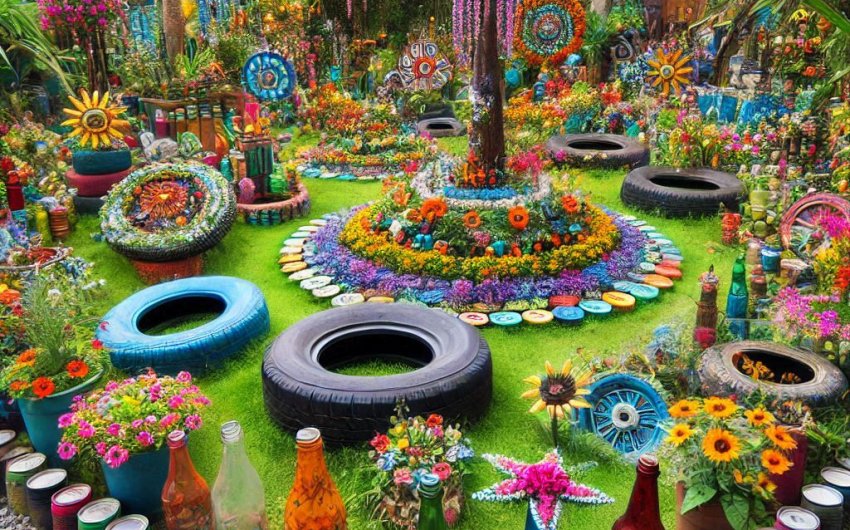
Every garden, no matter its size, tells a story. It reflects the gardener's personality, passions, and sometimes, their ingenuity. While store-bought decor can certainly add charm, there's something uniquely satisfying and deeply personal about crafting your own accents. This is where creative garden decor with recycled materials truly shines. It's an approach that not only adds character and whimsy to your outdoor space but also promotes sustainability and budget-friendly design.
Instead of discarding items that have seemingly reached the end of their useful life, you can transform them into charming planters, whimsical sculptures, practical bird feeders, or unique pathways. From old tires to forgotten kitchenware, the possibilities are limited only by your imagination. This guide will inspire you to see potential in the ordinary, turning everyday discards into extraordinary pieces of DIY garden art. Get ready to infuse your garden with charm, save money, and contribute to a greener planet, one repurposed treasure at a time.
Why Use Recycled Materials for Garden Decor?
Using recycled materials for garden decor is a brilliant approach that offers a multitude of benefits, making your outdoor space unique while being kind to your wallet and the planet. It's more than just a trend; it's a smart, sustainable way to enhance your garden's charm.
Firstly, it's incredibly cost-effective. You can often find materials for free or at very low cost from your own home, thrift stores, or even roadside discards. This allows you to create unique and personalized DIY garden art without breaking the bank, leaving more money for plants and other gardening essentials.
Secondly, it's a fantastic way to reduce waste and promote sustainability. Every item you repurpose for your garden is one less piece going to a landfill. This lessens your environmental footprint and contributes to a greener planet, aligning perfectly with eco-friendly gardening practices.
Finally, recycled materials add a distinctive character and charm that store-bought decor often lacks. Each repurposed item tells a story, lending a whimsical, rustic, or eclectic feel to your garden. It allows for endless creativity and ensures your garden decor is truly one-of-a-kind. It's a way to infuse your personality into your outdoor space, turning ordinary objects into extraordinary focal points.
Cost-Effectiveness: Budget-Friendly Garden Art
One of the most appealing aspects of creative garden decor with recycled materials is its incredible cost-effectiveness. This approach allows you to create stunning and unique DIY garden art without draining your wallet, making gardening more accessible and sustainable.
- Free or Low-Cost Materials: You can often find the main components for your projects for free. Think about:
- Household discards: Old tires, plastic bottles, tin cans, glass jars, broken pottery, worn-out shoes.
- Thrift store finds: Vintage teacups, watering cans, old tools, forgotten toys, mismatched dishes.
- Yard waste: Fallen branches, large stones, old fencing.
- Construction scraps: Leftover wood, bricks, concrete blocks.
- Reduced Spending on New Decor: Instead of buying expensive garden statues, planters, or ornaments from a store, you're transforming items you already have or can acquire for minimal cost. This frees up your budget for other gardening essentials like seeds, soil, or specific plants you've been dreaming of.
- Continuous Creativity: The low cost encourages experimentation. You can try out many different ideas without feeling wasteful if a project doesn't turn out exactly as planned, fostering ongoing creativity.
This budget-friendly approach empowers you to infuse your garden with charm and personality without significant financial outlay.
Reducing Waste and Promoting Sustainability
A powerful motivation for using recycled materials for garden decor is its significant contribution to reducing waste and promoting sustainability. Every repurposed item is diverted from a landfill, lessening your environmental impact and giving objects a new, beautiful life.
- Diverting Landfill Material: Globally, enormous amounts of waste are generated daily. By transforming items like old tires, plastic bottles, or broken ceramics into DIY garden art, you actively reduce the volume of material sent to landfills. This directly helps alleviate pressure on waste disposal systems.
- Conserving Resources: When you reuse materials, you reduce the demand for new products. This, in turn, lessens the need for raw material extraction (mining, logging), manufacturing processes (which consume energy and produce pollution), and transportation. It's a tangible way to conserve Earth's resources.
- Lower Carbon Footprint: Manufacturing new products has a carbon footprint. By choosing to reuse, you decrease the energy consumption and greenhouse gas emissions associated with creating new garden decor items.
- Inspiring Others: Your visible commitment to recycling and repurposing in your garden can inspire friends, family, and neighbors to adopt similar sustainable practices, creating a ripple effect in your community.
This approach transforms waste into beautiful assets, making your garden a testament to eco-conscious living and contributing to a healthier planet.
Adding Unique Character and Charm
Beyond its environmental and financial benefits, creative garden decor with recycled materials truly excels at adding unique character and charm to your outdoor space. These DIY garden art pieces infuse your garden with personality, history, and a touch of whimsy that mass-produced items simply can't replicate.
- Storytelling Elements: Each repurposed item has a past. An old watering can that now serves as a planter, or a vintage bicycle transformed into a garden sculpture, carries a sense of history and tells a unique story. This makes your garden feel more lived-in, layered, and personal.
- Whimsical and Eclectic Style: Using a mix of unexpected materials often leads to an eclectic, charming, and sometimes whimsical aesthetic. This can create delightful surprises around every corner, encouraging visitors to explore and discover.
- Reflects Your Personality: Your choice of materials and how you transform them directly reflects your creativity, interests, and unique style. This allows your garden to become a true extension of your personality, making it feel more authentic and special.
- One-of-a-Kind: Because you're working with unique, often imperfect, reclaimed items, no two pieces of recycled garden decor will ever be exactly alike. This ensures your garden stands out with truly one-of-a-kind accents that spark conversation and admiration.
Embracing recycled materials allows you to craft a garden that is not just beautiful, but also deeply personal and full of captivating charm.
What Are Common Materials for DIY Garden Decor?
When diving into creative garden decor with recycled materials, it's helpful to know what are common materials that are readily available and versatile for DIY garden art. These everyday discards can be transformed into a wide array of charming and practical accents for your outdoor space.
From sturdy items that can hold soil to colorful pieces that add visual flair, the possibilities are vast. Many of these materials are simple to work with, requiring basic tools and a bit of imagination. By recognizing the potential in these common items, you can begin to see your "trash" as a treasure trove of design opportunities. Get ready to turn mundane discards into delightful garden features, adding unique character without spending a fortune.
Plastic Bottles and Jugs: Planters and Vertical Gardens
Plastic bottles and jugs are incredibly versatile and abundant common materials for DIY garden decor, especially for creating planters and vertical gardens. Their light weight and watertight nature make them ideal for various projects.
- Individual Planters: Cut plastic soda bottles or milk jugs in half, drill drainage holes in the bottom, and use the base as a small planter for herbs, small flowers, or seedlings. You can paint them, wrap them in twine, or decorate them.
- Vertical Bottle Gardens: Mount rows of cut plastic bottles horizontally onto a fence or wall using strong screws or wires. Cut a rectangular opening in the top of each bottle, fill with soil, and plant. This is an excellent way to create a vertical herb garden or display colorful annuals in a small space.
- Self-Watering Planters: You can create simple self-watering systems by cutting a plastic bottle, inverting the top half (with the cap off or a wick inserted) into the bottom half, forming a reservoir.
- Drip Irrigation: Puncture small holes in the bottom of a large plastic jug and place it near a plant, filled with water, for a slow drip irrigation system.
Always clean bottles thoroughly before use. This readily available material offers endless possibilities for creative garden decor that is both functional and environmentally friendly.
Old Tires: Planters, Borders, and Sculptures
Old tires are surprisingly versatile and robust common materials for DIY garden decor, transforming from discarded waste into unique planters, borders, and sculptures. Their durability and stackable nature make them excellent for various DIY garden art projects.
- Tiered Planters: Stack tires of different sizes to create multi-level planters, perfect for cascading flowers or herbs. You can paint them vibrant colors to add a bold statement.
- Raised Garden Beds: Use single or multiple tires laid side-by-side to create individual or continuous raised garden beds. The black rubber absorbs heat, which can be beneficial for warming soil in cooler climates.
- Borders: Half-buried tires can create interesting, rustic borders for garden beds, pathways, or driveways.
- Sculptures: With a bit of cutting and painting, tires can be transformed into whimsical animal sculptures (like frogs or swans), providing a fun focal point.
- Vertical Planters: Cut tires in half and hang them on a fence or wall for unique vertical planters.
Important considerations: Ensure tires are thoroughly cleaned. While some concerns exist about leaching, most sources agree that planting flowers or ornamentals in tires is generally safe. For edible plants, ensure tires are older and weathered to minimize any potential leaching, or line them with heavy-duty plastic. Old tires offer a rugged, industrial aesthetic that can be surprisingly charming.
Glass Jars and Bottles: Vases, Lanterns, and Borders
Glass jars and bottles are abundant and beautiful common materials for DIY garden decor, perfect for creating elegant vases, lanterns, and borders. Their transparency and varied shapes make them incredibly versatile for creative garden decor.
- Vases: Mason jars, old jam jars, pickle jars, or even unique beverage bottles can be repurposed as charming vases for single blooms or small arrangements. Group different sizes and shapes for an eclectic display.
- Hanging Lanterns/Candle Holders: Clean glass jars can be decorated (painted, wrapped with twine, or fabric) and then hung with wire or rope handles to hold tea lights or small LED lights, creating a magical ambiance in the evening.
- Garden Borders: Bury empty glass bottles (neck down) along the edge of a garden bed to create a unique, shimmering border that catches the light.
- Bird Feeders/Waterers: With a bit of ingenuity and some wire, a bottle can be inverted to create a simple hummingbird feeder or a small bird waterer.
Glass is easy to clean and repurpose, offering a clean, sparkling aesthetic that complements any garden style.
Tin Cans: Planters, Wind Chimes, and Lanterns
Tin cans are an incredibly accessible and versatile common material for DIY garden decor, easily transformed into charming planters, wind chimes, and lanterns. Their malleability and readiness for painting make them ideal for creative garden decor projects.
- Planters: Clean empty food cans (coffee, soup, vegetable cans) make perfect small planters for herbs, succulents, or annual flowers. Remove labels, wash thoroughly, and drill drainage holes in the bottom. You can then paint them bright colors, cover them with fabric, or wrap them in jute twine for a rustic look. They can be placed on shelves or hung on a fence.
- Wind Chimes: Punch holes in the bottom and sides of various sized tin cans. Paint them, and then string beads, old keys, or smaller pieces of metal through the holes to create unique, melodic wind chimes.
- Lanterns: Carefully punch patterns of holes into tin cans (using a hammer and nail over a towel to protect your surface). Place a battery-operated tea light inside for a flickering effect, casting beautiful patterns of light.
- Garden Tool Caddies: Large coffee cans can be decorated and used to organize small hand tools in the shed or near your garden beds.
Always ensure edges are not sharp after cutting or opening. Tin cans offer a charming, rustic, or even whimsical feel, allowing for endless DIY garden art possibilities.
Broken Pottery and China: Mosaics and Planter Fillers
Broken pottery and china might seem like trash, but they are fantastic common materials for DIY garden decor, especially for crafting beautiful mosaics and unique planter fillers. These discarded pieces can add unexpected color, texture, and pattern to your DIY garden art.
- Mosaics: Chip larger pieces of broken plates, cups, or tiles into smaller, irregular fragments. Use these pieces to create stunning mosaic patterns on:
- Stepping Stones: Adhere fragments to concrete pavers using thin-set mortar.
- Tabletops: Resurface an old outdoor table.
- Planters: Decorate the outside of plain terracotta pots or plastic containers.
- Garden Paths: Embed mosaic fragments directly into pathways.
- Walls: Create a unique garden art mural on a small section of a wall.
- Use grout to fill the gaps between the pieces.
- Planter Fillers/Shards for Drainage: Place large, broken pieces of pottery over drainage holes in planters. This prevents soil from washing out while allowing water to escape.
- Pathways/Borders: Larger, flatter pieces can be used as unique stepping stones or as a decorative border for a garden bed.
- "Pot Shards" for Labeling: Write plant names on smaller, broken pottery pieces and stick them into the soil as charming, weather-resistant plant markers.
Always be careful of sharp edges when handling broken pottery. This material allows you to add intricate detail and vibrant color, turning forgotten fragments into stunning features in your garden.
What Are Simple DIY Garden Art Projects?
Now that you're familiar with the materials, let's explore some simple DIY garden art projects that you can tackle to infuse your outdoor space with creative garden decor with recycled materials. These projects are designed to be approachable for all skill levels, turning everyday discards into charming and unique garden features.
From whimsical planters to eye-catching sculptures and functional additions, these ideas demonstrate how a little imagination and effort can transform "trash" into treasure. You'll see how easy it is to add personal touches to your garden, making it a reflection of your unique style while being environmentally conscious. Get ready to roll up your sleeves and start creating some truly delightful DIY garden art.
Whimsical Boot Planters
Whimsical boot planters are a fun and easy DIY garden art project that utilizes recycled materials to add a quirky touch to your garden. Old rubber boots, especially colorful wellington boots, can be transformed into charming and unexpected homes for your favorite flowers or herbs.
- Materials: Old rubber boots (wellingtons work best), a drill, well-draining potting mix, and small flowering plants or herbs.
- Steps:
- Clean the Boots: Wash the boots thoroughly inside and out to remove any dirt or debris.
- Add Drainage: This is crucial! Using a drill, make several drainage holes in the sole of each boot. Without proper drainage, your plants will suffer from root rot.
- Fill with Potting Mix: Fill the boots with a good quality, well-draining potting mix.
- Plant: Carefully plant your chosen flowers or herbs into the boots. Consider colorful annuals like petunias, impatiens, or even small ferns that might spill over the edges. Herbs like thyme or oregano also work well.
- Placement: Place your boot planters on a porch step, nestled in a flower bed, or even hang them from a fence using sturdy hooks through holes drilled at the top.
These whimsical boot planters add a touch of personality and charm, making them a delightful and easy piece of creative garden decor.
CD/DVD Wind Chimes
For a shimmering and melodic touch, CD/DVD wind chimes are a surprisingly effective and very simple DIY garden art project using recycled materials. The reflective surface of old CDs and DVDs creates a beautiful, dazzling effect as they spin in the breeze.
- Materials: Old CDs or DVDs (as many as you like), strong fishing line or clear nylon thread, beads, bells, or small metal objects (optional), a drill with a small bit, and a sturdy stick or small metal ring for the top hanger.
- Steps:
- Clean CDs: Wipe down CDs/DVDs to remove any dust.
- Drill Holes: Carefully drill a small hole near the top edge of each CD/DVD. For a chime with multiple connections, you might drill holes in a few places around the edge.
- Prepare Hanger: Drill small holes into your stick or ring, or tie loops for hanging the CD strands.
- String Them Up: Cut lengths of fishing line. Thread beads or bells onto the line below the CD/DVD for extra sparkle and sound. Tie one end of the line to a CD/DVD and the other end to your hanger stick/ring, varying the lengths for visual interest and better chiming.
- Hang: Find a spot in your garden where the breeze can catch the chimes, like a tree branch, porch, or pergola.
These CD/DVD wind chimes turn discarded technology into a beautiful and melodious piece of creative garden decor, sparkling and dancing in the sun.
Repurposed Jar Lanterns
Repurposed jar lanterns are a charming and versatile simple DIY garden art project that utilizes recycled materials like glass jars to create a magical ambiance in your garden. They're perfect for illuminating pathways, adorning outdoor tables, or adding a warm glow to garden nooks.
- Materials: Clean glass jars (jam jars, pickle jars, mason jars), battery-operated LED tea lights (safer than real candles outdoors), wire or jute twine for handles, and optional decorations like paint, glitter, or fabric scraps.
- Steps:
- Clean Jars: Ensure jars are thoroughly clean and dry.
- Decorate (Optional): This is where you can get creative! You can paint the outside of the jars with glass paint, wrap them with twine or lace, glue on sea glass or beads, or even create a frosted effect with spray paint.
- Add Handle (for hanging): If you want to hang the lanterns, wrap sturdy wire around the neck of the jar just below the lip, twisting it tightly to secure. Create a loop with the wire for hanging. Alternatively, wrap jute twine securely around the neck for a more rustic look.
- Insert Light: Place a battery-operated LED tea light or string of small fairy lights inside the jar.
- Placement: Hang them from tree branches, shepherd's hooks, pergolas, or simply place them on outdoor tables, steps, or along pathways.
These repurposed jar lanterns create a soft, inviting glow, transforming your garden into an enchanting space after dusk, all with budget-friendly recycled materials.
Broken Plate Garden Mosaics
For a truly artistic and vibrant addition to your garden, broken plate garden mosaics are a fantastic DIY garden art project using recycled materials. Transforming shattered pottery into shimmering designs adds color, texture, and a unique, personal touch to your outdoor space.
- Materials: Broken ceramic plates, cups, or tiles (collect pieces or break them carefully with a hammer wrapped in a towel), safety glasses and gloves, thin-set mortar or outdoor tile adhesive, grout, a sponge, and a sturdy base object (e.g., concrete stepping stone, old birdbath base, plain terracotta pot).
- Steps:
- Break Pottery (Safely!): Place pottery inside a cloth bag or old towel and gently hit with a hammer to break into smaller, irregular pieces. Always wear safety glasses and gloves.
- Prepare Base: Clean your chosen base object.
- Adhere Pieces: Spread a thin layer of mortar or adhesive onto a small section of the base. Press mosaic pieces into the adhesive, leaving small, even gaps between them. Work in sections. Create a pattern or abstract design.
- Allow to Dry: Let the adhesive dry completely (as per product instructions).
- Grout: Mix grout according to package directions. Spread it over the mosaic, pressing it into the gaps. Wipe away excess grout from the surface of the pottery with a damp sponge.
- Cure: Allow the grout to cure fully before placing in the garden.
These broken plate garden mosaics create durable, weather-resistant, and stunning pieces of creative garden decor that literally gleam in the sun, turning imperfections into beauty.
What Are Practical Considerations for DIY Garden Decor?
Before you embark on your journey of creative garden decor with recycled materials, it's important to consider some practical considerations for DIY garden decor. While these projects are often fun and straightforward, a little foresight can prevent issues, ensure longevity, and keep your garden and plants safe.
From ensuring durability in outdoor elements to addressing potential safety concerns and thinking about long-term maintenance, these practical tips will help you create beautiful and functional DIY garden art that stands the test of time. It's about combining your artistic vision with common sense to produce charming and lasting additions to your outdoor space.
Weather Resistance and Durability
When crafting creative garden decor with recycled materials, weather resistance and durability are paramount practical considerations for DIY garden decor. Your creations will be exposed to sun, rain, wind, and temperature changes, so they need to be built to last.
- Choose Durable Materials: Opt for materials that inherently withstand the elements:
- Metals: Galvanized steel (e.g., old watering cans, tin cans), cast iron, brass. These can rust over time, which often adds to their charm, but choose thicker gauges for longevity.
- Hard Plastics: HDPE plastics (e.g., milk jugs, detergent bottles, tires) are generally UV-resistant and don't break down easily.
- Glass: Very weather resistant.
- Treated Wood/Naturally Rot-Resistant Wood: If using wood (e.g., pallets), ensure it's heat-treated (HT stamp) and consider sealing it with an outdoor sealant to prolong its life.
- Ceramics/Pottery: Unglazed pottery can absorb water and crack in freezing temperatures. Ensure glazed pieces are rated for outdoor use or protect them in winter.
- Secure Assembly: Use exterior-grade screws, strong waterproof adhesive, or sturdy wire to ensure all components are firmly attached and won't fall apart in wind or rain.
- Protection:
- Paint: Use outdoor, weather-resistant paints or spray paints specifically designed for the material you're using. Apply a protective sealant or clear coat for added longevity.
- Drainage: Ensure all planters have adequate drainage to prevent waterlogging and root rot.
By prioritizing weather resistance, your DIY garden art will remain beautiful and functional for many seasons to come.
Safety Concerns (Sharp Edges, Leaching)
When embarking on creative garden decor with recycled materials, safety concerns must always be a top practical consideration for DIY garden decor, particularly regarding sharp edges and potential leaching. Your garden should be a safe space for everyone, including pets and children.
Sharp Edges:
- Glass and Pottery: When breaking or cutting glass jars, bottles, or pottery, fragments will have very sharp edges. Always wear thick gloves and safety glasses. File or sand down any sharp edges on your finished pieces, especially if they are at ground level or accessible to curious hands or paws.
- Tin Cans: The rims of opened tin cans can be razor-sharp. Use a smooth-edge can opener or carefully file/sand the edges down.
- Cut Metal: Be mindful when cutting any metal. Wear protective gear.
Leaching (for planters):
- Plastics: While most food-grade plastics are generally considered safe, some plastics can potentially leach chemicals, especially when exposed to sun and heat. For edible plants, it's best to use food-grade plastics (like HDPE, marked with #2) or use older, weathered plastics.
- Tires: There are ongoing debates about whether chemicals from tires can leach into the soil. For edible plants, it's safer to use very old, weathered tires, or line them with heavy-duty plastic sheeting before adding soil. For ornamental plants, the risk is generally considered very low.
- Treated Wood: Avoid using pressure-treated wood (often green or brownish) for planters, especially for edibles, as it contains chemicals to prevent rot that can leach into the soil. Opt for untreated wood (like cedar or redwood) or use a plastic liner.
By addressing these safety concerns, you can create beautiful and worry-free DIY garden art that enhances your space without posing risks.
Long-Term Maintenance and Cleaning
Just like any other part of your garden, creative garden decor with recycled materials will require some long-term maintenance and cleaning to stay looking its best. This is an important practical consideration for DIY garden decor that ensures your DIY garden art remains charming and durable over time.
- Regular Cleaning:
- Dust and Dirt: Outdoor decor can accumulate dust, dirt, and pollen. Periodically wipe down or rinse off your pieces with a hose to keep them looking fresh and vibrant.
- Algae and Moss: In damp, shady areas, algae or moss might grow on certain materials. A scrub brush and a solution of water with a little mild soap or white vinegar can usually clean this away. Rinse thoroughly.
- Protection from Elements:
- Winter Storage: For items that are not fully weather-resistant (e.g., unglazed pottery in freezing climates, delicate painted items), consider bringing them indoors or into a shed during harsh winter months.
- Re-sealing/Re-painting: If you've painted or sealed wooden or metal items, you may need to reapply a fresh coat every few years to maintain their protection against the elements and keep them looking vibrant.
- Drainage Check (for planters): Periodically check that drainage holes in your repurposed planters aren't clogged with soil or roots. Clear them if necessary to prevent waterlogging.
- Structural Integrity: For larger, assembled pieces (like pallet bins or sculptures), periodically check that screws, ties, or adhesives are still secure and that the structure remains stable.
By performing these simple maintenance tasks, you can ensure your beautiful recycled garden decor continues to enhance your outdoor space for many seasons to come.