
What Garden Furniture Is Designed for Outdoor Yoga and Meditation Spaces?
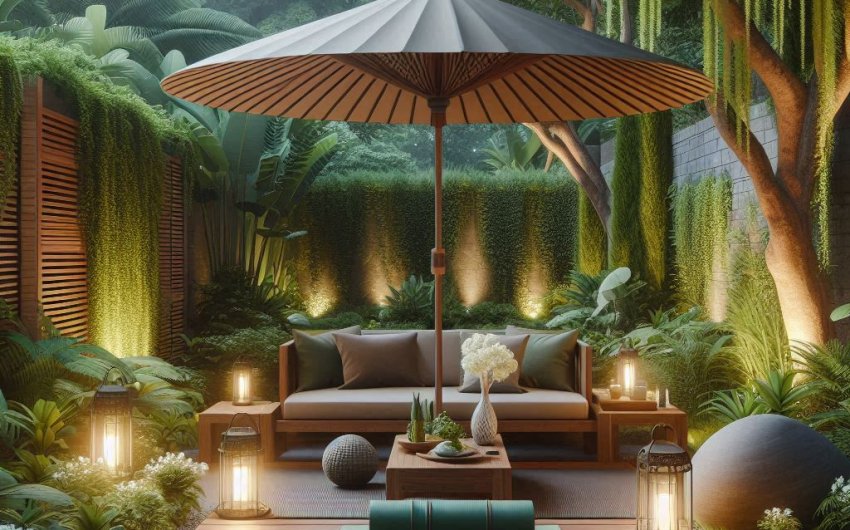
Creating an outdoor sanctuary for mindfulness, movement, and quiet reflection is a growing desire for many. Imagine starting your day with sun salutations amidst blooming flowers, or finding inner peace through meditation serenaded by the gentle rustle of leaves. While a designated yoga studio or meditation room indoors offers comfort, the unique benefits of fresh air, natural sounds, and direct connection to nature found in an outdoor space are unparalleled for enhancing these practices.
Designing an outdoor yoga and meditation space requires thoughtful consideration of the elements, ensuring comfort, tranquility, and durability. The garden furniture chosen for such a space plays a crucial role, going beyond mere aesthetics to support your practice and withstand the outdoor environment. This guide will explore specific types of furniture and design elements that are perfect for cultivating a serene and functional outdoor sanctuary for yoga, meditation, and mindful living.
Why Create an Outdoor Yoga and Meditation Space?
Bringing your yoga and meditation practice outdoors offers a unique synergy of natural elements and mindful activity that can deepen your experience and enhance overall well-being. It's more than just a change of scenery; it's an opportunity to connect with nature on a profound level.
1. Deeper Connection with Nature
- Sensory Immersion: Practicing outdoors engages all your senses. You feel the gentle breeze on your skin, hear the rustle of leaves and birdsong, smell the earthy scent of plants, and see the changing light of the sky. This rich sensory input helps ground you in the present moment.
- Natural Rhythms: Aligning your practice with natural rhythms – the rising sun, the shifting clouds, the flow of the wind – can foster a greater sense of harmony and peace.
- Grounding: Feeling the earth beneath you (even through a mat or cushion) can be deeply grounding, enhancing the meditative aspect of your practice.
2. Enhanced Mindfulness and Focus
- Fewer Distractions (of a different kind): While outdoor sounds exist, they are often less jarring and more natural than indoor noises. The vastness of the sky or the intricate details of a plant can draw you into a deeper state of focus.
- Fresh Air and Oxygen: Breathing fresh, unconfined air, particularly amidst plants that release oxygen, can feel invigorating and aid in deeper breathing exercises (pranayama).
3. Stress Reduction and Well-being
- Biophilia Effect: Studies show that spending time in nature reduces stress hormones, lowers blood pressure, and improves mood. Integrating yoga and meditation into a natural setting amplifies these benefits.
- Vitamin D: Practicing outdoors provides natural exposure to sunlight, promoting Vitamin D synthesis, which is crucial for bone health and mood regulation.
- Natural Energy Boost: The vibrancy of an outdoor setting can be incredibly energizing, awakening your senses and promoting a feeling of vitality.
4. Space and Freedom of Movement
- Unconfined Space: Outdoors, you often have more literal and figurative space. This can make large yoga poses feel more expansive and unconstrained.
- Freedom from Walls: The open sky overhead and natural boundaries can create a sense of freedom and openness that is hard to replicate indoors.
5. Aesthetic and Therapeutic Value
- Beautiful Environment: A well-designed outdoor meditation garden or yoga patio is inherently beautiful, acting as a serene backdrop for your practice and a peaceful haven even when not actively using it.
- Personal Sanctuary: It provides a dedicated, accessible space where you can consistently retreat for self-care, fostering a healthy habit.
- Healing Qualities of Plants: Surrounding yourself with plants can have therapeutic effects, contributing to a sense of calm and healing.
Creating an outdoor yoga and meditation space is an investment in your physical, mental, and spiritual well-being. It provides a dedicated, beautiful, and naturally enhancing environment for deepening your mindful practices.
What Factors Make Furniture Ideal for Outdoor Yoga & Meditation Spaces?
Choosing garden furniture for an outdoor yoga and meditation space goes beyond mere aesthetics. It requires considering specific qualities that enhance comfort, tranquility, and durability in a natural setting.
1. Comfort and Support
This is paramount for any meditative or contemplative practice.
- Ergonomics: Furniture should support the body comfortably, whether sitting, reclining, or even just resting during a break from yoga. Look for ergonomic designs.
- Softness/Cushioning: While a yoga mat is for active practice, seating furniture should be designed for relaxation. Plush, yet firm, outdoor cushions are essential for prolonged sitting or lounging.
- Low Profile: Many meditative postures are close to the ground. Furniture that allows you to sit closer to the earth can feel more grounding and integrated with the natural surroundings.
2. Durability and Weather Resistance
The furniture will be exposed to the elements, so longevity is key.
- All-Weather Materials: Choose materials that can withstand sun, rain, humidity, temperature fluctuations, and potentially snow. This includes:
- Powder-Coated Aluminum: Rust-proof, lightweight, durable finish.
- High-Quality Synthetic Wicker (HDPE Resin): UV-resistant, mold/mildew resistant, flexible in cold.
- Teak Wood: Naturally resistant to rot and pests due to its oils.
- Marine-Grade Stainless Steel: Highly corrosion-resistant.
- Fade-Resistant Fabrics: Cushions and textiles must be made from high-performance, solution-dyed acrylics (like Sunbrella, Olefin) that resist fading, mold, and mildew.
- Quick-Drying: Materials that dry quickly after rain are ideal for consistent use.
- Stability: Furniture should be sturdy and not easily tipped by wind or movement.
3. Aesthetics and Harmony with Nature
The visual appeal should contribute to a sense of peace, not detract from it.
- Natural Materials/Tones: Materials like wood (teak), natural-looking synthetic wicker, stone, or muted metallic finishes blend beautifully with a garden setting.
- Earthy Color Palette: Opt for neutral, calming colors (grays, browns, greens, whites, muted blues) for furniture frames and cushions. These colors won't distract and allow the natural greens of the garden to stand out.
- Simple, Uncluttered Design: Avoid overly ornate or busy designs. Clean lines, organic shapes, and minimalist forms promote a sense of calm and spaciousness.
- Integrated Design: Furniture that can integrate with planting (e.g., benches with built-in planters) or has an organic, flowing form can enhance the natural feel.
4. Portability and Versatility
- Movable Pieces: While some fixed elements are fine, movable furniture allows you to adjust your setup based on sunlight, shade, or different activities.
- Multi-Functional: Pieces that can serve multiple purposes (e.g., an ottoman that doubles as extra seating or a small table) maximize utility in a focused space.
- Foldable/Stackable (for yoga mats/props): While not for the main furniture, having storage for yoga mats, blankets, or props that is either built-in or can be easily moved/folded is beneficial.
5. Low Maintenance
- Easy to Clean: Furniture that can be easily wiped down or hosed off is a plus, reducing upkeep time and allowing more time for practice.
- Resistant to Mold/Mildew: Crucial in outdoor settings where dampness can be an issue.
By prioritizing comfort, durability, natural aesthetics, and practical versatility, you can select garden furniture that truly elevates your outdoor yoga and meditation space into a serene and functional sanctuary.
What Garden Furniture Is Designed for Outdoor Yoga and Meditation Spaces?
Designing an outdoor yoga and meditation space goes beyond just placing a mat on the ground. The right garden furniture can define the area, provide comfortable seating for contemplation, offer practical storage, and enhance the overall sense of tranquility. Here are some ideal furniture options:
1. Low-Profile Lounge Seating
The goal here is comfort and a grounded feel, conducive to relaxation and contemplation.
- Outdoor Daybeds/Chaises:
- Description: These are essentially outdoor beds or oversized lounge chairs, often with deep cushions. Some come with adjustable backrests or even integrated canopies for shade.
- Why it's Good: Offers supreme comfort for post-yoga relaxation, reading, or extended meditation sessions. The low profile keeps you close to the ground.
- Material Suggestions: Look for weatherproof outdoor daybeds with aluminum frames and high-quality synthetic wicker or teak slats. Ensure thick, fade-resistant cushions.
- Modular Outdoor Sectionals:
- Description: Composed of individual pieces (corner chairs, armless chairs, ottomans) that can be arranged into various configurations.
- Why it's Good: Highly versatile. You can create a small intimate corner or a larger area for group meditation. The low height and deep cushions are ideal for a relaxed setting.
- Material Suggestions: All-weather modular outdoor sectionals made from powder-coated aluminum or premium synthetic wicker with plush outdoor cushions.
2. Meditation Benches or Floor Seating
For a more traditional or minimalist approach to seated meditation.
- Outdoor Meditation Benches:
- Description: Small, often simple benches without backrests, designed for kneeling or cross-legged sitting during meditation. Some are specifically angled to support the spine.
- Why it's Good: Provides stable support for upright meditation postures, keeping you slightly off the ground.
- Material Suggestions: Weather-resistant wood (cedar, teak) or treated bamboo. Some simple outdoor meditation benches are foldable.
- Outdoor Floor Cushions/Poufs:
- Description: Large, durable cushions or poufs designed for outdoor use, allowing you to sit directly on the ground.
- Why it's Good: Very casual, flexible seating that promotes a grounded feel. Easy to move or store.
- Material Suggestions: Look for cushions made with water-resistant fabric (e.g., Sunbrella) and outdoor-grade fill. A waterproof outdoor floor pouf can add comfort and style.
3. Small Tables (for Props and Tea)
Functional surfaces are important for holding your essentials.
- Low-Profile Coffee Tables or Side Tables:
- Description: Small, sturdy tables that are relatively low to the ground, matching the height of lounge seating.
- Why it's Good: Perfect for placing a cup of herbal tea, a book, essential oils, or a small Buddha statue during meditation. Keeps items off the ground.
- Material Suggestions: Modern outdoor low coffee table in aluminum, teak, concrete, or a combination of materials.
4. Storage Solutions (for Yoga Mats & Props)
Keeping the space tidy and ready for use.
- Outdoor Storage Benches/Chests:
- Description: Benches or chests with integrated waterproof storage compartments.
- Why it's Good: A convenient and discreet place to store yoga mats, blocks, blankets, and small meditation props, keeping them dry and protected from the elements. Can also double as extra seating.
- Material Suggestions: Weatherproof outdoor storage bench made from durable resin or composite wood.
5. Architectural and Shade Elements
These structures aren't "furniture" in the traditional sense but are crucial for a functional and comfortable space.
- Pergola or Gazebo:
- Description: Open-sided structures that provide partial shade and a sense of enclosure.
- Why it's Good: Defines the space, offers partial sun protection (important during certain yoga times), and can be used to hang sheer curtains or climbing plants for added privacy and aesthetic.
- Material Suggestions: Cedar, pressure-treated wood, or powder-coated aluminum. A modern outdoor pergola kit can create an excellent framework.
- Large Cantilever Umbrella:
- Description: An umbrella with a side pole, allowing it to provide wide, unobstructed shade over a seating or practice area.
- Why it's Good: Flexible shade solution, can be adjusted throughout the day.
- Material Suggestions: A large outdoor cantilever umbrella with heavy base for stability.
By thoughtfully selecting these types of garden furniture and structural elements, you can design an outdoor yoga and meditation space that is both beautiful and deeply supportive of your mindfulness practice.
How Do I Accessorize and Enhance an Outdoor Meditation Space?
Once the core garden furniture is in place, adding the right accessories and enhancements transforms your outdoor yoga and meditation space into a truly serene sanctuary. These elements appeal to the senses and deepen the meditative atmosphere.
1. Soothing Sounds
- Water Feature: A small, gentle outdoor water fountain (small tabletop outdoor fountain or a standing modern outdoor fountain) provides the calming sound of trickling water, masking other ambient noises and promoting relaxation.
- Wind Chimes: Choose high-quality wind chimes with deep, resonant tones (tuned wind chimes outdoor) that produce a gentle, melodic sound in the breeze, rather than clanging.
2. Calming Aromas (Scent)
- Fragrant Plants: Integrate plants with calming or uplifting scents near your seating or practice area. Consider:
- Lavender: Known for its relaxing aroma.
- Jasmine: Sweet, intoxicating fragrance, especially in the evening.
- Herbs: Rosemary, mint, lemon balm (lemon balm seeds are easy to start) for a refreshing and invigorating scent.
- Gardenias/Honeysuckle: For stronger, sweet perfumes.
- Outdoor Candles/Diffusers: Use citronella candles (for mosquito deterrence with a pleasant scent) or essential oil diffusers designed for outdoor use.
3. Gentle Lighting
Lighting for a meditation space should be soft, subtle, and non-distracting.
- Solar-Powered Lights: Install solar-powered path lights along pathways or around plants for gentle illumination at dusk.
- Fairy Lights/String Lights: Drape warm white outdoor string lights subtly around a pergola, railing, or in surrounding plants for a magical, ambient glow.
- Flameless Candles: Safer than open flames, outdoor flameless LED candles can provide a soft flicker in lanterns or on tables.
- Low-Voltage Spotlights: Use small, discreet spotlights to highlight specific plants or a decorative feature.
4. Visual Tranquility (Sight)
- Privacy Screens: If your space is overlooked, consider natural or artificial screens like bamboo fencing, slatted wood panels, or dense climbing plants on a trellis to create a sense of enclosure and privacy.
- Zen Garden Elements: Introduce elements found in Zen gardens:
- Smooth Stones/Pebbles: Create patterns or use as decorative accents.
- Sand: A small raked sand garden (if practical for your climate).
- Sculptural Plants: Consider a single, artfully pruned bonsai or a unique succulent.
- Statuary/Decor: A small Buddha statue, a serene Ganesh, or a smooth river stone collection can act as a visual anchor for contemplation. Keep it uncluttered and intentional.
- Mirrors: An outdoor mirror in a weatherproof frame can reflect light and greenery, making a small space feel larger and brighter.
5. Comfort and Practicality
- Outdoor Rug: A durable, weatherproof outdoor rug can define the yoga practice area, provide a softer surface for feet, and add a pop of color or texture.
- Yoga Mat Storage: A designated spot for your yoga mat and props, such as an outdoor storage box or a simple yoga mat holder for wall if the wall is protected.
- Drink Holders: Keep a small outdoor side table or even a built-in cup holder within reach of your seating.
- Insect Repellents: Consider natural mosquito deterrents like citronella plants, lavender, or outdoor fans if insects are a concern.
By carefully integrating these sensory and practical elements, your outdoor yoga and meditation space will transcend mere functionality, becoming a truly captivating and restorative sanctuary that nurtures both body and mind.