
How Do I Incorporate Driftwood Furniture into a Coastal Garden Theme?
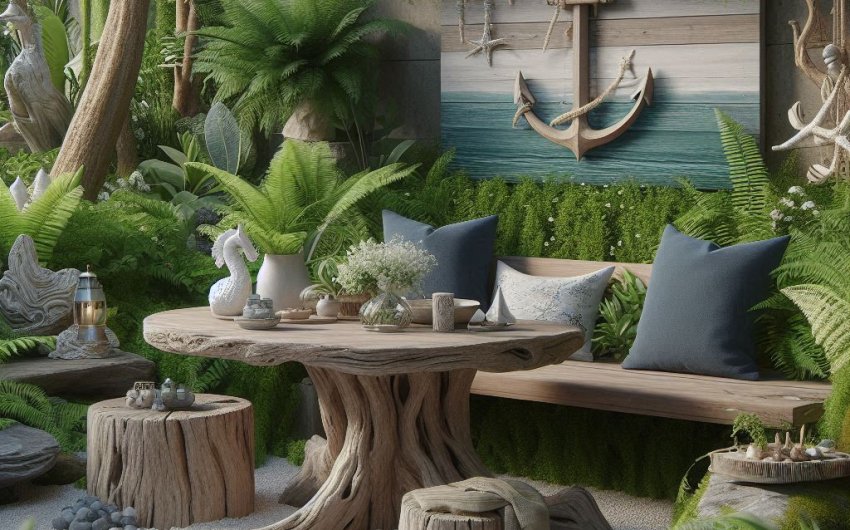
Crafting an outdoor sanctuary that evokes the serene beauty of the seaside can transform your garden into a tranquil escape. One of the most authentic and naturally appealing elements to introduce is driftwood furniture. Incorporating these unique pieces into a coastal garden theme allows you to harness the raw, weathered charm of the ocean, bringing a touch of nature's artistry directly into your landscape design.
Why Choose Driftwood Furniture for a Coastal Garden?
The allure of a coastal garden lies in its ability to transport you to a breezy, oceanside retreat, regardless of your actual location. Driftwood furniture is an unparalleled choice for achieving this aesthetic, offering a blend of natural beauty, durability, and a story that other materials simply cannot replicate.
What is the Aesthetic Appeal of Driftwood?
The aesthetic charm of driftwood is deeply rooted in its unique journey. Each piece tells a silent story of sun, salt, and water, shaping it into an organic sculpture. This natural weathering process is precisely what gives driftwood furniture its distinct and sought-after appeal, making it a perfect fit for a coastal garden theme.
- Natural Textures and Forms: Driftwood boasts incredible organic textures, from smooth, polished surfaces to rough, gnarled segments. Its shapes are never uniform, having been sculpted by currents and tides, which results in unique, flowing forms. This irregularity brings a powerful sense of natural artistry and softness to a garden, contrasting beautifully with geometric hardscaping.
- Weathered, Muted Colors: The predominant colors of driftwood are muted grays, weathered whites, soft browns, and pale beiges. These natural, earthy tones evoke the sand, bleached shells, and mist of the seashore. They create a calming and harmonious backdrop that allows the vibrant blues, greens, and whites of coastal plants to truly pop without clashing.
- A Sense of History and Authenticity: Each piece of driftwood carries a sense of history, a journey from forest to river to ocean to shore. This inherent narrative adds depth and character to your garden, making it feel more authentic and lived-in, as if it has always been a part of the natural landscape. It's an immediate conversation starter.
- Organic Contrast: Driftwood's raw, organic nature provides a wonderful contrast to manufactured garden elements like paved patios or structured garden beds. This interplay of natural and man-made creates visual interest and dynamism in your coastal garden.
- Rustic Elegance: Despite its raw origins, driftwood can exude an understated elegance. Its unpretentious beauty lends itself to both casual, bohemian garden styles and more refined, minimalist designs, adding a touch of rustic sophistication.
- Unique and One-of-a-Kind: No two pieces of driftwood are exactly alike. This means that any driftwood furniture you incorporate will be truly unique, giving your garden a distinct personality that can't be replicated.
How Does Driftwood Withstand Outdoor Elements?
One of the practical advantages of driftwood is its inherent resilience, forged by its journey through nature. Properly prepared and maintained, driftwood furniture is surprisingly robust and durable against various outdoor elements, making it an excellent choice for a coastal garden exposed to the whims of weather.
- Water Resistance: By its very nature, driftwood has been submerged in water for extended periods, and in many cases, sea water. This process removes much of the sap and softer wood, leaving behind denser, more resilient material. While it won't be entirely impervious to rot in constant wet conditions, its natural exposure to water gives it a much higher tolerance than untreated, non-drifted wood. Sealing can enhance this further.
- Pest Resistance: The journey through water often removes sugars and starches that attract wood-boring insects. The saltwater exposure for ocean driftwood also makes it less appealing to many common garden pests that typically infest untreated wood. This means less worry about termites or other wood-destroying organisms.
- Weathered Appearance is Desirable: Unlike manufactured furniture that might show wear and tear, the beauty of driftwood is in its weathered look. Fading, cracking, and a silvery-gray patina are natural outcomes of sun and rain, which actually enhance its aesthetic appeal for a coastal theme, rather than detracting from it. It gracefully ages, becoming more beautiful over time.
- Natural Durability of Hardwoods: Much of the driftwood that survives long journeys in water is derived from hardwoods, which are naturally more dense and decay-resistant than softwoods. This inherent quality contributes to the longevity of driftwood furniture.
- Minimal Maintenance: Compared to painted or stained outdoor furniture that requires regular reapplication, driftwood furniture typically requires minimal maintenance to preserve its characteristic look. A simple cleaning and occasional sealing are often sufficient.
- Weight and Stability: Larger pieces of driftwood can be surprisingly heavy and stable, making them less prone to being blown around by strong winds, a common concern in exposed garden settings.
What is the Environmental Benefit?
Choosing driftwood furniture is not only an aesthetic and practical decision but also an environmentally conscious one. By incorporating driftwood into your coastal garden, you're participating in a cycle of repurposing and appreciation for natural resources.
- Repurposing and Upcycling: Driftwood is essentially wood that has completed its natural life cycle and found its way to a new purpose. Using it for furniture means you're repurposing a natural material that would otherwise simply decompose or be left as debris. This reduces demand for newly harvested timber, thereby conserving forests.
- Reduced Carbon Footprint: Manufacturing new furniture, even from sustainably harvested wood, involves energy consumption for logging, milling, processing, and transportation. Driftwood often requires minimal processing beyond cleaning and stabilizing, leading to a much lower carbon footprint.
- Natural and Non-Toxic: Unlike some manufactured furniture that may involve glues, chemical treatments, or synthetic materials, driftwood is entirely natural. It doesn't off-gas harmful chemicals into your garden or home environment, contributing to healthier outdoor air quality.
- No Habitat Destruction: Sourcing driftwood responsibly (e.g., collecting from beaches where it's abundant, ensuring it's legal, or purchasing from reputable suppliers who gather it sustainably) means you're not contributing to habitat destruction or deforestation.
- Embracing Imperfection: The acceptance of driftwood's natural imperfections, cracks, and weathered surfaces aligns with a more sustainable mindset, valuing natural beauty over pristine, manufactured uniformity. This ethos encourages a greater appreciation for natural cycles.
How Do You Select and Prepare Driftwood Furniture?
The journey to incorporating driftwood furniture into your coastal garden begins with careful selection and thorough preparation. Not all driftwood is created equal, and proper handling ensures both the longevity of the piece and the safety of your garden environment.
Where Can You Source Quality Driftwood Pieces?
Finding the right driftwood requires a discerning eye and knowledge of ethical sourcing practices.
- Beachcombing (Local Regulations): The most romantic way to acquire driftwood is by finding it yourself on beaches. However, it's crucial to check local regulations regarding the collection of natural materials. Many public beaches or protected areas prohibit or restrict removing driftwood. Always respect environmental laws and private property. Focus on pieces small enough to be easily carried and that are clearly loose, not part of a living ecosystem.
- Specialty Wood/Home Decor Stores: For larger, pre-selected, and often pre-treated pieces, specialty wood suppliers or home decor stores are an excellent option. They typically offer a range of sizes and shapes, often specifically chosen for furniture or decorative use. An online search for driftwood furniture can reveal many options.
- Online Marketplaces: Websites specializing in unique artisan goods or even general marketplaces like Amazon, Etsy, or eBay can offer a wide selection of driftwood pieces, often from individuals who responsibly collect and prepare them. Look for sellers with good reviews and clear descriptions of their sourcing.
- Flea Markets and Salvage Yards: Sometimes, hidden gems can be found in unexpected places. Keep an eye out at flea markets, antique shops, or architectural salvage yards. You might find reclaimed wood that has a similar weathered aesthetic to driftwood.
- Riverbanks and Lakeshores: Depending on your location, riverbanks and lakeshores can also yield driftwood, though its characteristics might differ from ocean-borne pieces (less salt, possibly more freshwater insects). Again, always check local regulations.
How to Clean and Prepare Driftwood for Outdoor Use?
Once you've acquired your driftwood, proper cleaning and preparation are vital to ensure it's free of pests, pathogens, and ready to withstand the elements as furniture.
- Initial Cleaning:
- Brush off Loose Debris: Use a stiff wire brush to remove any loose dirt, sand, salt, or embedded pebbles.
- Pressure Washing (Carefully): For larger pieces, a pressure washer on a low setting can effectively remove grime and loose fibers. Be cautious not to damage softer wood.
- Soap and Water Scrub: Scrub the driftwood with a mild soap (like dish soap) and water using a stiff brush. Rinse thoroughly.
- Disinfection (Crucial for Wild-Collected Wood):
- Bleach Solution: For driftwood collected from nature, especially if you suspect pests or pathogens, soak it in a solution of 1 part bleach to 9 parts water for at least 24 hours. For very large pieces, repeatedly douse it thoroughly.
- Thorough Rinsing: After soaking, rinse the driftwood extremely thoroughly with fresh water for several hours or even days (changing the water frequently) to remove all traces of bleach. Residual bleach can harm plants and animals in your garden.
- Baking/Boiling (for smaller pieces): For smaller pieces destined for indoor or sensitive garden use, baking in an oven (200-250°F / 93-121°C for several hours) or boiling can kill pests and dry out the wood.
- Drying: Allow the driftwood to dry completely and slowly. This can take weeks or even months for larger pieces. Drying too quickly can cause cracking. Store it in a well-ventilated, shady area. Ensure it's fully dry before sealing.
- Sanding (Optional): If the driftwood will be used as seating or a tabletop, lightly sand any rough edges or splinters with medium-grit sandpaper to make it smooth and safe to touch. Maintain the natural contours.
- Sealing (Recommended for Furniture): To protect the driftwood and extend its life as furniture, apply an outdoor-grade, clear, matte or satin wood sealer or spar urethane. This protects against moisture, UV damage, and splintering, while preserving its natural look. Reapply every 1-2 years as needed.
What Structural Considerations for Stability and Safety?
When transforming driftwood into furniture, safety and stability are paramount. Its irregular shapes require careful planning and often additional support to ensure it's functional and secure.
- Weight Distribution: Consider how the weight of the piece will be distributed and how people will interact with it. A bench needs a stable base; a table needs a level surface.
- Leveling: Driftwood is rarely perfectly flat. Use shims (small wedges) made of wood or composite material under legs or bases to ensure the furniture is level and doesn't wobble.
- Joining Pieces: If your driftwood furniture requires multiple pieces to be joined (e.g., a tabletop resting on a driftwood base), use strong, weather-resistant hardware.
- Stainless Steel Screws/Bolts: Resistant to rust, essential for outdoor use.
- Hidden Fasteners: Wherever possible, use fasteners that are hidden or countersunk to maintain the natural aesthetic.
- Mortise and Tenon Joints (for skilled builders): For complex pieces, traditional woodworking joints can offer superior strength and beauty.
- Bracing and Support: For larger tables or benches, you might need to add hidden metal or treated wood bracing to ensure the piece can support the intended weight safely. For example, a heavy driftwood tabletop might need a strong, hidden metal frame for support.
- Anchoring (for very large or unstable pieces): In windy areas or for very tall, sculptural pieces, consider anchoring the driftwood furniture to the ground or a concrete base to prevent it from toppling over.
- Smooth Surfaces for Contact: Ensure any surface that will be sat on or used as a tabletop is sanded smooth and sealed to prevent splinters or snags on clothing.
- Regular Inspection: Periodically inspect your driftwood furniture for any signs of loosening joints, cracks, or rot. Address issues promptly to prevent accidents and extend the life of the piece.
How to Integrate Driftwood Furniture into Your Design?
Integrating driftwood furniture is about creating a cohesive look that blends the raw beauty of the wood with the other elements of your coastal garden theme. It's about placement, pairing, and balance.
Where to Place Driftwood Furniture for Impact?
The strategic placement of driftwood furniture can create focal points, define zones, and enhance the overall flow and feel of your coastal garden.
- Focal Point: Position a striking piece of driftwood furniture, such as a driftwood coffee table or a unique driftwood bench, in a prominent area where it can capture attention. This could be in the center of a patio, at the end of a winding path, or against a contrasting wall.
- Outdoor Living Zones: Use driftwood furniture to define outdoor "rooms." A driftwood dining set can designate an eating area, while a grouping of driftwood chairs and a coffee table can create a cozy lounge space.
- Transition Areas: Place smaller driftwood accents or seating pieces along pathways or at the entrance to different garden sections to create visual transitions and moments of interest.
- Against a Backdrop: The natural textures and colors of driftwood are beautifully highlighted against a simple, contrasting backdrop, such as a plain white wall, a dark fence, or a lush green hedge.
- Viewpoints: Position seating to take advantage of attractive views within your garden or beyond. A driftwood bench overlooking a small water feature or a particularly beautiful planting bed.
- Shade and Shelter: Consider placing driftwood furniture under a pergola or large umbrella for shade and protection from the elements, extending its usability and lifespan.
What are Complementary Plantings for a Coastal Theme?
The plants you choose will dramatically enhance the coastal garden theme and create a natural setting for your driftwood furniture. Focus on plants that evoke seaside environments and tolerate similar conditions.
- Grasses and Dunescape Plants: Tall, swaying ornamental grasses like Pink Muhly Grass, Blue Fescue, or even native dune grasses (if suitable for your climate and legally sourced) create the feeling of windswept beaches.
- Succulents and Drought-Tolerant Plants: Many succulents (e.g., Sedum, Agave) and other drought-tolerant plants thrive in conditions reminiscent of sandy, well-drained coastal soils and require minimal watering.
- Flowering Plants in Coastal Colors: Incorporate flowers in shades of blues (e.g., hydrangeas, lavender), whites (e.g., white petunias, white alyssum), and silvers (e.g., Dusty Miller, Lamb's Ear). These colors evoke sky, sea foam, and bleached sand.
- Wind-Tolerant Species: Choose plants that can withstand breezy conditions, often characterized by strong stems and narrow or waxy leaves.
- Coastal Shrubs and Trees (Climate Permitting): If your climate allows, consider planting coastal-adapted shrubs or small trees that can provide structure and shade, such as certain varieties of junipers, hollies, or sea grapes.
- Container Plantings: Use terracotta pots or weathered stone containers with succulents, trailing plants, or small flowering annuals to complement the driftwood furniture.
What Other Coastal Decor Elements Enhance the Theme?
To truly complete your coastal garden theme, incorporate other decorative elements that reinforce the seaside aesthetic and tie everything together with your driftwood furniture.
- Natural Materials: Continue the use of natural materials throughout the garden.
- Pebbles and Gravel: Use smooth river pebbles or light-colored gravel for pathways or as mulch in planting beds.
- Sand: A small area with clean sand can mimic a beach, but consider its practicalities (tracking indoors).
- Shells and Coral: Scatter large shells, conch shells, or faux coral pieces among planting beds or as tabletop accents. A collection of decorative shells can be displayed in a driftwood bowl.
- Coastal-Inspired Accents:
- Nautical Ropes: Incorporate thick, weathered nautical ropes as decorative borders, tied around planters, or as part of a railing.
- Fishing Floats/Nets: Hang decorative glass fishing floats or drape an old fishing net as a wall accent.
- Lighthouse or Buoy Replicas: A small decorative lighthouse statue or a weathered buoy can add a whimsical touch.
- Color Palette: Stick to a soothing color palette of blues, greens, whites, grays, and sandy neutrals. Use these colors for outdoor cushions, throw blankets, or painted accents.
- Lighting: Use lanterns (solar or battery-operated), rope lights, or string lights to create a soft, inviting glow in the evening, reminiscent of a seaside twilight.
- Weathered Metals: Incorporate elements of weathered metal, such as aged copper or rusted iron garden art, which complements the look of driftwood.
How Do You Maintain and Preserve Driftwood Furniture?
Once your beautiful driftwood furniture is integrated into your coastal garden, proper maintenance is key to preserving its unique character and extending its lifespan, ensuring it remains a cherished element for years to come.
How to Clean Driftwood Regularly?
Regular cleaning will keep your driftwood furniture looking its best and prevent the buildup of grime, mold, or mildew, which can degrade the wood over time.
- Dust and Debris: Regularly dust or brush off loose dirt, leaves, and other garden debris using a soft brush or cloth. For larger pieces, a leaf blower on a low setting can be effective.
- Mild Soap and Water: For general cleaning, wipe down the driftwood with a soft cloth dampened with a mild solution of dish soap and water. Rinse thoroughly with clean water and allow to air dry completely.
- Stubborn Stains or Mildew: For stubborn stains, mold, or mildew, a solution of 1 part white vinegar to 2-3 parts water can be effective. Scrub gently with a soft brush, then rinse well. For more persistent issues, a very diluted bleach solution (1 part bleach to 10 parts water) can be used, but ensure extreme thorough rinsing afterwards to remove all bleach residue. Always test on an inconspicuous area first.
- Avoid Harsh Chemicals: Do not use abrasive cleaners, strong detergents, or high-pressure washers (unless on a very low setting with caution) on your driftwood, as these can damage the wood fibers or strip any protective sealant.
- Address Algae/Moss: In damp, shady areas, driftwood might develop green algae or moss. A stiff brush and a vinegar solution usually suffice. Removing it improves aesthetics and helps the wood dry out.
What Sealants and Treatments Are Best?
While driftwood is naturally durable, applying the right sealants or treatments can significantly enhance its longevity, protect it from the elements, and prevent excessive weathering or splintering, especially for functional furniture pieces.
- Clear Outdoor Sealers: The most common choice is a clear, matte, or satin finish outdoor wood sealer or spar urethane. These protect the wood from UV degradation, moisture absorption, and help prevent splintering without altering its natural color significantly.
- Application: Apply according to product instructions, usually in thin, even coats. Ensure the driftwood is thoroughly clean and dry before application.
- Reapplication: Most sealers need to be reapplied every 1-2 years, or when you notice water no longer beads on the surface.
- Penetrating Oils: Some prefer a penetrating outdoor wood oil (like tung oil or teak oil designed for outdoor use). These penetrate the wood fibers, nourishing them and offering protection while maintaining a very natural look.
- Pros: Enhances natural color, flexible, natural feel.
- Cons: May require more frequent reapplication than film-forming sealers.
- Ideal For: Pieces where a very natural, non-glossy finish is desired.
- Marine-Grade Finishes: For driftwood furniture that will be in extremely wet conditions or exposed to saltwater spray, consider marine-grade varnishes or epoxies for maximum protection, though these can create a more glossy or "plastic" look.
- Wood Stabilizers (Less Common for Driftwood): In some cases, if the driftwood is still relatively "green" or prone to significant cracking, a wood stabilizer can be applied to reduce moisture movement and prevent warping. However, genuinely well-weathered driftwood usually doesn't need this.
- Avoid Paint/Stain: The beauty of driftwood is its natural color and texture. Avoid painting or staining it, as this will obscure its unique aesthetic and detract from the coastal theme.
How to Protect Driftwood from Extreme Weather?
While driftwood is inherently resilient, providing extra protection during extreme weather conditions can significantly extend the life of your driftwood furniture and keep it looking pristine.
- Winter Storage: In regions with harsh winters (freezing temperatures, heavy snow, prolonged rain), it's highly recommended to move driftwood furniture indoors to a shed, garage, or covered porch during the coldest months. This protects it from freeze-thaw cycles that can cause cracking and water saturation that leads to rot.
- Covering: If indoor storage isn't feasible, invest in a good quality, breathable outdoor furniture cover. Ensure the cover allows for air circulation to prevent condensation and mold buildup underneath.
- Elevate from Ground: If your driftwood furniture sits directly on soil or a constantly wet surface, place it on patio risers or small blocks. This allows air to circulate underneath and prevents moisture from wicking up into the wood, which is a major cause of rot.
- Monitor Drainage: Ensure that water drains away from your driftwood furniture and that it's not sitting in puddles after rain. Check that nearby irrigation systems aren't constantly spraying it.
- Sun Protection: While UV protection is often included in sealers, prolonged, intense direct sun can still cause driftwood to dry out and crack more rapidly. If possible, place your driftwood furniture in an area that receives some afternoon shade or use a patio umbrella or pergola for protection.
By carefully selecting, preparing, and maintaining your driftwood furniture, you can truly encapsulate the serene and timeless spirit of a coastal garden theme, creating an outdoor retreat that is both beautiful and enduring.