
How Do I Care for a Laceleaf (Anthurium andraeanum) to Encourage Flowering?
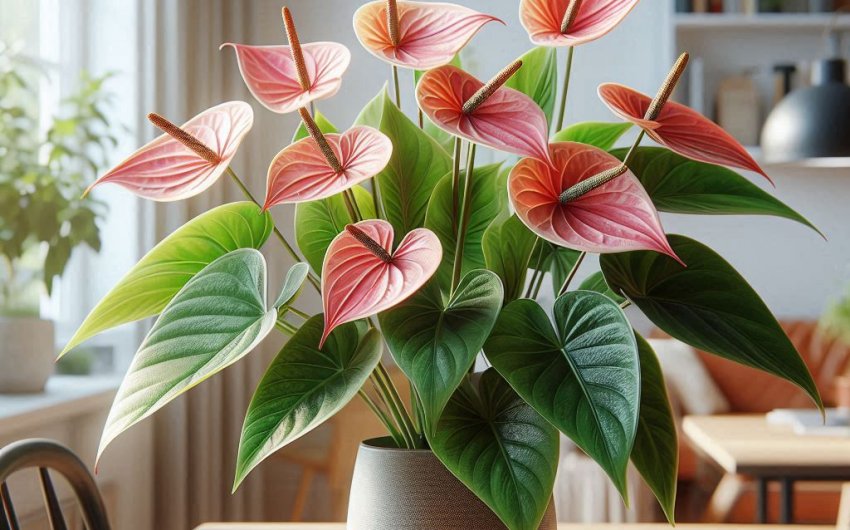
The Laceleaf, also known as Anthurium andraeanum or the Flamingo Flower, is a stunning houseplant prized for its glossy, heart-shaped leaves and vibrant, long-lasting blooms. Those shiny, waxy "flowers" are actually modified leaves called spathes, which surround a slender, stick-like structure called a spadix. They come in brilliant reds, pinks, whites, and even greens, adding a touch of tropical elegance to any indoor space. Many people buy a beautiful Anthurium and find its blooms eventually fade, and new ones never appear. Don't worry! With the right care, you can absolutely encourage flowering and keep your Laceleaf a perpetual showstopper.
What Environmental Conditions Do Anthuriums Need for Flowering?
Anthuriums are tropical plants, native to the rainforests of Central and South America. To get them to flower well indoors, you need to try and mimic their natural environment as much as possible.
How Much Light Does an Anthurium Need to Bloom?
Light is arguably the most crucial factor for Anthurium flowering. Too little light and your plant will just produce leaves; too much can scorch its delicate spathes.
- Bright, Indirect Light is Ideal: Think of their natural habitat: growing under the canopy of taller trees, they get plenty of bright light but are protected from harsh, direct sun. A spot near a window that receives good, filtered light throughout the day is perfect. An east-facing window is often ideal, or a few feet away from a south- or west-facing window.
- Signs of Too Little Light (No Blooms):
- Lack of Flowers: This is the main sign! The plant may produce healthy-looking leaves but no spathes.
- Leggy Growth: Stems may appear long and stretched, reaching for a light source.
- Dull Foliage: Leaves may lose their vibrant green color and appear dull.
- Signs of Too Much Direct Light (Scorching):
- Scorched Leaves/Spathes: Brown or yellow crispy spots on the leaves and spathes, similar to sunburn.
- Faded Color: The vibrant color of the spathes may appear washed out or faded.
Tip: Rotate your Anthurium every few weeks to ensure all sides get even light exposure. This promotes balanced growth and more symmetrical flowering. Consider using a grow light for houseplants during winter months or in low-light homes to supplement natural light and encourage year-round flowering.
What are the Ideal Temperature and Humidity Levels?
As tropical plants, Anthuriums have specific needs for warmth and moisture in the air.
- Consistent Warmth: Anthuriums thrive in warm, stable temperatures, ideally between 65-85°F (18-29°C). They absolutely do not tolerate cold temperatures or sudden drops.
- Avoid Cold Drafts: Keep them away from cold windows, open doors, or heating/cooling vents that create sudden temperature fluctuations.
- Minimum Temperature: Temperatures consistently below 60°F (15°C) will stress the plant, slow growth, and inhibit flowering.
- High Humidity is Crucial: This is where many indoor environments fall short. Anthuriums naturally grow in humid rainforests and require high humidity (ideally 70-80%) to truly flourish and flower well. Dry air is a common cause of poor blooms.
- Signs of Low Humidity: Brown, crispy leaf tips or edges, slowed growth, and failure to flower.
- How to Increase Humidity:
- Pebble Tray: Place the pot on a saucer filled with pebbles and water. Ensure the bottom of the pot is not sitting in the water. As the water evaporates, it creates a localized humid microclimate around the plant. You can use a plant humidity tray.
- Misting: Regularly mist the leaves with fine spray of lukewarm water, especially during dry periods (daily or every other day).
- Humidifier: For very dry homes, a room humidifier for plants is the most effective way to provide consistent high humidity.
- Grouping Plants: Grouping several houseplants together can create a small pocket of higher humidity as they release moisture.
Providing warm, consistent temperatures and ample humidity will make your Anthurium feel right at home and ready to flower.
How Do You Water and Fertilize an Anthurium for Optimal Blooms?
Proper watering and the right kind of fertilizer are vital for Anthurium flowering. Getting these elements right prevents common issues and fuels bloom production.
What is the Correct Watering Technique for Anthuriums?
Anthuriums like consistent moisture but absolutely hate soggy soil. This balance is crucial for healthy roots and flowering.
- Check Soil Moisture Regularly: Do not water on a strict schedule. Instead, feel the potting mix. Water when the top 50% of the soil feels dry to the touch. For a 6-inch pot, this means about 2-3 inches deep.
- Water Thoroughly: When you do water, water deeply until water drains out of the bottom of the pot. This ensures that all the roots get access to moisture.
- Empty Saucer: Always empty any excess water from the drainage saucer after about 15-20 minutes. Allowing the pot to sit in standing water leads directly to root rot, which will quickly kill your plant and stop flowering.
- Frequency: Watering frequency will vary based on light, temperature, humidity, pot size, and season. You'll water more often in spring/summer (active growth) and much less in fall/winter.
- Signs of Underwatering: Wilting, dull leaves, slow growth, crispy leaf edges.
- Signs of Overwatering (Common Killer): Yellowing leaves (especially lower ones), soft/mushy stems or leaves, general decline, fungus gnats.
Always err on the side of underwatering rather than overwatering. A good plant moisture meter for houseplants can be very helpful here.
What Kind of Potting Mix and Pot Material is Best?
The right potting mix and a pot with excellent drainage are fundamental for Anthurium health and preventing root rot.
- Well-Draining, Airy Potting Mix: Anthuriums are epiphytic or hemi-epiphytic in nature (meaning they often grow on trees, not just in soil, in their native habitat). They need a very airy, coarse, and well-draining potting mix that mimics their natural growing environment.
- Recommended Mix: A good mix could be a combination of orchid bark, perlite, and a high-quality, chunky indoor potting mix. A chunky aroid potting mix is often ideal.
- Avoid Heavy Soil: Do not use dense, heavy garden soil or straight peat moss, as these retain too much water and lead to root rot.
- Pot Material and Drainage Holes:
- Drainage Holes are ESSENTIAL: The pot must have drainage holes. No drainage holes means no Anthurium!
- Material: Terracotta pots are porous and allow for good airflow and quicker drying, which can be beneficial if you tend to overwater. Plastic pots retain moisture longer. Both can work if watering is adjusted.
- Pot Size: Anthuriums prefer to be slightly root-bound. Don't repot into a pot that is too large. Choose a pot that is only 1-2 inches larger in diameter than the previous one when repotting.
The correct potting mix and drainage setup are the best defense against overwatering issues.
How Should You Fertilize an Anthurium to Encourage Blooms?
Fertilizing provides the nutrients your Anthurium needs to produce its vibrant spathes.
- When to Fertilize: Only fertilize during the active growing season, which is typically spring and summer. Do not fertilize in fall and winter when the plant's growth slows down or it's dormant.
- Type of Fertilizer: Use a liquid fertilizer formulated for flowering houseplants, or one with a slightly higher phosphorus (P) and potassium (K) content (the middle and last numbers in the N-P-K ratio). A good bloom boosting houseplant fertilizer can encourage more spathes.
- Dilution: Always dilute the fertilizer to half the strength recommended on the package, especially for Anthuriums. It's always better to under-fertilize than over-fertilize.
- Frequency: Fertilize about once a month or every 6-8 weeks during the spring and summer.
- Avoid Excess Nitrogen: Too much nitrogen can encourage lush leafy growth at the expense of flowers. If your plant is all leaves and no blooms, try a fertilizer with a lower first number (N) or reduce fertilizer frequency.
Signs of Over-Fertilizing: Crispy, brown leaf tips/edges, stunted growth, or a white crust on the soil surface. If you see these signs, flush the soil with plain water until it drains thoroughly, and hold off on fertilizing for a while.
What Other Care Tips Promote Anthurium Flowering?
Beyond the basics of light, water, and fertilizer, a few extra care tips can make a big difference in how well your Anthurium flowers.
Why is Pruning and Deadheading Important?
Pruning and deadheading not only keep your Anthurium looking tidy but also encourage more blooms and overall plant health.
- Deadheading Spent Spathes: Once an Anthurium spathe starts to fade (loses its vibrant color, turns green or brown), it means its purpose (pollination/attracting pollinators) is complete. Cut the faded spathe stem back at the base of the plant, near the soil line.
- Why: This redirects the plant's energy from maintaining a fading spathe (or producing seeds) towards producing new leaves and blooms.
- Pruning Yellow/Damaged Leaves: Regularly remove any yellow, brown, damaged, or dead leaves. Cut them at the base of the stem.
- Why: Removing unhealthy foliage prevents the plant from wasting energy trying to support dying parts and improves air circulation.
- Sanitize Tools: Always use clean, sharp plant pruning shears. Wipe the blades with rubbing alcohol before and after each cut to prevent the spread of diseases.
Pruning keeps your Anthurium focused on healthy, productive growth.
When Should You Repot an Anthurium?
Repotting is an essential care task, but it should only be done when necessary, as it can stress the plant.
- Anthuriums Prefer Being Slightly Root-Bound: They actually flower better when their roots are a bit snug in the pot. Don't rush to repot.
- Signs It Needs Repotting:
- Roots Circling: Roots are growing out of the drainage holes or circling tightly around the inside of the pot.
- Water Runs Straight Through: Water drains immediately through the pot, meaning the potting mix is completely root-bound and not absorbing water.
- Stunted Growth: Plant growth slows significantly without other obvious reasons.
- When to Repot: The best time to repot is during the active growing season (spring or early summer).
- Choosing a New Pot: Select a new pot that is only 1-2 inches larger in diameter than the old one. Going too big can lead to overwatering issues. Ensure the new pot has drainage holes.
- Repotting Steps:
- Gently Remove: Carefully slide the Anthurium out of its old pot.
- Loosen Roots: Gently loosen any tightly circling roots at the bottom and sides of the root ball.
- Fresh Potting Mix: Place a small layer of fresh, well-draining potting mix (as described above) at the bottom of the new pot.
- Position Plant: Center the plant in the new pot, ensuring the base of the plant is at the same level as it was in the old pot.
- Backfill: Fill around the root ball with more fresh potting mix, gently firming it down.
- Water Thoroughly: Water immediately until water drains out the bottom.
After repotting, place the Anthurium in a slightly shadier spot for a week or two to help it recover from the shock. Don't fertilize for at least a month after repotting.
How Do You Protect Anthuriums from Pests and Diseases?
While generally robust, Anthuriums can occasionally attract common houseplant pests or suffer from fungal issues, especially if care conditions are not ideal. A healthy plant is more likely to flower.
- Common Pests:
- Spider Mites: Tiny arachnids that cause stippling (tiny yellow dots) on leaves and can create fine webbing. They thrive in dry air.
- Solution: Increase humidity, wipe leaves regularly, use insecticidal soap or neem oil.
- Aphids: Small, soft-bodied insects that cluster on new growth and suck sap, causing distorted leaves.
- Solution: Blast with water, use insecticidal soap or neem oil.
- Mealybugs: Fuzzy white cottony masses, often in leaf axils.
- Solution: Dab with rubbing alcohol on a cotton swab, use insecticidal soap or neem oil.
- Spider Mites: Tiny arachnids that cause stippling (tiny yellow dots) on leaves and can create fine webbing. They thrive in dry air.
- Common Diseases (Fungal): Often a result of overwatering or poor air circulation.
- Root Rot: Caused by soggy soil. Leads to mushy stems and yellowing/dropping leaves.
- Solution: Improve drainage, water less frequently, repot if severe (trimming rotten roots).
- Leaf Spot Fungi: Various fungi can cause dark spots on leaves.
- Solution: Improve air circulation, avoid overhead watering, remove infected leaves.
- Root Rot: Caused by soggy soil. Leads to mushy stems and yellowing/dropping leaves.
- Prevention is Key:
- Regular Inspection: Inspect your Anthurium regularly for any signs of pests or disease. Catching problems early makes them easier to manage.
- Good Cultural Care: Proper watering, humidity, light, and air circulation are your best defenses against most problems.
- Quarantine New Plants: Isolate new plants for a few weeks before introducing them to your collection.
If you suspect pests, a good organic houseplant pest control spray can often resolve issues without harsh chemicals.