
What Specific Soil Mix Is Ideal for a Monstera Adansonii?
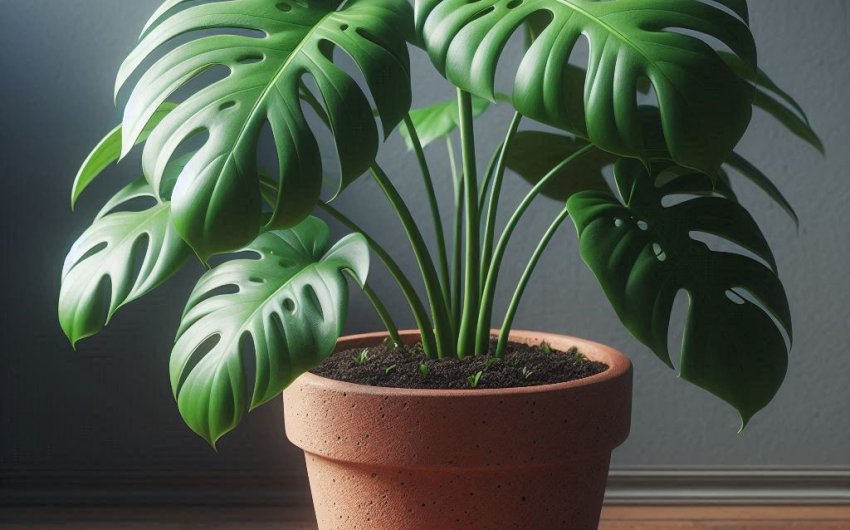
The Monstera Adansonii, often called the Swiss Cheese Plant because of its unique holes (fenestrations) in the leaves, is a popular choice for indoor plant lovers. Its beautiful, vining nature and striking foliage make it a real showstopper. But to keep your Monstera Adansonii happy and healthy, one of the most important things you need to get right is its soil mix. It's not just any old potting soil that will do. Understanding the specific needs of this plant’s roots is key to its success.
Why Does Soil Matter So Much for Monstera Adansonii?
Think of soil as the foundation of your plant's home. It provides more than just a place to stand up. The right soil mix gives the roots what they need to thrive, which then helps the rest of the plant grow big and strong.
What is the Natural Habitat of Monstera Adansonii?
To understand what kind of soil a Monstera Adansonii needs, let's look at where it comes from. These plants are native to the tropical rainforests of Central and South America. In their natural environment, they don't grow directly in heavy garden soil. Instead, they often grow as "epiphytes" or "hemi-epiphytes."
- Epiphytes: These plants grow on other plants (like trees) for support, not for nutrients. Their roots cling to tree bark and absorb moisture and nutrients from the air and rain.
- Hemi-epiphytes: These plants start their lives either on the ground or on a tree. If they start on the ground, they climb up a tree, and some of their roots might even stay in the ground. If they start on a tree, they send roots down to the ground. In both cases, their roots are used to a very airy, well-draining environment, not dense, wet soil. This is a crucial clue for creating the perfect potting mix at home.
Why is Good Drainage Critical?
One of the biggest problems for Monstera Adansonii is root rot. This happens when the roots sit in soggy soil for too long.
- Lack of Oxygen: Roots need oxygen to "breathe" and absorb water and nutrients. When soil is waterlogged, there's no air space, and the roots essentially drown.
- Fungal Growth: Constantly wet conditions encourage harmful fungi to grow, which attack and rot the roots. A good soil mix ensures that excess water quickly drains away, leaving tiny air pockets for the roots to access oxygen.
Why Do Roots Need Air (Aeration)?
Building on the point above, aeration is vital. Monstera Adansonii roots are accustomed to being exposed to air, not suffocated in dense soil. A chunky, airy soil mix allows for excellent aeration, which supports healthy root growth and prevents problems.
How Do Nutrients and Support Play a Role?
While drainage and aeration are top priorities, the soil mix also needs to:
- Provide Nutrients: Hold onto some moisture and nutrients that the plant needs to grow.
- Offer Support: Be sturdy enough to anchor the plant, especially as it grows and climbs.
What Are the Key Ingredients for an Ideal Monstera Adansonii Soil Mix?
Now that we know why specific soil is needed, let's look at what goes into making that ideal potting mix. You'll be combining several ingredients to get the perfect balance.
Base: High-Quality Potting Mix (but not too much!)
This forms the base of your soil mix, but it won't be the majority.
- Type: Choose a good quality, general-purpose houseplant potting mix that is peat-based or coco coir-based.
- Why a good base? It provides some initial nutrients and moisture retention.
- Avoid: Don't use heavy garden soil, which is too dense. Also, avoid cheaper, very compact potting mixes that can easily become waterlogged.
Perlite: For Drainage and Aeration
Perlite is a game-changer for drainage. It's those small, white, lightweight bits you often see in commercial potting mixes.
- What it is: Perlite is volcanic glass that's been heated to extreme temperatures, causing it to puff up like popcorn.
- How it helps: It creates tiny air pockets in the soil and improves drainage by preventing compaction. It doesn't hold much water itself.
- Where to find it: You can buy a bag of perlite at any garden center.
Orchid Bark or Coco Husks: For Chunky Aeration and Support
These are essential for mimicking the chunky, airy environment that Monstera Adansonii roots love.
- Orchid Bark (Fir Bark): Orchid bark is made from tree bark pieces. It's coarse, provides excellent aeration, and helps anchor the plant. It's very slow to break down.
- Coco Husks (Coco Coir Chunks): Coco husks are similar to orchid bark in function. They are chunks of coconut fiber that offer great drainage and aeration while also holding some moisture. They are a good sustainable alternative to peat or bark.
- Why use them? They prevent the soil from becoming too dense and create large air pockets for those adventurous aerial roots.
Worm Castings or Compost: For Natural Nutrients
To give your Monstera Adansonii a gentle boost of nutrients, add some worm castings or compost.
- Worm Castings: Worm castings are worm poop – a fantastic, slow-release, organic fertilizer that won't burn your plant.
- Compost: Well-rotted compost (from your own pile or bagged) also adds a wealth of beneficial microbes and nutrients.
- Why use them? They provide a gentle, steady supply of food for your plant, supporting healthy growth without the need for immediate synthetic fertilizers.
Optional Additions: Charcoal and Sphagnum Moss
These can further enhance your soil mix, though they aren't strictly necessary for beginners.
- Horticultural Charcoal: Horticultural charcoal helps absorb impurities and improve drainage. It can also slightly increase the pH, which is sometimes beneficial.
- Long-Fiber Sphagnum Moss: A small amount of long-fiber sphagnum moss can increase moisture retention in a very airy mix without making it soggy. It's often used for propagating or for wrapping around moss poles.
What is the Ideal Soil Mix Ratio for Monstera Adansonii?
Now for the magic formula! While there isn't one single "perfect" ratio, this blend is highly recommended by many experienced plant parents for Monstera Adansonii.
The General Recipe: The "Aroid Mix"
This type of mix is often called an "Aroid Mix" because it's perfect for plants in the Araceae family, which includes Monstera, Philodendron, Pothos, and Anthurium – all plants that appreciate an airy, well-draining environment.
Here's a great starting point for your Monstera Adansonii soil mix:
- 1 Part High-Quality Potting Mix: This provides the base.
- 1 Part Perlite: For excellent drainage and aeration.
- 1 Part Orchid Bark (or Coco Husks): For large air pockets and mimicking its natural environment.
So, if you use a cup as your "part," you would use 1 cup of potting mix, 1 cup of perlite, and 1 cup of orchid bark.
Adding Nutrients and Optional Ingredients
Once you have your base "Aroid Mix," you can enrich it:
- Add 1/4 Part Worm Castings or Compost: For a gentle nutrient boost. (Using the "cup" example, this would be 1/4 cup).
- Optional Charcoal: If using horticultural charcoal, add about 1/4 to 1/2 part.
- Optional Sphagnum Moss: If your environment is very dry, or you want slightly more moisture retention, add a small handful of chopped long-fiber sphagnum moss per batch.
Example Mix (by volume):
Let's say you're making a batch for one repotting:
- 2 cups of Good quality potting mix
- 2 cups of Perlite
- 2 cups of Orchid bark medium/coarse (or coco husks)
- 1/2 cup of Worm castings
Mix all ingredients thoroughly in a large bucket or tub until everything is evenly distributed.
How Do You Know if Your Soil Mix is Right for Your Monstera Adansonii?
Once you've made your custom soil mix and repotted your plant, how do you tell if you got it right? Your plant will tell you!
Test the Drainage
Before you even plant, you can test a small amount of your mixed soil.
- Feel Test: Take a handful of the mixed soil. It should feel light, airy, and chunky, not dense or heavy.
- Water Test: Put some of the mix in a pot with drainage holes. Pour water through it. The water should flow through very quickly and drain out the bottom almost immediately, leaving the soil damp but not soggy. If water sits on top or drains slowly, add more perlite and bark.
Watch Your Watering Schedule
With the right soil mix, your Monstera Adansonii will likely need to be watered more frequently than if it were in a dense soil.
- Frequency: You might find yourself watering every 5-7 days instead of every 10-14 days. This is a good sign, as it means the roots are getting frequent drinks without sitting in water.
- Top Inch Test: Always check the top 1-2 inches of soil before watering. If it feels dry, it's usually time to water.
Observe Your Plant's Health
The ultimate test is how your Monstera Adansonii thrives.
- Healthy Leaves: You should see new, vibrant green leaves with good fenestrations (the holes). Yellowing leaves at the bottom might indicate overwatering if the soil isn't drying out, or it could be a sign of nutrient deficiency if your mix is too lean.
- Strong Growth: A happy plant will show steady growth, sending out new vines and leaves.
- No Root Rot Signs: If the soil is doing its job, you won't see mushy stems, wilting (despite watering), or a foul smell from the soil, which are all signs of root rot.
- Aerial Roots: Your Monstera Adansonii will develop aerial roots that reach out for support and moisture from the air. This is a normal and healthy sign, showing it's trying to mimic its natural climbing habit.
Common Mistakes to Avoid with Monstera Adansonii Soil
Even with the right ingredients, it's easy to make a few mistakes that can harm your plant.
Using Standard Potting Soil Alone
This is probably the most common mistake.
- Why it's bad: Standard potting soil is too dense and holds too much water for Monstera Adansonii. It quickly leads to root rot because there's not enough aeration for the roots.
- Solution: Always amend your potting mix with plenty of perlite and orchid bark.
Over-Watering (Even with Good Soil)
While good soil prevents sogginess, you can still overwater.
- Why it's bad: If you water too frequently, even if the soil drains well, the roots never get a chance to dry out slightly between waterings, which they prefer.
- Solution: Always check the soil moisture before watering. Stick your finger 1-2 inches deep. If it feels damp, wait. If it feels dry, then water.
Not Having Drainage Holes
This goes hand-in-hand with good soil.
- Why it's bad: No matter how well-draining your soil mix is, if excess water has nowhere to go, it will sit at the bottom of the pot, creating a soggy death trap for your roots.
- Solution: Always use a pot with drainage holes. If you love a decorative pot without holes, use it as a cache pot (a cover pot) and put your plant in a nursery pot with holes inside it.
Ignoring the Pot Size
The size of the pot affects how quickly the soil dries out.
- Too Big: A pot that's too big holds too much soil for the root system, which means it stays wet for too long.
- Too Small: A pot that's too small will dry out too quickly and can make the plant root-bound.
- Solution: Repot your Monstera Adansonii into a pot that's only one size larger (e.g., from a 6-inch pot to an 8-inch pot) when it outgrows its current one.
Forgetting About Fertilizing
Even with worm castings in the mix, your plant will eventually need more nutrients.
- Why it's bad: The nutrients in potting mix and worm castings will deplete over time.
- Solution: Fertilize your Monstera Adansonii during its growing season (spring and summer) with a balanced liquid houseplant fertilizer, diluted to half strength. Reduce or stop fertilizing in fall and winter when the plant's growth slows down.
By understanding the unique needs of your Monstera Adansonii and providing it with a perfectly tailored soil mix, you'll set it up for success. This extra effort will pay off with a thriving, beautiful plant that fills your home with lush, fenestrated foliage. Happy planting!