
How Do I Provide the Right Temperature for a Bird’s Nest Fern (Asplenium nidus)?
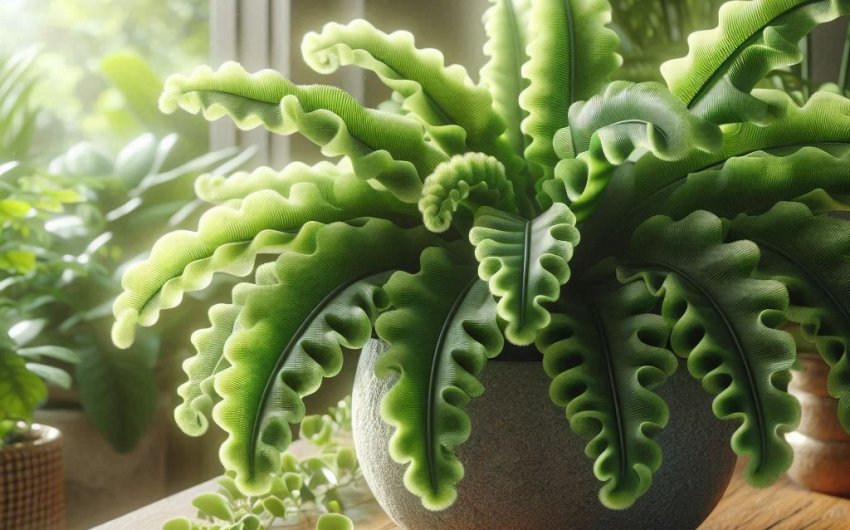
The Bird's Nest Fern (Asplenium nidus) is a truly captivating houseplant, beloved for its striking, bright green, ripple-edged fronds that grow in a circular pattern, resembling a bird's nest. This unique growth habit makes it a beautiful focal point in any room, adding a touch of tropical elegance. Unlike many other ferns, it doesn't have the delicate, lacy foliage, making it a distinctive choice for indoor plant enthusiasts. While it's generally considered easier to care for than some other fern varieties, understanding its specific environmental needs is crucial for its long-term health and vibrant appearance.
One of the most important factors for successfully growing a Bird's Nest Fern indoors is providing the correct temperature. These ferns originate from tropical and subtropical regions, where consistent warmth is the norm. Replicating these conditions in your home is key to preventing stress and encouraging lush growth. Too hot or too cold, and your beautiful fronds might start to show signs of distress. This guide will explore everything you need to know about setting the perfect temperature for your Asplenium nidus, ensuring it thrives and continues to be a stunning addition to your indoor jungle.
What is the Ideal Temperature Range for a Bird's Nest Fern?
The Bird's Nest Fern comes from warm, humid places. Because of this, it needs a stable and warm environment to truly thrive in your home. Understanding the ideal temperature range is fundamental to its care.
What Are the Preferred Daytime and Nighttime Temperatures?
For your Bird's Nest Fern to be happy and healthy, you should aim to keep its environment consistently warm. The preferred daytime temperature for Asplenium nidus is generally between 70°F and 80°F (21°C and 27°C). This range closely mimics the tropical and subtropical conditions where these ferns naturally grow.
During the nighttime, a slight drop in temperature is acceptable, as long as it's not too drastic. The preferred nighttime temperature should ideally not fall below 60°F (15°C). While a brief dip to 55°F (13°C) might be tolerated, consistent temperatures below 60°F will start to stress the plant. This is because in their native habitats, tropical nights are still quite warm.
Maintaining this relatively stable range, with slightly cooler nights, promotes healthy growth and vibrant foliage. Large or sudden fluctuations in temperature, both during the day and between day and night, can be very detrimental to the Bird's Nest Fern, leading to stress and visible damage to its fronds. Monitoring your home's temperature with a digital thermometer for indoor plants can help you stay within this ideal range.
Why Is Consistency in Temperature Important for Ferns?
Consistency in temperature is incredibly important for Bird's Nest Ferns because they are sensitive to sudden changes. These ferns don't experience drastic temperature swings in their natural jungle environments. When they are exposed to sharp rises or falls in temperature indoors, it causes stress to the plant.
Think of it like this: sudden changes can shock the plant's system. When the temperature drops too quickly, the plant's metabolic processes (like photosynthesis and water uptake) slow down abruptly. If it gets too hot too quickly, it can lead to increased water loss and stress.
Consistent temperatures allow the fern to maintain stable internal processes, leading to steady, healthy growth. Frequent, large temperature fluctuations can result in:
- Stunted growth: The plant puts energy into adapting, not growing.
- Wilting or drooping fronds: A sign of stress.
- Browning or crispy fronds: Especially the tips or edges.
- Increased susceptibility to pests or diseases: A stressed plant is a weak plant.
Therefore, avoiding drafts, placing the plant away from external doors that open frequently, and keeping it away from heating or cooling vents are all critical steps to ensure your Bird's Nest Fern temperature remains stable and within its preferred range.
What Is the Minimum Tolerable Temperature for Asplenium nidus?
While the Bird's Nest Fern thrives in warm conditions, there is a minimum tolerable temperature below which it will start to suffer severe damage or even die. This minimum is generally considered to be around 50°F (10°C).
If the temperature consistently drops below 50°F, or if the plant is exposed to very cold drafts, the fronds will begin to turn brown, wilt, and eventually die back. Prolonged exposure to temperatures in the 40s (around 4-9°C) can be fatal to the plant. The cold effectively shuts down its cellular functions and can damage its delicate root system.
This is why winter care is so important for Bird's Nest Ferns, especially if you live in a colder climate. Ensure they are moved away from cold windows or unheated rooms, and definitely avoid placing them outdoors during cold periods unless you are in a truly tropical zone where temperatures never dip low. Keeping the Bird's Nest Fern temperature above this minimum threshold is absolutely vital for its survival.
What Are the Risks of Incorrect Temperature for a Bird's Nest Fern?
Providing the wrong temperature for your Bird's Nest Fern can lead to various problems, from minor stress to severe damage or even death. Knowing the risks helps you recognize issues early and take corrective action.
How Does Too Cold a Temperature Affect Frond Health?
When a Bird's Nest Fern is exposed to too cold a temperature, the health of its beautiful fronds is often the first thing to suffer. The visual signs can be quite distressing.
- Browning or Blackening: The most common symptom of cold damage is the fronds turning brown or even black, especially along the edges or tips. This indicates that the plant tissue is literally dying from the cold.
- Wilting or Drooping: Fronds may become limp and droop downwards, losing their characteristic upright, firm appearance. This is the plant's response to stress, indicating it's not functioning correctly.
- Crispy Texture: The affected areas, especially the brown parts, might become dry and crispy to the touch.
- Stunted Growth: New fronds may be very small, distorted, or simply stop emerging altogether as the plant tries to conserve energy and recover.
- Overall Decline: If cold exposure is prolonged, the entire plant will decline, losing more and more fronds until it eventually dies.
Cold damage is particularly insidious because it can sometimes appear a day or two after the actual cold exposure. This is why keeping your Bird's Nest Fern temperature stable and warm is so crucial. If you see these signs, immediately move your fern to a warmer location and try to provide steady humidity.
What Are the Dangers of Overheating a Bird's Nest Fern?
While cold is a major threat, overheating can also be dangerous for a Bird's Nest Fern. While they love warmth, extreme heat, especially when combined with low humidity, can stress them out significantly.
- Rapid Drying Out: High temperatures rapidly increase the rate of transpiration (water evaporating from the leaves). This means the plant loses water much faster than its roots can absorb it, leading to quick dehydration.
- Crispy Edges and Tips: Similar to cold damage, extreme heat and lack of moisture will cause the frond edges and tips to become dry and crispy. The fronds might also curl inwards as the plant tries to conserve moisture.
- Wilting: The plant might wilt or droop even if the soil is moist, as it struggles to transport enough water to compensate for the rapid loss from its leaves due to heat.
- Stunted Growth: Overheating can inhibit new growth, making the plant appear dormant or stressed.
- Increased Pest Susceptibility: A stressed plant, whether from cold or heat, is more vulnerable to common houseplant pests like spider mites, which thrive in dry, warm conditions.
Avoid placing your Bird's Nest Fern directly next to heat sources like radiators, heating vents, or in direct, strong afternoon sunlight that heats up a room. Ensure good air circulation, and consider increasing humidity if temperatures are consistently high. Balancing Bird's Nest Fern temperature with humidity is vital to prevent overheating stress.
Can Temperature Fluctuations Cause Stress and Disease?
Yes, temperature fluctuations, especially sudden or significant ones, can cause considerable stress and disease in your Bird's Nest Fern. As a tropical plant, it thrives in stable conditions, and swings are detrimental.
- Stress: Each time the temperature dramatically changes, the plant has to expend energy to adapt to the new conditions. This diverts energy away from growth and maintenance, weakening the plant overall. This stress makes the fern more susceptible to problems.
- Transpiration Issues: Sudden temperature drops can reduce transpiration too quickly, leading to water accumulation in the roots (if the soil is too wet), potentially causing root rot. Sudden increases can lead to rapid water loss and wilting.
- Compromised Immune System: A constantly stressed plant has a weaker natural defense mechanism. This makes it more vulnerable to common fungal diseases that might otherwise be shrugged off.
- Pest Infestations: Stress also makes a plant more attractive to pests. For example, spider mites often target stressed plants, and temperature swings can make an already compromised fern an easy target.
To avoid temperature fluctuations, keep your Bird's Nest Fern in an inner room of your house that maintains a more consistent temperature, rather than directly by frequently opened doors or leaky windows. Using a room thermostat to maintain a steady indoor climate is a great way to provide the consistent Bird's Nest Fern temperature it desires.
How Do You Maintain Ideal Temperature for Your Bird's Nest Fern Indoors?
Maintaining the ideal temperature for your Bird's Nest Fern indoors involves strategic placement, awareness of household conditions, and sometimes, a little extra help.
Where Are the Best Placement Spots in Your Home?
Choosing the best placement spots in your home is key to providing consistent, warm temperatures for your Bird's Nest Fern. Think about areas that are naturally protected from extremes.
- Avoid Drafty Areas: Keep your fern away from external doors that are frequently opened, leaky windows, and air conditioning vents. Cold drafts can rapidly drop the temperature around the plant and cause frond damage.
- Stay Away from Heat Sources: Similarly, avoid placing the plant directly next to radiators, heating vents, fireplaces, or even sunny windows that can become extremely hot, as this can cause overheating and rapid drying.
- Consider Bathrooms (with light): A bathroom with a window can be an excellent spot for a Bird's Nest Fern. The humidity from showers creates a humid microclimate, and if the bathroom stays warm, it's often ideal. Just ensure it still gets the right amount of light.
- Interior Rooms: Rooms that are centrally located within your home tend to have more stable temperatures than rooms directly exposed to outside walls. A spot a few feet away from an East or North-facing window in such a room can often be perfect.
- Group with Other Plants: Grouping your Bird's Nest Fern with other humidity-loving plants can create a small, localized microclimate that helps maintain slightly more stable temperatures and higher humidity.
Observe your home throughout the day and across seasons to find the spots that offer the most consistent warmth and protection from drafts, ensuring your Bird's Nest Fern temperature is stable.
How Can You Manage Temperature Swings During Winter and Summer?
Managing temperature swings during winter and summer is crucial for the year-round health of your Bird's Nest Fern. These are the times when indoor conditions are most likely to fluctuate significantly.
- Winter Care:
- Move Away from Windows: If your fern is near a window, especially a single-pane one, move it a few feet back during cold winter nights. Windowpanes can become very cold and radiate that cold to the plant.
- Avoid Vents: Ensure the plant is not directly in the path of hot, dry air from heating vents or radiators. This dry heat can cause rapid water loss and stress.
- Consistent Room Temp: Try to maintain a consistent daytime temperature in your home, ideally not letting it drop below 60°F (15°C) at night in the plant's area.
- Increase Humidity: Winter heating often dries out indoor air. Supplement humidity with misting, pebble trays, or a humidifier. A room humidifier can be very beneficial.
- Summer Care:
- Protect from Overheating: Ensure your plant is not in direct, harsh afternoon sun that can overheat it. Use sheer curtains or move it to a shadier spot.
- Air Conditioning Vents: Keep the fern away from direct blasts of cold, dry air from air conditioning vents.
- Monitor Humidity: In very dry summer climates, humidity might still be an issue even with higher temperatures, so continue to monitor and supplement if needed.
By being mindful of seasonal changes and adjusting your plant's placement accordingly, you can maintain a comfortable and stable Bird's Nest Fern temperature throughout the year.
Can Heating Pads or Warmers Be Used for Struggling Ferns?
For a struggling Bird's Nest Fern that might be recovering from cold shock or is consistently in a slightly cooler-than-ideal room, a heating pad or plant warmer can be a temporary solution.
- Seedling Heat Mats: These are often used for germinating seeds but can be placed under a plant pot to provide gentle bottom heat. Ensure the mat is designed for plants and has a thermostat control to prevent overheating. Place a thin towel or layer of pebbles between the mat and the pot to prevent direct heat transfer from burning the roots.
- Careful Application: Only use these if your fern is showing clear signs of cold stress and you've ruled out other issues like overwatering. They are best for a short period to help the plant recover or get through a particularly cold snap.
- Monitor Temperature: Always use a thermometer to monitor the soil temperature when using a heating pad to ensure it doesn't get too hot. Most ferns prefer warmth, but not extreme heat directly on their roots.
These tools are not meant for continuous long-term use for established ferns but can be lifesavers in specific situations to bring the Bird's Nest Fern temperature back into a healthy range for recovery. However, addressing the root cause of the cold (e.g., better room insulation, moving placement) is always the best long-term solution. A plant heating mat with thermostat provides more control.
What Other Environmental Factors Interact with Temperature for Pothos?
While temperature is crucial, it's one piece of the puzzle. Other environmental factors work together with temperature to create the overall conditions your Bird's Nest Fern needs to thrive.
How Does Humidity Relate to Temperature Needs?
Humidity is intrinsically linked to temperature when caring for a Bird's Nest Fern. These ferns are native to tropical rainforests, where both high temperatures and high humidity are constant.
- High Temperature, Low Humidity = Stress: When temperatures are warm (even ideal) but humidity is low, your Bird's Nest Fern will lose moisture through its leaves at a much faster rate. This can lead to crispy frond edges, browning, and overall dehydration, even if the soil is adequately watered. The plant struggles to replace lost moisture quickly enough.
- Optimal Synergy: Providing both warm temperatures and high humidity (ideally 50% or higher, 70% is even better) creates the perfect environment. The humidity slows down transpiration, allowing the plant to retain moisture better and reduce stress.
- Signs of Low Humidity: Beyond crispy fronds, slow growth or dull-looking foliage can also indicate insufficient humidity, especially when combined with warm temperatures.
To increase humidity around your Bird's Nest Fern:
- Misting: Regularly mist the fronds with distilled or filtered water using a fine mist sprayer. This is a temporary boost but helps.
- Pebble Tray: Place the pot on a tray filled with pebbles and water, ensuring the bottom of the pot doesn't sit directly in the water. As the water evaporates, it increases humidity around the plant.
- Humidifier: For more consistent and significant humidity, especially in dry climates or during winter heating, a room humidifier is the most effective solution.
- Grouping Plants: Cluster your fern with other humidity-loving plants. As plants release moisture, they create a small humid microclimate.
Balancing the Bird's Nest Fern temperature with adequate humidity is essential for its lush, healthy growth and vibrant appearance.
What Are the Lighting Preferences for a Bird's Nest Fern?
While temperature is our main focus, understanding the lighting preferences for a Bird's Nest Fern is also very important, as light levels can affect how well a plant handles certain temperatures.
Bird's Nest Ferns prefer bright, indirect light. They do not like direct sunlight, especially the intense afternoon sun, which can easily scorch their fronds.
- Ideal Placement: An East-facing window is often perfect, providing gentle morning sun. A few feet away from a South- or West-facing window (where light is bright but filtered by a sheer curtain or distance) can also work. A North-facing window might be too dim to promote vigorous growth, though the plant might survive.
- Signs of Too Much Light: Fading, bleached-out fronds, or crispy brown patches indicate too much direct sun.
- Signs of Too Little Light: Stunted growth, dull green fronds, or an overall lack of vigor can suggest insufficient light.
While they can tolerate lower light levels than some houseplants, too little light can weaken the plant, making it more susceptible to stress from less-than-ideal temperatures or humidity. The right Bird's Nest Fern temperature combined with appropriate lighting creates optimal conditions for photosynthesis and overall plant vitality.
How Do Watering and Soil Requirements Intersect with Temperature?
Watering and soil requirements are deeply interconnected with temperature for the Bird's Nest Fern. The plant's water needs change based on how warm it is, and the soil plays a crucial role in providing that moisture.
- Watering and Temperature:
- Warm Temperatures (Ideal): In its ideal temperature range, your Bird's Nest Fern will be actively growing and will use water more quickly. The soil will dry out faster, meaning you'll need to water more frequently. Always check the soil before watering: allow the top inch or two of soil to dry out between waterings.
- Cool Temperatures (Below Ideal): If the temperature drops below the ideal range, the plant's metabolism slows down significantly. It will use much less water, and the soil will stay wet for longer. If you continue to water on the same schedule as when it's warm, you are highly likely to overwater, leading to root rot. Root rot is a common killer of ferns, especially in cooler conditions where the soil struggles to dry out.
- Overheating: If the plant is too hot, it will transpire more rapidly and needs more water to compensate. However, ensure the roots aren't sitting in soggy soil if you're trying to water more.
- Soil Requirements:
- Well-Draining Soil: A well-draining potting mix is essential for Bird's Nest Ferns. This ensures that excess water can drain away, preventing waterlogging and root rot, which is even more critical in cooler temperatures where drying times are extended. A mix designed for ferns or a general houseplant mix with added perlite or orchid bark for extra drainage works well.
- Avoid Wet Feet: Never let your Bird's Nest Fern sit in standing water. Always use a pot with drainage holes.
Understanding these connections allows you to adjust your watering habits based on the ambient Bird's Nest Fern temperature, ensuring the plant gets the right amount of moisture without suffocating its roots. A soil moisture meter can be a valuable tool to gauge when to water, especially when conditions fluctuate.