
What Care Tips Can I Use for a Lipstick Plant to Promote Blooms?
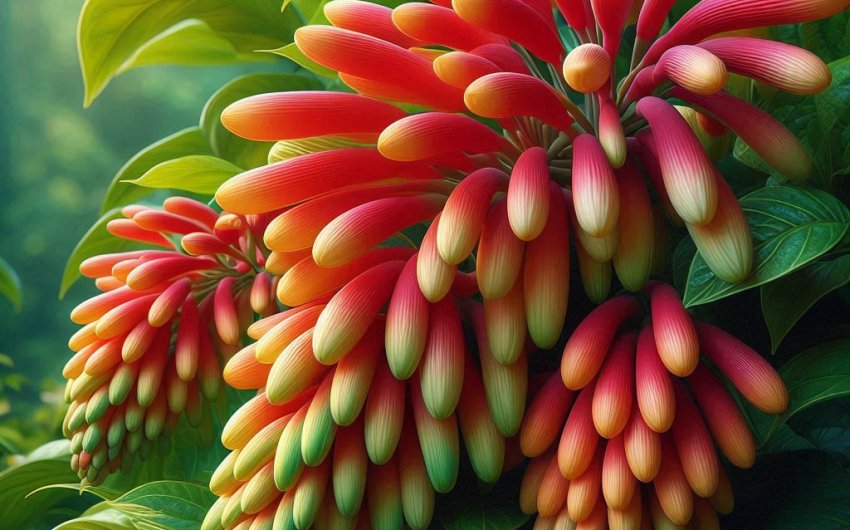
You've probably been captivated by the vibrant beauty of a Lipstick Plant (Aeschynanthus radicans). Its glossy, deep green leaves cascade gracefully from a hanging basket, and then, like a magical reveal, bright red-orange tubular flowers emerge from dark, lipstick-like calyces. This striking contrast is what gives the plant its memorable name and makes it a beloved addition to any indoor plant collection.
However, while its foliage is attractive, the true star of the show is its unique and vibrant flowers. If your Lipstick Plant is growing lush leaves but seems reluctant to bloom, you're not alone. Many plant parents wonder, "What care tips can I use for a Lipstick Plant to promote blooms?" The secret lies in understanding its specific needs, especially when it comes to light, watering, and a few subtle tricks that encourage it to put on its dazzling floral display.
This guide will demystify the art of coaxing blooms from your Lipstick Plant. We'll delve into its tropical origins, pinpoint the essential care factors that trigger flowering, and provide actionable pro tips to ensure your plant produces those stunning, "lipstick-tube" flowers repeatedly. Get ready to transform your leafy green beauty into a blooming marvel!
Understanding Your Lipstick Plant: A Glimpse into its Nature
Before we dive into specific care tips for your Lipstick Plant to promote blooms, it's helpful to understand its natural background. Knowing where it comes from gives you crucial clues about its preferences and how to make it happy (and bloom!) indoors.
1. It's an Epiphytic Aeschynanthus, Not a Terrestrial Plant
- Origin: The Lipstick Plant (Aeschynanthus radicans) is native to the tropical rainforests of Southeast Asia (Malaysia, Indonesia, Thailand).
- Epiphytic Nature: In its natural habitat, it's an epiphyte (or sometimes a lithophyte). This means it doesn't grow in soil on the ground. Instead, it grows on other plants (like trees) or on rocks, using their surfaces for support, but not as a parasite (it doesn't draw nutrients from the host).
- Impact on Care: This epiphytic nature tells us several key things about its needs:
- Airy Roots: Its roots are adapted to cling to bark and absorb moisture and nutrients from the air, decaying plant matter, and infrequent rain. They are not adapted to sit in constantly wet or dense soil.
- Excellent Drainage is Paramount: The plant needs extremely fast-draining, airy potting mix that mimics its natural environment.
- Bright, Indirect Light: Growing under a tree canopy means it gets filtered sunlight, not direct, scorching sun.
- High Humidity: Rainforests are incredibly humid environments.
2. A Member of the Gesneriad Family (Flowering Plants!)
- Related to African Violets: The Lipstick Plant belongs to the Gesneriad family, which also includes African Violets and Gloxinias. This family is known for producing many beautiful flowering houseplants.
- Flowering Tendencies: Its family tree confirms that it is indeed a plant that wants to flower, given the right conditions.
3. The Unique "Lipstick" Blooms
- Calyx and Corolla: The common name comes from its unique flower structure. The vibrant red or orange tubular flower (the corolla) emerges from a darker, often purplish-red, elongated bud-like structure (the calyx), resembling a tube of lipstick being pushed out of its case.
- Bloom Cycle: With optimal conditions, Lipstick Plants can bloom intermittently throughout the year, especially in spring, summer, and fall, often in cycles.
4. Vining Growth Habit
- Cascading Beauty: Its long, trailing stems make it a perfect candidate for hanging baskets or for cascading gracefully from shelves.
- Pruning for Bushiness: Its vining habit means it benefits from pruning to encourage bushier growth, and these pruned pieces are often easy to propagate.
Understanding these fundamental aspects of your Lipstick Plant's nature – its epiphytic habits, its family tendency to flower, and its vining growth – will provide the framework for tailoring your care to successfully promote blooms and keep your plant a vibrant, blooming beauty.
Essential Environmental Factors: Light, Temperature, and Humidity
Getting your Lipstick Plant's environment just right is the foundation for encouraging it to bloom. These environmental factors are the primary triggers for flower production, and mimicking their tropical habitat is key to success.
1. Light: The Most Critical Factor for Blooms!
This is arguably the single most important factor for coaxing flowers from your Lipstick Plant. It needs plenty of bright light to produce flower buds.
- Bright, Indirect Light is Ideal: Place your Lipstick Plant where it receives abundant bright, indirect (filtered) light.
- Good Locations: An east-facing window (morning sun), a few feet back from a south or west-facing window, or under a sheer curtain on a very bright window.
- Goal: The light should be bright enough that it casts a soft, blurry shadow, but no direct, harsh sun rays should hit the leaves for prolonged periods.
- Why Light Matters for Blooms: Adequate light provides the energy for the plant to produce the sugars it needs for growth, and crucially, for flower formation. Insufficient light is one of the most common reasons a Lipstick Plant won't bloom.
- Avoid Direct, Harsh Sun: Direct, intense sunlight (especially afternoon sun) will scorch the leaves, turning them yellow or brown, and severely stress the plant, preventing blooms.
- Avoid Too Little Light: In too low light conditions, your Lipstick Plant will focus its limited energy on stretching for light (leggy growth) rather than producing flowers. Leaves may also be smaller and less glossy.
2. Temperature: Warm and Consistent
Lipstick Plants are tropical and prefer consistently warm temperatures.
- Ideal Range: Maintain indoor temperatures between 65-80°F (18-27°C).
- Avoid Cold Drafts: Protect your Lipstick Plant from cold drafts from windows, doors, or air conditioning vents. Sudden temperature drops or prolonged exposure to cold (below 60°F/15°C) can stress the plant, cause leaf drop, and inhibit flowering.
- Slight Nighttime Drop (Beneficial): A slight drop in temperature at night (5-10°F or 3-6°C lower than daytime temps) can actually be beneficial for flower bud formation, mimicking natural cycles, but avoid drastic plunges.
3. Humidity: A Tropical Must-Have
As an epiphyte from tropical rainforests, Lipstick Plants thrive in consistently high humidity.
- Ideal Range: Aim for humidity levels of 50-70%. Most homes are much drier (often 30-40%), especially in winter with heating.
- Signs of Low Humidity: Crispy brown leaf edges or tips, leaves looking dull, or flower buds failing to develop or dropping prematurely.
- How to Increase Humidity:
- Pebble Tray: Place your potted Lipstick Plant on a shallow tray filled with pebbles and a little water. As the water evaporates, it creates a humid microclimate around the plant. Ensure the pot's bottom isn't sitting directly in water.
- Grouping Plants: Group your Lipstick Plant with other houseplants. Their combined transpiration releases moisture, creating a more humid microclimate.
- Room Humidifier: For very dry homes, a room humidifier is the most effective and consistent solution for raising ambient humidity.
- Avoid Misting (Alone): Misting provides only a very temporary humidity boost and can sometimes encourage fungal issues if water sits on leaves for too long. It's not a substitute for consistent high humidity.
By diligently providing these optimal environmental conditions, especially sufficient bright, indirect light and high humidity, you'll be setting your Lipstick Plant up for glorious, vibrant blooms.
Watering and Feeding: The Fuel for Fabulous Blooms
Getting the light, temperature, and humidity right provides the ideal environment, but proper watering and feeding are the direct fuel for your Lipstick Plant to produce its stunning blooms. These care tips are crucial for a healthy plant that's ready to flower.
1. Watering: The Balance of Moisture (Not Soggy!)
As an epiphyte, your Lipstick Plant needs excellent drainage and doesn't like to sit in soggy soil. However, it also prefers consistent moisture during its active growing season.
- "Wet-Dry Cycle" Watering: Allow the top 1-2 inches of soil to dry out completely between waterings. Then, water thoroughly until you see water draining from the bottom of the pot.
- How to Check: Stick your finger into the soil. If it feels dry, it's time to water. If it feels moist, wait. The exact frequency will depend on your home's humidity, light, and pot material.
- Avoid Overwatering: This is critical. Soggy soil deprives roots of oxygen, leading to root rot, which is a common killer of Lipstick Plants. Signs include yellowing leaves, leaf drop, or mushy stems.
- Avoid Underwatering: Allowing the soil to dry out too much for too long can cause leaves to shrivel, turn crispy, and ultimately lead to leaf drop and a reduction in flowers.
- Ensure Drainage: Always use a pot with drainage holes! This is non-negotiable. If your decorative pot doesn't have holes, use the "pot-in-pot" method (plant in a nursery pot with holes, then place it inside the decorative pot).
- Empty Saucers: Never let your Lipstick Plant sit in standing water in its saucer. Dump any excess water about 30 minutes after watering.
- Water Quality: Use room-temperature water. Cold water can shock the roots.
2. Potting Mix: Excellent Drainage is Paramount
The right potting mix is essential to support the watering strategy and prevent root rot.
- Lightweight, Aerated, Fast-Draining: You need a mix that mimics its natural habit of growing on tree bark, allowing for excellent airflow around roots and rapid drainage.
- Recommended Mix: A good quality houseplant potting mix amended with plenty of orchid bark and/or perlite is ideal.
- Recipe: Mix 1 part houseplant potting mix with 1 part orchid bark (small to medium chips) and 1 part perlite. This creates a very airy, fast-draining mix.
- Avoid: Heavy garden soil or dense potting mixes that compact easily.
3. Fertilizing: Fueling Flower Production
Regular feeding during the active growing season is crucial for robust growth and especially for encouraging blooms.
- Timing: Fertilize your Lipstick Plant regularly during its active growing season (typically spring, summer, and fall). Stop fertilizing in winter when growth slows.
- Frequency: Fertilize every 2-4 weeks.
- Type of Fertilizer: Use a balanced liquid houseplant fertilizer (e.g., 5-5-5 or 10-10-10) or one specifically formulated for flowering houseplants (which might have a slightly higher phosphorus content, the middle number).
- Dilution: Always dilute the fertilizer to half-strength (or even quarter-strength for very frequent feeding). Over-fertilizing can burn roots and reduce flowering.
- Application: Apply fertilizer to already moist soil, never to dry soil, to prevent root burn. A liquid houseplant fertilizer is convenient.
By providing balanced watering with excellent drainage and consistent feeding, you'll ensure your Lipstick Plant has all the energy it needs to not only grow lush foliage but also to produce its captivating, vibrant blooms.
Pro Tips to Promote Blooms on Your Lipstick Plant
You've got the basic care down. Now, let's unlock some pro tips specifically designed to encourage your Lipstick Plant to burst into its vibrant, signature blooms. These subtle adjustments can make all the difference!
1. Consistent Bright, Indirect Light (Reiterated, It's THAT Important!)
- Energy for Flowers: This cannot be overstressed. Blooms require a huge amount of energy from the plant, and that energy comes directly from light. If your Lipstick Plant is simply "surviving" in low light, it won't have surplus energy for flowering.
- Placement is Key: Place it in the brightest spot possible without direct, harsh afternoon sun. This often means very close to an east-facing window, or within a few feet of a south/west-facing window with some diffusion.
- Rotate Periodically: To ensure even growth and light exposure to all sides, rotate your plant every few weeks.
2. The "Short Day" or "Cool Snap" Trigger (Mimic Natural Cycles)
While not a strict requirement like some Christmas-blooming plants, many growers find that a slight environmental shift can encourage flowering.
- Slight Drop in Night Temp: A very subtle drop in nighttime temperatures (to around 60-65°F / 15-18°C) for a few weeks in late fall/early winter can sometimes stimulate bloom production in spring. Do not let it get cold or suffer from drafts.
- Slight Reduction in Watering: A short period of slightly less frequent watering during this cooler, shorter-day period can also mimic a natural dry spell that often precedes flowering in the wild. But avoid prolonged drought.
- No Freezing! These are tropical plants. Never expose them to cold temperatures below 55°F (13°C).
3. Provide a Slightly Pot-Bound Condition
- Why it Works: Many flowering houseplants (including Gesneriads like Lipstick Plants) tend to bloom more profusely when their roots are slightly "crowded" in the pot. If a plant has too much room, it focuses its energy on filling the pot with roots rather than producing flowers.
- Repot Only When Necessary: Only repot your Lipstick Plant when it's clearly root-bound (roots growing out of drainage holes, soil drying out incredibly fast). When you do repot, go up only one pot size (1-2 inches larger in diameter).
4. Pruning for Bushiness and More Bloom Points
- Encourage Branching: Pinching back the long, trailing stems will encourage the plant to branch out from lower nodes. Each new branch is a potential spot for future flowers.
- When to Prune: Prune after a bloom cycle, or in early spring before the main growing season, to shape the plant and promote bushiness.
- Don't Be Afraid: Don't be afraid to give it a good trim! Healthy cuttings can also be easily propagated (see troubleshooting). Use clean, sharp pruning snips.
5. Deadhead Spent Flowers (Optional)
- Why it Works: While not as critical as for some annuals, deadheading (removing faded blooms) prevents the plant from expending energy on seed production. This energy can then be redirected into producing more flowers.
- How: Snip off the entire faded flower (both the corolla and the calyx) when it turns brown.
6. Consider Bloom-Boosting Fertilizers (with Caution)
- Higher Phosphorus (P): While a balanced fertilizer is good, some growers occasionally use a fertilizer with a slightly higher phosphorus content (the middle number in the N-P-K ratio) to encourage blooming.
- Caution: Use such fertilizers sparingly and at half-strength. Too much phosphorus can lock up other nutrients.
- Orchid Fertilizers: Some growers use a very diluted orchid fertilizer (as Lipstick Plants are epiphytes), which are often formulated for bloom.
By implementing these pro tips in conjunction with consistent basic care, you'll significantly increase your chances of witnessing a spectacular, vibrant display of blooms from your Lipstick Plant, turning it into the flowering marvel it's meant to be.
Troubleshooting Common Lipstick Plant Problems
Even with the best care tips, Lipstick Plants can sometimes run into issues. Knowing how to spot and troubleshoot common problems will help you keep your plant vibrant and healthy and quickly get it back on track to producing beautiful blooms.
1. No Blooms / Reluctant to Flower
- Cause:
- Not Enough Light (Most Common!): This is the primary reason. The plant isn't getting enough energy to produce flowers.
- Too Much Nitrogen Fertilizer: Promotes lush leafy growth at the expense of flowers.
- Too Large Pot / Not Pot-Bound Enough: Plant is focusing energy on root growth.
- Lack of "Cool Snap": For some varieties, a slight cool period can trigger blooms.
- Immature Plant: Very young plants may not be ready to bloom.
- Fix:
- Increase Bright, Indirect Light: Move to a brighter location. This is usually the fix.
- Adjust Fertilizer: Use a balanced or slightly higher phosphorus fertilizer. Avoid high nitrogen.
- Wait to Repot: Let the plant become slightly root-bound before repotting.
- Consider "Cool Snap" (optional): If other conditions are met.
2. Crispy Brown Leaves or Leaf Edges
- Cause:
- Low Humidity (Most Common): Dry air causes leaves to lose moisture too quickly.
- Underwatering: Soil too dry for too long.
- Direct, Harsh Sunlight: Scorching the delicate leaves.
- Over-fertilizing / Root Burn: Excess fertilizer salts damage roots.
- Fluoride/Chlorine in Tap Water (less common): Some plants are sensitive.
- Fix:
- Increase Humidity: Use a pebble tray, humidifier, or group plants.
- Adjust Watering: Water consistently when top 1-2 inches of soil are dry.
- Move from Direct Sun: Relocate to indirect light.
- Flush Soil: If you suspect fertilizer burn, flush soil with plain water. Use diluted fertilizer.
- Consider Filtered Water: If fluoride/chlorine is suspected.
3. Yellowing Leaves and/or Leaf Drop
- Cause:
- Overwatering / Root Rot (Most Common!): Soggy soil suffocates roots, leading to yellowing, mushy stems, and leaf drop.
- Underwatering: Severe underwatering can also cause yellowing and then drop.
- Cold Drafts / Sudden Temperature Drops: Stressful for tropical plants.
- Nutrient Deficiency: Less common if regularly fertilized.
- Natural Aging: Older, lower leaves will eventually yellow and drop.
- Fix:
- Check Soil Moisture: If soggy, stop watering immediately, ensure drainage. Repot if rot is suspected, trim mushy roots.
- Adjust Watering Schedule: Ensure balanced watering.
- Move from Drafts: Provide stable, warm temperatures.
- Fertilize: If deficiency is suspected.
4. Mushy Stems or Base
- Cause: Severe overwatering and/or extremely poor drainage, leading to stem rot.
- Fix: This is often difficult to recover from. Prune off all healthy green sections of the plant. Discard the rotted portion and pot. Attempt to propagate the healthy cuttings (see next point).
5. Leggy, Sparse Growth
- Cause: Not enough light. Plant is stretching to find light.
- Fix: Move the plant to a brighter location with more bright, indirect light. Prune leggy stems to encourage bushier growth.
6. Pests
- Mealybugs: Small, white, cottony masses in crevices.
- Spider Mites: Tiny, cause fine webbing and yellow stippling (thrive in dry conditions).
- Aphids: Small, soft-bodied insects, less common.
- Fix: Inspect regularly. Treat with rubbing alcohol on a cotton swab for mealybugs, or spray with insecticidal soap or neem oil spray for general infestations. Increase humidity to deter spider mites.
By consistently applying these care tips and promptly troubleshooting any issues, you'll ensure your Lipstick Plant remains a vibrant and healthy centerpiece in your home, rewarding you with its truly spectacular blooms!