
How Do I Manage Watering for a Sensitive Croton Plant (Codiaeum variegatum)?
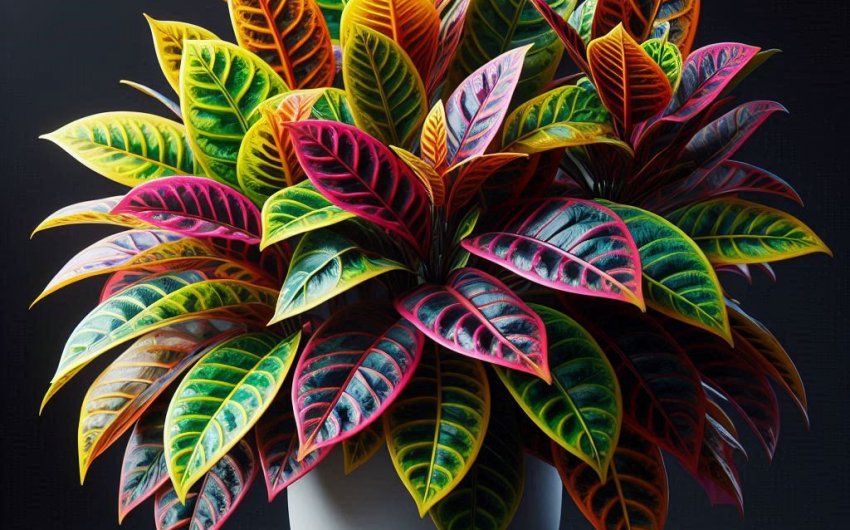
The Croton plant (Codiaeum variegatum) is truly a living work of art, celebrated for its stunning, vibrant foliage that bursts with shades of red, orange, yellow, and green. Each leaf is a unique canvas, displaying bold patterns and dramatic color shifts that can instantly brighten any indoor space. However, beneath this dazzling exterior lies a plant with a reputation for being quite particular, especially when it comes to its watering needs. Crotons are known for being sensitive, often dropping their lower leaves or losing their brilliant coloration if their environmental conditions aren't just right. Mastering the art of watering is perhaps the most critical step in keeping your Croton happy and healthy. This guide will explore the nuances of hydrating your Croton, helping you understand its signals and establish a routine that keeps its colorful leaves shining brightly.
Why Are Croton Plants So Sensitive to Watering?
Croton plants are famous for their amazing colors, but they also have a reputation for being a bit "fussy." A big part of this fussiness comes down to their watering. Understanding why they are so sensitive to water helps you take better care of them.
They Hate Change and Shock
One of the biggest reasons Croton plants drop leaves or lose color is because they don't like sudden changes. They are very sensitive to shock.
- Moving Day Shock: When you first bring a Croton home from the plant nursery or store, it's very common for it to drop some leaves. This isn't usually because you did anything wrong right away. It's often due to the change in environment – different light, different temperature, and different watering schedule from where it came from. It's like moving to a new house; it takes time to adjust.
- Watering Shock: If you let your Croton get bone-dry and then suddenly give it a huge soak, or if you consistently overwater it, this is a shock to its system. It will react by showing signs of stress.
They Need a Balance: Not Too Wet, Not Too Dry
Crotons are tropical plants, meaning they like consistently moist soil, but not soggy soil. This balance is tricky for many new plant parents.
- Too Much Water (Overwatering):
- Root Rot: This is the biggest danger. If the soil stays constantly wet, especially if the pot doesn't drain well, the roots can't breathe. They start to rot and die. Once the roots rot, the plant can't take up water or nutrients, even if the soil is wet. This leads to symptoms that often look like underwatering (wilting, drooping), which can confuse people into watering more, making the problem worse.
- Yellowing Leaves: Overwatering often causes the lower leaves to turn yellow and then fall off.
- Not Enough Water (Underwatering):
- Drooping and Wilting: When the soil gets too dry, the leaves will start to droop dramatically and look very sad.
- Leaf Drop: If the dry conditions continue, the leaves will quickly dry out, turn brown, and fall off. This often happens from the bottom up.
- Loss of Color: Chronic underwatering can also lead to the vibrant colors fading, making the leaves look dull.
Their Roots Need Oxygen
Like most plants, Croton roots need oxygen to function properly. When soil is constantly waterlogged, all the air pockets in the soil are filled with water. This cuts off the oxygen supply to the roots, suffocating them. This is why well-draining soil and a pot with good drainage holes are so important, even for a plant that likes consistent moisture.
They Are Sensitive to Water Temperature and Type
Even the water itself can matter:
- Cold Water Shock: Using very cold water straight from the tap can shock the roots, especially in winter.
- Chlorine/Minerals: While most tap water is fine, some Crotons can be sensitive to high levels of chlorine or other minerals in tap water. This might show up as brown spots or scorched edges.
Understanding these sensitivities helps you approach Croton watering with the care and consistency this beautiful plant truly needs to thrive and keep its amazing colors vibrant.
What Kind of Potting Mix and Container is Best for My Croton?
Before you even think about how much to water your Croton, you need to make sure it's in the right kind of home. The potting mix and the container play huge roles in how well your Croton can handle water.
Choosing the Right Potting Mix
A good potting mix for a Croton plant needs to be a balance: it should hold onto moisture, but also drain very well and allow air to reach the roots.
- Well-Draining: This is the most important factor. If the soil stays soggy, you'll get root rot.
- Moisture-Retentive: It also needs to hold enough water so the plant doesn't dry out too quickly, especially since Crotons like consistent moisture.
- Good Aeration: The soil needs to have enough air pockets to allow oxygen to reach the roots.
- Recommended Mixes:
- General Houseplant Potting Mix: Many high-quality all-purpose indoor potting mixes work well. Look for ones that mention good drainage. A popular choice is a Foxfarm Ocean Forest Potting Soil, which is usually rich and well-draining.
- Custom Mix: You can make your own by mixing:
- 2 parts quality potting soil
- 1 part perlite (small white, airy bits that improve drainage and aeration) like Miracle-Gro perlite
- 1 part peat moss or coco coir (these help retain moisture).
- Avoid Heavy Garden Soil: Never use soil from your garden. It's too dense for pots, compacts easily, and can introduce pests and diseases.
Choosing the Right Container
The pot itself is just as important as the soil.
- Drainage Holes are a MUST: This is non-negotiable for a Croton. Your pot must have drainage holes at the bottom. Without them, water will collect, the soil will become waterlogged, and root rot is almost guaranteed. If a decorative pot doesn't have holes, use it as a cachepot (a decorative outer pot) and keep your Croton in a plastic nursery pot with holes inside it.
- Material Matters:
- Terracotta Pots: These are often a good choice for Crotons. Terracotta is porous, meaning it allows air and moisture to pass through its walls. This helps the soil dry out a bit faster and provides good aeration for the roots. If you tend to overwater, terracotta can be a good safety net. However, you'll need to water a bit more frequently than with plastic. A Danner terracotta pot is a solid option.
- Plastic Pots: These retain moisture longer than terracotta. If you are diligent about checking soil moisture and tend to underwater, plastic can work well. Many Crotons are sold in plastic nursery pots, which you can then place inside a decorative cachepot.
- Glazed Ceramic Pots: These are similar to plastic in how they retain moisture, as the glaze makes them non-porous.
- Size:
- Not Too Big: Don't put a small Croton into a huge pot. Too large a pot means too much soil, which will hold excess moisture for too long, increasing the risk of root rot.
- Repot Gradually: Only move your Croton to a pot that's one size larger (e.g., from a 6-inch pot to an 8-inch pot) when it becomes root-bound (meaning the roots have filled the current pot, and you see them circling the bottom or coming out the drainage holes).
By ensuring your Croton plant has the proper well-draining yet moisture-retentive soil and a pot with adequate drainage, you're setting it up for success and making your watering job much easier and safer for the plant.
How Do I Know When to Water My Croton? (The Best Method)
This is the most critical question for a sensitive Croton plant. Getting the timing right is more important than sticking to a schedule like "every Monday." Crotons communicate their needs, and learning to listen to them is key.
The "Finger Test" - Your Best Friend
Forget calendars or apps for a moment. Your finger is the best tool for knowing when to water your Croton.
- Stick Your Finger In: Gently push your finger about 1 to 2 inches deep into the soil (or up to your second knuckle).
- Feel the Moisture:
- If it feels damp or moist: Wait. Don't water yet.
- If it feels dry: It's time to water! This simple test helps you understand what's actually happening in the pot, not just what a schedule tells you.
Looking for Plant Cues (What Your Croton Tells You)
Your Croton plant will give you subtle (and sometimes not-so-subtle) hints when it needs water.
- Slight Drooping: Before a full wilt, the leaves might lose a bit of their stiffness and just slightly droop. This is the ideal time to water – just before it gets stressed.
- Leaves Losing Luster: The vibrant colors might appear a little duller, and the leaves might not look as glossy.
- Light Pot: Pick up the pot. If it feels much lighter than usual, the soil is likely dry. This is a good sign that watering is needed.
Important Notes on Timing:
- Avoid Watering on a Schedule: Don't water every X number of days. The plant's water needs change with the seasons, temperature, humidity, light, and even the size of the plant and pot.
- Faster Drying: In warmer months, brighter light, lower humidity, or as the plant grows larger, the soil will dry out faster.
- Slower Drying: In cooler months, lower light, higher humidity, or after repotting, the soil will dry slower.
- Never Let It Dry Out Completely: While you wait for the top inch or two to dry, don't let the entire pot become bone-dry. This will cause stress and leaf drop.
- Avoid Constant Wetness: The soil should never be constantly soggy. The top layer should have a chance to dry out slightly before the next watering. This allows air to reach the roots.
What Time of Day to Water?
- Morning is Best: Watering in the morning is generally ideal. This gives the plant all day to absorb the water it needs before the cooler night temperatures. It also allows any excess surface moisture to evaporate during the day, which helps prevent fungal issues.
By consistently using the "finger test" and paying attention to your Croton's subtle signals, you'll develop a rhythm that perfectly matches its needs, keeping its foliage vibrant and healthy without the stress of over or underwatering.
What is the Best Way to Water My Croton Plant?
Once you've decided when to water, knowing how to water your Croton plant is just as important. The method you use can make a big difference in preventing common watering problems.
1. Water Thoroughly
When you water your Croton, don't just give it a little sip. You want to make sure the entire root ball gets completely saturated.
- Pour Slowly: Pour water slowly and evenly over the surface of the soil. Don't rush it; this allows the water to soak in rather than just run off the top.
- Water Until it Drains: Continue watering until you see water start to drain out of the drainage holes at the bottom of the pot.
- Empty the Saucer: After watering, let the pot sit for about 10-15 minutes to allow all excess water to drain out. Then, always empty the saucer (the tray under the pot). Do not let your Croton sit in standing water. This is crucial for preventing root rot.
2. Use Room Temperature Water
- Avoid Cold Water Shock: Using very cold water straight from the tap can shock the roots of your tropical Croton, especially in winter.
- Solution: Use room temperature water. You can fill a watering can and let it sit for a few hours, or use lukewarm water from the tap. A good Haws watering can can make watering easier.
3. Consider Water Quality (Optional but Beneficial)
While most tap water is fine, some Croton plants can be sensitive to chemicals like chlorine or excess minerals in tap water.
- Chlorine Evaporation: If you suspect chlorine sensitivity, you can fill your watering can and let the water sit out overnight. This allows chlorine to evaporate.
- Filtered Water/Rainwater: For optimal results, some people use filtered water or collected rainwater. This is rarely a necessity but can be a good extra step if your plant is showing signs of stress even with proper watering.
4. Bottom Watering (Less Common, But Can Be Useful)
Bottom watering means letting the plant soak up water from the bottom. This method can ensure thorough saturation without disturbing the soil surface, and it encourages strong root growth downwards.
- How to Do It:
- Place your potted Croton (which must have drainage holes) into a larger basin or sink filled with a few inches of room temperature water.
- Let the pot sit in the water for about 20-30 minutes, or until the top of the soil feels moist. The plant will absorb water through the drainage holes.
- Once the topsoil is moist, remove the pot from the basin and let any excess water drain out completely before returning it to its saucer.
- When to Use It: This is a good method if your soil has become very dry and hydrophobic (water runs right through it without soaking in), or if you want to avoid splashing water on the leaves (though this isn't usually an issue for Crotons). It's also great if you just want to take the guesswork out of how much to pour.
5. Adjust for Seasons and Environment
Your Croton's watering needs will change throughout the year.
- Summer (Active Growth): During warmer months when your plant is actively growing and receiving more light, it will need more frequent watering.
- Winter (Slower Growth/Dormancy): In cooler months, with less light, the plant's growth slows down significantly. It will need much less water. Allow the soil to dry out more between waterings during this period.
- Humidity: In very dry indoor air (especially with heating/AC running), your plant will use water faster. Conversely, higher humidity means slower water loss from leaves.
By understanding these watering techniques and adapting them to your Croton's specific environment and seasonal needs, you'll be able to provide the consistent moisture it craves without falling into the trap of overwatering, ensuring its vibrant beauty shines year-round.
How Does Humidity Affect Croton Watering, and How Can I Increase It?
Humidity plays a huge role in the health of a Croton plant, even influencing how much and how often you need to water. Crotons are tropical plants, meaning they naturally grow in places with high humidity. Our homes, especially in winter with heating, are often much drier than they'd like.
Why Humidity is Important for Crotons
- Prevents Leaf Drop: Low humidity is a major reason why Crotons drop their lower leaves or get brown, crispy edges. The leaves simply aren't getting enough moisture from the air.
- Supports Leaf Health: High humidity helps keep the leaves plump, vibrant, and glossy. It helps the plant carry out transpiration (releasing water vapor through leaves) more efficiently without drying out too quickly.
- Less Frequent Watering: When the air around your Croton is more humid, the soil will tend to dry out a bit slower, meaning you might not need to water quite as often. This doesn't mean you water less when you do, just that the interval between waterings might increase.
Signs of Low Humidity in Crotons
- Brown, Crispy Leaf Edges or Tips: This is the most common sign. The colorful edges of the leaves might start to look scorched.
- Leaf Drop (Especially Lower Leaves): While overwatering and underwatering can cause leaf drop, persistent low humidity will also lead to leaves browning and falling off.
- Dull or Faded Colors: The vibrant colors might appear muted or less intense.
- Spider Mites: These tiny pests absolutely love dry conditions. If you consistently find spider mites on your Croton, it's a strong sign the humidity is too low.
How to Increase Humidity Around Your Croton
There are several ways to boost the moisture in the air around your Croton plant:
- Misting:
- Method: Use a fine misting bottle like a House Plant Mister to mist the leaves of your Croton once or twice a day, especially in the morning.
- Pros: It provides a quick, immediate boost of humidity.
- Cons: The effect is temporary. It only lasts for a short while as the water evaporates. It needs to be done regularly to make a real difference.
- Pebble Tray:
- Method: Fill a shallow tray or saucer with a layer of pebbles. Add water to the tray, making sure the water level is below the top of the pebbles. Place your potted Croton on top of the pebbles. As the water evaporates from the tray, it creates a localized zone of higher humidity around the plant.
- Pros: Provides a more consistent humidity boost than misting alone.
- Cons: You need to refill the water in the tray regularly.
- Humidifier:
- Method: Place a room humidifier near your Croton (or in the room where it lives).
- Pros: This is the most effective way to consistently raise the overall humidity in a room, benefiting not just your Croton but other humidity-loving plants and even you! You can find a good Levoit humidifier.
- Cons: Requires a device and regular refilling.
- Group Plants Together:
- Method: Place your Croton close to other houseplants. As plants release moisture through their leaves (transpiration), grouping them together creates a mini-microclimate with naturally higher humidity.
- Pros: Simple and effective.
- Cons: Requires having other plants.
- Location in the Home:
- Method: Place your Croton in naturally more humid rooms, like a bathroom (if it gets enough light) or a kitchen.
- Pros: Uses existing environmental humidity.
- Cons: Limited by light availability in these rooms.
By understanding and addressing your Croton's need for humidity, you'll greatly improve its overall health, reduce leaf problems, and keep those stunning colors looking their best. It's an essential part of managing its sensitive watering requirements.
What Are the Signs of Overwatering vs. Underwatering in a Croton?
Knowing the difference between overwatering and underwatering is crucial for a sensitive Croton plant. The signs can sometimes look similar, which can be confusing. However, there are key differences that will help you diagnose the problem and fix it before it's too late.
Signs of Overwatering (Too Much Water)
Overwatering is generally more dangerous for a Croton than underwatering, as it can lead to root rot, which is often fatal if not caught early.
- Drooping, Limp Leaves (often accompanied by yellowing): This is a confusing one because underwatering also causes drooping. However, with overwatering, the leaves will feel soft, limp, and squishy to the touch, and often appear yellow, especially on the lower parts of the plant. They won't perk up after watering.
- Yellowing Leaves (especially lower leaves): The lower leaves turn yellow and may fall off. This is a very common sign of overwatering.
- Soft, Mushy Stem Base: If the base of the stem feels soft and mushy when you squeeze it, this is a severe sign of root rot and is often irreversible.
- Foul Odor from Soil: The soil might have a stagnant or rotten smell if root rot is occurring.
- Standing Water in Saucer: You might consistently find water sitting in the saucer beneath the pot, indicating poor drainage or that you're watering too frequently.
- Edema: Small bumps or blisters can form on the leaves, which can then burst and turn rusty brown. This happens when the roots take up more water than the leaves can transpire.
- Mold on Soil Surface: Green or white fuzzy mold might appear on the top of the soil if it's constantly wet.
What to do if overwatered:
- Stop Watering: Do not water again until the soil has dried out significantly (top 2-3 inches).
- Improve Drainage/Aeration: If the soil is very dense, you might need to repot into a better-draining mix.
- Check Roots (if severe): Gently remove the plant from its pot. If you see brown, mushy, smelly roots, prune them off with clean scissors. Repot into fresh, well-draining soil. This is often a last resort and may not save the plant if the rot is extensive.
Signs of Underwatering (Not Enough Water)
Underwatering is usually less immediately fatal than overwatering, as Crotons are pretty good at showing dramatic signs before they completely give up.
- Dramatic Drooping and Wilting: The leaves will visibly sag and droop, looking very sad and deflated. They might curl inwards. This is the most obvious sign.
- Crispy, Dry Leaves (starting from bottom): If left underwatered, the leaves will quickly turn crispy, brittle, and brown, often starting from the lower leaves and edges, and then fall off.
- Faded Color/Dull Appearance: The vibrant colors might become muted, and the leaves lose their glossy sheen.
- Dry, Compacted Soil: The soil will pull away from the sides of the pot, feel bone dry to the touch, and the pot will feel very light.
What to do if underwatered:
- Water Thoroughly: Give the plant a good, slow, thorough watering until water drains from the bottom.
- Check for Perk Up: The leaves should start to perk up within a few hours to a day. If they don't, the damage might be more severe, or there's another underlying issue (like root rot, if you were previously overwatering).
- Adjust Routine: Start checking the soil more frequently (using the finger test) and water when the top 1-2 inches are dry. Consider increasing humidity if the air is very dry.
The Overlap and Confusion
The confusion often comes because both overwatering and severe underwatering can cause drooping and leaf drop. The key is to feel the soil and observe the texture of the leaves (limp and soft vs. crispy and dry) to tell the difference.
By carefully observing your Croton plant and combining that observation with a consistent "finger test" of the soil, you'll become an expert at understanding its sensitive watering needs and keep its colors shining brightly.
What Are Other Environmental Factors That Affect Croton Watering Needs?
Watering a Croton plant isn't just about the soil and the pot; it's also heavily influenced by its surroundings. Various environmental factors play a big role in how quickly your Croton uses water and therefore how often you need to water it.
1. Light Intensity
- More Light = More Water: The brighter the light your Croton receives, the more actively it will photosynthesize (make food). This process involves opening pores on its leaves (stomata) to take in carbon dioxide, and in doing so, it releases water vapor. This is called transpiration. More light means more transpiration, leading to faster water use by the plant.
- Less Light = Less Water: If your Croton is in a lower light spot, it will transpire less, use less water, and the soil will stay wet for longer.
- Impact on Watering: A Croton in a bright, south-facing window will need water much more frequently than one in a medium-light, east-facing window. Always adjust your watering frequency based on the light it receives.
2. Temperature
- Warmth = More Water: Just like with light, higher temperatures increase a Croton's metabolism and transpiration rate. The plant will "drink" more water to keep itself cool and functioning.
- Cooler Temperatures = Less Water: In cooler environments (especially during winter), the plant's growth slows down, and its water needs decrease significantly. Watering too much in cool conditions is a fast track to root rot.
- Impact on Watering: A Croton next to a heating vent in winter, or outdoors in summer, will dry out faster than one in a stable, temperate room. Be mindful of seasonal temperature shifts.
3. Humidity Levels
- Low Humidity = More Water (Faster Drying Soil/Plant Stress): As discussed, Crotons love high humidity. In dry air, the plant loses water from its leaves very quickly through transpiration. To compensate, it tries to pull more water from the soil, leading to the soil drying out faster. If the air is too dry, the plant can't pull water fast enough from the roots, leading to brown leaf tips and leaf drop.
- High Humidity = Less Water (Slower Drying Soil): In very humid conditions, the air is already saturated with moisture, so the plant doesn't lose as much water through its leaves. This means the soil will stay moist for longer.
- Impact on Watering: If you have a humidifier running, you might water less often. If your home is very dry (common in winter with heating), you'll need to water more frequently and likely deal with brown tips.
4. Airflow and Air Circulation
- Good Airflow = Faster Drying Soil: A gentle breeze or good air circulation around your Croton can help evaporate moisture from the soil surface and from the leaves, leading to the soil drying out more quickly.
- Stagnant Air = Slower Drying Soil/Pest Issues: In a very still, stagnant environment, the soil surface will dry out slower, and the plant is also more prone to fungal issues and certain pests like spider mites (who love dry, stagnant air).
- Impact on Watering: Don't put your Croton directly in front of a drafty window or a strong fan, but ensure the room isn't completely stale.
5. Pot Size and Material (Revisited)
While covered in a previous section, these also constantly influence watering needs:
- Pot Size: A small plant in a huge pot will have soil that stays wet for a very long time. A large plant in a small pot will dry out extremely fast.
- Pot Material: As noted, terracotta pots dry out faster than plastic or glazed ceramic pots.
By taking into account these various environmental factors, you can fine-tune your Croton's watering schedule beyond just the "finger test." It's about becoming a detective, observing your plant and its surroundings, and adjusting your care to meet its ever-changing needs for moisture. This holistic approach is key to keeping your sensitive Croton truly happy and vibrant.