
How Do I Grow Heirloom Tomatoes in a Small Garden?
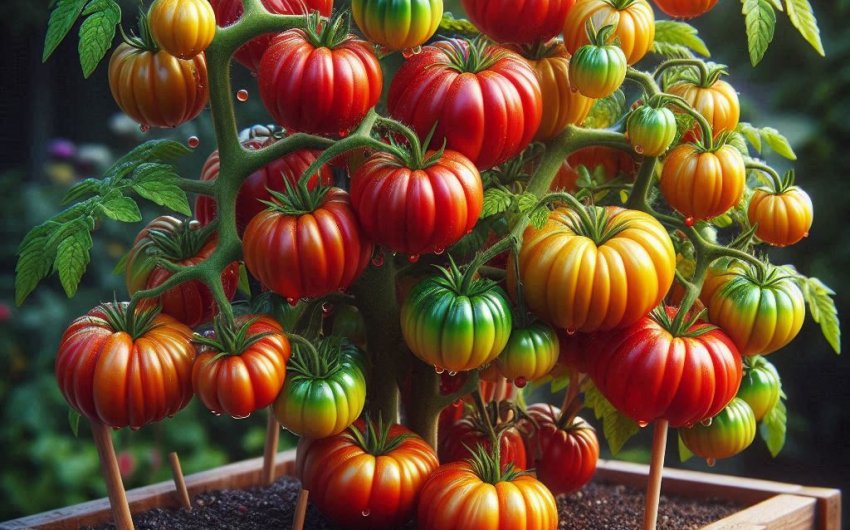
There’s nothing quite like the taste of a truly ripe, juicy heirloom tomato straight from the garden. These aren't your average supermarket tomatoes; they come in a dazzling array of colors, shapes, and flavors, each with its own unique story. Growing them is a joy, a connection to gardening history, and a culinary delight. But if you have a small garden, you might wonder if you even have enough space to grow these sometimes sprawling plants. The good news is, you absolutely can!
Growing heirloom tomatoes in a limited space is totally possible with a bit of smart planning and a few clever tricks. It's about maximizing your vertical space, choosing the right varieties, and giving your plants the focused care they need. You don't need acres to enjoy the incredible diversity and flavor of these special tomatoes. We'll show you how to turn your compact garden into a productive patch, brimming with a delicious harvest of your very own heirloom tomatoes.
What are Heirloom Tomatoes and Why Grow Them?
Heirloom tomatoes are special. They are different from the common hybrid tomatoes you often see at the grocery store. Understanding what makes them unique will show you why so many gardeners love them.
What Defines an Heirloom Tomato?
An heirloom tomato is generally defined by a few key characteristics:
- Open-Pollinated: This means they are pollinated naturally by insects, wind, or self-pollination, without human intervention in crossing different varieties. Because of this, the seeds saved from an heirloom tomato will grow true to type, producing plants and fruits identical to the parent plant. This is why you can save seeds from heirlooms!
- Generational History: To be considered a true heirloom, a variety must have a long history of being passed down through generations, typically for at least 50 years, often much longer. They might be cherished family varieties.
- Unique Characteristics: Unlike many modern hybrids that are bred for uniform size, long shelf life, and disease resistance, heirlooms are prized for:
- Incredible Flavor: This is their biggest selling point. Heirlooms offer a complex, rich, and often intensely "tomatoey" flavor that hybrids often lack.
- Diverse Appearance: They come in a rainbow of colors (red, pink, orange, yellow, green, purple, striped, black), shapes (round, pear, oxheart, ruffled), and sizes (cherry to giant beefsteaks).
- Varied Textures: Some are meaty, some are juicy, some are creamy.
How are Heirlooms Different from Hybrid Tomatoes?
- Hybrids: Created by carefully cross-pollinating two different parent varieties to get specific desired traits (e.g., disease resistance, uniform size, longer shelf life, ability to ripen off the vine for shipping). Seeds saved from hybrids usually won't grow true to type (they revert to parent characteristics).
- Heirlooms: Valued for their flavor and unique traits, passed down through generations. Seeds can be saved. Often more susceptible to diseases and cracking, and don't ship well, which is why they are less common in supermarkets.
Why Grow Heirloom Tomatoes in Your Small Garden?
- Unbeatable Flavor: This is the primary reason. The taste difference is truly astounding and makes all the effort worthwhile.
- Unique Beauty: The vast array of colors and shapes makes for a visually stunning harvest and vibrant culinary creations.
- Preservation: By growing heirlooms, you're helping to preserve genetic diversity and historical plant varieties that might otherwise disappear.
- Seed Saving: You can save seeds from your best fruits to grow again next year, becoming more self-sufficient and creating your own "family heirloom."
- Gardening Joy: There's a special connection to gardening history and a deep satisfaction that comes from nurturing these special plants.
Even with a small garden, the rewards of growing heirloom tomatoes are immense, bringing a delightful burst of flavor and history right to your plate.
How Do You Choose the Right Heirloom Varieties for a Small Garden?
Not all heirloom tomatoes are created equal, especially when you're working with a small garden. Making smart choices about variety types and sizes will dramatically impact your success and yield.
What are Determinate vs. Indeterminate Tomatoes?
This is the most crucial distinction for small spaces.
- Indeterminate Tomatoes:
- Growth Habit: These grow like a vine, continuously producing new leaves, stems, and flowers throughout the entire growing season until frost kills them. They can get very, very tall and sprawling (6-10 feet or more!).
- Harvest: Produce fruit over a long period.
- Best for Small Gardens (with Support): While they get large, their continuous production and ability to grow vertically makes them excellent for small spaces if you provide strong support and prune them. Many popular heirlooms are indeterminate.
- Determinate Tomatoes:
- Growth Habit: These grow to a specific height (usually 3-5 feet) and then stop growing. They flower and fruit over a shorter, more concentrated period.
- Harvest: Produce most of their fruit at once, making them good for canning or processing.
- Best for Small Gardens (Bushy): Better for gardeners who prefer a bushier, more compact plant that doesn't require as much aggressive pruning. Good for containers.
For a small garden, you can choose either type, but understand their growth habits. Indeterminates will need consistent pruning and very strong support.
What are the Best Heirloom Types for Small Gardens?
Focus on varieties that are known to be productive, or that come in more manageable sizes.
- Cherry Heirlooms: These are usually very productive, regardless of space. They are often indeterminate but easily trellised.
- 'Black Cherry': Rich, dark, sweet, and prolific.
- 'Isis Candy': Beautiful yellow-orange streaked with red, sweet.
- 'Yellow Pear': Small, pear-shaped yellow fruits, very prolific.
- Smaller Slicer/Saladette Heirlooms: Look for varieties that produce medium-sized fruits rather than giant beefsteaks.
- 'Homestead': A reliable red determinate slicer, good for canning.
- 'Marmande': A French heirloom, medium-sized, often with ribbed shoulders, good flavor. Can be semi-determinate.
- 'Celebrity': (Often a hybrid, but some heirlooms have similar growth habits) A good example of a productive determinate bush type.
- Compact or Bush Heirlooms: While most heirlooms are indeterminate, some are naturally more compact. Look for varieties described as "bush," "dwarf," or "container-friendly."
- 'Patio': (Often a hybrid, but illustrates the growth habit) A very compact determinate bush.
- 'Roma' Heirloom types: Many paste tomatoes are determinate and more compact. Look for open-pollinated Roma varieties.
- Dwarf Tomato Project varieties: These are a specialized group of true heirlooms bred to have a compact, "dwarf" growth habit while producing large, flavorful fruits. They are perfect for small spaces! Search for specific varieties like 'Dwarf Arctic Rose', 'Dwarf Emerald Giant', or 'Dwarf Blazing Beauty'. These are truly excellent for small gardens.
Important Considerations for Flavor:
Beyond size, read descriptions carefully to find flavors you like.
- Sweet: 'Black Cherry', 'Sungold' (hybrid but excellent flavor model), 'Gold Medal'.
- Bold/Complex: 'Brandywine' (pink or Sudduth's Strain), 'Cherokee Purple', 'Black Krim'.
- Acidic/Tangy: Some old-fashioned reds.
By carefully selecting your heirloom tomato varieties, you can ensure they fit your small garden space while still delivering that incredible, unique flavor.
How Do You Prepare the Best Site for Heirloom Tomatoes in a Small Garden?
Even in a small garden, giving your heirloom tomatoes the best possible growing conditions is crucial. They are hungry plants that need lots of sun and good soil to produce those amazing fruits.
How Much Sun Do Heirloom Tomatoes Need?
- Full Sun is Non-Negotiable: Heirloom tomatoes need at least 6-8 hours of direct sunlight per day to thrive and produce fruit. More sun is almost always better.
- Finding the Spot: Observe your garden throughout the day. A south-facing wall or area that isn't shaded by trees or buildings for most of the day is ideal. If you have limited full-sun spots, prioritize tomatoes there.
What Kind of Soil Do Heirloom Tomatoes Prefer?
- Rich and Well-Draining: Heirloom tomatoes are heavy feeders and need nutrient-rich soil that also drains well. They hate "wet feet," which can lead to root rot.
- Ideal Soil Mix:
- In-Ground Beds: Amend your existing garden soil generously with compost. Dig in a 3-6 inch layer of Organic Compost or well-rotted manure into the top 8-12 inches of soil. This improves drainage, adds nutrients, and boosts soil life.
- Raised Beds / Containers: Fill your raised beds or large containers with a high-quality potting mix designed for vegetables, or create your own blend: 60% good quality topsoil/potting mix, 30% compost, and 10% Perlite or Vermiculite for drainage.
- Soil pH: Tomatoes prefer slightly acidic to neutral soil, with a pH between 6.0 and 6.8. You can get a Soil Test Kit to check your soil's pH and nutrient levels, which will also provide specific amendment recommendations.
What About Using Raised Beds or Containers?
These are excellent options for a small garden or if your native soil isn't ideal.
- Raised Beds: Offer excellent drainage, controlled soil composition, and they warm up faster in spring. They also define your garden space nicely. Choose a Raised Garden Bed Kit that is at least 12-18 inches deep for tomatoes.
- Containers: A great solution for very small spaces like patios or balconies.
- Size: The bigger the pot, the better for heirloom tomatoes. Aim for at least a 15-20 gallon pot (or larger, up to 25 gallons, for indeterminate beefsteaks). Smaller pots will stunt growth and require constant watering.
- Drainage: Ensure containers have plenty of drainage holes.
- Material: Plastic, fabric grow bags (Fabric Grow Bags are great for air pruning roots), or half whiskey barrels work well. Terracotta can dry out too quickly.
By creating the optimal sunny spot with rich, well-draining soil, you're giving your heirloom tomatoes the best chance to flourish, even in a compact small garden.
How Do You Plant Heirloom Tomatoes in a Small Garden?
Proper planting techniques give your heirloom tomatoes a strong foundation. For a small garden, where every plant counts, getting this right is crucial.
When is the Best Time to Plant?
- Warm Soil is Key: Heirloom tomatoes are warm-season plants. Do not plant them until all danger of frost has passed in your area and the soil temperature is consistently at least 60°F (15°C). Planting too early in cold soil will stunt their growth and make them more susceptible to disease.
- Acclimatize (Harden Off) Transplants: If you bought starter plants or grew them from seed indoors, they need to be gradually introduced to outdoor conditions before planting. This process, called hardening off, takes about 7-10 days. Slowly expose them to more sun, wind, and cooler temperatures each day before planting them permanently.
How to Plant Tomato Seedlings Correctly?
Tomatoes are unique because they can grow roots along their stems. This is a huge advantage, especially for indeterminate varieties, as it creates a stronger root system.
- Prepare the Hole: Dig a deep hole. For small plants, it should be twice as deep as the root ball. For larger, leggy transplants, it might be 8-12 inches deep or even more.
- Remove Lower Leaves: Gently pinch or snip off the lowest sets of leaves from your tomato seedling, leaving at least 2-3 sets of leaves at the top.
- Bury Deep: Place the tomato seedling in the hole so that the stem is buried deep, up to the remaining lower leaves. All the buried stem will grow new roots. This creates a stronger, more stable plant.
- Backfill and Tamp: Fill the hole with your amended soil. Gently pat the soil around the base of the plant to remove air pockets.
- Water Thoroughly: Water deeply immediately after planting. This helps settle the soil around the roots.
- Install Support: Crucially, install your chosen support system (stake, cage, trellis) at the time of planting, or within a few days. Waiting until the plant is large can damage the roots.
What About Spacing for Small Gardens?
While many guides suggest wide spacing, for intensive gardening in a small garden, you can plant tomatoes a bit closer, but you must provide aggressive support and prune.
- Standard Spacing (for Bushy): 2-3 feet apart for determinate varieties.
- Intensive Spacing (with Pruning/Support): For indeterminate varieties, you can plant them as close as 1.5 to 2 feet apart if you are committed to single-stem pruning and have strong vertical support. This maximizes plants per square foot.
What Kind of Support is Best?
Heirloom tomatoes, especially indeterminate varieties, need strong support from day one. Do not rely on flimsy cages!
- Tall, Sturdy Cages: Use heavy-duty, tall (at least 5-6 feet) tomato cages. A good choice is a Heavy Duty Tomato Cage.
- Staking: Use strong stakes (metal rebar, thick wooden stakes) at least 6-8 feet tall. As the plant grows, tie the main stem loosely to the stake with soft material (like strips of old cloth or Plant Ties).
- Trellising: For very efficient vertical growth in a small garden, use a trellis system (like an A-frame or strong wire mesh) that the vines can climb. This is often best for indeterminate vining types.
Proper planting with deep burial and immediate, strong support will set your heirloom tomatoes on the path to a bountiful harvest, even when space is limited.
How Do You Care for Heirloom Tomatoes in a Small Garden?
Caring for heirloom tomatoes in a small garden focuses on consistent watering, smart feeding, and crucial pruning to manage their growth and maximize fruit production.
What are the Watering Needs?
- Consistency is Key: Heirloom tomatoes need consistent moisture, especially once they start flowering and setting fruit. Irregular watering is a major cause of blossom end rot and fruit cracking.
- Deep Watering: Water deeply and slowly at the base of the plant. Aim for about 1 inch of water per week (from rain or irrigation), but adjust based on heat and plant size. Deep watering encourages deep root growth.
- Check Soil Moisture: Stick your finger 2-3 inches into the soil. If it feels dry, it's time to water.
- Morning is Best: Water in the early morning to allow foliage to dry before nightfall, reducing fungal diseases.
- Mulch: Apply a 2-4 inch layer of organic mulch (straw, shredded leaves, compost) around the base of your plants. This suppresses weeds, conserves moisture (reducing watering needs), and keeps soil temperatures consistent. A bale of Straw Mulch is inexpensive and effective.
How Do You Fertilize for Best Fruit Production?
Heirloom tomatoes are heavy feeders. They need nutrients throughout their life cycle.
- Initial Boost: At planting, or shortly after, you can use a balanced Tomato Fertilizer (often labeled as a "starter" or "bloom" formula, with lower N and higher P & K).
- Mid-Season Feeding: Once the plant starts to set fruit, switch to a fertilizer lower in nitrogen and higher in phosphorus and potassium (e.g., 5-10-10 or 3-4-6). Apply every 3-4 weeks for heavy feeders.
- Organic Options: Top-dress with compost and/or worm castings regularly. You can also use liquid Fish Emulsion (balanced) or liquid Kelp Meal (for micronutrients) as a weekly or bi-weekly boost.
- Calcium for Blossom End Rot: If you've had blossom end rot (a dark, sunken spot on the bottom of the fruit) in the past, it's often due to inconsistent watering or a calcium deficiency. You can add a source of calcium like bone meal to the soil, or use a liquid calcium spray (e.g., Blossom End Rot Spray) to foliage. Consistent watering is usually the primary fix.
What is Pruning and Why is it Important for Small Gardens?
Pruning is crucial for indeterminate heirloom tomatoes in a small garden. It helps manage their size and directs energy into fruit production.
- Identifying Suckers: Suckers are small shoots that grow in the "armpit" (the crotch) between the main stem and a leaf branch.
- Single-Stem Pruning: For maximum space efficiency and earlier fruit, prune indeterminate tomatoes to a single main stem. Pinch off all suckers when they are small (under 4 inches). This means you'll be checking your plants every few days.
- Benefits: Improves air circulation (reducing disease), directs energy to the main stem and fruit, results in fewer but larger fruits that ripen earlier.
- Determinate Varieties: Generally, don't prune determinate varieties, as it reduces their overall yield. Just let them bush out naturally.
How to Monitor for Pests and Diseases?
Heirloom tomatoes can be more susceptible to common tomato diseases.
- Regular Inspections: Check your plants daily for any signs of pests (hornworms, aphids, whiteflies) or diseases (leaf spots, wilting).
- Good Air Circulation: Essential. This is another benefit of pruning and good spacing.
- Organic Control: For hornworms, hand-pick them. For aphids or whiteflies, a strong spray of water or Insecticidal Soap can help.
- Disease Management: Remove and destroy any diseased leaves promptly. Good sanitation (cleaning tools, removing plant debris) helps.
Consistent, attentive care is the secret to getting a bountiful and delicious harvest of heirloom tomatoes from your small garden.
How to Maximize Harvests and Enjoy Your Heirloom Tomatoes?
After all your hard work caring for your heirloom tomatoes in your small garden, the best part is the harvest! Knowing when and how to pick them, and how to enjoy them, makes it all worthwhile.
When is the Best Time to Harvest Heirloom Tomatoes?
- Color is Key: Most heirloom tomatoes are ready when they reach their full, rich color (red, orange, yellow, purple, black, or stripes, depending on the variety).
- Slight Give: Gently squeeze the tomato. It should feel slightly soft, but still firm, to the touch. If it's rock hard, it's not ready. If it's mushy, it's overripe.
- Taste Test: When in doubt, pick one and taste it! That's the ultimate test of ripeness and flavor.
- Don't Rush: Unlike supermarket tomatoes, heirlooms are best ripened on the vine. Don't pick them green unless frost is coming.
- How to Pick: Gently twist the tomato from the vine. If it doesn't detach easily, use Garden Snips to cut the stem just above the fruit, leaving the calyx (the green leafy part) attached. This helps them store slightly better.
What is Successive Planting for Small Gardens?
Even with heirloom tomatoes, which are long-season plants, you can use a form of successive planting to maximize your harvest.
- Staggered Planting: Instead of planting all your tomato plants on the same day, plant a few early, and then a few more 2-3 weeks later. This might slightly extend your harvest window.
- Warm Climate Advantage: This works best in warmer climates with very long growing seasons. In shorter seasons, you want all plants to get started early.
- Intercropping: Consider planting fast-growing, smaller crops like radishes or leafy greens between your still-small tomato plants. These can be harvested before the tomatoes get too big and shade them out.
How to Enjoy Your Heirloom Tomatoes?
This is the delicious reward! Heirloom tomatoes are best enjoyed fresh.
- Simply Sliced: A thick slice of a perfectly ripe heirloom with a sprinkle of sea salt and a drizzle of good olive oil is heaven.
- Tomato Sandwiches: The ultimate summer treat.
- Salads: Add color and intense flavor to any salad. A simple caprese salad (tomatoes, fresh mozzarella, basil) is elevated with heirlooms.
- Salsa: Use a mix of colors and types for a vibrant, flavorful salsa.
- Sauces: While often eaten fresh, overripe heirlooms can be cooked down into amazing sauces or soups.
- Freezing: If you have an abundance, simply wash, core, and then freeze whole or chopped. The skins slip off easily after thawing, and they are ready for sauces or soups.
What About Saving Seeds?
One of the great joys of growing heirloom tomatoes is saving their seeds for next year's crop.
- Choose the Best: Select fruits from your healthiest, most productive plants that have the best flavor and meet the variety's typical characteristics.
- Fermentation (Recommended for Tomatoes): Scoop out the seeds and the gel surrounding them into a jar. Add a little water. Cover the jar with cheesecloth and let it sit at room temperature for 3-5 days. A layer of mold might form on top – this is normal and desirable, as it breaks down the gel that inhibits germination.
- Rinse and Dry: Once the mold forms (or after a few days), pour off the moldy layer and rinse the seeds thoroughly under running water. Use a strainer to catch them.
- Dry Completely: Spread the clean seeds in a single layer on a non-stick surface (a ceramic plate, glass, or paper plate – not paper towel as they will stick). Allow them to dry completely for 1-2 weeks in a cool, dry place. They should be brittle when dry.
- Store: Store completely dry seeds in an airtight container (like a Small Airtight Container or glass jar) in a cool, dark, dry place (a refrigerator is ideal for long-term storage). Label with the variety and date.
With careful planning and attentive care, your small garden can become a hub of incredible flavor, offering the rich and rewarding experience of growing your own heirloom tomatoes year after year.