
10 Acre Farm Layout: Designing Your Ideal Agricultural Space
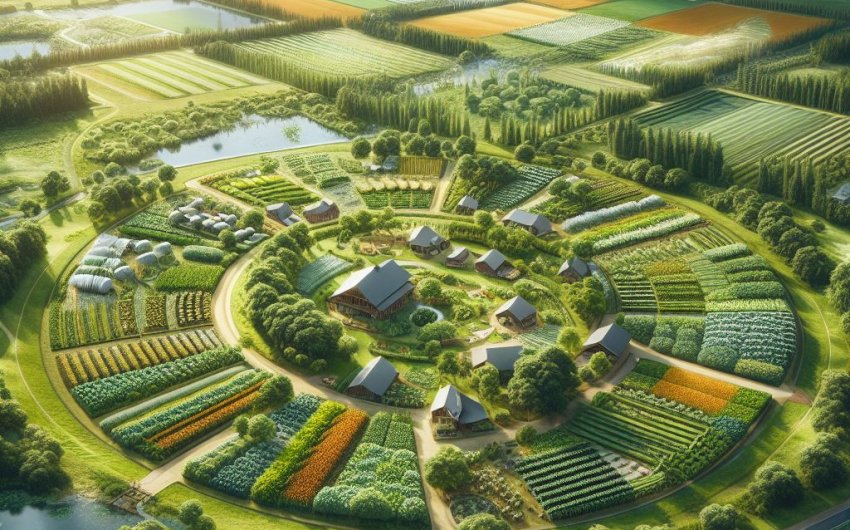
Designing the perfect 10 acre farm layout requires careful planning to maximize land use, ensure efficient workflow, and maintain sustainability. Whether you’re starting a small-scale homestead, a commercial farming operation, or a mixed-use farm with crops and livestock, organizing your land properly will determine the success and productivity of your farm.
In this guide, we’ll explore how to design a 10 acre farm layout that suits various types of farming, including crop farming, livestock rearing, and permaculture. Each farm is unique, so your layout will depend on your goals, climate, and available resources.
Understanding the Basics of Farm Layout Design
A successful farm layout balances several key factors: land use, crop rotation, livestock management, and access to water and infrastructure. When planning a 10 acre farm, it’s important to divide the land into functional zones that serve specific purposes. Proper zoning ensures that your farm remains productive while minimizing the need for frequent relocation of equipment or livestock.
Key Considerations for Your 10 Acre Farm Layout:
- Climate and soil: Understanding your local climate and soil composition will help you decide what crops to grow and how to design your farm.
- Access to water: Farm success depends on water availability. Ensure you have access to a reliable water source like a well, pond, or municipal supply.
- Topography: Land slope and natural drainage patterns should guide your placement of buildings, livestock areas, and croplands to prevent erosion and flooding.
- Infrastructure: Incorporating essential structures like barns, sheds, and greenhouses in the right areas ensures efficient access and management.
Equip your farm with high-quality farm tools for maintaining land and crops efficiently.
Zoning Your Farm for Maximum Efficiency
Zoning is the process of dividing your farm into different sections based on how you plan to use the land. On a 10 acre farm, you’ll likely have multiple zones for crop production, livestock management, buildings, and even recreational areas. Careful zoning will make daily operations more efficient and help you scale your farm sustainably.
1. Crop Zone
The crop zone is the heart of any farming operation. Depending on your goals, this zone could include fields for growing vegetables, grains, or fruit trees. On a 10 acre farm, it’s essential to allocate enough space for crop rotation to maintain soil health and prevent nutrient depletion.
Key considerations for your crop zone:
- Rotation and diversity: Growing a variety of crops and rotating them across different fields helps maintain soil fertility and prevents pest build-up.
- Irrigation: Ensure your crop fields are close to a water source for easy irrigation. Drip systems or sprinklers can be installed to efficiently water crops.
- Greenhouses: You may want to include space for one or more greenhouses to extend your growing season, particularly in colder climates.
Invest in durable irrigation systems for your crop fields to ensure consistent water supply.
2. Livestock Zone
If you plan to raise livestock on your 10 acre farm, you’ll need to designate a zone for grazing, shelter, and feed storage. Common types of livestock include cattle, sheep, goats, poultry, and pigs. The layout of your livestock zone should prioritize easy access to water, food, and shelter.
Key components of your livestock zone:
- Pasture rotation: Divide your land into smaller pastures for rotational grazing. This prevents overgrazing and allows grass to recover.
- Shelters: Construct barns or smaller animal shelters for protection from harsh weather. Ensure these structures are well-ventilated and secure from predators.
- Fencing: Proper fencing is essential for keeping livestock safe and preventing them from wandering into crop zones or other areas of the farm.
Use strong, reliable livestock fencing to protect your animals and maintain boundaries on your farm.
3. Infrastructure Zone
The infrastructure zone is where you’ll place your farm buildings, including storage for equipment, machinery, and feed, as well as your workshops or processing areas. It’s important to locate these structures in a central area for easy access from both crop and livestock zones.
Key features of your infrastructure zone:
- Barns and storage: Allocate space for storing farm equipment, tools, and harvested crops. A well-organized barn or shed makes farm management easier.
- Workshops: If your farm requires repair and maintenance work, set up a dedicated workshop area with space for tools and machinery.
- Processing areas: If you plan to process crops, such as making honey or dairy products, create a clean, separate space to handle these activities.
Outfit your farm with sturdy barn storage solutions for efficient organization and protection of supplies.
4. Water Management Zone
A water management zone is vital for both crop and livestock farming. You need to ensure that all zones on your 10 acre farm have access to water, whether it’s for irrigation, drinking, or cleaning. Consider building a pond or rainwater harvesting system to collect and store water for dry seasons.
Features of the water management zone:
- Ponds: Ponds serve as water sources for livestock and irrigation. They can also support biodiversity by attracting wildlife.
- Irrigation: Install drip irrigation systems or sprinklers to distribute water across your crop fields efficiently.
- Rain barrels: Set up rain barrels or rainwater collection tanks near your buildings to capture water from rooftops for reuse in gardening or watering livestock.
Install effective rainwater collection systems to manage water supply on your farm.
5. Farmhouse and Living Space
Your farmhouse or living space should be conveniently located near the central areas of the farm for easy monitoring and management of farm activities. However, it’s also important to ensure some privacy and tranquility by creating separation from busier zones.
Considerations for the farmhouse zone:
- Proximity to water and electricity: Ensure your farmhouse is close to essential utilities like water and power for both comfort and efficiency.
- Privacy: Strategically place hedges, trees, or fences to create a private space while still maintaining visibility over the farm’s key areas.
- Recreation areas: Consider including a garden, patio, or outdoor dining area near the house to enjoy the natural beauty of your surroundings.
Enhance your living space with outdoor garden furniture for relaxing and entertaining on your farm.
Farm Layout for Crop Farming on 10 Acres
If your primary focus is crop farming, your 10 acre farm layout will need to accommodate fields of varying sizes, depending on the crops you intend to grow. On a 10 acre farm, you can grow a diverse range of crops such as vegetables, grains, and fruits.
1. Vegetable Crops
For a vegetable-focused farm, allocate about 3-4 acres to growing seasonal vegetables like tomatoes, carrots, lettuce, and squash. You’ll need well-draining soil, access to irrigation, and space for crop rotation to ensure long-term soil health.
Tips for a vegetable farm layout:
- Raised beds: If the soil quality is poor, consider using raised beds for growing vegetables. This helps with drainage and makes maintenance easier.
- Crop rotation: Practice rotating crops in different fields each year to avoid soil depletion and reduce pest pressure.
- Greenhouse space: Reserve space for a greenhouse or hoop house to extend the growing season and start seedlings early.
Grow healthy vegetables with premium raised garden beds for better soil control and yield.
2. Fruit Trees and Orchards
A small orchard of fruit trees can occupy about 1-2 acres of your 10 acre farm layout. Popular fruit trees include apples, pears, plums, and cherries. Keep in mind that fruit trees require regular maintenance, including pruning and pest control.
Key features of an orchard layout:
- Tree spacing: Space your fruit trees appropriately to ensure they have enough room to grow and receive adequate sunlight. A typical distance is 15-25 feet between trees.
- Drip irrigation: Install drip irrigation to efficiently water your orchard without wasting water.
- Pollination: Consider planting a variety of fruit trees to encourage cross-pollination, which boosts fruit production.
Use specialized tree pruners to maintain your orchard and promote healthy growth.
3. Grain and Forage Crops
Forage crops like alfalfa, hay, and grains such as corn or wheat are essential if you plan to raise livestock or want to diversify your farm’s output. You can designate 2-3 acres for these crops, rotating them annually to maintain soil health.
Grain crop layout tips:
- Field rotation: Rotate forage crops and grains between fields to maintain nutrient levels and prevent disease.
- Irrigation and drainage: Ensure that grain crops have proper drainage to avoid waterlogged soil, which can hinder growth.
- Storage: Consider building a silo or grain bin for storing harvested grains and animal feed.
Store harvested grain safely with high-capacity grain bins for long-term use.
Farm Layout for Livestock on 10 Acres
If livestock farming is your primary focus, a 10 acre farm provides ample space for raising a variety of animals, from chickens and pigs to larger animals like cattle and sheep. You’ll need to ensure proper pasture management and infrastructure for housing, feeding, and watering your animals.
1. Cattle and Sheep
For cattle or sheep, allocate 4-5 acres for grazing pastures. Divide these into smaller paddocks for rotational grazing, which allows pastures to recover while keeping your animals fed.
Livestock layout essentials:
- Shelters: Build shelters or barns that can house your animals during extreme weather conditions. These structures should be located close to water and feed storage areas.
- Fencing: Use durable electric fencing or traditional wire fencing to keep animals contained and protect them from predators.
Invest in sturdy electric fencing to safely contain your livestock.
2. Poultry Farming
If you plan to raise poultry such as chickens, turkeys, or ducks, dedicate a smaller area of about 1 acre for housing and foraging. Chicken coops should be secure from predators and provide plenty of ventilation.
Poultry farm layout tips:
- Mobile coops: Consider using mobile chicken coops (also called chicken tractors) to rotate grazing areas and reduce the build-up of parasites.
- Nesting boxes: Ensure each coop has sufficient nesting boxes for egg production. Each hen typically requires one box.
Keep your chickens safe with well-ventilated chicken coops designed for easy access and cleaning.
3. Pigs and Goats
Pigs and goats need about 2-3 acres of land for roaming and grazing. Pigs enjoy rooting, so fencing must be strong enough to prevent them from digging out. Goats, on the other hand, are expert climbers and need tall, secure fencing.
Key considerations for pigs and goats:
- Shelter: Build sturdy, weatherproof shelters to protect against heat and cold.
- Fencing: Use electric or high-tensile wire fencing to keep goats from climbing out and pigs from burrowing under.
Secure your animals with durable goat and pig fencing for farm livestock.
Permaculture Design for a 10 Acre Farm
For those looking to build a sustainable and self-sufficient farm, permaculture principles can be incorporated into the 10 acre farm layout. Permaculture focuses on creating ecosystems that work in harmony with nature, often combining crop farming, animal husbandry, and forest gardening.
1. Food Forest
Dedicate a portion of your farm to a food forest, where trees, shrubs, and ground cover plants grow together in a way that mimics natural ecosystems. This design not only provides food but also builds healthy soil and supports biodiversity.
Start your own food forest with a selection of fruit tree saplings for sustainable harvests.
2. Water Harvesting
Incorporate swales, ponds, and rainwater harvesting systems to capture and store water throughout your farm. These systems help reduce water runoff, improve soil moisture retention, and provide a reliable source of water for crops and livestock.
Collect and store water with reliable pond liners for sustainable water management on your farm.
3. Integrating Livestock and Crops
In a permaculture design, livestock are integrated into the ecosystem to provide natural fertilizer and pest control. For example, chickens can be rotated through gardens to eat pests and weeds, while their manure enriches the soil.
Maximize efficiency with portable chicken tractors for rotational grazing and natural pest control.