
From Dream to Reality: Transform Your 1 Acre with Stunning Landscaping Ideas!
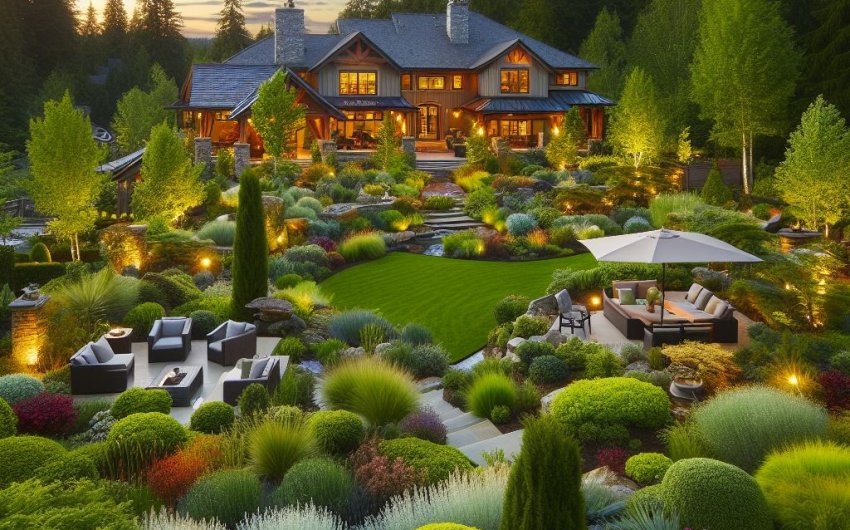
Having a 1-acre property is a dream come true for many. It's a generous canvas, offering endless possibilities that smaller yards simply can't match. But with all that space comes a unique challenge: how do you make it cohesive, functional, and truly stunning without feeling overwhelmed? The key is smart landscaping ideas and a clear vision. This isn't just about planting a few shrubs; it's about creating distinct zones, enhancing curb appeal, supporting local wildlife, and designing an outdoor living experience that reflects your lifestyle. Whether you envision a sprawling edible garden, a serene retreat, or a vibrant entertainment hub, turning your 1 acre from a blank slate into a personal paradise is an exciting journey. Let's dive into how to bring your landscaping dreams to reality!
How Do You Plan Your 1-Acre Landscape?
Before you dig your first hole, a good plan is essential. For a 1-acre property, careful planning saves time, money, and prevents mistakes. Think of yourself as the architect of your outdoor world.
1. Assess Your Space
Take a detailed look at your 1 acre. What are its natural features?
Sun and Shade Mapping
- Observe Throughout the Day: Walk your property at different times of day (morning, noon, afternoon) and in different seasons. Note where the sun hits and where shadows fall. This will guide where you plant sun-loving flowers, shade-loving ferns, or locate a sunny patio.
- Tree Cover: Identify existing trees and their shade patterns.
Drainage and Slope
- Water Flow: Where does water naturally drain? Are there any low spots that collect water, or high spots that dry out quickly? You might need to improve drainage or plan for rain gardens in wet areas.
- Slopes: Steep slopes might require terracing or specific erosion-control plants.
Existing Features
- Trees and Shrubs: What plants are already there? Can they be incorporated into your design?
- Structures: Note your house, garage, sheds, decks, and patios. How do they connect to the landscape?
- Utilities: Locate septic tanks, utility lines, and easements. You can't plant deep-rooted trees over these!
Soil Type
- Soil Test: Get a soil test to understand your soil's composition (clay, sand, loam) and nutrient levels. This dictates what plants will thrive and what amendments you might need. You can find an at-home soil test kit or contact your local extension office.
2. Define Your Needs and Desires
What do you want your 1 acre to do for you? This is where your dreams come into play.
List Your Priorities
- Relaxation: A cozy patio, a serene reading nook, a water feature.
- Entertainment: Outdoor kitchen, fire pit area, spacious dining patio.
- Play Area: Swingset, open lawn for games, sandpit.
- Gardening: Vegetable garden, herb garden, cutting flower garden.
- Wildlife: Bird feeders, pollinator garden, native plant areas.
- Privacy: Screening from neighbors, defined outdoor rooms.
- Curb Appeal: A welcoming entrance, attractive front yard.
- Accessibility: Easy pathways, ramps if needed.
- Maintenance Level: How much time are you willing to spend? Low-maintenance options if you prefer less upkeep.
Think in "Zones"
For a 1-acre property, breaking it into distinct zones makes it manageable and functional.
- Entry Zone: Front yard, driveway, main entrance. Focus on curb appeal and welcoming guests.
- Public/Social Zone: Patio, deck, outdoor kitchen, fire pit. Where you entertain.
- Private Zone: A secluded reading nook, meditation garden, or hot tub area.
- Utility Zone: Shed, compost bin, vegetable garden, clothesline, play area. Practical and functional.
- Transitional Zones: Pathways, borders, hedges that connect different areas.
3. Sketch Your Ideas
Put your thoughts on paper!
Base Map
Draw a simple map of your property, marking existing features, the house, and any major trees.
Overlay Ideas
On tracing paper or digitally, draw your desired zones and elements. Don't worry about perfection, just get the ideas down.
- Where will the patio go?
- Where's the best spot for the vegetable garden?
- How will pathways connect everything?
4. Consider Your Budget and Timeline
Landscaping a 1-acre property can be a big investment.
- Phased Approach: You don't have to do it all at once! Break the project into smaller phases. Tackle the most important zones first.
- DIY vs. Professional: Decide what you can do yourself and where you might need professional help (e.g., major grading, complex irrigation).
- Material Costs: Research the cost of different materials (paving, plants, structures).
What Are Stunning Landscaping Ideas for Your 1 Acre?
Now for the exciting part – bringing those zones to life with beautiful and functional elements!
1. Grand Entry and Curb Appeal
Your front yard sets the first impression for your 1-acre property.
Welcoming Driveway
- Defined Edges: Line your driveway with attractive curbing, low hedges, or ornamental grasses for a refined look.
- Lighting: Install pathway lights along the driveway for safety and ambiance. Solar-powered options are easy to install. A solar pathway light set can add charm.
- Trees: Plant shade trees strategically along the driveway for a grand entrance.
Inviting Walkways
- Main Pathway: Create a wide, clear walkway to your front door using pavers, natural stone, or gravel.
- Side Paths: Add secondary paths to other areas like a side garden or garage.
- Edging: Use a contrasting material for edging to make paths pop.
Eye-Catching Plantings
- Foundation Plantings: Use a mix of evergreen shrubs, deciduous shrubs, and perennials around your house foundation. Vary heights and textures.
- Seasonal Color: Incorporate annuals for continuous blooms throughout the growing season.
- Specimen Trees: A beautiful ornamental tree (like a Japanese Maple or Dogwood) can be a focal point.
2. Outdoor Living and Entertainment Hubs
With 1 acre, you have space for multiple outdoor "rooms."
Expansive Patios and Decks
- Size: Make them large enough to accommodate dining, lounging, and potentially an outdoor kitchen.
- Materials: Choose materials that match your home's style: pavers, flagstone, composite decking, or wood. A good choice for pavers are permeable interlocking pavers.
- Zones within Zones: Use outdoor rugs, furniture arrangements, or even small changes in elevation to define dining vs. lounging areas.
Outdoor Kitchen and Dining
- Grilling Station: A dedicated area for your grill, counter space, and storage.
- Full Kitchen: For the ultimate experience, include a sink, refrigerator, and burner.
- Dining Area: A large dining table that can seat your family and guests comfortably.
Cozy Fire Pit Area
- Gathering Spot: Create a dedicated space for a fire pit with comfortable seating (adirondack chairs, built-in benches).
- Safety: Ensure the fire pit is on a non-combustible surface (pavers, gravel) and away from flammable materials. A gas fire pit table offers convenience.
- Ambiance: String lights overhead or add lanterns for a magical evening glow.
Outdoor Lounge and Seating Nooks
- Comfy Furniture: Invest in durable, weather-resistant outdoor sofas, chairs, and ottomans with plush cushions. A modular patio furniture set offers flexibility.
- Shade Structures: Incorporate a pergola with a retractable canopy, a gazebo, or large patio umbrellas for sun protection.
3. Lush Gardens and Green Spaces
A 1-acre property allows for diverse planting areas.
Defined Garden Beds
- Curved Borders: Soft, curving beds create a more natural and appealing look than straight lines.
- Layered Planting: Use taller plants in the back, medium-height plants in the middle, and shorter plants or groundcovers in the front for depth and visual interest.
- Seasonal Interest: Plan for plants that offer interest throughout the year – spring blooms, summer color, fall foliage, and winter evergreens.
Pollinator Gardens
- Attract Wildlife: Dedicate an area to pollinator-friendly plants (like coneflowers, butterfly bush, salvia, bee balm) to attract bees, butterflies, and hummingbirds. This supports biodiversity and is fascinating to watch. You can find pollinator-friendly seed mixes.
Edible Gardens
- Dedicated Vegetable Patch: Create raised beds or in-ground rows for growing your own vegetables. Consider a fence to keep out critters.
- Herb Garden: A smaller, easily accessible herb garden near your kitchen door.
- Fruit Trees and Berry Bushes: Dwarf fruit trees, blueberries, raspberries, and grapevines can add beauty and bounty.
Open Lawn Areas
- Play Space: A well-maintained expanse of lawn is perfect for kids and pets to play.
- Visual Relief: It also provides visual breathing room in a large landscape, acting as a "canvas" for your garden beds.
4. Water Features and Tranquil Spots
The sound and sight of water add immense peace to a garden.
Ponds and Water Gardens
- Koi Pond: A larger koi pond can be a stunning focal point, attracting dragonflies and providing a home for fish.
- Water Garden: A smaller pond filled with aquatic plants like water lilies and marginal plants.
- Waterfall or Stream: The sound of moving water is incredibly relaxing. You can incorporate a naturalistic stream leading to your pond. A pond liner kit is essential for any pond project.
Fountains and Bird Baths
- Focal Point Fountains: A freestanding fountain can be a lovely centerpiece in a smaller garden area or patio.
- Bird Baths: Attract cheerful birds to your garden, providing both visual and auditory interest.
Secluded Nooks
- Create quiet spaces with a small bench, a single ornamental tree, and a simple water feature for reflection or reading.
5. Pathways and Transitions
Pathways connect your outdoor rooms and create a sense of journey.
Materials
- Gravel: Affordable and natural-looking, with a satisfying crunch underfoot.
- Stepping Stones: Create an informal path through a lawn or garden bed.
- Pavers or Flagstone: More formal and durable, great for main thoroughfares.
- Mulched Paths: Easy to install, softer underfoot, and define garden areas.
Design Principles
- Winding Paths: Gently curving paths are more inviting and mysterious than straight lines.
- Purposeful Connections: Ensure paths lead somewhere and connect logical points.
- Lighting: Add subtle path lighting for safety and ambiance at night.
How Do You Incorporate Sustainable and Eco-Friendly Practices?
With a 1-acre property, you have a fantastic opportunity to create an eco-friendly landscape that supports local ecosystems and reduces your environmental impact.
1. Native Plants
- Choose Local Species: Prioritize native plants that are naturally adapted to your local climate and soil.
- Benefits: They require less water, fertilizer, and pest control, and they provide essential food and habitat for local wildlife (birds, beneficial insects, pollinators). This is a cornerstone of sustainable landscaping.
2. Water Conservation
- Rainwater Harvesting: Install rain barrels or a larger cistern to collect rainwater from your roof for irrigation. This reduces reliance on municipal water. A rain barrel can save a lot of water.
- Drip Irrigation and Soaker Hoses: Deliver water directly to plant roots, minimizing evaporation and runoff. This is especially efficient for garden beds and vegetable patches.
- Xeriscaping: For dry climates, consider xeriscaping – landscaping with drought-tolerant plants that require minimal irrigation.
- Efficient Watering: Water deeply and infrequently in the early morning to encourage deep root growth and minimize evaporation.
3. Composting
- Reduce Waste, Enrich Soil: Set up a compost area for kitchen scraps and yard waste. The resulting compost enriches your soil, reducing the need for synthetic fertilizers. A compost tumbler makes turning easy.
4. Organic Lawn Care
- Avoid Chemicals: Minimize or eliminate the use of synthetic pesticides and herbicides. Opt for organic fertilizers and natural pest control methods (like beneficial nematodes).
- Mow High, Leave Clippings: Taller grass promotes deeper roots. Leaving grass clippings on the lawn (if not excessive) returns nutrients to the soil.
5. Creating Wildlife Habitats
- Diverse Plantings: A variety of plant types (trees, shrubs, perennials, annuals) provides food and shelter for a wider range of animals.
- Water Sources: Bird baths, shallow ponds, or even simple water dishes.
- Shelter: Brush piles, log piles, or dense shrubs offer hiding places and nesting sites.
- Native Trees and Shrubs: These are particularly important for supporting local insect and bird populations.
6. Permeable Surfaces
- Reduce Runoff: Choose permeable materials for patios and pathways (e.g., gravel, permeable pavers, decomposed granite) instead of solid concrete. This allows rainwater to soak into the ground rather than running off and contributing to erosion or stormwater issues.
What Are the Next Steps to Bring Your Dreams to Reality?
Turning your 1-acre landscaping ideas into a vibrant reality takes effort, but it's incredibly rewarding.
1. Refine Your Plan
- Detailed Drawings: Work with a landscape designer or draw more detailed plans yourself. Include plant lists, material choices, and measurements.
- Phasing: Solidify your phased approach, deciding which zones or projects to tackle first.
2. Gather Your Tools
- Essential Garden Tools: Good quality shovels, rakes, hoes, pruning shears, and a wheelbarrow are fundamental.
- Power Tools: Depending on your projects, you might need a rototiller, chainsaw, or hedge trimmer. Renting is often a smart option for large jobs. A good pair of gardening gloves is always a must.
3. Prepare the Site
- Clear Area: Remove existing weeds, debris, or unwanted structures.
- Grade if Necessary: Address any drainage issues or prepare slopes for terracing.
- Amend Soil: Based on your soil test, incorporate necessary amendments (compost, sand, peat moss) to create healthy planting beds.
4. Install Hardscape First
- Build the "Bones": Install patios, walkways, retaining walls, pergolas, and any major structures before planting. This avoids disturbing planted areas.
5. Plant Strategically
- Trees and Shrubs First: Plant larger trees and shrubs first, as they create the main structure and shade.
- Perennials and Annuals Next: Fill in with smaller plants.
- Group by Needs: Place plants with similar sun, water, and soil requirements together.
6. Implement Irrigation
- Install your chosen irrigation system (drip lines, soaker hoses, or smart sprinklers) after planting, ensuring it reaches all areas.
7. Mulch and Edge
- Mulch: Apply a 2-4 inch layer of organic mulch (wood chips, shredded bark) to all planting beds. This conserves water, suppresses weeds, and adds a neat finish.
- Edging: Install durable edging materials around beds and pathways for a clean, finished look.
8. Maintain and Enjoy!
- Consistent Care: Regular watering, weeding, pruning, and feeding are essential.
- Observation: Continuously observe your landscape. What's thriving? What needs adjustment?
- Embrace the Process: Your 1-acre landscape will evolve. Enjoy the journey of watching your landscaping ideas grow from dream to reality, and savor every moment in your stunning outdoor haven!