
Designing Your Dream Homestead: Small Layouts, Big Dreams!
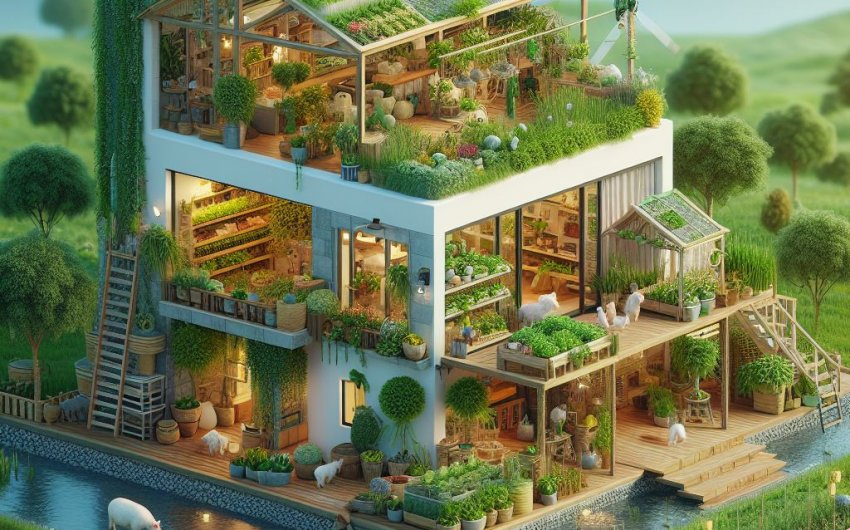
The dream of a homestead often conjures images of vast acres, sprawling barns, and endless fields. But what if your dream involves a smaller plot of land, perhaps just a suburban lot or a few acres? Can you still achieve the self-sufficient, productive, and peaceful lifestyle of a homestead on a small layout? Absolutely!
Designing your dream homestead on limited space is not just possible; it's an exciting challenge that forces creativity, efficiency, and smart planning. It’s about maximizing every square foot, layering functions, and embracing systems that work together to create a bountiful and sustainable living space. This approach, often called micro-homesteading or urban homesteading, proves that big dreams don't always require big land.
This guide is for anyone yearning for a more self-reliant lifestyle, no matter the size of their backyard. We'll explore the core principles of small homestead design, dive into clever layout strategies, and demystify how to integrate essential homesteading elements like gardening, animal husbandry, and energy efficiency into a compact footprint. Get ready to turn your limited space into a thriving, productive, and beautiful backyard homestead.
Can You Really Homestead on a Small Piece of Land?
The traditional image of a homestead often involves a vast property, far from the city. But the truth is, the spirit of homesteading – self-sufficiency, sustainability, and living close to the land – isn't confined to rural areas or massive acreage. You absolutely can homestead on a small layout, even a typical suburban backyard.
What is "Homesteading" Anyway?
At its heart, homesteading is about producing more than you consume and living in a way that minimizes your dependence on external systems. It's a lifestyle focused on:
- Food Production: Growing your own fruits, vegetables, and herbs.
- Animal Husbandry: Raising small animals for eggs, meat, or milk.
- Skill Building: Learning to preserve food, mend, build, and repair.
- Resource Management: Conserving water, energy, and minimizing waste.
- Self-Reliance: Taking control over aspects of your life and resources.
This core philosophy can be applied on any scale.
The Rise of Micro-Homesteading and Urban Homesteading
Many people are embracing the idea of micro-homesteading or urban homesteading.
- Micro-homesteading: This typically refers to homesteading on a few acres, often blending traditional homesteading elements with modern efficiency.
- Urban homesteading: This takes the concept directly into city or suburban environments, making the most of a standard residential lot.
These movements prove that a small plot of land can be incredibly productive and fulfilling.
Advantages of a Small Homestead Layout
Having a small homestead layout isn't a limitation; it offers unique benefits:
- Manageability: A smaller space is easier to manage, maintain, and expand incrementally. You can learn as you go without being overwhelmed.
- Lower Costs: Less land means a lower initial purchase price and lower property taxes. Infrastructure costs (fencing, water lines) are also reduced.
- Efficiency: Limited space forces you to be incredibly efficient and creative with your design. Every square foot counts, leading to highly productive systems.
- Less Physical Labor: There's less ground to cover, less mowing, and tasks are generally more centralized.
- Closer to Resources: Urban or suburban homesteads are typically closer to jobs, markets, and other community resources.
- Focus on Skills: With less land management, you can dedicate more time to developing homesteading skills like canning, fermentation, sewing, or carpentry.
It's About Mindset, Not Just Acreage
Ultimately, successful homesteading on a small layout is more about your mindset and intentional design than the size of your property. It requires:
- Creativity: Thinking outside the box to stack functions and integrate systems.
- Prioritization: Deciding what self-sufficiency elements are most important to you (e.g., fresh eggs over dairy cows if you have limited space).
- Efficiency: Choosing high-yield crops and efficient animal systems.
- Adaptability: Being willing to learn and adjust your plans as you go.
So, banish the thought that you need a huge farm to live the homestead dream. With smart designing your dream homestead principles, your small piece of land can become a vibrant, productive, and fulfilling backyard oasis.
Key Principles for Designing a Small Homestead Layout
When you're designing your dream homestead on a small layout, every decision carries more weight. It's not about cramming everything in; it's about intelligent use of space, layering functions, and creating a cohesive system. Here are the core principles to guide your planning.
1. Maximize Vertical Space
In a small footprint, going up is often the best way to expand your productive area.
- Vertical Gardens: Use trellises, arbors, vertical planters, pallet gardens, or wall-mounted systems to grow vining plants (cucumbers, tomatoes, beans, squash, grapes) and herbs. A vertical garden planter can fit a surprising number of plants.
- Tiered Raised Beds: Instead of single-level beds, build or buy tiered raised garden beds to increase planting area within the same ground footprint.
- Espalier Fruit Trees: Train fruit trees (apples, pears) to grow flat against a wall or fence, saving space and making harvesting easier.
- Climbing Vines: Grow edibles like hardy kiwis or passion fruit on fences, pergolas, or sheds.
2. Embrace Multipurpose and Layered Functions
Every element on your small homestead should ideally serve more than one purpose.
- Chicken Coops with Composting: Build your chicken coop over an area where you can collect droppings directly into a compost bin. The chickens help turn the compost, and you get rich fertilizer.
- Rainwater Harvesting with Greenhouse: Use your shed or greenhouse roof to collect rainwater into a rain barrel for watering plants.
- Edible Landscaping: Instead of purely ornamental plants, choose edible shrubs (blueberries, currants), fruit trees, and herbs for your landscape beds. Make your front yard beautiful and productive.
- Integrated Pest Management: Encourage beneficial insects by planting flowers that attract them near your vegetable garden.
- Greenhouse/Hoop House: This structure not only extends your growing season but can also serve as a heat sink, a tool storage area, or even a sheltered space for starting seeds. A small greenhouse kit is perfect for micro-homesteads.
3. Prioritize Efficiency and Workflow
Good design makes tasks easier and saves time.
- Zone Planning: Arrange elements by how often you use them. Place frequently accessed items (herb garden, compost bin for kitchen scraps, rainwater barrel) closest to your house. Less frequently accessed items (chicken run, fruit trees) further out.
- Pathways: Create clear, easy-to-navigate pathways that connect different zones. Make them wide enough for wheelbarrows or garden carts. Consider using permeable materials like gravel or wood chips to help with drainage.
- Tool Storage: Keep tools convenient. A potting bench with storage near your garden beds is ideal.
- Water Management: Strategically place rainwater collection points, outdoor faucets, and soaker hoses or drip irrigation systems to minimize manual watering time.
4. Optimize Sun and Shade
Even on a small lot, understanding sun exposure is critical.
- Sun Mapping: As discussed in our shade landscaping post, track the sun's path throughout the day and year. Place sun-loving vegetables in the sunniest spots. Use shadier areas for shade-tolerant edibles (leafy greens, some herbs) or outdoor living spaces.
- Tree Placement: If planting new trees, consider their mature size and the shade they will cast. Deciduous trees provide summer shade and winter sun.
5. Start Small and Grow Incrementally
Don't try to implement everything at once.
- Phased Development: Begin with a few key elements that are most important to you (e.g., a vegetable garden and a compost system). Get those working well, then gradually add more components like chickens, fruit trees, or rainwater harvesting.
- Learn as You Go: This approach allows you to learn from your experiences, adapt your design, and avoid feeling overwhelmed.
By applying these principles, you'll transform your small layout into a highly productive, efficient, and enjoyable homestead, proving that big dreams of self-sufficiency are achievable no matter your acreage.
Essential Elements for a Small Homestead (and How to Integrate Them)
Even on a small layout, you can incorporate many of the core elements of a traditional homestead. The key is smart design, choosing compact varieties, and often, combining functions. Let's look at some essential components and how to integrate them into your dream homestead.
1. The Productive Garden: Food for the Family
This is often the heart of any homestead.
- Raised Garden Beds: Ideal for small spaces. They offer better drainage, allow for customized soil, and extend the growing season. You can choose different heights and shapes. Raised garden beds are a cornerstone of small homesteads.
- Intensive Planting: Instead of long rows, practice square foot gardening or companion planting. Plant crops closer together than traditional methods, maximizing yield per square foot.
- Succession Planting: Plant small batches of quick-growing crops (lettuce, radishes) every few weeks to get continuous harvests throughout the season.
- Vertical Gardening: As discussed, trellises, arbors, and hanging planters are essential for vining plants. A vertical garden planter can turn a wall into a productive space.
- Container Gardening: For smaller plants, herbs, or even dwarf fruit trees, containers offer flexibility. You can move them to optimize sun exposure.
- Edible Landscaping: Replace ornamental shrubs with edibles like blueberries, currants, or dwarf fruit trees. Plant herbs and edible flowers in your front yard or along pathways.
2. Small Livestock: Eggs, Meat, and More
You don't need a barn for this!
- Chickens: The most popular choice for small homesteads.
- Benefits: Fresh eggs, pest control, and their manure is excellent for compost.
- Integration: Choose a compact chicken coop that fits your space. Consider a mobile "chicken tractor" to allow them to fertilize and de-bug different garden beds. Place the coop near your compost system. Check local ordinances for rules on chickens.
- Quail: Smaller than chickens, require less space and are quieter.
- Benefits: Small eggs, some meat, and quick turnaround.
- Integration: Can be kept in relatively small, stacked cages.
- Rabbits: Excellent for meat and their "manure" (rabbit pellets) is a fantastic cold compost that can be used directly in the garden.
- Benefits: Fast-growing, efficient converters of feed to protein.
- Integration: Can be housed in hutches, potentially under covered areas or integrated near garden beds for easy waste collection. Check local regulations.
- Bees: For honey and vital garden pollination.
- Benefits: Honey, beeswax, and increased yields in your garden.
- Integration: Place a beehive in a quiet, out-of-the-way corner, ensuring it doesn't bother neighbors. Research local beekeeping laws.
3. Composting and Waste Management
Closing the loop on waste is fundamental to homesteading.
- Compost Bin: Essential for turning kitchen scraps and yard waste into nutrient-rich soil amendment. Place it in a convenient spot for kitchen access, but not too close to the house. Choose a compost tumbler for easy turning on a small scale, or a compact stationary bin.
- Worm Composting (Vermicomposting): Great for small spaces, even indoors or on a balcony. Worms quickly break down food scraps into "worm castings" (super compost). You'll need a worm composting bin.
- Greywater System (Advanced): If regulations allow, consider diverting greywater (from sinks, showers) to irrigate non-edible plants. This is a more advanced project.
4. Water and Energy Efficiency
Minimize reliance on municipal systems.
- Rainwater Harvesting: Install rain barrels at downspouts to collect rainwater for your garden. This saves on water bills and provides chlorine-free water for plants.
- Drip Irrigation/Soaker Hoses: Efficient watering systems that deliver water directly to plant roots, minimizing evaporation and waste.
- Solar Power (Small Scale): For lights, pumps, or small tools, consider small solar panel kits for off-grid power.
5. Tool Storage and Workspace
Even a small homestead needs organized areas.
- Potting Bench: A dedicated space for messy garden tasks. Look for a potting bench with storage to maximize utility.
- Shed/Storage Unit: A compact shed for larger tools, bags of soil, and supplies. Consider a lean-to shed against your house or fence.
- Vertical Tool Organizers: Wall-mounted racks save floor space for shovels, rakes, and hoes.
By thoughtfully integrating these essential elements, even a small layout can become a remarkably productive and rewarding dream homestead, bringing you closer to self-sufficiency and a fulfilling lifestyle.
Clever Layout Strategies for Small Homesteads
The key to successful designing your dream homestead on a small layout isn't about having a huge amount of land, but about thinking strategically about how you use every inch. These clever layout strategies will help you maximize your space, create efficiency, and build a cohesive and productive environment.
1. Zone Planning (Permaculture Inspired)
This is a fundamental concept for efficiency.
- Define Zones Based on Frequency of Use:
- Zone 1 (Closest to House): Things you use daily or almost daily. Think a small herb garden outside your kitchen door, a small compost pail, or a highly active plant nursery area.
- Zone 2 (Just Beyond): Things you access several times a week. Your main vegetable garden beds, larger compost bins, perhaps a small chicken coop.
- Zone 3 (Outer Edges of Active Yard): Less frequently accessed areas, such as fruit trees, berry bushes, a woodpile, or a larger rainwater collection system.
- Zone 4 & 5 (Less Used / Wild Areas): If you have any remaining wild spaces or areas for foraging, these would be furthest out.
- Benefits: Reduces walking distance, saves time, and concentrates high-activity areas where they are most convenient. This systematic approach is vital for any small homestead design.
2. Microclimates: Understanding Your Backyard's Hidden Benefits
Every yard has unique pockets of sun, shade, warmth, and coolness. Identifying and utilizing these microclimates can boost productivity.
- Sun Traps: South-facing walls or fences that absorb and radiate heat. Perfect for heat-loving plants like tomatoes, peppers, or citrus in cooler climates.
- Shady Retreats: North-facing areas or spots under large trees. Ideal for shade-loving vegetables (leafy greens, root vegetables in summer), mushroom logs, or a quiet seating area.
- Wind Breaks: Use fences, hedges, or even strategically placed sheds to protect tender plants from harsh winds.
- Water Management: Observe where water collects after rain or where it dries out fastest. Design your watering systems accordingly.
3. Integrated Systems and Closed Loops
True homestead efficiency comes from systems that feed into each other, mimicking natural cycles.
- "Chicken-to-Compost-to-Garden": This classic loop is perfect for small homesteads. Chicken coop waste goes into the compost, the compost enriches the garden soil, and garden scraps feed the chickens.
- "Rain-to-Barrel-to-Garden": Collect rainwater from roofs, store it in rain barrels, and use it to irrigate your garden.
- "Kitchen-Scrap-to-Worm-Bin-to-Garden": Your kitchen scraps become worm castings, which are super food for your plants.
- "Greywater-to-Fruit-Trees" (if allowed): Consider diverting laundry or bath water (using eco-friendly soaps) to irrigate non-edible trees and shrubs, reducing reliance on fresh water. Always check local regulations.
4. Permeable Pathways and Water Management
Minimize runoff and maximize water infiltration.
- Gravel or Wood Chip Paths: Instead of solid concrete, use permeable materials for pathways. This allows rainwater to soak into the ground rather than run off, helping to recharge groundwater and reduce runoff issues.
- Swales and Rain Gardens: In low spots, consider creating a small swale (a shallow ditch on contour) or a rain garden filled with water-loving plants. These structures capture and slowly release rainwater, preventing erosion and nurturing specific plants.
- Sloped Areas: Use slopes to your advantage for natural water flow for small streams or to create terraced garden beds.
5. Multi-Story Living (Vertical and Layered)
Beyond just vertical gardens, think in terms of multiple layers.
- Understory Planting: Plant shade-tolerant edibles or ornamentals directly under fruit trees or large shrubs.
- Edible Groundcovers: Use creeping thyme, clover, or wild strawberries as groundcovers that also provide a harvest.
- Espaliered Fruit Trees: Growing fruit trees flat against a wall maximizes space.
- Modular Design: Use modular components (like stacking worm bins, portable raised beds, or movable chicken coops) that can be rearranged or expanded as your needs change.
By applying these clever layout strategies, you'll transform your small layout into a highly productive, efficient, and interconnected dream homestead, proving that smart design can make big dreams come true even on a limited footprint.
Essential Tools and Resources for Your Small Homestead
Even with a well-designed small homestead layout, you'll need the right tools and knowledge to make your dream homestead a reality. Investing in quality tools and tapping into valuable resources will make your homesteading journey smoother and more productive.
Essential Hand Tools (Every Homesteader Needs These!)
Don't underestimate the power of basic, reliable hand tools.
- Garden Trowel: For planting, digging small holes, and transplanting. A sturdy, one-piece design is best. A garden trowel is invaluable.
- Hand Pruners (Bypass Type): For cutting branches up to about 3/4 inch thick. Essential for pruning plants, harvesting tough stems, and general garden maintenance. Keep them sharp! A good pair of pruning shears will last years.
- Garden Fork: For turning compost, loosening soil, and digging potatoes. A garden fork is a true workhorse.
- Shovel (Round Point and/or Flat): For digging, moving soil, and spreading compost.
- Rake (Bow and Leaf): A bow rake for leveling soil and spreading materials; a leaf rake for gathering clippings and leaves.
- Wheelbarrow or Garden Cart: Essential for moving soil, compost, mulch, tools, and harvested produce around your small layout. A heavy-duty garden cart is worth the investment.
- Garden Gloves: Protect your hands from dirt, thorns, and blisters. A durable pair of gardening gloves makes a difference.
- Watering Can or Hose with Nozzle: For targeted watering. A Flexzilla Garden Hose 5/8 in. x 50 ft is flexible and easy to use.
Specialized Tools (Consider as Needed)
- Compost Thermometer: For "hot" composting to ensure your pile is reaching optimal temperatures.
- Soil Test Kit: To understand your soil's pH and nutrient levels before making amendments. An at-home soil test kit is easy to use.
- Seed Starting Trays and Grow Lights: If you plan to start many plants from seed indoors.
- Food Preservation Equipment: Canning supplies (jars, pressure canner/water bath canner), dehydrators, or fermentation crocks if you're serious about food preservation. A beginner canning kit can get you started.
Key Resources for Learning and Support
Knowledge is perhaps your most valuable tool on a small homestead.
- Local Extension Office: Your state university's Cooperative Extension office is an invaluable (often free!) resource. They provide research-based information on local gardening conditions, pest control, soil testing, and much more.
- Gardening Books and Websites: Invest in good books specific to homesteading, organic gardening, or your region. Reputable gardening websites and blogs offer a wealth of information.
- Community Gardens and Local Clubs: Join a local gardening club or visit a community garden. You can learn from experienced gardeners, share tips, and often find excess seedlings or produce.
- Online Forums and Social Media Groups: Connect with other small homesteaders and urban gardeners online. Share experiences, ask questions, and get inspiration.
- Seed Catalogs: Not just for buying seeds, but also for learning about plant varieties, their growth habits, and specific needs.
Thinking Sustainably: Quality Over Quantity
- Buy Durable Tools: Invest in well-made, durable tools that will last many years. They may cost more upfront, but they'll save you money and frustration in the long run compared to cheap, flimsy alternatives.
- Borrow or Rent: For expensive, less frequently used tools (like a broadfork, tiller, or shredder), consider borrowing from a neighbor or renting from a local equipment supply store.
- Repurpose Materials: Embrace the homesteading spirit by seeking out salvaged or repurposed materials for your projects (e.g., old pallets for compost bins, salvaged wood for raised beds).
Equipped with the right tools and a thirst for knowledge, your journey of designing your dream homestead on a small layout will be an incredibly rewarding and continuous learning experience. Remember, every step you take towards self-sufficiency, no matter how small, is a step towards your backyard bliss.