
How to Grow an Herb Garden Indoors: A Complete Beginner’s Guide
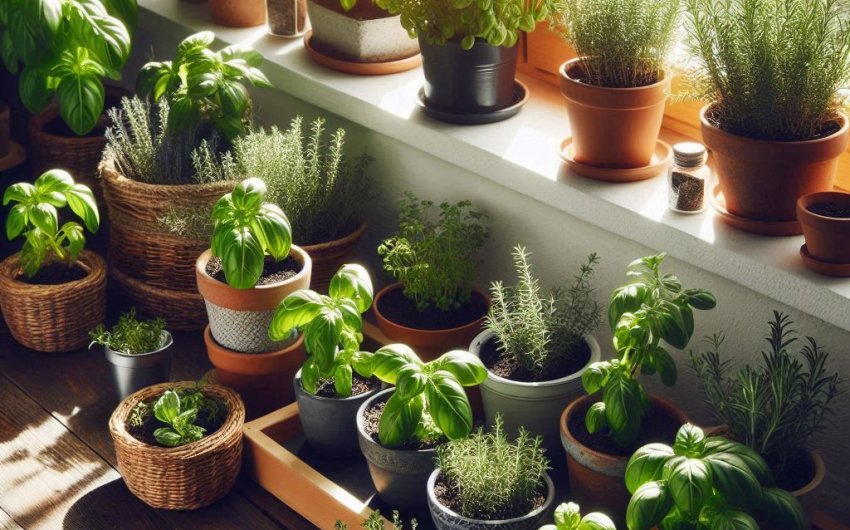
Growing an herb garden indoors is a wonderfully rewarding experience, allowing you fresh, fragrant herbs year-round right from your kitchen. With a few simple steps and the right supplies, even a complete beginner can enjoy a thriving indoor herb garden.
Why Grow an Herb Garden Indoors?
Having an indoor herb garden brings numerous benefits, making it a popular choice for both culinary enthusiasts and budding gardeners. It’s about more than just convenience; it’s about freshness, flavor, and a touch of green beauty in your home.
- Freshness on Demand: Imagine needing basil for a pasta dish or mint for a cocktail and simply snipping it from your windowsill. Indoor herbs mean ultimate freshness and flavor, far superior to store-bought options.
- Cost Savings: Regularly buying fresh herbs can add up. Growing your own is a sustainable and economical solution in the long run.
- Convenience: No need to brave the elements or trek to the grocery store. Your herb garden is always just steps away, ready when you are.
- Year-Round Harvest: Unlike outdoor gardens limited by seasons, an indoor setup allows you to enjoy your favorite herbs through fall, winter, and spring.
- Adds Beauty and Aroma: Herbs are not only functional but also beautiful. Their varied textures and lush green foliage add a touch of nature to your living space, often accompanied by delightful natural fragrances.
- Reduces Food Waste: You only harvest what you need, minimizing waste compared to buying a whole bunch that might wilt before you use it all.
- Therapeutic Hobby: Gardening, even on a small scale, is known to be a stress-relieving and satisfying hobby. Caring for your indoor herb plants can be a calming daily ritual.
- Educational for Kids: It’s a great way to introduce children to gardening, plant life cycles, and healthy eating habits.
What Are the Easiest Herbs to Grow Indoors for Beginners?
When starting your indoor herb garden, choosing the right herbs is key to success. Some herbs are simply more forgiving and thrive better indoors than others. For beginners, it's best to start with hardy, popular varieties.
Top 5 Easy Herbs for Indoor Growing:
Mint:
- Why it's easy: Mint is incredibly vigorous and tolerant of various conditions. It often grows too well outdoors and can take over, but in a pot indoors, it's manageable.
- Light needs: Prefers bright, indirect light, but can tolerate some shade.
- Water needs: Likes consistently moist soil.
- Tips: Consider growing different varieties like peppermint or spearmint. Keep it in its own pot, as it can be invasive even indoors.
- Uses: Teas, cocktails (mojitos!), desserts, savory dishes.
Chives:
- Why it's easy: Chives are resilient and don't require much fuss. They rebound quickly after being trimmed.
- Light needs: Needs bright light (at least 4-5 hours).
- Water needs: Keep soil consistently moist, but not waterlogged.
- Tips: You can even grow them from a grocery store bunch of chives by planting the white ends.
- Uses: Eggs, potatoes, salads, soups, savory dishes as a mild onion flavor.
Parsley:
Advertisement- Why it's easy: Both curly and flat-leaf parsley are quite adaptable to indoor conditions and provide continuous harvests.
- Light needs: Prefers bright light (at least 5-6 hours).
- Water needs: Likes consistently moist soil.
- Tips: Can be a slow starter from seed, so buying a small plant is often easier for beginners. Harvest outer stems first.
- Uses: Garnish, soups, salads, sauces (like pesto), almost any savory dish.
Basil:
- Why it's easy: Basil is a fast grower and incredibly rewarding. It loves warmth and light.
- Light needs: Needs at least 6 hours of bright light; ideally, a sunny windowsill or under a grow light.
- Water needs: Keep soil evenly moist.
- Tips: Pinch off flower buds to encourage bushier growth. Protect from cold drafts. Can be prone to powdery mildew if humidity is too high.
- Uses: Pesto, Italian dishes, salads, caprese.
Rosemary:
- Why it's easy: Rosemary is a robust, woody herb that tolerates indoor conditions well, especially if given enough light.
- Light needs: Needs at least 6-8 hours of direct sunlight. A south-facing window is ideal.
- Water needs: Prefers soil to dry out slightly between waterings. Avoid overwatering.
- Tips: Mist occasionally to provide humidity. Can be pruned into a small topiary.
- Uses: Roasts (chicken, lamb, potatoes), breads, infusions.
Other good options include Thyme, Oregano, and Cilantro. While cilantro can be a bit finicky (tends to bolt, or go to seed, quickly), frequent reseeding and good light can help.
What Essential Supplies Do You Need to Start an Indoor Herb Garden?
Getting started with your indoor herb garden doesn't require a huge investment, but having the right supplies will make the process much smoother and more successful. Think of these as your basic tool kit.
- Pots and Containers:
- Type: Choose pots with drainage holes! This is non-negotiable to prevent root rot. Terracotta pots are excellent as they allow the soil to breathe, but plastic pots also work.
- Size: Start with pots that are at least 4-6 inches in diameter. As herbs grow, they may need larger pots (6-8 inches or more).
- Saucers: Don't forget saucers or trays to catch excess water and protect your surfaces. Look for plant saucers that match your pots.
- Potting Mix:
- Type: Use a high-quality, lightweight potting mix specifically designed for container plants. Do NOT use garden soil, as it's too dense for pots and can contain pests.
- Drainage: Good potting mix provides excellent drainage and aeration for healthy root growth. Look for mixes that contain perlite or vermiculite.
- Herb Plants or Seeds:
- For Beginners: Buying small starter herb plants from a nursery or garden center is often the easiest route. They are already established.
- From Seed: If starting from seed, make sure you have fresh, viable seeds. Seed packets will have instructions for planting depth and spacing. A seed starting kit can be helpful here.
- Watering Can:
- Small Spout: A small watering can with a fine, gentle spout is ideal for indoor plants, allowing you to water precisely without disturbing the soil or over-saturating.
- Grow Lights (Optional but Recommended):
- Why: Even a sunny windowsill may not provide enough light, especially in winter or if your windows are north-facing. LED grow lights are energy-efficient and provide the full spectrum of light plants need.
- Types: Look for full-spectrum LED grow lights. There are clip-on lights, panel lights, or light strips. A good option for beginners is a small LED grow light strip that can be easily positioned over your herbs.
- Garden Shears or Scissors:
- Small and Sharp: A small pair of clean, sharp pruning shears or even kitchen scissors are essential for harvesting your herbs without damaging the plant.
- Mister Bottle (Optional):
- Humidity: Some herbs (like basil) appreciate higher humidity. A plant mister can help provide this, especially in dry indoor environments.
- Plant Labels (Optional):
- Organization: Especially if you're growing different varieties of herbs, plant labels are super helpful for quick identification.
Where is the Best Location for Your Indoor Herb Garden?
Choosing the right spot for your indoor herb garden is perhaps the most critical factor for success. Light, temperature, and humidity all play a role in how well your herbs will thrive.
Maximizing Natural Light
Sunlight is the most vital ingredient for healthy herbs. Most culinary herbs are sun-lovers and need plenty of bright light to grow strong and flavorful.
- South-Facing Windows: These are generally the best windows for indoor herbs, offering the most intense and prolonged direct sunlight throughout the day.
- East-Facing Windows: Receive morning sun, which is gentle but consistent. This can be a good option for herbs that tolerate slightly less intense light.
- West-Facing Windows: Provide strong afternoon sun, which can sometimes be too hot for delicate herbs. Monitor closely for scorching.
- North-Facing Windows: Receive very little direct sunlight and are typically not sufficient for most herbs unless supplemented with grow lights.
Tips for natural light:
- Rotate Pots: Turn your pots every few days to ensure all sides of the plant receive adequate light, encouraging even growth.
- Clean Windows: Dust and grime on windows can block a significant amount of light. Keep your windows clean for maximum light penetration.
Supplementing with Grow Lights
Even with a sunny window, natural light can be insufficient, especially during shorter winter days or in overcast climates. This is where grow lights become invaluable.
- LED Grow Lights: These are highly recommended for indoor herb gardens. They are energy-efficient, produce little heat, and come in full-spectrum options that mimic natural sunlight.
- Placement: Position the grow light 6-12 inches above the tops of your herb plants. Adjust the height as your plants grow.
- Duration: Most herbs need 12-16 hours of light per day from a grow light. Using an outlet timer can automate this, ensuring consistent light cycles.
Considering Temperature and Humidity
Herbs prefer conditions similar to those we find comfortable indoors.
- Temperature: Aim for consistent room temperatures between 65-75°F (18-24°C). Avoid placing herbs near drafty windows in winter or close to heat vents that can dry them out quickly.
- Humidity: Most herbs prefer moderate humidity. Standard indoor humidity levels are usually fine, but if your home is very dry (especially in winter with heating systems), consider these options:
- Pebble Tray: Place pots on a tray filled with pebbles and a little water. As the water evaporates, it creates a localized humid microclimate around the plants.
- Misting: Lightly misting the leaves with water once a day can provide a temporary boost in humidity.
- Humidifier: For a larger collection of plants, a small room humidifier can be beneficial.
By carefully considering these factors, you can create an optimal environment for your indoor herb garden to thrive.
How Do You Plant Your Indoor Herb Garden?
Whether you're starting from seed or transplanting small plants, the planting process for your indoor herb garden is straightforward. Proper technique ensures a healthy start for your herbs.
Planting from Seeds
Starting from seeds can be very rewarding and cost-effective, but it requires a bit more patience.
- Prepare Pots: Fill your chosen pots with a good quality seed starting mix or light potting mix, leaving about 1 inch of space from the rim.
- Sow Seeds: Follow the instructions on your seed packet for planting depth and spacing. Generally, small seeds are sprinkled on the surface and lightly covered with a thin layer of soil, while larger seeds are planted a bit deeper.
- Water Gently: Water thoroughly but gently after planting. A mister or a watering can with a fine rose attachment works well to avoid displacing the seeds.
- Cover (Optional): To maintain humidity, you can loosely cover the pots with plastic wrap or a clear dome until germination. This creates a mini-greenhouse effect.
- Provide Warmth: Many seeds benefit from warmer temperatures for germination (check seed packet for specifics).
- Light After Germination: Once seeds sprout, remove any covers and immediately provide plenty of light (natural or grow light) to prevent leggy growth.
- Thin Seedlings: When seedlings have a few sets of true leaves, thin them to the strongest plant per pot according to spacing recommendations.
Transplanting Starter Plants
Buying small plants is a quicker way to establish your indoor herb garden and often recommended for beginners.
- Prepare Pot: Fill your larger, permanent pot with fresh potting mix, leaving enough space for the plant's root ball.
- Remove from Nursery Pot: Gently squeeze the sides of the nursery pot and carefully slide the herb plant out. Try not to pull by the stem. If the roots are tightly coiled (root-bound), gently loosen them with your fingers.
- Place in New Pot: Center the plant in its new pot. The top of the root ball should be level with the top of the new potting mix.
- Fill with Soil: Backfill around the root ball with more potting mix, gently tamping it down to remove large air pockets. Don't compact too tightly.
- Water Thoroughly: Water the newly planted herb well until water drains from the bottom of the pot.
- Allow to Acclimate: Place the plant in its chosen spot and allow it a few days to recover from the transplant shock before beginning regular care.
How Do You Water Your Indoor Herbs Correctly?
Proper watering is crucial for the health of your indoor herb garden. Overwatering is a common killer of houseplants, but underwatering can be just as detrimental. Finding the right balance is key.
The "Feel Test" Method
This is the most reliable way to determine when your herbs need water. Don't just water on a schedule.
- Check Soil Moisture: Stick your finger about 1-2 inches deep into the soil.
- If Dry: If the soil feels dry at that depth, it's time to water.
- If Moist: If it still feels moist, check again in a day or two.
How to Water
When it's time to water, do it thoroughly.
- Water Until it Drains: Pour water slowly over the entire soil surface until you see it flowing out of the drainage holes at the bottom of the pot.
- Empty Saucer: Always empty any excess water from the saucer within 15-30 minutes. Letting pots sit in standing water leads to root rot.
- Avoid Watering Leaves: Try to water the soil directly, not the leaves, especially for herbs prone to powdery mildew.
- Water Temperature: Use room-temperature water. Cold water can shock the roots.
Factors Affecting Watering Frequency
Several things influence how often your herbs will need water.
- Pot Size: Smaller pots dry out faster than larger ones.
- Pot Material: Terracotta pots dry out faster than plastic pots because they are porous.
- Herb Type: Some herbs, like mint and basil, prefer consistently moist soil, while others, like rosemary and thyme, prefer to dry out a bit between waterings.
- Temperature and Humidity: Warmer, drier air increases evaporation, meaning you'll need to water more frequently.
- Light Levels: Plants in brighter light or under grow lights will use more water.
- Season: Herbs generally need less water in winter when growth slows down.
Using a soil moisture meter can provide accurate readings, especially for beginners learning the ropes.
How Do You Fertilize and Provide Nutrients to Your Indoor Herbs?
While soil provides initial nutrients, your indoor herb garden will eventually deplete these. Regular, gentle fertilization is important to keep your plants healthy and productive.
Why Fertilize?
Potted plants in containers have a limited amount of soil and nutrients. As plants grow and you harvest leaves, they use up these resources. Fertilizing replenishes them, promoting robust growth and flavorful foliage.
Choosing the Right Fertilizer
- Liquid All-Purpose Fertilizer: A balanced liquid fertilizer (like 5-5-5 or 10-10-10 NPK ratio) is often best for herbs. Look for formulations specifically for edibles or houseplants.
- Organic Options: Many gardeners prefer organic fertilizers for edibles. These can include fish emulsion, liquid seaweed, or compost tea.
- Dilution is Key: Always dilute liquid fertilizers to half or even quarter strength, especially when first starting. Herbs don't need heavy feeding.
When and How to Fertilize
- Frequency: Fertilize your herbs every 2-4 weeks during their active growing season (typically spring and summer). Reduce or stop fertilizing in fall and winter when growth slows down.
- Application: Apply liquid fertilizer to already moist soil. Never apply to dry soil, as this can burn the roots. Follow the product's specific instructions for dilution and application.
- Monitor Plants: Pay attention to your plants. If leaves are yellowing (and it's not overwatering), they might need more nutrients. If leaves develop brown tips or edges, you might be over-fertilizing.
Important Considerations:
- Soil Richness: If you use a high-quality potting mix with added compost, your herbs may not need fertilizer for the first few months.
- Repotting: When you repot herbs into fresh potting mix, they'll get a new supply of nutrients, so you can pause fertilization for a while.
How Do You Prune and Harvest Your Indoor Herbs?
Pruning and harvesting are essential practices for a thriving indoor herb garden. Not only do they provide you with fresh herbs, but they also encourage your plants to grow bushier and more productive.
The Importance of Pruning
Pruning isn't just about harvesting; it's about shaping and encouraging growth.
- Encourages Bushy Growth: When you snip off the top growth, the plant responds by sending out new shoots from lower leaf nodes, leading to a denser, bushier plant rather than a tall, leggy one.
- Prevents Bolting: For herbs like basil and cilantro, pinching off flower buds (called "bolting") redirects the plant's energy into leaf production instead of seed production, extending your harvest.
- Removes Damaged Growth: Prune away any yellowing, dead, or diseased leaves to keep the plant healthy.
- Maintains Size: Keeps your herbs at a manageable size for your indoor space.
Harvesting Techniques
Harvesting your herbs correctly ensures the plant continues to produce.
- Use Clean, Sharp Shears: Always use clean, sharp pruning shears or scissors to make clean cuts. This minimizes damage to the plant.
- Harvesting Young Plants: Wait until your herb plant has established itself and grown several sets of leaves before its first major harvest.
- The "Rule of Thirds": Never remove more than one-third of the plant's foliage at a time. This allows the plant enough leaves for photosynthesis and recovery.
- Pinch Above a Leaf Node: When harvesting, always cut just above a set of leaves (a "node"). This is where new growth will emerge, leading to two new stems where there was one.
- Start from the Top/Outside:
- Bushy Herbs (Basil, Mint, Oregano): Pinch off the top sets of leaves. For basil, pinch just above a leaf node where you see two small leaves starting to form. This encourages side branching.
- Stalky Herbs (Rosemary, Thyme, Chives): Snip off individual stems or sprigs. For chives, cut the outer blades close to the soil line.
- Leafy Herbs (Parsley, Cilantro): Cut the outer, larger leaves close to the base of the plant. This encourages new inner growth.
- Harvest Regularly: Regular harvesting stimulates growth. Don't be shy about using your herbs!
What to Do with Your Harvest:
- Use Fresh: The best way to enjoy your herbs!
- Storage: Most fresh herbs can be stored in the refrigerator. Wrap them in a damp paper towel and place in a plastic bag, or put their stems in a small glass of water (like a bouquet) and cover loosely with a plastic bag.
- Preservation: If you have an abundance, consider drying them, freezing them in olive oil, or making pesto.
How Do You Troubleshoot Common Problems with Indoor Herbs?
Even with the best intentions, your indoor herb garden might encounter a few issues. Learning to identify and address common problems quickly will help keep your herbs healthy and thriving.
Yellowing Leaves
- Possible Causes:
- Overwatering (most common): Roots can't breathe, leading to root rot.
- Underwatering: Plant is stressed and losing leaves to conserve moisture.
- Nutrient Deficiency: Lacking essential nutrients (especially nitrogen).
- Lack of Light: Insufficient light can hinder photosynthesis.
- Solutions:
- Check soil moisture: Adjust watering schedule based on the "feel test."
- Improve drainage: Ensure pots have drainage holes and don't sit in standing water.
- Fertilize gently: If not overwatering, apply a diluted liquid fertilizer.
- Increase light: Move to a brighter spot or add a grow light.
Leggy Growth
This means your plants are tall and spindly with sparse leaves.
- Possible Cause: Insufficient light. The plant is stretching to find more light.
- Solutions:
- Increase light: Move to a sunnier window or closer to a grow light. Ensure 12-16 hours of light per day.
- Prune: Cut back leggy stems to encourage bushier growth from lower nodes.
Wilting Leaves
- Possible Causes:
- Underwatering (most common): Soil is bone dry.
- Overwatering: Roots are suffocating, leading to the same symptoms as underwatering.
- Heat Stress: Too much direct, intense sun without enough water.
- Pests: Sucking insects can cause wilting.
- Solutions:
- Check soil moisture: Water if dry. If wet, let it dry out before next watering.
- Provide shade: If in scorching sun, move slightly away from the window.
- Inspect for pests: See below.
Pests
Common indoor plant pests include aphids, spider mites, and fungus gnats.
- Signs: Sticky residue on leaves, tiny webs, small flying insects, visible bugs on leaves or stems.
- Solutions:
- Isolate: Immediately move affected plants away from others to prevent spread.
- Wipe with damp cloth: For small infestations, wipe leaves with a damp cloth or cotton swab dipped in rubbing alcohol.
- Insecticidal Soap: Spray with a diluted insecticidal soap (follow label directions).
- Neem Oil: A natural pesticide that can be effective for various pests. Apply neem oil spray (follow directions).
- Fungus Gnats: Often a sign of overwatering. Let soil dry out more between waterings. Use sticky traps to catch adults.
Powdery Mildew
A white, powdery film on leaves, common on basil.
- Possible Causes: High humidity, poor air circulation, cool temperatures.
- Solutions:
- Improve air circulation: Ensure plants aren't too crowded. Use a small fan if necessary.
- Reduce humidity: Avoid misting if plants are affected.
- Water soil directly: Avoid wetting leaves.
- Fungicide: For severe cases, use an organic fungicide suitable for edibles.
By regularly observing your herbs and understanding these common signs, you can effectively troubleshoot issues and ensure your indoor herb garden continues to thrive.
Advanced Tips for an Even More Productive Indoor Herb Garden
Once you've mastered the basics, you might want to explore ways to make your indoor herb garden even more productive and diverse. These advanced tips can elevate your gardening game.
Hydroponic Herb Gardens
- What it is: Growing plants without soil, using nutrient-rich water solutions.
- Benefits: Faster growth, less mess, water efficiency.
- Systems: Many small, affordable indoor hydroponic herb garden kits are available, perfect for beginners looking to experiment. They often come with integrated grow lights.
Vertical Herb Gardens
- Space Saving: Ideal for small apartments or limited counter space.
- Systems: Use hanging planters, wall-mounted pocket organizers, or tiered shelving units.
- Light: Ensure even light distribution for all levels, possibly using multiple grow lights.
Succession Planting
- Continuous Harvest: For annual herbs like cilantro or dill that have a shorter lifespan, plant a new batch of seeds every 2-3 weeks. This ensures you always have young, productive plants available.
- Planning: Keep a simple schedule to know when to start your next set of seeds.
Integrating into Home Decor
- Stylish Planters: Choose decorative pots that match your home's aesthetic.
- Herb Garden Shelves: Install floating shelves near a window to display your herbs beautifully.
- Kitchen Island Display: A central location can be both practical and visually appealing.
Experimenting with Less Common Herbs
Once you're confident with the basics, try expanding your repertoire.
- Lemon Verbena: A fragrant, lemony herb great for teas and desserts.
- Stevia: Grow your own natural sweetener.
- Bay Laurel: A slow-growing, beautiful tree that provides bay leaves for cooking.
- Lemongrass: Requires a larger pot and good light but rewards with fantastic flavor.
Growing an herb garden indoors truly transforms your cooking and brightens your home. By understanding light, water, nutrients, and basic plant care, you'll be well on your way to enjoying fresh, homegrown herbs all year long.