
Growing Lettuce Indoors: A Simple Guide for Fresh Greens Year-Round
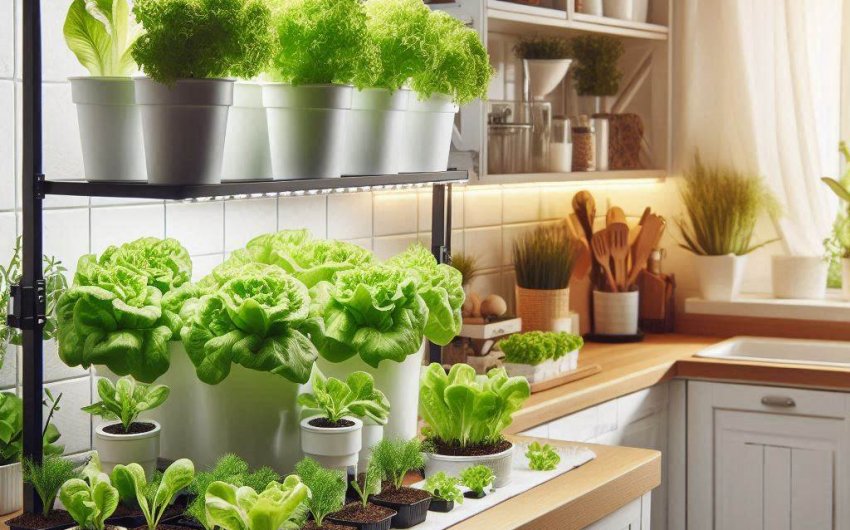
Growing lettuce indoors provides a continuous supply of fresh, crisp greens for salads and sandwiches, even during the coldest months. It's a remarkably simple and rewarding way to enjoy homegrown produce year-round, requiring minimal space and basic care.
Why Grow Lettuce Indoors Year-Round?
Growing lettuce indoors offers a fresh, convenient, and cost-effective way to enjoy your favorite greens regardless of outdoor weather conditions. It brings the joy of gardening into your home and ensures a continuous supply of healthy produce.
Benefits of Growing Lettuce Indoors
- Year-Round Freshness: This is the primary advantage. You can harvest crisp, delicious lettuce even when your outdoor garden is covered in snow or suffering from scorching summer heat. It bridges the gap between outdoor growing seasons.
- Ultimate Convenience: Fresh greens are literally at your fingertips. No need for last-minute grocery runs for salad fixings. Just snip what you need right from the plant.
- Superior Flavor and Texture: Homegrown lettuce often tastes significantly better than store-bought varieties, which can be limp, bruised, or bland from travel. You get peak freshness and flavor.
- Cost Savings: While there's an initial setup cost, growing your own lettuce eventually reduces your grocery bill, especially if you regularly buy organic or specialty greens. Lettuce seeds are incredibly inexpensive, yielding many harvests.
- Pesticide-Free Guarantee: You control the growing environment, ensuring your lettuce is free from harmful pesticides and chemicals. This gives you peace of mind about what you're eating.
- Space-Efficient: Lettuce can be grown in small pots, window boxes, or vertical planters, making it ideal for apartments, condos, or homes with limited outdoor space. A sunny windowsill can be all you need to get started.
- Aesthetic Appeal: A thriving pot of vibrant green lettuce adds a touch of nature and freshness to your kitchen or living space, enhancing indoor aesthetics.
- Therapeutic Hobby: Gardening, even indoors, is a known stress-reliever. Tending to your lettuce can be a calming and rewarding activity, connecting you to nature regardless of the weather outside.
- Educational for Families: It's a fantastic hands-on project for teaching children about plant growth, healthy eating, and where food comes from.
- Control Over Varieties: You can experiment with numerous lettuce varieties that might not be available at your local supermarket, discovering new favorites.
For anyone who loves fresh salads or wants to enjoy homegrown produce year-round, growing lettuce indoors is an accessible, rewarding, and highly beneficial endeavor.
Which Lettuce Varieties Are Best for Indoor Growing?
When it comes to growing lettuce indoors, selecting the right varieties is key to success. Not all lettuce types thrive equally in indoor conditions, which typically involve lower light and warmer temperatures than outdoor spring gardens.
Top Lettuce Varieties for Indoor Cultivation
Focus on "cut-and-come-again" varieties that allow for continuous harvesting without needing to replant the entire head.
Loose-Leaf Lettuces: These are generally the easiest and most forgiving for indoor growing due to their quick growth and cut-and-come-again nature.
Advertisement- 'Black Seeded Simpson': A classic, fast-growing loose-leaf with light green, crinkled leaves. Very reliable and quick to mature.
- 'Green Salad Bowl': Features deeply lobed, bright green leaves. Known for heat tolerance and resistance to bolting, making it good indoors.
- 'Red Salad Bowl' / 'Red Sails': Beautiful reddish-bronze leaves that add color to salads. Similar easy growth to green loose-leaf varieties.
- 'Buttercrunch' (Bibb/Butterhead type): Forms loose heads with tender, buttery-textured leaves. While it forms a head, you can also harvest outer leaves. Offers a richer flavor.
- 'Oakleaf' (Green or Red): Distinctive lobed leaves that resemble oak leaves. Provides a good textural contrast and is very easy to grow.
Romaine (Cos) Lettuce (Mini varieties):
- While full-sized Romaine can be challenging due to height and light needs, mini Romaine varieties can work well indoors.
- 'Parris Island Cos' (or similar mini-Romaine): Produces upright, crunchy leaves. Harvest outer leaves or wait for small heads to form. Needs good light to prevent stretching.
Hydroponic/Container-Specific Varieties:
- Some seed companies specifically breed lettuce varieties for indoor, container, or hydroponic systems. These are excellent choices if available.
Varieties to Approach with Caution (or Avoid) Indoors
- Crisphead (Iceberg) Lettuce:
- Why avoid: Requires cool temperatures and very consistent conditions to form tight heads. Very difficult to achieve indoors without precise environmental control. Not suitable for cut-and-come-again.
- Full-Sized Romaine Lettuce:
- Why approach with caution: Can grow quite tall and require significant light to develop properly. Can become leggy and bitter without enough light.
Tips for Choosing Seeds
- "Cut and Come Again": Look for this designation on seed packets.
- Bolting Resistance: Choose varieties that are described as "slow-bolting" or "heat-tolerant," even indoors, as warm indoor temperatures can sometimes trigger premature bolting.
- Organic/Non-GMO Seeds: For peace of mind, opt for organic lettuce seeds.
By focusing on loose-leaf and butterhead varieties, you'll set yourself up for continuous, delicious harvests when growing lettuce indoors.
What Are the Best Lighting Conditions for Indoor Lettuce?
Light is the single most critical factor for successfully growing lettuce indoors year-round. Lettuce needs consistent, adequate light to produce healthy, flavorful leaves and prevent bolting or legginess. Indoor natural light alone is often insufficient, especially during winter months.
Understanding Lettuce Lighting Needs
- High Light Requirement: Lettuce generally prefers bright, consistent light. While it's a "cool-season" crop outdoors, indoors it still needs intensity.
- Minimum Light: To simply survive, lettuce needs at least 4-6 hours of direct sunlight from a window. However, this often results in leggy, pale, and less flavorful plants.
- Optimal Light (for Best Growth): For robust, flavorful, and bushy lettuce, aim for 10-14 hours of intense light per day. This almost always requires supplemental grow lights.
Ideal Indoor Locations (Natural Light)
- South-Facing Window: This is typically the brightest spot in a home, receiving the most direct sunlight throughout the day. It's the best option if you're relying solely on natural light.
- East-Facing Window: Receives morning sun, which can be sufficient for some lettuce varieties, especially if supplemented later in the day.
- West-Facing Window: Gets intense afternoon sun. This can be good but might cause the plants to heat up too much in summer, leading to bolting.
- North-Facing Window: Generally too dim for most lettuce to thrive, leading to very leggy and unproductive plants.
The Necessity of Supplemental Grow Lights
For consistent, high-quality harvests of lettuce indoors year-round, grow lights are highly recommended, if not essential. Natural window light fluctuates greatly with seasons, weather, and window cleanliness.
- Types of Grow Lights:
- Fluorescent Grow Lights (T5 or T8 bulbs): Economical and effective for leafy greens like lettuce. T5s are brighter and more efficient. Place lights 4-6 inches above the plant tops.
- LED Grow Lights (Full-Spectrum): More energy-efficient, produce less heat, and are long-lasting. Full-spectrum LEDs mimic natural sunlight well. The distance varies by wattage and type; follow manufacturer guidelines. Many LED grow light kits for indoor gardening are perfect for lettuce.
- Light Duration: Set your grow lights on a timer for 12-14 hours per day. This consistent light duration prevents bolting and promotes continuous leaf production.
- Distance from Plants: Proper light distance is crucial. Too far, and plants stretch; too close, and leaves can burn or stress. Adjust as plants grow.
Signs of Insufficient Light for Lettuce
- Legginess: Stems are long and stretched between leaves.
- Pale Green Color: Leaves lack vibrant greenness.
- Reduced Flavor: Lettuce grown in low light will taste less robust.
- Slow Growth/Sparse Leaves: Poor overall plant vigor.
Investing in a good grow light setup will make a dramatic difference in your success when growing lettuce indoors and ensure you have a continuous supply of fresh, healthy greens.
What are the Best Potting Mix and Container Choices for Indoor Lettuce?
Choosing the right potting mix and containers is fundamental for healthy and productive indoor lettuce plants. Proper drainage and aeration are crucial to prevent common indoor gardening problems like root rot.
Optimal Potting Mix for Indoor Lettuce
- Well-Draining: This is the most critical factor. Lettuce roots need oxygen, and they will rot in waterlogged conditions. The potting mix must allow excess water to drain freely while retaining sufficient moisture for the plant.
- Lightweight and Aerated: A good mix should feel light and airy, not dense. This prevents compaction, which suffocates roots.
- Nutrient-Rich (Initially): While lettuce isn't a heavy feeder, a mix with some initial nutrients provides a good start.
- Sterile: Unlike garden soil, potting mixes are typically sterile, reducing the risk of bringing pests, diseases, or weed seeds indoors.
What to look for in a good potting mix:
- A base of peat moss, coco coir, or compost.
- Aerating ingredients like perlite or vermiculite (ensure perlite content is generous).
- Avoid using garden soil or heavy topsoil, as they compact too easily in pots and often contain pathogens or pests.
- A good option is a high-quality organic potting mix designed for containers or edibles.
Ideal Container Choices for Indoor Lettuce
Drainage Holes:
- Absolutely Essential: Every single pot MUST have drainage holes at the bottom. Without them, water accumulates, leading to root rot, which is almost always fatal for lettuce.
- Saucers: Use a saucer or tray underneath to catch excess water and protect your surfaces. Always empty the saucer after watering.
Material:
- Plastic Pots:
- Pros: Lightweight, affordable, retain moisture longer (less frequent watering), wide variety of colors.
- Cons: Can lead to overwatering if not careful; less air circulation for roots compared to porous materials.
- Ideal For: Beginners, those who prefer less frequent watering.
- Terracotta/Unglazed Clay Pots:
- Pros: Porous material allows excellent air circulation to roots and moisture to evaporate through the pot walls, reducing the risk of overwatering.
- Cons: Dries out faster, requiring more frequent watering. Can be heavier.
- Ideal For: Overwaterers, or if you live in a humid environment.
- Self-Watering Planters:
- Pros: Have a built-in reservoir that wicks water up to the soil, providing consistent moisture and reducing watering frequency.
- Cons: Can be more expensive initially.
- Ideal For: Busy individuals, those who travel, or for consistent lettuce growth. Many self-watering indoor planters are available.
- Plastic Pots:
Size and Type:
- Shallow but Wide: Lettuce has a relatively shallow root system but needs space for leaves to spread. Choose pots that are at least 6 inches deep but can be wider.
- Individual Pots: Plant 1-3 lettuce plants per 6-8 inch diameter pot, depending on the mature size of the variety.
- Window Boxes/Rectangular Planters: Excellent for planting multiple lettuce plants in a row, maximizing space on a windowsill.
- Trays: For microgreens or very young cut-and-come-again lettuce, shallow trays (2-3 inches deep) can work.
- Vertical Planters: For very limited space, multi-tiered or wall-mounted vertical planters can be highly efficient for growing numerous lettuce plants.
By choosing a high-quality, well-draining potting mix and containers with ample drainage, you'll provide the perfect foundation for your indoor lettuce plants to thrive, yielding fresh greens year-round.
How Do I Plant and Care for Indoor Lettuce for Year-Round Harvests?
Once you have your chosen lettuce varieties, appropriate containers, and potting mix, planting and providing consistent care are the final steps to ensure successful, year-round harvests of lettuce indoors.
Planting Your Indoor Lettuce
Starting from Seed:
- Direct Sow: Lettuce is very easy to direct sow into its final container.
- Prepare Pot: Fill your chosen pot with moist potting mix, leaving about 1 inch of space from the rim.
- Sow Seeds: Sprinkle lettuce seeds thinly over the surface of the soil. Lettuce seeds are small, so try not to sow them too thickly.
- Cover Lightly: Cover the seeds with a very thin layer (about 1/8 to 1/4 inch) of potting mix or vermiculite. Lettuce seeds actually need a little light to germinate, so don't bury them too deep.
- Gently Water: Mist the surface gently with a spray bottle or water lightly to avoid displacing seeds. Keep consistently moist.
- Germination: Seeds usually germinate in 7-14 days.
- Thinning: Once seedlings are a few inches tall, thin them to the recommended spacing for your variety (usually 4-6 inches apart for loose-leaf types) to prevent overcrowding and promote good air circulation. You can eat the thinnings!
Transplanting (if starting elsewhere or buying seedlings):
- Carefully remove seedlings from their starting tray. Handle by the leaves, not the stem.
- Plant at the same depth they were previously.
- Water thoroughly after transplanting.
Ongoing Care for Indoor Lettuce
Light (Crucial!):
- Provide 10-14 hours of bright light per day. This almost certainly means using a full-spectrum grow light positioned 4-6 inches above the plants. Adjust the light height as plants grow.
- Insufficient light leads to leggy, weak, and bitter lettuce.
Watering:
- Keep the potting mix consistently moist, but never soggy. Lettuce is mostly water, and inconsistent watering can lead to bitterness or bolting.
- Feel the Soil: Water when the top inch or so of soil feels dry to the touch.
- Drainage: Always ensure water drains out of the bottom of the pot, and empty the saucer promptly.
Temperature:
- Lettuce prefers cooler indoor temperatures, ideally between 60-70°F (15-21°C).
- Avoid placing directly next to heat vents, drafty windows, or very hot radiators, as extreme temperature fluctuations can stress plants and trigger bolting.
Air Circulation:
- Good airflow helps prevent fungal diseases. If growing many plants in a confined space, a small oscillating fan can be beneficial.
Fertilizing (Lightly):
- Lettuce is not a heavy feeder.
- Timing: After the first few weeks, or once you start harvesting regularly, you can begin light feeding.
- Type: Use a balanced liquid fertilizer (e.g., 5-5-5 NPK) diluted to half or quarter strength every 2-4 weeks. An organic liquid plant food is a good choice.
- Avoid over-fertilizing, especially with high-nitrogen fertilizers, as this can make lettuce grow too fast and lead to weak, watery leaves.
How Do I Harvest Indoor Lettuce for Continuous Yields?
The beauty of growing lettuce indoors for year-round use lies in its "cut-and-come-again" harvesting method. This technique allows you to continuously harvest fresh leaves from the same plant, maximizing your yield and extending the life of your lettuce.
The "Cut-and-Come-Again" Harvesting Method
When to Start Harvesting:
- Begin harvesting when the outer leaves are about 4-6 inches tall and look robust enough for consumption. This is typically a few weeks after germination, depending on the variety.
How to Harvest:
- Method 1 (Outer Leaves): Use clean scissors or your fingers to snip or pinch off the outer, larger leaves at the base of the plant, leaving the central, smaller leaves intact. This is the most common and recommended method for continuous harvests.
- Benefit: This allows the inner leaves to continue growing, providing a steady supply of fresh greens.
- Method 2 (Cutting Entire Plant): For loose-leaf varieties, you can cut the entire plant about 1 inch above the soil line.
- Benefit: This method works well for a quick, larger harvest.
- Regrowth: If the plant is healthy and conditions are good, it will typically regrow from the base, giving you another harvest or two. This is effective if you want to rotate crops or prefer full harvests.
- Method 1 (Outer Leaves): Use clean scissors or your fingers to snip or pinch off the outer, larger leaves at the base of the plant, leaving the central, smaller leaves intact. This is the most common and recommended method for continuous harvests.
Frequency of Harvest:
- Harvest lettuce regularly, as needed, or at least every 1-2 weeks. Regular harvesting encourages the plant to produce more leaves and prevents it from bolting prematurely.
Tips for Continuous Yields:
- Don't Over-Harvest: Never remove more than about 1/3 of the plant's leaves at any one time. This ensures the plant has enough foliage for photosynthesis to continue growing.
- Monitor for Bolting: If you notice a central stem starting to elongate and shoot upwards (this is "bolting"), your lettuce is trying to flower and set seed. This usually indicates the plant is stressed (often by heat, inconsistent watering, or too much light duration for too little intensity). Once it bolts, the leaves become bitter. You can try to slow it down by moving it to a cooler spot and harvesting heavily, but usually, it's best to harvest what you can and replant.
- Staggered Planting: For a truly continuous supply, plant new batches of lettuce seeds every 2-3 weeks. This ensures that as one plant finishes its productive life or bolts, another is ready for harvest.
By employing these harvesting techniques, you can effectively manage your indoor lettuce plants for optimal growth and enjoy fresh, delicious greens throughout the entire year.
What Are Common Problems with Indoor Lettuce and How to Fix Them?
Even with careful attention, growing lettuce indoors can present a few common challenges. Understanding these issues and their solutions will help you keep your plants healthy and productive year-round.
Troubleshooting Common Indoor Lettuce Problems
Leggy, Stretched, or Pale Growth:
- Cause: Insufficient light. The plant is stretching towards a light source that isn't strong enough.
- Solution: Move the lettuce to a brighter location (e.g., a south-facing window). Most importantly, supplement with a full-spectrum grow light. Position the light 4-6 inches above the plant tops and provide 12-14 hours of light daily. You can prune back some of the leggy growth to encourage bushiness.
Yellowing Leaves:
- Cause: Most commonly overwatering (leading to root rot) or occasionally a nutrient deficiency.
- Solution:
- Overwatering: Feel the soil. If it's constantly soggy, you're overwatering. Allow the top inch or two of soil to dry out between waterings. Ensure your pot has excellent drainage holes and you empty the saucer immediately after watering.
- Nutrient Deficiency: If watering is consistent and good, consider a very light feeding with a diluted balanced liquid fertilizer during the growing season. Remove yellow leaves.
Wilting Plants:
- Cause: Can be either underwatering (soil bone dry, plant collapses) or severe overwatering (root rot has set in, preventing water uptake, causing wilting even in wet soil).
- Solution:
- Underwatering: If the soil is dry, water thoroughly. The plant should perk up within a few hours.
- Overwatering: If the soil is wet, stop watering immediately. Allow the soil to dry out significantly. If it's severe, you might need to repot into fresh, dry potting mix after inspecting roots for rot.
Lettuce Bolting (Stems elongating, forming a flower stalk, leaves becoming bitter):
- Cause: Stress (most often heat or inconsistent watering), too many hours of light without sufficient intensity, or simply the plant reaching the end of its life cycle.
- Solution: Once bolted, the leaves become bitter, and the plant's energy shifts to seed production.
- Prevention: Maintain consistent moisture. Keep temperatures between 60-70°F (15-21°C). Provide adequate light intensity for the duration.
- After Bolting: Harvest what you can immediately (the leaves are still edible, just bitter) and then compost the plant. Start a new batch of seeds.
Pests (e.g., Aphids, Fungus Gnats):
- Aphids: Small green, black, or white insects clustered on new growth or undersides of leaves.
- Solution: Hand-pick or use a strong spray of water (take the plant to the sink) to dislodge them. Apply insecticidal soap or neem oil if necessary.
- Fungus Gnats: Small, black flying insects that hover around the soil surface. They're mostly harmless to plants, but their larvae can damage roots if abundant. They indicate overly wet soil.
- Solution: Allow the top layer of soil to dry out between waterings. Use sticky traps for adults. A thin layer of sand on top of the soil can help.
- General Pest Control: Inspect plants regularly. Isolate infested plants to prevent spread. Avoid harsh chemical pesticides as you're growing for consumption.
- Aphids: Small green, black, or white insects clustered on new growth or undersides of leaves.
By consistently monitoring your indoor lettuce plants and addressing these common issues promptly, you can ensure a thriving garden and a continuous supply of fresh greens year-round.