
Setting Up an Organic Vegetable Garden from Scratch
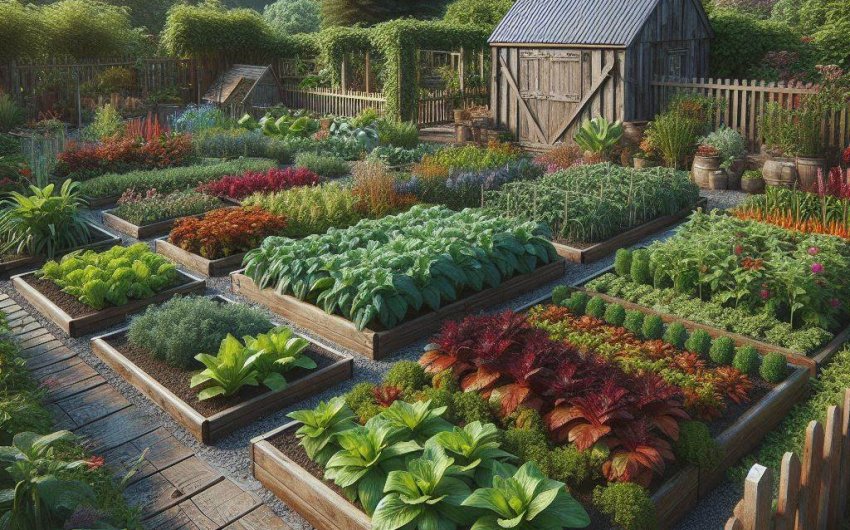
Starting an organic vegetable garden from scratch is a rewarding way to grow your own fresh, chemical-free vegetables. It allows you to control the quality of your food, helps the environment, and can be a relaxing, enjoyable hobby. This guide will cover everything you need to know, from selecting the best location and preparing the soil to choosing plants and maintaining your garden without harmful chemicals.
Benefits of an Organic Vegetable Garden
An organic vegetable garden offers many benefits for both you and the environment:
- Healthier produce: Organic vegetables are free from synthetic pesticides and fertilizers, making them healthier for you and your family.
- Environmental impact: Organic gardening helps preserve biodiversity, reduces pollution, and improves soil health.
- Cost savings: Growing your own vegetables can save you money, especially as organic produce can be more expensive to buy.
Step 1: Choose the Right Location
Selecting the right location is critical for a successful vegetable garden. Vegetables generally need plenty of sunlight, good soil, and adequate drainage.
Sunlight
Most vegetable plants require at least 6-8 hours of direct sunlight daily. Observe your yard throughout the day to determine where the sunniest spots are.
- Tip: If your yard has limited sun, consider using reflectors to maximize sunlight or choose shade-tolerant vegetables like lettuce and spinach.
Accessibility
Choose a location that’s easily accessible for watering, harvesting, and maintenance. Keeping the garden near your kitchen or backdoor can make it convenient to care for and harvest your vegetables.
Drainage
Ensure your garden location has good drainage. Avoid areas where water pools after rain, as this can lead to root rot. If your soil tends to hold water, consider using raised garden beds or containers.
Use raised garden beds if you have poor soil or limited space. They improve drainage and make it easier to control the quality of the soil.
Step 2: Plan Your Garden Layout
Planning your garden layout in advance will help you use your space efficiently and make it easier to maintain. Consider the size and growth habits of each plant to prevent overcrowding and shading.
Garden Beds
Traditional garden beds or raised beds are ideal for an organized, easy-to-maintain vegetable garden. Make sure paths between beds are wide enough for easy access.
Companion Planting
Companion planting is the practice of planting certain plants together to benefit each other. For example, basil planted near tomatoes can help repel pests, while marigolds can help deter insects.
- Tip: Research the best companion plants for your chosen vegetables to improve garden health.
Step 3: Prepare the Soil
Healthy soil is the foundation of an organic vegetable garden. Start by testing your soil and amending it as needed to create the ideal growing environment.
Soil Testing
Use a soil test kit to determine your soil's pH level and nutrient content. Vegetables typically prefer a slightly acidic to neutral pH (6.0-7.0).
Adding Organic Matter
Organic matter is essential for building healthy soil that retains moisture and provides nutrients. Compost, manure, and peat moss are all excellent sources of organic matter.
- Compost: Compost improves soil structure, adds nutrients, and increases water retention. You can buy compost or make your own from kitchen scraps and yard waste.
- Manure: Well-rotted manure is another excellent source of nutrients. Add composted manure to your soil to enrich it with nitrogen and other nutrients.
Mulching
Mulch helps retain moisture, suppress weeds, and regulate soil temperature. Organic mulches like straw or wood chips break down over time, adding nutrients to the soil.
Use straw mulch or wood chips around your plants for a low-maintenance option that benefits soil health.
Step 4: Choose Your Vegetables
Choosing the right vegetables is an exciting part of setting up your garden. Select vegetables that are suited to your climate, space, and preferences.
Climate and Growing Season
Research your growing zone to determine which vegetables are best suited for your climate. Warm-season vegetables like tomatoes and peppers thrive in hot weather, while cool-season crops like lettuce and broccoli prefer cooler temperatures.
Use a planting guide specific to your region to help plan when to start each type of vegetable.
Choose Organic Seeds and Seedlings
To keep your garden organic, start with organic seeds or seedlings that haven’t been treated with chemicals. Organic seeds are often more resilient and produce healthier plants.
Purchase organic seeds from a reputable source to ensure you’re growing chemical-free produce.
High-Yield Vegetables for Small Spaces
If you’re limited on space, consider high-yield vegetables like beans, lettuce, and radishes, which grow quickly and can be harvested frequently.
Step 5: Start Planting
Once your garden is planned and the soil is ready, it’s time to start planting. Follow best practices for each vegetable to give your plants the best chance to thrive.
Direct Sowing vs. Transplanting
Some vegetables, like carrots and radishes, are best sown directly into the soil, while others, like tomatoes and peppers, benefit from being started indoors and transplanted as seedlings.
Use seed trays to start seedlings indoors and ensure they develop strong roots before transplanting them into the garden.
Planting Depth and Spacing
Each vegetable has specific requirements for planting depth and spacing. Overcrowded plants can become stressed and more susceptible to pests and disease.
Check seed packets or a planting guide to ensure you’re giving each plant enough room to grow.
Succession Planting
Succession planting involves planting small batches of crops at staggered intervals, ensuring a continuous harvest throughout the growing season.
Lettuce and radishes are excellent candidates for succession planting because they mature quickly and can be harvested repeatedly.
Step 6: Watering Your Garden
Watering is essential to keeping your plants healthy. Proper watering techniques can make a big difference in plant growth and fruit production.
Watering Schedule
Most vegetables need about 1 inch of water per week, but this can vary depending on the climate, soil type, and the needs of each plant.
Use a rain gauge to monitor rainfall and determine how much supplemental watering your garden needs.
Best Time to Water
Watering in the early morning is ideal because it allows the soil to absorb moisture before the sun evaporates it. Watering in the evening can leave plants damp overnight, increasing the risk of mold and mildew.
Drip Irrigation
Drip irrigation is an efficient way to water plants directly at the root zone, reducing water waste and minimizing disease risk.
Install a drip irrigation system for consistent and efficient watering.
Step 7: Natural Pest Control
In an organic garden, it’s essential to avoid synthetic pesticides and instead use natural pest control methods to protect your plants.
Companion Planting for Pest Control
Certain plants can repel pests when planted alongside your vegetables. For example, marigolds deter aphids and basil can repel mosquitoes and flies.
- Tip: Planting herbs like thyme and rosemary near your garden can also help keep pests away.
Attract Beneficial Insects
Attracting beneficial insects like ladybugs, bees, and lacewings can help control harmful pests and improve pollination.
Use a bee house in your garden to attract pollinators and other beneficial insects.
Organic Pest Sprays
When pests become a problem, use organic sprays like neem oil or insecticidal soap. These products can control pests without harming the environment or beneficial insects.
Purchase neem oil as a safe, organic way to control common garden pests.
Step 8: Maintain Healthy Soil
In an organic garden, soil health is crucial for producing nutrient-rich vegetables. Regularly add organic matter and use crop rotation to keep the soil balanced.
Crop Rotation
Crop rotation helps prevent nutrient depletion and reduces the risk of pest and disease buildup. Rotate your crops by plant family each season to ensure balanced soil nutrients.
Regular Compost Application
Adding compost throughout the growing season replenishes nutrients, improves soil structure, and encourages beneficial microbes.
Apply a thin layer of compost around your plants or mix it into the soil for continuous soil enrichment.
Step 9: Harvesting Your Vegetables
Proper harvesting ensures that you get the best flavor and quality from your organic vegetables. Each vegetable has its own indicators for readiness.
Harvesting Tips
- Timing: Harvest vegetables in the morning when they’re at their freshest.
- Tools: Use clean, sharp pruning shears to avoid damaging plants during harvesting.
Storing and Preserving
After harvesting, store vegetables properly to keep them fresh. Certain vegetables, like carrots and beets, store well in a root cellar or refrigerator, while others, like tomatoes, should be kept at room temperature.
Step 10: Prepare for the Next Season
As your gardening season comes to an end, preparing your garden for the next growing season ensures continued success. Cleaning, amending, and planning will make it easier to start fresh next year.
Clean Up Debris
Remove any plant debris, which can harbor pests and diseases over the winter. Compost healthy plants and discard any diseased material.
Amend the Soil
Add a final layer of compost or manure to replenish nutrients. You can also plant a cover crop to add nitrogen and protect the soil during winter.
Planting a cover crop like clover or rye helps improve soil structure and fertility for the following season.
Plan for Next Year
Reflect on what worked well and what didn’t in your garden. Make notes about plant varieties, pest control successes, and any improvements you want to implement next year.