
Designing a Water-Efficient Garden: Tips and Tricks
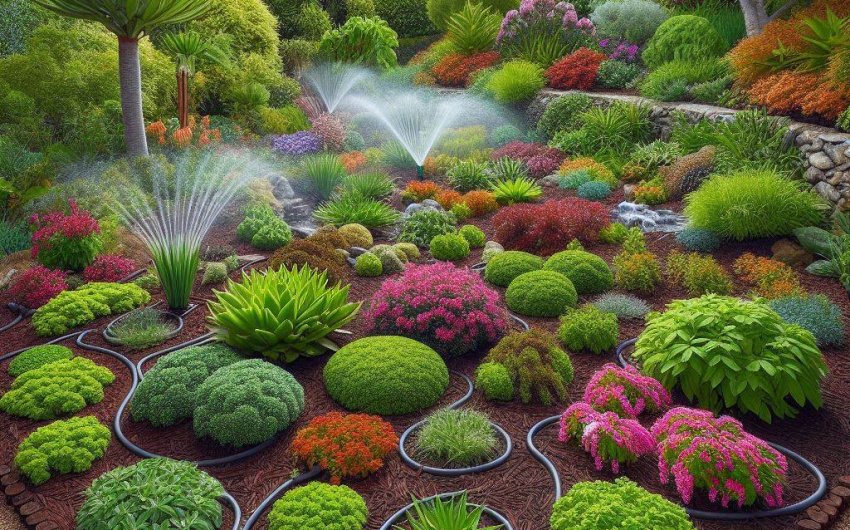
Designing a water-efficient garden involves strategic planning to minimize irrigation needs while maximizing plant health and beauty. The core principles include selecting drought-tolerant plants, improving soil health, implementing efficient irrigation methods, and using mulch effectively to conserve moisture.
What is a Water-Efficient Garden and Why is it Important?
A water-efficient garden (often referred to as a xeriscape, though it doesn't mean "desert-scape") is a landscape designed to thrive on minimal supplemental irrigation. It's about working with nature, selecting plants suited to your climate, and using smart practices to conserve water. The goal is to reduce your outdoor water consumption significantly, sometimes by 50% or more, without sacrificing beauty or functionality.
Why is Designing a Water-Efficient Garden Important?
- Environmental Stewardship:
- Conserves a Precious Resource: Fresh water is a finite and increasingly scarce resource globally. Reducing outdoor water use helps preserve this vital commodity for drinking, agriculture, and ecosystems.
- Reduces Strain on Water Systems: Less demand on municipal water supplies means less energy used for pumping and treating water, lowering carbon footprints.
- Minimizes Runoff and Pollution: Less over-irrigation means less polluted runoff flowing into storm drains, rivers, and oceans, protecting aquatic life and water quality.
- Supports Local Ecosystems: By using native, water-wise plants, you provide better habitat and food sources for local pollinators and wildlife.
- Economic Benefits:
- Lower Water Bills: This is often the most direct benefit for homeowners. Significant savings on monthly water bills.
- Reduced Maintenance Costs: Drought-tolerant plants, once established, generally require less pruning, fertilizing, and pest control compared to water-intensive lawns or exotic plants.
- Resilience and Beauty:
- Drought Resilience: Water-efficient gardens are inherently more resilient during periods of drought and water restrictions, maintaining their beauty when conventional gardens might struggle or fail.
- Unique Aesthetic: They offer a unique aesthetic that celebrates the beauty of plants adapted to local conditions, often creating stunning and diverse landscapes.
By embracing the principles of designing a water-efficient garden, you contribute positively to the environment, save money, and create a resilient and beautiful outdoor space.
What are the Key Principles of Water-Efficient Garden Design?
Designing a water-efficient garden isn't just about picking dry-loving plants; it's a holistic approach built on several interconnected principles. Mastering these is key to creating a truly water-wise landscape.
1. Plan and Design Carefully (The Foundation):
- Observe Your Site: Before you plant, observe your yard. Note areas of full sun, partial shade, deep shade. Identify wet spots (low points, poor drainage) and dry spots (slopes, windy areas).
- Hydrozoning: Group plants with similar water needs together. This allows you to apply water only where and when it's needed, preventing overwatering of drought-tolerant plants and ensuring water-loving plants get enough. Create zones like:
- High Water Use Zone: Small areas for thirsty plants (e.g., vegetables, seasonal annuals), located near the house or a water source.
- Moderate Water Use Zone: For plants needing occasional supplemental water.
- Low Water Use Zone: For drought-tolerant plants that thrive on natural rainfall once established.
- Microclimates: Understand how structures, fences, and large trees create unique microclimates (cooler/shadier vs. hotter/sunnier spots) and plan plant placement accordingly.
2. Select Water-Wise and Native Plants:
- Drought-Tolerant: Choose plants that naturally require less water once established.
- Native Plants: Prioritize plants native to your region. They are naturally adapted to your local climate, rainfall patterns, and soil conditions, making them inherently water-efficient and requiring less maintenance overall. They also support local wildlife.
- Right Plant, Right Place: Match plant water needs, sun exposure, and soil preferences to the specific conditions of your hydrozones.
3. Improve Your Soil:
- Add Organic Matter: Incorporate generous amounts of compost or other organic materials into your garden beds.
- Benefits: Organic matter improves soil structure, increases water-holding capacity (like a sponge), enhances drainage (in clay soils), and improves nutrient availability, all of which reduce the need for frequent watering.
4. Use Mulch Extensively:
- Apply a Thick Layer: Cover all exposed soil in garden beds with a 2-4 inch (5-10 cm) layer of organic mulch.
- Benefits: Mulch significantly reduces water evaporation from the soil surface, suppresses weeds (which compete for water), moderates soil temperature, and adds organic matter as it decomposes.
5. Implement Efficient Irrigation:
- Drip Irrigation/Soaker Hoses: Replace overhead sprinklers with targeted, low-volume irrigation systems that deliver water directly to the plant roots, minimizing waste from evaporation or runoff.
- Smart Controllers: Use irrigation controllers with rain sensors or weather-based technology to automatically adjust watering schedules based on real-time conditions.
- Hand Watering/Spot Watering: For small areas or specific plants, targeted hand watering is efficient.
6. Reduce Lawn Area:
- Lawns are typically the most water-intensive part of a landscape. Consider reducing the size of your lawn or replacing portions with water-wise garden beds, permeable patios, or groundcovers.
7. Capture Rainwater (Harvest Rain):
- Rain Barrels: Install Rain Barrels to collect rainwater from downspouts for later irrigation.
- Rain Gardens: Create Rain Gardens to capture and slowly infiltrate stormwater runoff from hard surfaces, replenishing groundwater.
By systematically applying these principles, you can create a beautiful and thriving landscape that truly excels at water efficiency, making designing a water-efficient garden a sustainable choice.
How Does Hydrozoning Save Water?
Hydrozoning is a fundamental principle in designing a water-efficient garden that dramatically reduces water waste. It involves grouping plants with similar water needs together into distinct zones.
What is Hydrozoning?
Hydrozoning means designing your landscape so that plants that require the same amount of water are planted in the same irrigation zone or area. Instead of treating your entire garden as one uniform watering space, you categorize areas based on their water requirements.
Why Hydrozoning is So Effective for Water Efficiency:
- Prevents Overwatering: This is the biggest benefit. In a traditional mixed garden, if you water enough to satisfy the thirstiest plants, you invariably overwater the drought-tolerant ones. Overwatering leads to root rot, disease, and simply wastes water. Hydrozoning ensures that water-wise plants receive only the minimal water they need, preventing unnecessary applications.
- Optimizes Irrigation Schedule: With hydrozones, you can set separate irrigation schedules for each zone. For instance:
- High Water Use Zone: Watered frequently (e.g., 3 times a week).
- Moderate Water Use Zone: Watered less frequently (e.g., 1-2 times a week).
- Low Water Use Zone: Watered deeply but very infrequently once established (e.g., every 2-4 weeks during dry spells, or not at all).
- Reduces Runoff: By applying water precisely where and when it's needed, hydrozoning minimizes the amount of excess water that runs off, which can carry pollutants and lead to erosion.
- Tailored Nutrient Application: Plants in different hydrozones might also have varying nutrient requirements, allowing for more targeted fertilization.
- Healthier Plants: When plants receive the correct amount of water (not too much, not too little), they are healthier, more vigorous, and better able to resist pests and diseases. This also reduces maintenance needs.
How to Implement Hydrozoning:
- Map Your Site: Draw a diagram of your garden. Mark areas of full sun, shade, slopes, and existing drainage patterns.
- Assess Plant Needs: Research the water requirements of the plants you want to use. Categorize them as high, moderate, or low water users.
- Group Plants: Draw zones on your map, placing plants with similar water needs together.
- High-Water Use Zones: Often near the house, entryways, or patios where you want a lush look, or for vegetable gardens/annuals.
- Low-Water Use Zones: Best for areas far from the house, slopes, or large, less-trafficked parts of the yard.
- Transition: Create smooth transitions between zones with plants that tolerate a wider range of moisture conditions.
- Design Irrigation: If using an automated system, ensure each hydrozone has its own dedicated irrigation zone (separate valve). This allows for independent watering schedules.
By implementing hydrozoning, you transform your garden into a more intelligent and efficient landscape, making it a powerful strategy in designing a water-efficient garden for maximum conservation.
What are the Best Water-Wise and Native Plants for a Garden?
Selecting the right plants is arguably the most impactful choice in designing a water-efficient garden. Prioritizing water-wise and native plants ensures your garden thrives on minimal irrigation while supporting local ecosystems.
Why Water-Wise and Native Plants are Best:
- Adapted to Climate: Native plants are inherently adapted to your local rainfall patterns, soil types, and temperature extremes. This means they naturally require less supplemental water once established.
- Reduced Maintenance: Being suited to the environment, they often need less pruning, fertilizing, and are more resistant to local pests and diseases, saving you time and effort.
- Ecological Benefits: Native plants provide essential food (nectar, pollen, seeds, berries) and shelter for local wildlife, including pollinators (bees, butterflies), birds, and beneficial insects. They are crucial for supporting local biodiversity.
- Authentic Aesthetic: They create a garden aesthetic that feels harmonious with the natural landscape of your region.
Characteristics of Water-Wise Plants:
Look for plants with these features, which indicate drought tolerance:
- Silver/Gray Foliage: Reflects sunlight, reducing heat absorption (e.g., Lavender, Lamb's Ear, Artemisia).
- Fuzzy/Hairy Leaves: Trap moisture, reduce air movement across the leaf surface (e.g., Lamb's Ear, Salvia).
- Small/Fine Leaves: Less surface area for water loss (e.g., Rosemary, Thyme, many conifers).
- Succulent/Fleshy Leaves/Stems: Store water (e.g., Sedum, Stonecrop, Agave, Aloe).
- Waxy Coating: Reduces evaporation (e.g., Eucalyptus, some Rhododendrons).
- Deep Root Systems: Can access water from deeper in the soil profile.
Examples of Water-Wise and Native Plants (General Categories - Always research specific species native to your region and USDA Hardiness Zone):
| Plant Type | Common Water-Wise/Native Examples | Best Uses |
|---|---|---|
| Trees | Oak species (Quercus spp.), Maple species (Acer spp. - depending on specific local native), Juniper, Pine, Cypress, Palo Verde (arid regions), Serviceberry (Amelanchier spp.) | Shade, specimen trees, habitat. Choose appropriate size for your space. |
| Shrubs | Manzanita (Arctostaphylos spp.), Ceanothus (California Lilac), Coyote Bush (Baccharis pilularis), Native Dogwoods, Sumac (Rhus spp.), Native Currants, Rosemary, Lavender, Sage (Salvia spp.) | Borders, hedges, mass plantings, foundation plantings, habitat. |
| Perennials | Coneflower (Echinacea spp.), Black-Eyed Susan (Rudbeckia hirta), Bee Balm (Monarda spp.), Aster species, Coreopsis, Yarrow (Achillea spp.), Sedum, Stonecrop, Lavender, Penstemon spp. | Flower beds, borders, rock gardens, groundcovers, pollinator gardens. |
| Ornamental Grasses | Little Bluestem (Schizachyrium scoparium), Indian Grass (Sorghastrum nutans), Switchgrass (Panicum virgatum), Prairie Dropseed (Sporobolus heterolepis) | Textural interest, movement, erosion control, informal borders. |
| Groundcovers | Creeping Thyme (Thymus serpyllum), Sedum acre, Phlox subulata, various native low-growing sedges (Carex spp.) | Lawn alternatives, erosion control on slopes, filling in bare spots. |
| Succulents/Cacti | Agave, Aloe, Yucca, Prickly Pear Cactus, Echeveria, Sempervivum (Hens and Chicks) | Arid gardens, rock gardens, containers. Many are incredibly low water once established. |
By deliberately choosing a diverse palette of water-wise and native plants, you establish the living framework for a beautiful, resilient, and truly water-efficient garden, minimizing the need for supplemental irrigation.
How Does Improving Soil Health Save Water?
Improving soil health is a foundational, yet often overlooked, strategy in designing a water-efficient garden. Healthy soil acts like a sponge, dramatically increasing its capacity to absorb and hold water, thus reducing the need for frequent irrigation.
Why Healthy Soil is a Water Saver:
- Increased Water-Holding Capacity:
- Organic Matter: The star player. When you add organic matter (compost, well-rotted manure, shredded leaves) to your soil, it creates a porous, spongy structure. Each particle of organic matter can hold many times its weight in water.
- Absorption: This allows the soil to absorb more rainwater or irrigation water before it runs off.
- Retention: The water is then held in the soil where plant roots can access it, rather than quickly percolating away (in sandy soils) or sitting on the surface (in clay soils).
- Improved Drainage in Clay Soils:
- Counterintuitively, adding organic matter to heavy clay soil improves drainage. It binds clay particles together into larger aggregates, creating larger pore spaces for water to move through. This prevents waterlogging, which is a common cause of root rot.
- Better Water Infiltration in Sandy Soils:
- In sandy soils, organic matter acts like a glue, binding sand particles together and increasing the soil's ability to retain moisture, preventing water from leaching away too quickly.
- Reduced Compaction:
- Healthy soil structure with high organic matter is more resistant to compaction. Compacted soil has fewer air pockets, poor drainage, and limited root growth, all of which hinder water absorption and plant health.
- Enhanced Root Growth:
- Loose, well-aerated, and nutrient-rich soil encourages plants to develop extensive, deep root systems. Deeper roots can access water from further down in the soil profile, making plants more resilient during dry spells.
- Nutrient Cycling:
- Organic matter supports a thriving soil microbiome (beneficial bacteria, fungi, worms). These organisms help break down nutrients and make them available to plants, leading to healthier plants that are more efficient at water uptake.
How to Improve Soil Health Organically:
- Incorporate Compost: The best and most impactful way. Annually add a 2-4 inch (5-10 cm) layer of Organic Compost for Gardens and gently work it into the top 6-12 inches of your garden beds.
- Use Mulch: A thick layer of organic mulch slowly breaks down, continuously adding organic matter to the soil from the top down.
- Cover Crops: Plant cover crops in unused garden beds during off-seasons. They protect the soil from erosion, suppress weeds, and, when tilled in, add organic matter.
- Minimize Tilling: Excessive tilling can break down soil structure. Opt for no-till or reduced-till gardening practices to preserve the soil's natural structure and microbial networks.
- Avoid Chemical Fertilizers and Pesticides: These can harm beneficial soil organisms that contribute to soil health and water retention.
By investing in soil health, you build a living, functional reservoir right in your garden, a powerful and sustainable strategy for designing a water-efficient garden.
How Can Efficient Irrigation Methods Save Water?
Employing efficient irrigation methods is a cornerstone of designing a water-efficient garden, directly delivering water to plants while minimizing waste. Moving away from traditional overhead sprinklers can lead to significant water savings.
1. Drip Irrigation Systems:
- How it Works: Drip irrigation systems consist of a network of tubes with small emitters that deliver water slowly and directly to the plant's root zone. Drip Irrigation Kit for Gardens can be customized.
- Benefits:
- Reduced Evaporation: Water is delivered at the soil surface, minimizing evaporation that occurs with overhead sprinklers, especially on hot or windy days.
- Targeted Delivery: Water goes exactly where it's needed – to the plant roots – instead of wetting pathways or weeds.
- Less Runoff: Slow delivery allows water to soak in rather than running off, especially on slopes or compacted soils.
- Less Disease: Keeps foliage dry, reducing the risk of fungal diseases.
- Best Uses: Garden beds, vegetable rows, perennial borders, individual trees, and shrubs.
2. Soaker Hoses:
- How it Works: Soaker hoses are porous hoses that "weep" water along their entire length, delivering water directly to the soil. You can find Soaker Hoses for Gardens.
- Benefits: Similar to drip irrigation, they reduce evaporation and deliver water efficiently at the soil level.
- Best Uses: Long rows of plants, hedges, or densely planted beds.
3. Smart Controllers and Rain Sensors:
- Smart Controllers: These irrigation controllers use local weather data, evapotranspiration rates, and soil moisture levels to automatically adjust watering schedules. They can turn off irrigation during rain or when the ground is already wet.
- Look for Smart Irrigation Controllers.
- Rain Sensors: Simple devices that detect rainfall and temporarily shut off the irrigation system. A Rain Sensor for Sprinkler System connects to your existing system.
- Benefits: Prevents unnecessary watering, saving significant amounts of water.
4. Hand Watering (Strategically):
- Focused Application: For small areas, containers, or newly planted specimens, hand watering with a hose or watering can is highly efficient because you can directly apply water where it's needed.
- Deep Watering: When hand watering, water deeply and slowly to encourage roots to grow down, rather than shallowly.
5. Olla Pots (Ancient Technique):
- How it Works: Ollas are unglazed clay pots buried in the garden with their necks exposed. When filled with water, the porous clay slowly "weeps" water into the surrounding soil, delivering it directly to plant roots.
- Benefits: Extremely water-efficient, virtually no evaporation, easy to use, and encourages deep root growth.
- Best Uses: Vegetable beds, small perennial areas. You can find Olla Watering Pots.
By consciously choosing and implementing these efficient irrigation methods, you directly minimize water waste and ensure your plants receive optimal hydration, a powerful strategy in designing a water-efficient garden.
How Can Mulch Dramatically Reduce Water Use?
Mulch is an incredibly powerful, yet often underestimated, tool in designing a water-efficient garden. Applying a proper layer of mulch can significantly reduce your irrigation needs by directly impacting moisture loss from the soil.
How Mulch Conserves Water:
- Reduces Evaporation (Up to 70%): This is the primary way mulch saves water. A layer of mulch acts as a physical barrier between the sun and the soil. It shades the soil surface, keeping it cooler and greatly reducing the rate at which water evaporates from the soil, especially on hot or windy days.
- Suppresses Weeds: Weeds are major water hogs, competing with your desirable plants for available soil moisture and nutrients. A thick layer of mulch smothers many weeds, minimizing this competition and ensuring water goes directly to your garden plants.
- Moderates Soil Temperature: Mulch insulates the soil. It keeps the soil cooler in summer (reducing evaporation) and warmer in winter (protecting roots). This temperature stability is healthier for plant roots and their water uptake efficiency.
- Improves Soil Health Over Time (Organic Mulches): Organic mulches (like wood chips, shredded leaves, compost) slowly decompose, adding valuable organic matter to the soil. As discussed, organic matter improves soil structure, increases water-holding capacity, and enhances drainage, creating a more naturally resilient and water-efficient growing medium.
- Prevents Erosion: Mulch protects the soil surface from the direct impact of raindrops or irrigation water, preventing soil splash, compaction, and erosion, especially on slopes.
Types of Mulch for Water Efficiency:
- Organic Mulches (Highly Recommended): These break down over time, enriching the soil.
- Wood Chips/Shredded Bark: Excellent choices, long-lasting, widely available. Natural Hardwood Mulch or Pine Bark Mulch.
- Compost: Adds nutrients and organic matter immediately. Organic Compost for Gardens.
- Straw: Great for vegetable gardens, but can blow away in windy areas. Straw Mulch for Gardens.
- Shredded Leaves: Free and effective, especially if you have an abundance.
- Inorganic Mulches: Don't decompose, so they don't enrich soil but are good for specific uses.
- Gravel/Crushed Stone: Excellent for arid, desert-style gardens or around succulents that need very sharp drainage. Can heat soil, so use carefully. Decorative Garden Gravel.
How to Apply Mulch Effectively:
- Layer Thickness: Apply a consistent layer of 2-4 inches (5-10 cm) over all exposed soil in your garden beds. Avoid putting mulch right up against plant stems or tree trunks, as this can trap moisture and cause rot. Leave a small "donut" of clear space.
- Replenish: Organic mulches will decompose over time, so plan to replenish your mulch layer annually or biannually.
By making mulch a cornerstone of your garden care, you harness its incredible water-saving power, significantly enhancing your efforts in designing a water-efficient garden.
How Can Rainwater Harvesting and Rain Gardens Contribute to Water Efficiency?
Beyond conserving the water you apply, capturing and utilizing rainwater is an advanced yet highly effective strategy in designing a water-efficient garden. This involves directly diverting precipitation for garden use, simultaneously reducing runoff and lessening reliance on municipal water sources.
1. Rainwater Harvesting with Rain Barrels:
- How it Works: Rain barrels are containers placed at downspouts to collect rainwater that runs off your roof. The collected water can then be used to manually irrigate garden beds, containers, or even indoor plants.
- Benefits for Water Efficiency:
- Free Water Source: Rainwater is completely free and a readily available source of irrigation.
- Chemical-Free Water: Rainwater is naturally soft and free of chlorine and other chemicals often found in tap water, which can be beneficial for sensitive plants.
- Reduced Municipal Water Use: Direct substitution of tap water with collected rainwater.
- Minimizes Runoff: Prevents roof runoff from overwhelming storm drains or causing erosion on your property.
- Installation: Simply place a Rain Barrel for Downspout under a downspout, ensuring it's on a stable, level surface. Many barrels come with spigots for easy access.
- Considerations: Size of barrel limits capacity; requires overflow management to prevent mosquito breeding (screens on openings) and proper routing away from foundations.
2. Rain Gardens:
- How it Works: A rain garden is a specially designed, shallow depression in your landscape, planted with water-tolerant native plants. It's positioned to receive stormwater runoff from impervious surfaces (like rooftops, driveways, patios) and allows the water to slowly soak into the ground rather than running into storm drains.
- Benefits for Water Efficiency:
- Groundwater Recharge: Replenishes local aquifers, which are vital for drinking water supplies.
- Pollution Filtration: The soil and plants in a rain garden naturally filter out pollutants (fertilizers, pesticides, oil) from stormwater runoff before it re-enters the water table or waterways.
- Reduced Runoff: Significantly reduces the volume of stormwater runoff, alleviating pressure on municipal drainage systems and preventing local flooding and erosion.
- Beautiful Landscape Feature: Creates an attractive garden area that also provides habitat for pollinators and other wildlife.
- Installation: Involves digging a basin, amending soil for optimal drainage, and selecting appropriate native plants for different moisture zones within the garden. You can refer to guides on How to Build a Rain Garden.
3. Swales and Berms:
- How it Works: These are subtle landscaping features designed to direct and slow the flow of water. A swale is a shallow, vegetated ditch that guides water. A berm is a small, raised mound that diverts or contains water.
- Benefits: Guide water to areas where it can be absorbed (e.g., to a rain garden or thirsty trees) rather than running off the property.
- Installation: Requires careful grading of your landscape.
By actively incorporating rainwater harvesting through rain barrels and creating functional rain gardens and swales, you close the loop on your water use, making rainfall an asset for your landscape rather than a waste product. These are advanced, yet highly impactful, strategies in designing a water-efficient garden.
How Can Reducing Lawn Area Contribute to Water Savings?
Reducing the size of your traditional turf lawn is one of the single most impactful strategies in designing a water-efficient garden. Lawns are notoriously thirsty, consuming vast amounts of water, fertilizer, and maintenance.
Why Lawns Are Water Hogs:
- Shallow Roots: Most common turfgrasses (especially Kentucky Bluegrass, Fescue, Perennial Ryegrass) have relatively shallow root systems compared to many water-wise plants. This makes them highly dependent on frequent, shallow watering.
- High Water Needs: To maintain a lush, green appearance, lawns typically require 1 inch of water per week, sometimes more in hot climates, either from rain or irrigation. This adds up quickly for large lawn areas.
- Evaporation: The broad, exposed surface of a lawn is highly susceptible to evaporation, losing a significant amount of water to the atmosphere before it can even reach the roots.
Strategies for Reducing Lawn Area:
- Replace with Water-Wise Garden Beds:
- Convert Sections: Identify areas of your lawn that are rarely used or are difficult to mow (e.g., shady spots, narrow strips). Convert these into garden beds filled with drought-tolerant shrubs, perennials, and groundcovers.
- Expand Existing Beds: Gradually expand the borders of your existing garden beds into the lawn space.
- Benefits: These new beds, designed with water-wise principles (hydrozoning, mulch, appropriate plants), will require significantly less water than the lawn they replace.
- Install Permeable Patios and Walkways:
- Replace Turf: Remove lawn and install patios or walkways made of permeable materials like gravel, decomposed granite, or permeable pavers.
- Benefits: These surfaces allow rainwater to infiltrate into the ground rather than running off, further contributing to water efficiency and reducing demand on municipal water.
- You can find Permeable Pavers for Patios.
- Utilize Groundcovers and Lawn Alternatives:
- Low-Water Grasses: Some regions offer low-water native grasses that can be used as lawn alternatives (e.g., native fescues, Buffalograss). These generally require less water and mowing than traditional turf.
- Drought-Tolerant Groundcovers: Plant low-growing, spreading perennials or succulents as groundcovers in areas where you want a green look but don't need intense foot traffic. Examples include sedum, creeping thyme, or various native groundcovers adapted to your region.
- Create "No-Mow" Zones:
- Designate areas of your lawn as "no-mow" zones. Allow the grass to grow taller or convert them to native meadows. Taller grass has deeper roots and requires less water.
Economic and Environmental Impact:
- Significant Water Savings: Reducing lawn area directly translates to massive water savings.
- Reduced Maintenance: Less mowing, fertilizing, weeding, and pest control required.
- Increased Biodiversity: Replacing monoculture lawns with diverse plantings creates valuable habitat.
By strategically reducing your lawn area and replacing it with more water-efficient alternatives, you make one of the most impactful changes towards designing a water-efficient garden, contributing substantially to overall water conservation.