
Top 10 Drought-Tolerant Plants for Sustainable Landscaping
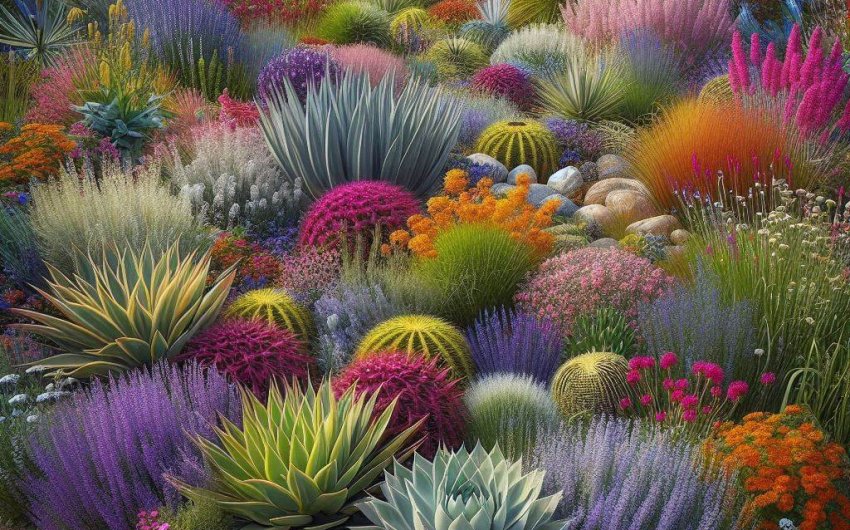
Are you looking to create a beautiful garden that thrives even when water is scarce? Exploring drought-tolerant plants for sustainable landscaping is a smart move for any homeowner. As water conservation becomes increasingly vital, choosing plants that naturally require less water can significantly reduce your utility bills and your environmental footprint. This guide will walk you through some of the best choices, helping you cultivate a vibrant, resilient landscape that stands the test of time and limited rainfall.
What Makes a Plant Drought-Tolerant?
Drought-tolerant plants possess special adaptations that allow them to survive and even flourish with minimal water. These adaptations can be fascinating. Think about plants with waxy leaves that reduce water evaporation, deep root systems that tap into underground water sources, or succulent leaves that store water for extended periods. Understanding these characteristics helps you pick the right plants for your specific climate and soil conditions.
How Do Succulents Store Water?
Succulents, a popular category of drought-tolerant plants, have evolved unique ways to store water in their leaves, stems, or roots. Their fleshy, thickened parts act like natural reservoirs. This stored water allows them to endure long dry spells without showing signs of stress. This makes them ideal for arid regions and rock gardens.
What are Xeriscaping Principles?
Xeriscaping is a landscaping approach focused on water conservation. It involves several key principles:
- Planning and Design: Grouping plants with similar water needs together.
- Soil Improvement: Enhancing soil with organic matter to improve water retention.
- Efficient Irrigation: Using drip systems or smart controllers.
- Low-Water Plants: Choosing drought-tolerant species.
- Mulching: Applying mulch to reduce evaporation and suppress weeds.
- Turf Alternatives: Reducing lawn areas and replacing them with low-water groundcovers.
- Maintenance: Regular care to keep plants healthy and water-efficient.
Why Should You Choose Drought-Tolerant Plants?
Choosing drought-tolerant plants offers numerous benefits beyond just saving water. They often require less maintenance, are more resistant to pests and diseases, and can create stunning, unique garden designs.
How Do Drought-Tolerant Plants Save Water and Money?
The most obvious benefit is water savings. By requiring less supplemental irrigation, these plants dramatically reduce your water consumption. This translates directly into lower water bills, which can add up significantly over a year, especially in areas with water restrictions or high water costs. Less water use also means less strain on local water resources, contributing to environmental sustainability.
What Are the Low Maintenance Benefits?
Many drought-tolerant plants are native to harsh environments, making them incredibly resilient. They often require less fertilization, less pruning, and are more resistant to common garden pests and diseases. This means you spend less time on garden chores and more time enjoying your outdoor space. Their natural hardiness makes them a perfect choice for busy individuals or those looking for an easier gardening experience.
Can Drought-Tolerant Plants Enhance Biodiversity?
Absolutely! By incorporating a variety of native or adapted drought-tolerant plants, you can create a habitat that supports local wildlife. These plants often provide food and shelter for pollinators like bees and butterflies, as well as birds and other beneficial insects. A diverse, water-wise garden contributes to a healthier local ecosystem.
Our Top 10 Drought-Tolerant Plants
Now, let's dive into our top picks for drought-tolerant plants that can transform your landscape.
1. Lavender (Lavandula spp.): A Fragrant Beauty
Lavender is renowned for its beautiful purple blooms and calming fragrance. It's a Mediterranean native, making it exceptionally well-suited to dry, sunny conditions.
Why Choose Lavender?
- Aromatic: Its distinct scent is a natural stress reliever and deters pests.
- Pollinator Magnet: Bees and butterflies flock to lavender, supporting local ecosystems.
- Low Water Needs: Once established, it thrives with minimal irrigation.
- Versatile: Perfect for borders, rock gardens, or as a fragrant hedge.
Care Tips for Lavender:
- Sunlight: Needs full sun (at least 6 hours daily).
- Soil: Prefers well-drained, sandy soil. Avoid heavy clay.
- Watering: Water sparingly once established. Overwatering is its biggest enemy.
- Pruning: Prune after flowering to maintain shape and encourage new growth. A good pair of Gardening Shears can make this task easier.
2. Sedum (Sedum spp.): The Stonecrop Champion
Sedum, often called stonecrop, is a vast genus of succulents known for their striking foliage and long-lasting blooms. They come in various sizes, from groundcovers to upright varieties.
Why Choose Sedum?
- Extreme Drought Tolerance: Can survive long periods without water.
- Architectural Interest: Many varieties have unique textures and shapes.
- Late Season Color: Some varieties, like 'Autumn Joy', bloom in late summer and fall.
- Low Maintenance: Virtually carefree once established.
Care Tips for Sedum:
- Sunlight: Full sun to partial shade.
- Soil: Well-drained soil is crucial.
- Watering: Very little water needed. Let the soil dry out completely between waterings.
- Propagation: Easily propagated from cuttings, making it simple to expand your collection.
3. Agave (Agave spp.): Bold and Beautiful
Agave plants are iconic desert dwellers, known for their dramatic, rosette-shaped forms and sharp spines. They make a bold statement in any landscape.
Why Choose Agave?
- Striking Appearance: Offers unique architectural interest.
- Exceptional Drought Tolerance: Designed by nature to survive arid conditions.
- Low Maintenance: Requires minimal care after planting.
- Long-Lived: Many varieties live for decades.
Care Tips for Agave:
- Sunlight: Full sun is best.
- Soil: Extremely well-drained soil is a must.
- Watering: Water infrequently, especially once established.
- Caution: Wear Gardening Gloves when handling due to sharp leaf tips and spines.
4. California Poppy (Eschscholzia californica): Golden Native
The California Poppy is the state flower of California, celebrated for its bright, cup-shaped golden-orange blooms. It’s a wonderful choice for naturalized areas and wildflower meadows.
Why Choose California Poppy?
- Vibrant Color: Adds cheerful splashes of orange and yellow.
- Self-Seeding: Readily reseeds, creating a beautiful display year after year.
- Excellent for Dry Climates: Thrives in full sun and poor, dry soils.
- Pollinator Friendly: Attracts bees and other beneficial insects.
Care Tips for California Poppy:
- Sunlight: Full sun.
- Soil: Tolerates poor, sandy, well-drained soils.
- Watering: Needs very little water once established.
- Sowing: Best sown directly in the fall or early spring. You can find California Poppy Seeds easily online.
5. Russian Sage (Perovskia atriplicifolia): Wispy and Wonderful
Russian Sage is a woody perennial admired for its silvery foliage and airy spikes of lavender-blue flowers that bloom from summer into fall. It creates a soft, hazy effect in the garden.
Why Choose Russian Sage?
- Extended Bloom Time: Provides color for several months.
- Deer Resistant: Its aromatic foliage deters deer.
- Tolerates Poor Soil: Adapts well to various soil types, as long as drainage is good.
- Attracts Pollinators: Bees and butterflies love its flowers.
Care Tips for Russian Sage:
- Sunlight: Full sun.
- Soil: Well-drained soil is essential.
- Watering: Drought-tolerant once established.
- Pruning: Cut back hard in early spring to encourage bushy growth.
6. Lavender Cotton (Santolina chamaecyparissus): Silvery Texture
Lavender Cotton is a Mediterranean shrub known for its finely textured, aromatic, silvery-gray foliage and small, button-like yellow flowers. It’s perfect for adding contrast and texture to a drought-tolerant garden.
Why Choose Lavender Cotton?
- Unique Foliage: Offers beautiful silvery-gray color and fine texture.
- Fragrant: Aromatic foliage with a scent similar to chamomile.
- Deer and Rabbit Resistant: Unappealing to common garden pests.
- Coastal Tolerance: Does well in coastal areas with sandy soil.
Care Tips for Lavender Cotton:
- Sunlight: Full sun.
- Soil: Requires excellent drainage; rocky or sandy soil is ideal.
- Watering: Very low water needs once established.
- Pruning: Prune after flowering to maintain a compact shape.
7. Coreopsis (Coreopsis spp.): Sunny Delight
Coreopsis, also known as tickseed, is a cheerful perennial that produces an abundance of daisy-like flowers, typically in shades of yellow, but also pinks and reds. Many varieties are incredibly drought-tolerant.
Why Choose Coreopsis?
- Long Blooming Season: Many varieties bloom from summer well into fall.
- Bright Colors: Adds a sunny disposition to any garden.
- Attracts Butterflies: A favorite nectar source for pollinators.
- Easy to Grow: Adapts to a variety of conditions, including dry spells.
Care Tips for Coreopsis:
- Sunlight: Full sun.
- Soil: Prefers well-drained soil.
- Watering: Tolerates dry conditions once established.
- Deadheading: Removing spent blooms encourages more flowers.
8. Bougainvillea (Bougainvillea glabra): Tropical Burst
While often associated with tropical climates, Bougainvillea is surprisingly drought-tolerant once established. Its vibrant, papery bracts (often mistaken for flowers) come in brilliant shades of pink, purple, red, and orange.
Why Choose Bougainvillea?
- Spectacular Color: Delivers an explosion of intense, long-lasting color.
- Versatile Growth Habit: Can be grown as a vine, shrub, or even a groundcover.
- Heat Tolerant: Thrives in hot, sunny conditions.
- Drought Resilient: Requires minimal water once established.
Care Tips for Bougainvillea:
- Sunlight: Full sun for best blooms.
- Soil: Well-drained soil. Prefers slightly acidic to neutral pH.
- Watering: Water deeply but infrequently. Allow soil to dry out between waterings.
- Pruning: Can be pruned heavily to control size and shape. A good pair of Pruning Shears is essential.
9. Yarrow (Achillea millefolium): Hardy and Herbal
Yarrow is a robust perennial with feathery foliage and flat-topped clusters of flowers, typically white, yellow, or pink. It’s known for its medicinal properties and its ability to thrive in challenging conditions.
Why Choose Yarrow?
- Extremely Hardy: Tolerates heat, drought, and poor soils.
- Long-Lasting Blooms: Flowers from early summer into fall.
- Pollinator Favorite: Attracts a wide range of beneficial insects.
- Deer and Rabbit Resistant: Not a preferred food source for pests.
Care Tips for Yarrow:
- Sunlight: Full sun.
- Soil: Adaptable, but prefers well-drained soil. Avoid overly rich soil.
- Watering: Very low water needs once established.
- Deadheading: Remove spent flowers to encourage reblooming.
10. Lantana (Lantana camara): Continuous Color
Lantana is a vibrant, fast-growing shrub that produces clusters of small flowers in a remarkable array of colors, often changing hue as they mature. It’s a favorite for its continuous bloom.
Why Choose Lantana?
- Non-Stop Blooms: Flowers profusely from spring until frost.
- Heat and Humidity Tolerant: Thrives in warm, sunny climates.
- Attracts Butterflies: A major magnet for various butterfly species.
- Drought Tolerant: Once established, it can withstand dry periods.
Care Tips for Lantana:
- Sunlight: Full sun for best flowering.
- Soil: Well-drained soil is preferred.
- Watering: Water regularly until established, then reduce frequency significantly.
- Pruning: Can be pruned to shape or to encourage bushier growth.
How Do You Design a Drought-Tolerant Garden?
Creating a beautiful, water-wise garden involves more than just selecting the right plants. Strategic design plays a crucial role in maximizing water efficiency and visual appeal.
What is Hydrozoning?
Hydrozoning is the practice of grouping plants with similar water needs together. This allows you to irrigate more efficiently, providing only the necessary amount of water to each zone. For example, you might have a "low-water zone" for your most drought-tolerant plants and a smaller "moderate-water zone" for plants that need a bit more. This avoids overwatering some plants while underwatering others.
What Role Does Soil Play?
Good soil preparation is fundamental for drought-tolerant plants. While many can tolerate poor soils, improving drainage is key. Adding organic matter, like compost, can help sandy soils retain a little moisture without becoming waterlogged, and help heavy clay soils drain better. A Soil Test Kit can help you understand your soil's composition.
How Important is Mulching?
Mulching is one of the easiest and most effective ways to conserve water in your garden. A 2-4 inch layer of organic mulch (like wood chips, bark, or compost) around your plants helps in several ways:
- Reduces Evaporation: Acts as a barrier, slowing down water loss from the soil surface.
- Suppresses Weeds: Less competition for water and nutrients.
- Regulates Soil Temperature: Keeps roots cooler in summer and warmer in winter.
- Improves Soil Health: As organic mulches break down, they add nutrients to the soil.
You can find various types of Garden Mulch suitable for your needs.
What Irrigation Methods are Best?
For water-wise landscaping, traditional overhead sprinklers are often inefficient. Instead, consider:
- Drip Irrigation: Delivers water directly to the plant's root zone, minimizing evaporation and runoff. This is highly efficient. You can get a Drip Irrigation Kit for easy setup.
- Soaker Hoses: Similar to drip irrigation, these hoses slowly release water along their entire length.
- Smart Controllers: Use local weather data to adjust watering schedules, ensuring your garden only gets water when it truly needs it.
How Can You Incorporate Hardscaping?
Hardscaping elements, like pathways, patios, and rock gardens, are essential for reducing the amount of planted area that needs water. They also add structure and visual interest to your landscape. Consider using permeable materials like gravel or permeable pavers to allow rainwater to soak into the ground rather than running off.
Are There Any Challenges with Drought-Tolerant Plants?
While drought-tolerant plants offer many advantages, there can be a few considerations, especially during establishment.
Do They Need Water When First Planted?
Yes, even drought-tolerant plants need regular watering during their establishment phase. This period, typically the first growing season, allows their root systems to grow deep and strong. Once roots are well-developed, they can then tap into deeper soil moisture and become truly drought-resilient. Think of it like teaching a child to ride a bike – they need training wheels at first, but eventually, they can ride on their own.
What About Soil Type?
While many are adaptable, most drought-tolerant plants prefer well-drained soil. Heavy clay soils that retain too much moisture can lead to root rot, even for plants that don't need frequent watering. If you have heavy clay, consider amending it with organic matter or planting in raised beds or mounds to improve drainage.
Can They Survive Extreme Cold?
Drought tolerance does not always equate to cold hardiness. Many popular drought-tolerant plants are native to warm, arid regions and may not survive harsh winters. Always check the USDA Plant Hardiness Zone for any plant you consider to ensure it's suitable for your climate. For example, while Agave is very drought-tolerant, many varieties are not cold-hardy above Zone 8.
How Can You Transition to a Water-Wise Landscape?
Transitioning your existing landscape to a more water-wise design can be a gradual and rewarding process.
Where Do You Start?
Begin by assessing your current landscape. Identify areas where you use a lot of water, such as large expanses of lawn. Consider replacing these high-water-use areas first. You might start with a small section of your yard or a specific planting bed.
How Do You Remove a Lawn?
Replacing a lawn can seem daunting, but there are several effective methods:
- Sheet Mulching/Lasagna Gardening: Lay down cardboard or newspaper layers, then add layers of organic matter (compost, leaves, straw). This smothers the grass and enriches the soil over time.
- Solarization: Cover the lawn with clear plastic sheeting during hot weather. The sun's heat bakes the grass and weed seeds.
- Manual Removal: Digging out the grass can be laborious but effective for smaller areas. A Garden Spade will be helpful.
What About Design Inspiration?
Look for inspiration in your local area. Visit botanical gardens, public parks, or even neighbors' yards that feature drought-tolerant plants. Consider the mature size of the plants and how they will fit into your space. Think about different textures, colors, and heights to create a visually appealing and dynamic garden. Online resources and books on xeriscaping can also provide valuable ideas.
Should You Start Small?
Yes, absolutely. Beginning with a small project, such as converting a single flower bed or a strip of lawn, allows you to gain experience and confidence. As you learn what works best in your specific conditions, you can gradually expand your water-wise efforts throughout your entire landscape.
Embrace a Beautiful, Sustainable Garden
Choosing drought-tolerant plants for sustainable landscaping is more than just a trend; it's a responsible and practical choice for creating a beautiful and resilient garden. By embracing these water-wise selections and implementing smart design principles, you can significantly reduce your water consumption, lower maintenance demands, and contribute to a healthier environment. Your garden will not only thrive in challenging conditions but also serve as a vibrant testament to sustainable living.