
When is the Best Time to Water Your Plants?
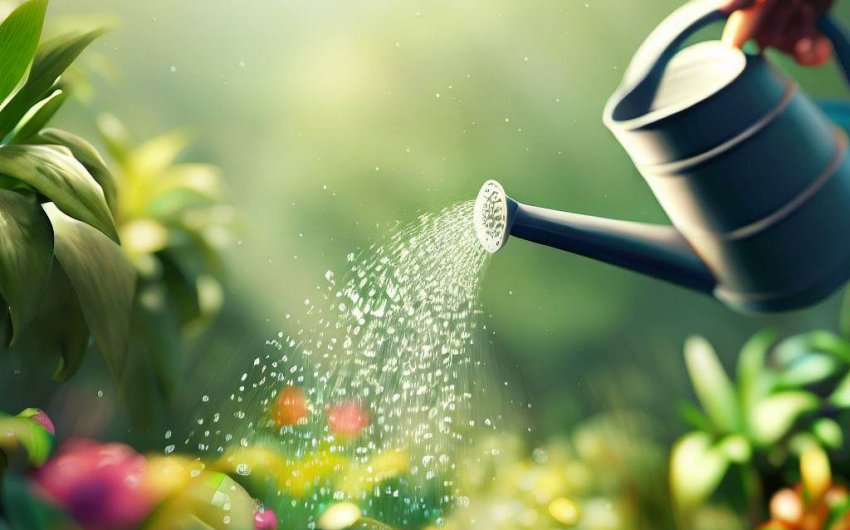
The best time to water your outdoor plants is generally in the early morning, between 6:00 AM and 10:00 AM, before the sun becomes too intense. This timing allows the water to soak deeply into the soil before excessive evaporation occurs, while also giving plant foliage enough time to dry out before nightfall, reducing the risk of fungal diseases.
Why does the timing of watering matter for plant health?
The timing of watering is a critical, yet often overlooked, aspect of plant care that significantly impacts plant health, water efficiency, and disease prevention. Watering at the wrong time can lead to wasted water, stressed plants, and create ideal conditions for harmful pathogens to thrive. Understanding the "why" behind the optimal watering schedule helps cultivate a healthier, more sustainable garden.
How does watering time affect water absorption by plants?
Plants primarily absorb water through their roots. During the cooler parts of the day (early morning), plants are able to efficiently take up water before the sun causes rapid transpiration (water evaporation from leaves). When you water in the morning, the roots have several hours to absorb the moisture before the heat of the day increases the plant's water demands. Watering during peak heat or at night can make absorption less efficient or lead to other problems.
How does watering time impact water loss through evaporation?
Water loss through evaporation is a major concern when watering.
- Mid-day watering: Watering in the middle of a hot, sunny day leads to significant water loss due to rapid evaporation from the soil surface and directly from wet foliage. Much of the water may never reach the roots.
- Early morning watering: Watering in the cool of the morning minimizes evaporation, allowing more water to penetrate deeply into the soil where roots can access it.
- Late evening/night watering: While evaporation is low, this timing can lead to other issues for foliage.
Why is drying foliage important for disease prevention?
Wet foliage, especially overnight, creates a prime environment for fungal and bacterial diseases to develop and spread. Many common plant pathogens, like powdery mildew, black spot, and blight, require prolonged periods of moisture on leaf surfaces to germinate and infect the plant. Watering in the morning allows the sun and air circulation to dry the leaves naturally before nightfall, significantly reducing this risk.
What are the benefits of watering in the early morning?
Watering in the early morning is widely considered the best practice for most outdoor plants, offering a combination of efficiency, plant health benefits, and disease prevention.
How does morning watering maximize water efficiency?
- Low evaporation rates: Temperatures are cooler and winds are typically calmer in the morning, meaning less water is lost to evaporation from the soil surface and plant foliage. More water reaches the root zone.
- Root absorption: Plants can absorb water more effectively during the cooler hours before their metabolic rate ramps up with the midday sun.
- Deep penetration: The water has ample time to soak deeply into the soil before the sun's intensity draws moisture back up.
How does morning watering promote plant health?
- Hydration for the day: Plants are well-hydrated before the hottest part of the day, making them more resilient to heat stress and less likely to wilt.
- Nutrient uptake: Efficient water absorption also means better nutrient uptake from the soil.
- Reduced stress: Well-hydrated plants are generally more vigorous and better able to withstand environmental challenges.
How does morning watering prevent diseases?
This is a key benefit. Watering in the early morning gives plant foliage several hours to dry out completely before nightfall. This crucial drying period minimizes the conditions conducive to fungal and bacterial diseases, which thrive in prolonged dampness.
Why is watering in the late evening or at night generally not recommended?
While watering in the late evening or at night might seem appealing due to low evaporation rates, it carries significant risks for plant health, primarily due to promoting disease.
Why does nighttime watering encourage fungal diseases?
When plants are watered in the late evening or at night, their foliage often remains wet for prolonged periods throughout the night. This extended dampness creates the perfect environment for fungal spores to germinate and infect plants. Diseases like powdery mildew, rust, and various leaf spots thrive in these conditions. This is particularly problematic in humid climates or for plants prone to fungal issues.
Can nighttime watering lead to other problems?
- Snail and slug activity: Moist conditions overnight can also encourage slugs and snails, which feed on plant foliage during the night.
- Root issues (less common but possible): If soil remains saturated for too long overnight, especially in poorly draining soil, it could contribute to root problems, though the primary concern is usually foliage disease.
When is watering during the day problematic?
Watering your plants in the middle of the day, especially during peak sunlight and heat, is generally the least efficient and most wasteful method.
Why is mid-day watering wasteful?
- High evaporation: The sun's intensity and higher temperatures cause water to evaporate very quickly from the soil surface and directly from plant foliage. A significant portion of the water never reaches the plant's roots.
- Inefficient absorption: Plants may be under heat stress during midday, making their ability to absorb water less efficient.
Can mid-day watering harm plants?
- Thermal shock: Applying cold water to heat-stressed plants can potentially cause a minor thermal shock, though this is usually less significant than the water waste.
- Leaf scorch (controversial): The idea that water droplets on leaves act like magnifying glasses, causing scorch, is largely a myth. While it's possible in very specific circumstances (e.g., highly convex droplets on fine hairs on delicate leaves under intense sun), it's far less common than generally believed. The bigger concern is the rapid evaporation and disease risk.
What factors influence your optimal watering schedule?
While early morning is generally best, a precise watering schedule isn't a one-size-fits-all solution. Several factors dictate how often and how much you need to water your plants.
How do plant type and age affect watering needs?
- Plant type: Different plants have vastly different water needs.
- Drought-tolerant plants: Succulents, cacti, and many Mediterranean herbs prefer infrequent watering, allowing soil to dry out completely.
- Moisture-loving plants: Ferns, impatiens, and many vegetables need consistently moist soil.
- Deep-rooted plants: Trees and shrubs benefit from deep, less frequent watering.
- Age of plant:
- New seedlings/transplants: Require frequent, shallow watering to establish their root systems.
- Established plants: Develop deeper roots and often tolerate less frequent, deeper watering.
How do soil type and drainage affect watering?
- Sandy soil: Drains very quickly and retains less water, so it needs more frequent watering.
- Clay soil: Retains water for longer but can become waterlogged if overwatered. Needs less frequent but careful watering.
- Loamy soil: A balanced mix, generally retains moisture well while draining adequately.
- Good drainage: Essential for all plants to prevent root rot. Pots should always have drainage holes.
How do climate and weather conditions influence watering?
- Temperature: Higher temperatures increase evaporation and plant water demand, requiring more frequent watering.
- Humidity: Lower humidity increases evaporation, meaning plants need more water. High humidity reduces evaporation.
- Wind: Windy conditions accelerate evaporation, increasing water needs.
- Rainfall: Adjust watering schedules based on recent rainfall.
What about container vs. in-ground plants?
Container plants generally need much more frequent watering than plants in the ground.
- Limited soil volume: Pots have less soil to hold moisture.
- Increased evaporation: Container walls (especially terracotta) can promote evaporation.
- Exposure: Pots are more exposed to sun and wind.
During hot, dry, windy weather, container plants might need daily watering, sometimes even twice a day.
How do you know when to water your plants, regardless of time?
Knowing when to water is ultimately more important than the exact time of day. Your plants will tell you when they're thirsty if you know how to read the signs.
What are reliable indicators that plants need water?
- Finger test: Stick your finger 1-2 inches into the soil (deeper for larger plants). If it feels dry, it's time to water. This is the most reliable method.
- Pot weight: A dry pot feels significantly lighter than a watered one. Lift your pots to gauge their weight.
- Wilting/Drooping leaves: Many plants will visibly droop or wilt when they need water. While it's a clear sign, try to water before plants reach severe wilting.
- Leaf color/texture changes: Some plants show duller leaves, or edges might start to crisp if consistently underwatered.
- Soil moisture meter: A soil moisture meter can provide accurate readings, especially helpful for beginner gardeners or for sensitive plants.
What are key watering techniques?
- Water deeply: Aim to saturate the entire root zone, encouraging deep root growth.
- Water slowly: Allows water to penetrate the soil rather than running off.
- Water at the base: Avoid overhead watering to keep foliage dry and reduce disease risk.
- Check drainage: Ensure excess water can drain away freely from pots and garden beds.
Can you use automated irrigation systems for optimal timing?
Automated irrigation systems, such as drip irrigation or smart sprinklers, can be excellent tools for delivering water efficiently and at the optimal time, taking some of the guesswork out of watering.
How do drip irrigation systems work with optimal timing?
Drip irrigation systems deliver water slowly and directly to the plant's root zone, minimizing evaporation and ensuring deep penetration.
- Efficiency: Highly water-efficient, reducing waste.
- Targeted watering: Keeps foliage dry, reducing disease risk.
- Automated timing: When paired with a water timer, they can be programmed to run in the early morning, ensuring consistent and timely hydration.
How do smart sprinkler systems optimize watering?
Smart sprinkler systems often integrate with local weather forecasts and soil moisture sensors.
- Weather adjustments: Automatically adjust watering schedules based on rain, temperature, and humidity, preventing over or under-watering.
- Optimal timing: Can be programmed to water in the early morning hours.
- Zone control: Allows different areas of the garden with varying plant needs to be watered independently.
The best time to water your plants is fundamentally in the early morning, maximizing water efficiency and significantly reducing the risk of disease. However, successful watering is a dynamic process that also considers specific plant needs, soil type, and prevailing weather conditions. By combining optimal timing with careful monitoring and efficient watering techniques, you can foster a healthy, vibrant garden that thrives.