
What Causes Avocado Leaf Burn and How to Prevent It?
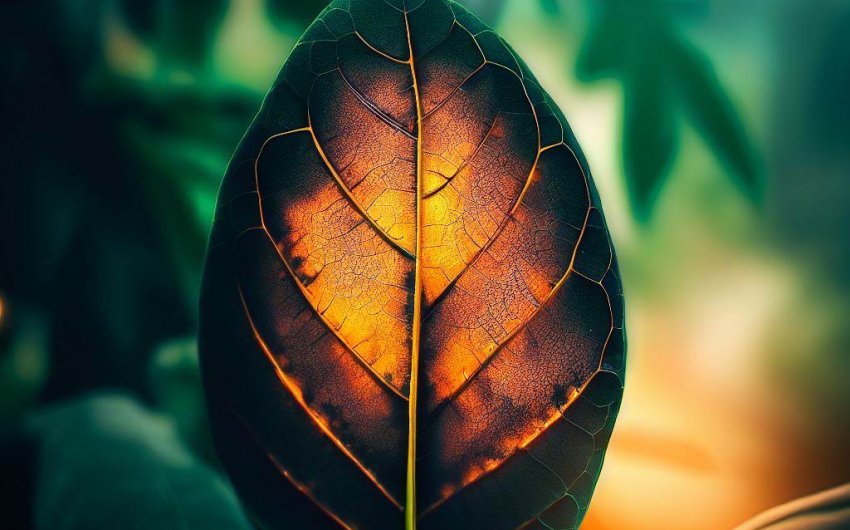
Avocado leaf burn, characterized by crispy brown tips and edges, is primarily caused by salt buildup in the soil and inconsistent watering practices, especially underwatering or cycles of drought and overwatering. To prevent it, focus on consistent, deep watering with good quality water, ensure excellent soil drainage, and flush the soil periodically.
What does avocado leaf burn look like, and why does it happen?
Avocado leaf burn is a common and frustrating problem for avocado tree owners, whether they're growing indoors in pots or outdoors in the garden. It typically manifests as the browning and crisping of the leaf tips and edges, which can eventually spread inward, giving the leaves a scorched appearance. While aesthetically unpleasing, it's often a symptom of underlying issues related to environmental stress, particularly water and salt management.
What are the visible signs of avocado leaf burn?
- Brown, crispy leaf tips: The most common symptom, starting at the very edge.
- Brown leaf margins: The browning spreads along the entire edge of the leaf.
- Yellowing leading to browning: A band of yellow may appear before the crisp brown tissue.
- Premature leaf drop: Severely affected leaves may eventually fall off the tree.
- Stunted growth: Chronic leaf burn can lead to overall reduced tree vigor.
Why do avocado leaves specifically show burn on the tips and edges?
Avocado leaves are particularly prone to tip and edge burn because these are the areas where water transpires (evaporates) most readily, and consequently, where dissolved salts and minerals accumulate. When the plant struggles to take up enough water, or when there's an excess of salts in the soil, these compounds get pushed to the leaf margins, where they accumulate and essentially burn the leaf tissue.
What is the primary cause of avocado leaf burn?
The overwhelming primary cause of avocado leaf burn is salt accumulation in the root zone, which is often exacerbated or caused by improper watering techniques. Avocado trees are notoriously sensitive to salts.
How does salt buildup occur in avocado soil?
Salt buildup in avocado soil can occur from several sources:
- Tap water: Most municipal tap water contains dissolved salts, chlorine, and sometimes fluoride. Over time, these minerals accumulate in the soil as water evaporates.
- Fertilizers: Synthetic fertilizers, while providing nutrients, are also salts. Over-fertilization or improper application can lead to a rapid increase in soil salinity.
- Ocean spray: For trees near coastal areas, salt from ocean spray can be a factor.
- Poor drainage: If soil doesn't drain well, salts aren't flushed away and concentrate in the root zone.
- Inconsistent watering: Dry periods concentrate salts, and then a sudden influx of water draws concentrated salts into the plant.
Why are avocado trees so sensitive to salts?
Avocado trees have a unique root system that is particularly sensitive to high salt concentrations. High salinity in the soil creates an osmotic imbalance, making it difficult for the roots to absorb water, even when water is present. Essentially, the water in the soil is "held" more tightly by the salts than the plant can absorb, leading to physiological drought symptoms, which manifest as leaf burn.
How does improper watering contribute to avocado leaf burn?
Improper watering practices are a huge exacerbating factor for avocado leaf burn, either directly stressing the tree or contributing to the buildup of salts in the soil. Both underwatering and certain types of overwatering can be problematic.
How does underwatering cause leaf burn?
Underwatering directly contributes to avocado leaf burn. When the soil dries out too much between waterings:
- Salt concentration increases: As water evaporates from the soil, any dissolved salts become more concentrated in the remaining soil water.
- Reduced water uptake: The tree cannot take up sufficient water to support its leaves, especially the tips and edges, leading to desiccation and browning.
- Weakened roots: Chronic underwatering stresses the root system, making it less efficient at water and nutrient uptake.
How does inconsistent watering worsen the problem?
Cycles of drought followed by heavy watering are particularly damaging for avocado trees.
- Dry spell: Salts become concentrated, and leaves become less resilient.
- Heavy watering: A sudden influx of water forces highly concentrated salts into the plant, overwhelming the leaf tissue and causing rapid burning and splitting. Consistent moisture, avoiding extremes, is much better.
Can overwatering lead to leaf burn?
While less direct than underwatering, chronic overwatering can also contribute to symptoms that resemble leaf burn. Overwatering leads to:
- Root rot: Waterlogged soil deprives roots of oxygen, causing them to rot. Damaged roots cannot absorb water effectively, leading to symptoms of underwatering (including leaf burn), even if the soil is wet.
- Nutrient lockout: Constantly wet soil can impact nutrient availability, further stressing the plant.
What other environmental factors contribute to avocado leaf burn?
Beyond salts and watering, several other environmental factors can play a role in avocado leaf burn, either directly causing damage or stressing the tree to make it more susceptible.
How do high temperatures and low humidity affect avocado leaves?
Avocado trees are tropical but can still be stressed by extremes.
- High temperatures: Very hot, dry winds can increase the rate of transpiration from the leaves. If the roots cannot keep up with the water demand, the leaf tips will dry out and burn.
- Low humidity: Extremely low humidity environments (common indoors, or in arid outdoor climates) also increase transpiration rates, making it harder for the leaves to stay hydrated and leading to crispy brown tips.
Can direct sun cause avocado leaf burn?
Yes, too much direct, intense sun, especially for young avocado trees or those not acclimated to strong sunlight, can cause sunburn on the leaves. This will appear as scorched, bleached, or brown patches directly on the leaf surface, not necessarily just the tips and edges. Newly transplanted trees or those moved from shade to full sun are particularly vulnerable.
What about cold temperatures and frost?
Cold temperatures and frost can cause severe damage to avocado leaves, which will also appear as browning and crisping. This kind of damage usually affects entire leaves or larger sections, turning them dark brown or black. Avocado trees are sensitive to cold, so protecting them from frost is crucial.
How do you prevent avocado leaf burn effectively?
Preventing avocado leaf burn requires a multi-pronged approach that addresses soil composition, watering practices, and environmental conditions. Consistency is key to long-term success.
What are the best watering practices to prevent leaf burn?
- Consistent, deep watering: Water thoroughly when the top few inches of soil are dry. Allow water to penetrate deeply into the root zone.
- Use appropriate water: Whenever possible, use rainwater or distilled water for potted avocado plants. If using tap water, consider letting it sit out for 24 hours to allow chlorine to dissipate (though this doesn't remove salts or fluoride).
- Flush the soil periodically: For potted plants, once every 1-2 months, water deeply until a significant amount of water drains from the bottom. Allow this water to drain completely before placing the pot back in its saucer. This helps flush out accumulated salts.
- Ensure excellent drainage: Always use pots with drainage holes and a well-draining potting mix. For in-ground trees, ensure the planting site has good drainage. A soil moisture meter can help prevent both over and under watering.
How do you manage soil and fertilization to prevent leaf burn?
- Well-draining soil: Plant avocado trees in loose, well-draining soil. For containers, use a specialized cactus/citrus potting mix or amend regular potting soil with perlite and orchid bark for aeration.
- Avoid over-fertilization: Use a balanced, slow-release fertilizer designed for citrus or avocado trees, and apply it sparingly and according to package directions. Avoid high-salt fertilizers. Consider organic avocado fertilizer options.
- Mulch: Apply a 2-4 inch layer of organic mulch (like wood chips) around the base of outdoor trees, keeping it a few inches away from the trunk. This helps retain soil moisture and regulate temperature.
What environmental adjustments help prevent leaf burn?
- Provide appropriate light: Place avocado trees in bright, indirect light indoors. Gradually acclimate outdoor trees to full sun if they've been in shade.
- Increase humidity: For indoor plants, use a room humidifier or pebble trays to boost humidity.
- Protect from extreme weather: Shield young outdoor trees from intense afternoon sun or harsh winds during heatwaves. Provide frost protection for sensitive varieties.
- Windbreaks: Plant windbreaks around outdoor trees if they are in a very windy location.
Can you fix already burned avocado leaves?
Unfortunately, once an avocado leaf has developed brown, crispy burn, that specific tissue cannot be "un-burned" or revived. The damage is permanent for that part of the leaf.
Should you remove burned leaves from an avocado tree?
- Minor tip burn: For just a few brown tips, you can leave the leaves as they still perform photosynthesis. You can also carefully trim off the brown edges with clean scissors for aesthetic purposes.
- Severely burned leaves: If a leaf is more than 50% brown or entirely crispy, it's best to prune it off. These leaves are no longer contributing to photosynthesis and the tree will expend energy trying to maintain them. Prune back to a healthy node or main stem using clean, sharp pruning shears.
- Underlying problem: Always remember that removing burned leaves is addressing the symptom, not the cause. Focus on fixing the underlying problem to prevent future burn on new leaves.
How long does it take for a tree to recover from leaf burn?
Recovery from avocado leaf burn depends on the severity of the underlying cause and how quickly it's addressed. Once the corrective measures are put in place, the tree will produce new, healthy leaves. This process can take several weeks to months, but established trees are generally resilient. Continue to monitor for new signs of burn on the fresh foliage.
Avocado leaf burn is a common signal that your tree is stressed, primarily by salt accumulation and inconsistent watering. By diligently providing consistent, deep watering with low-mineral water, ensuring optimal soil drainage, and making appropriate environmental adjustments, you can effectively prevent this frustrating issue and cultivate a healthier, more vibrant avocado tree, whether in a pot or in the ground.