
Why are my plants wilting and how can I revive them?
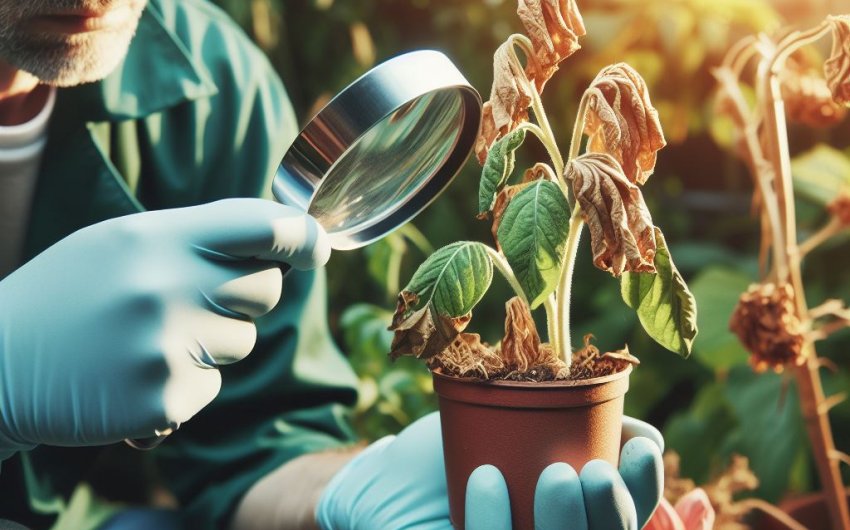
You walk past your once-vibrant houseplant, or step into your garden, only to be met with a disheartening sight: leaves drooping limply, stems bending weakly, and an overall appearance of exhaustion. Your beloved plant is wilting. It's a common and alarming symptom that strikes fear into the heart of any gardener, signaling that something is fundamentally wrong.
Wilting is a plant's way of telling you it's in distress, a cry for help that, if ignored, can lead to irreversible damage and plant death. Understanding why your plants are wilting is the crucial first step. Once you identify the cause, there are often effective strategies to revive them, bringing them back from the brink and restoring their lush vitality. It’s about becoming a plant detective and responding quickly to their urgent signals.
Why Do Plants Wilt? (Understanding the Causes)
Wilting is a plant's physical response to a loss of turgor pressure, the internal water pressure that keeps cells rigid and plant parts stiff. When cells don't have enough water, they become flaccid, and the plant droops. But the reasons behind this loss of turgor can be varied. Understanding why plants wilt is the first critical step in diagnosing the problem.
It's a symptom, not a disease itself, and pinpointing the underlying cause is key to effective revival.
1. Underwatering (The Most Common Cause)
Underwatering is by far the most common cause of wilting. It's simply when a plant doesn't receive enough water to meet its needs, leading to dehydration.
- How it Happens:
- Insufficient Supply: You're not watering frequently enough, or you're not applying enough water when you do.
- Rapid Evaporation: High temperatures, intense sunlight, low humidity, or strong winds can cause water to evaporate from the soil and from leaves (transpiration) faster than the roots can absorb it.
- Limited Root Space: In potted plants, if the plant is very root-bound (its roots fill the entire pot), there's little potting mix left to hold water, leading to rapid drying.
- The Mechanism of Wilting:
- Water Deficit: The soil moisture level drops below what the plant needs.
- Reduced Absorption: Roots cannot absorb enough water from the dry soil.
- Loss of Turgor: Plant cells lose water faster than it can be replenished, causing a drop in turgor pressure.
- Drooping: Leaves and stems become limp and wilt due to lack of internal support.
- Key Symptoms:
- Drooping leaves/stems.
- Soil is bone dry (check deeply with your finger).
- Leaves may eventually turn yellow, then brown and crispy.
- The plant may perk up quickly after watering.
Underwatering is typically easy to fix if caught early, but prolonged dehydration can lead to irreversible damage.
2. Overwatering and Root Rot
Paradoxically, overwatering can also cause wilting, making it a very confusing symptom for beginners. However, wilting due to overwatering is far more serious, as it often indicates root rot.
- How it Happens:
- Soggy Soil: The plant is watered too frequently, or the soil has poor drainage, causing it to remain constantly wet and soggy.
- Lack of Oxygen: In waterlogged soil, essential air pockets are filled with water, depriving roots of oxygen. Roots need to breathe to absorb water and nutrients.
- Root Suffocation/Decay: Without oxygen, roots begin to suffocate and die. This creates an ideal environment for harmful fungi and bacteria (pathogens) to thrive, leading to root rot (the decay of the root system).
- The Mechanism of Wilting: Even though there's plenty of water in the soil, the plant's roots are too damaged or suffocated to absorb it. The plant essentially "drowns" in water while simultaneously dying of thirst because its absorption system is compromised.
- Key Symptoms:
- Drooping leaves/stems, similar to underwatering.
- Soil is noticeably wet and soggy (check deeply with your finger, it might even feel squishy).
- Leaves often turn yellow, sometimes starting from the bottom, and can eventually turn brown and mushy.
- A foul, rotten, or sulfuric smell might come from the soil.
- If you gently pull on the plant, it might lift easily from the soil because the roots are decayed.
- The plant will not perk up after watering (because it's already overwatered and its roots are damaged).
Overwatering and root rot are very serious and often fatal if not addressed quickly. Always check soil moisture before watering a wilting plant.
3. Heat Stress / Too Much Sun
Heat stress or too much sun can cause wilting, even if the plant is receiving adequate water. This is common during hot summer days.
- How it Happens:
- Excessive Transpiration: In very hot or intensely sunny conditions, plants lose water through their leaves (transpiration) faster than their roots can absorb it from the soil. The plant's internal cooling system is overwhelmed.
- Stomata Closure: To conserve moisture and prevent further water loss, the plant may close the tiny pores (stomata) on its leaves. While this reduces water loss, it also stops carbon dioxide intake, hindering photosynthesis and causing the plant to overheat.
- Direct Damage: Extreme heat can directly damage plant cells and proteins.
- The Mechanism of Wilting: The plant is losing water faster than it can take it in, leading to a temporary drop in turgor pressure as cells become dehydrated.
- Key Symptoms:
- Wilting that is most noticeable during the hottest part of the day.
- Leaves may appear scorched, bleached, or have crispy brown edges in severe cases.
- The plant may recover partially in the cooler evening or morning hours.
- Soil moisture might be adequate, but the plant is simply overwhelmed by heat.
Moving plants to a shadier spot during peak heat, or providing temporary shade, can help mitigate heat stress and revive them.
4. Transplant Shock
Transplant shock is a common phenomenon where a plant wilts or struggles immediately after being moved from one location or pot to another.
- How it Happens:
- Root Disturbance: During transplanting, some of the fine feeder roots (the ones primarily responsible for absorbing water) are inevitably damaged or severed.
- Reduced Water Absorption: The damaged root system is temporarily unable to absorb enough water to meet the demands of the foliage, especially if the weather is warm or sunny.
- Environmental Change: The plant is also adjusting to new light, humidity, temperature, and soil conditions.
- The Mechanism of Wilting: A temporary imbalance between water loss from leaves and water absorption by damaged roots.
- Key Symptoms:
- Sudden wilting within hours or a few days of transplanting.
- Leaves may yellow or drop, especially older ones.
- Growth may stall.
- Often occurs even if the soil is adequately moist.
Transplant shock is usually temporary, and most plants recover with proper aftercare.
5. Pests and Diseases
Certain pests and diseases can cause wilting by directly attacking the plant's vascular system (the "pipes" that move water and nutrients) or by severely damaging its roots.
- Pests:
- Sap-Sucking Insects: Severe infestations of pests like aphids, spider mites, mealybugs, or scale can cause wilting by sucking so much sap (plant juices) from the leaves and stems that the plant becomes dehydrated.
- Root-Feeding Pests: Grubs or root aphids can damage the root system, impairing water uptake.
- Diseases:
- Vascular Wilts: Fungal or bacterial diseases (e.g., Fusarium wilt, Verticillium wilt) invade the plant's vascular system (xylem), blocking the flow of water and nutrients to the leaves, leading to wilting (often starting on one side of the plant). These are very serious.
- Root Diseases (Beyond Root Rot): Other fungi or bacteria can attack roots, causing decay and preventing water absorption.
- Key Symptoms:
- Wilting often accompanied by other symptoms like discolored leaves, stunted growth, visible pests (sticky residue, webbing, insects), or lesions on stems.
- For vascular wilts, wilting may persist even when soil moisture is good.
Wilting caused by pests and diseases often requires specific treatment beyond just environmental adjustments.
How Can I Revive My Wilting Plants? (Step-by-Step Solutions)
Reviving wilting plants requires a detective's eye and a calm, systematic approach. The first and most crucial step is to accurately diagnose the cause, as treating the wrong problem can make things worse. Once you know why your plant is wilting, you can apply the correct step-by-step solutions.
Speed is often of the essence, as prolonged wilting can lead to irreversible cell damage.
Step 1: Diagnose the Cause (Crucial First Step)
Before taking any action, you must diagnose the cause of the wilting. Misdiagnosis (e.g., watering an overwatered plant) can kill your plant.
- Check Soil Moisture (The Golden Rule): This is the most important indicator. Stick your finger 2-3 inches deep into the soil.
- Bone Dry? -> Likely Underwatering. Proceed to Solution 1: Water Thoroughly.
- Soaking Wet/Soggy? -> Likely Overwatering/Root Rot. Proceed to Solution 2: Address Root Rot.
- Adequately Moist? -> If the soil is moist but the plant is still wilting, consider other causes. Proceed to Step 2A: Check Environment.
- Inspect for Pests: Look closely at the undersides of leaves, stems, and new growth for any signs of pests (tiny insects, webbing, sticky residue).
- Pests Found? -> Proceed to Solution 3: Inspect for Pests.
- Examine for Disease Signs: Look for discolored spots, lesions, unusual growths, or any fungal growth on leaves or stems.
- Disease Signs? -> Proceed to Solution 4: Suspected Disease.
- Consider Recent Changes:
- Just Transplanted? -> Likely Transplant Shock. Proceed to Solution 5: Alleviate Transplant Shock.
- Sudden Heatwave/Intense Sun? -> Likely Heat Stress. Proceed to Solution 6: Relieve Heat Stress.
This systematic diagnosis is the foundation for successfully reviving your wilting plants.
Solution 1: Water Thoroughly (for Underwatering)
If your diagnosis confirms underwatering, the solution is to water thoroughly and immediately. This is the easiest and often quickest problem to fix.
- Bottom Watering (Recommended for Potted Plants):
- Method: Place the potted plant in a sink or tub filled with 2-3 inches of water. Let it soak for 30 minutes to an hour, or until the top of the potting mix feels moist.
- Why: Ensures the entire root ball is thoroughly rehydrated, even if it's been severely dried out. It also prevents water from running off the surface of dry, hydrophobic soil.
- Alternative: If bottom watering isn't possible, water slowly from the top until water drains from the bottom. Dump any excess water from the saucer.
- For In-Ground Plants:
- Method: Apply water slowly and deeply to the base of the plant. Use a soaker hose, drip irrigation, or a watering can with a gentle flow. Water long enough for the water to penetrate 6-12 inches into the soil.
- Why: Encourages deep root growth and prevents runoff.
- Provide Humidity (Optional): If the plant was very dry and the air is dry, a quick misting (if the plant tolerates it) can provide temporary relief, but it's not a substitute for proper soil watering.
- Monitor for Recovery: Most plants will start to perk up within a few hours to 24 hours. Be patient.
- Adjust Future Watering: Once revived, adjust your watering schedule to prevent future underwatering. Check soil moisture regularly before watering, and ensure adequate water quantity for your plant's needs and environment.
Thorough watering is the immediate fix for wilting caused by underwatering, bringing your plant back to life.
Solution 2: Address Root Rot (for Overwatering)
If your diagnosis points to overwatering and root rot, you need to address root rot immediately. This is a more involved and urgent process.
- Unpot the Plant (Potted Plants): Carefully remove the plant from its pot. Gently shake off as much of the soggy potting mix as possible.
- Inspect Roots: Examine the roots closely. Healthy roots are firm and light-colored (white or tan). Rotten roots will be brown, black, mushy, slimy, and often smell foul.
- Trim Away Rotten Roots: Using sharp, clean (sterilized) pruning shears or scissors, cut away all affected roots. Cut back to healthy, firm root tissue. Be ruthless; leaving any rotten parts can cause the rot to spread.
- Reduce Foliage (If Needed): If you've removed a significant amount of roots, prune back about 1/3 to 1/2 of the foliage (leaves and stems) to reduce the plant's water demand on its compromised root system. Remove any yellowed or severely drooping leaves.
- Repot with Fresh, Well-Draining Soil:
- Clean Pot: Clean and sterilize the old pot with a 10% bleach solution, or use a new, clean pot with drainage holes.
- Fresh Mix: Use entirely fresh, well-draining potting mix. Do NOT reuse the old soggy soil. Consider adding extra perlite for improved drainage.
- Correct Pot Size: If the root ball is much smaller now, move the plant to a smaller pot that is just big enough to comfortably hold the remaining roots.
- Initial Watering (Lightly): Water lightly once after repotting to settle the soil.
- Water Sparingly Going Forward: This is crucial for recovery. Do NOT water again until the top 2-3 inches of the new potting mix are thoroughly dry. This allows roots to breathe and recover.
- Patience: Recovery from root rot can take weeks or months. Keep the plant in a stable environment and avoid fertilizing until you see clear signs of new, healthy growth.
Addressing root rot is an intensive but necessary step to save a plant from the brink of overwatering damage.
Solution 3: Inspect and Treat for Pests
If you suspect pests are causing wilting, you need to inspect and treat for pests immediately to prevent further damage and spread.
- Thorough Inspection: Look closely at all parts of the plant, especially the undersides of leaves, leaf axils (where leaves meet stems), and new growth. Use a magnifying glass if available. Look for:
- Tiny insects (e.g., aphids, whiteflies).
- Webbing (spider mites).
- Cottony masses (mealybugs).
- Sticky residue (honeydew, indicating sap-sucking pests).
- Small bumps (scale insects).
- Tunnels or chewed areas (less common for wilting).
- Isolate Affected Plant: Immediately move the wilting plant away from other healthy plants to prevent the pests from spreading.
- Choose Treatment Method (Non-Chemical First):
- Strong Water Spray: For many soft-bodied pests (aphids, spider mites), a strong spray of water from a hose (for outdoor plants) or shower (for houseplants) can dislodge them. Repeat every few days.
- Hand Removal: For larger pests or small infestations (e.g., mealybugs), physically remove them with a cotton swab dipped in rubbing alcohol.
- Insecticidal Soap: Mix insecticidal soap spray according to directions and spray all plant surfaces thoroughly, coating the pests. Repeat every 5-7 days for several weeks to break their life cycle.
- Neem Oil: An organic pesticide that acts as an antifeedant and growth disruptor. Mix and apply according to instructions. Effective for many pests.
- Beneficial Insects: For outdoor gardens, encouraging natural predators (ladybugs, lacewings) can help control pests.
- Chemical Pesticides (Last Resort): If a severe infestation persists, choose a targeted pesticide suitable for your plant and pest, following instructions rigorously.
- Monitor and Repeat: Continue to monitor the plant closely for new pests and reapply treatments as needed until the infestation is under control.
Inspecting and treating for pests is a direct way to remove the source of wilting and restore plant health.
Solution 4: Suspected Disease (Fungal/Bacterial)
If wilting is accompanied by suspicious spots, lesions, or specific patterns of decay, a suspected disease (often fungal or bacterial) might be the cause.
- Accurate Diagnosis: Disease diagnosis can be challenging. Look for:
- Vascular Wilts: Wilting that occurs rapidly, often starting on one side of the plant, even when soil moisture is good. Cut a stem to look for discolored vascular tissue.
- Leaf Spots/Blotches: Wilting of leaves may follow the spread of spots.
- Mushy Stems/Crown Rot: Decay at the soil line or base of the stem.
- Fungal Growth: Visible mold or fungal structures.
- Isolate Affected Plant: Immediately move any diseased plant away from healthy ones.
- Remove Affected Parts: Using clean, sterile pruning shears, remove and discard any severely affected leaves, stems, or branches. Do NOT compost diseased plant material in a home compost pile, as the pathogens can survive.
- Improve Environmental Conditions: Many fungal diseases thrive in high humidity and poor airflow.
- Increase Air Circulation: Space plants out. Improve ventilation (indoors, use a fan; outdoors, prune for airflow).
- Adjust Watering: Water at the base of the plant in the early morning. Avoid overhead watering.
- Fungicides (Organic First):
- Organic Options: For some common fungal diseases (like powdery mildew), organic fungicides like baking soda spray, neem oil, or potassium bicarbonate can be effective if applied early and consistently.
- Chemical Fungicides (Last Resort): For severe or persistent diseases, a targeted chemical fungicide might be necessary. Read labels carefully to ensure it's effective for the specific disease and safe for your plant. You can find a general garden fungicide spray.
- Prevention: Improve soil drainage, use disease-resistant varieties, and practice crop rotation (for vegetable gardens).
Suspected disease requires quick action to remove infected parts and adjust environmental conditions, potentially using fungicides, to prevent further spread and save the plant.
Solution 5: Alleviate Transplant Shock
If wilting occurs shortly after moving a plant, it's likely transplant shock. The goal is to alleviate transplant shock and help the plant recover.
- Water Immediately (if soil is dry): Ensure the soil is adequately moist after transplanting. If it's dry, water gently but thoroughly.
- Provide Shade (Temporary): Move the freshly transplanted plant to a location with partial shade or dappled light for a few days, especially if the weather is sunny and hot. For outdoor plants, use a temporary shade cloth for plants or an umbrella. This reduces water loss from leaves.
- Increase Humidity (for houseplants): For indoor plants, increasing the surrounding humidity (misting, pebble tray, grouping plants) can help reduce water loss from leaves while roots are recovering.
- Avoid Fertilizing: Do not fertilize a stressed plant. Its roots are too fragile to absorb nutrients, and fertilizer salts can burn them. Wait until new growth appears.
- Patience: Transplant shock usually passes within a few days to a week. Continue to provide consistent, but not excessive, water and a stable environment.
- Prevent Future Shock: When transplanting, minimize root disturbance, water well before and after, choose an overcast day, and harden off plants (gradually expose them to outdoor conditions) if moving from indoors to outdoors.
Alleviating transplant shock involves reducing immediate environmental stress on the plant, giving its damaged roots time to recover and re-establish.
Solution 6: Relieve Heat Stress
If wilting occurs on hot, sunny days despite adequate soil moisture, your plant is likely suffering from heat stress. You need to relieve heat stress quickly.
- Provide Temporary Shade:
- For Potted Plants: Move them to a shadier location or indoors during the hottest part of the day.
- For In-Ground Plants: Use a temporary shade cloth for plants, an umbrella, or strategically place a chair or board to cast shade during peak sun hours.
- Mist Lightly (if tolerated by plant type): For some plants, a very light misting of the foliage in the early morning or late evening can help cool them down, but avoid saturating leaves, especially in humid conditions or for plants prone to fungal issues.
- Ensure Consistent Soil Moisture: While the cause is heat, extreme heat increases water demand. Ensure the soil is consistently moist (but not soggy) to provide enough water for transpiration (cooling).
- Avoid Fertilizing During Heatwaves: Do not fertilize plants during extreme heat, as it can add to their stress.
- Long-Term Prevention:
- Proper Site Selection: Plant heat-sensitive plants in locations that receive afternoon shade.
- Mulch: Apply mulch to soil surface to keep roots cooler and retain moisture.
- Plant Drought-Tolerant Varieties: Choose varieties adapted to your climate's summer heat.
Relieving heat stress involves protecting plants from excessive temperatures and ensuring they have sufficient water for their cooling mechanisms, preventing long-term damage from the sun's intensity.