
What are the best natural remedies for controlling pests in my garden?
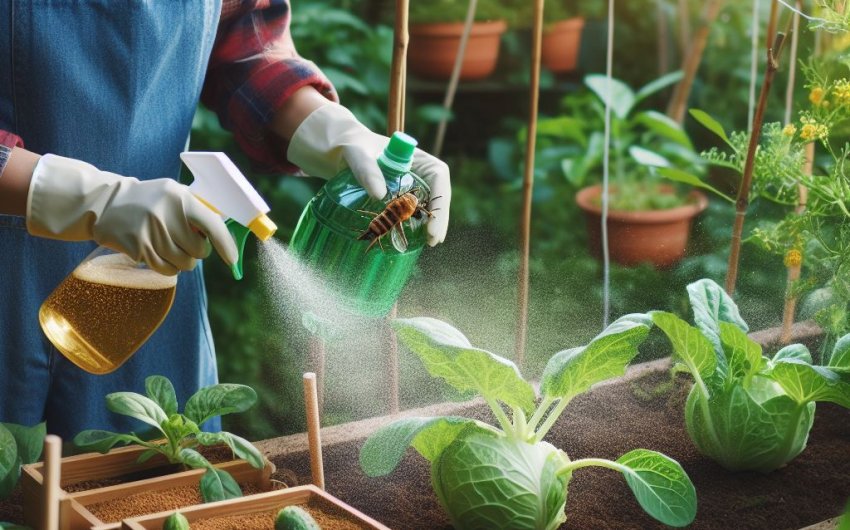
Stepping into your garden should bring joy, not dread over munching pests! Nobody wants to see their hard work eaten away by aphids, slugs, or beetles. While chemical pesticides might seem like a quick fix, they can harm helpful insects, pollute the soil and water, and aren't great for your family or pets. The good news is, nature offers many smart ways to keep your garden healthy and pest-free. Let's explore the best natural remedies for garden pests, helping you grow a thriving garden in a safe and eco-friendly way.
Why Choose Natural Pest Control?
Opting for natural pest control is about more than just avoiding chemicals; it's about building a healthier, more balanced garden ecosystem.
What Are the Dangers of Chemical Pesticides?
Chemical pesticides can seem powerful, but their downsides are significant.
- Harm to beneficial insects: These sprays often kill good insects (like ladybugs and bees) along with the bad ones. Beneficial insects are your garden's natural pest controllers, so losing them makes pest problems worse in the long run.
- Pollution: Chemicals can wash into streams, rivers, and groundwater, harming aquatic life and even affecting human drinking water.
- Residue on food: If you spray edible plants, residues can remain on your fruits and vegetables. Even if washed, some chemicals can be absorbed by the plant.
- Harm to pets and children: Pets and children playing in the garden can be exposed to harmful chemicals if they touch or ingest treated plants or soil.
- Pest resistance: Over time, pests can become resistant to chemical pesticides, making them harder to control.
How Does Natural Pest Control Support My Garden's Ecosystem?
Natural pest control works with nature, not against it.
- Encourages biodiversity: By avoiding harsh chemicals, you create a welcoming environment for a wide variety of life, including beneficial insects, birds, and other helpful creatures.
- Long-term solutions: Instead of a quick fix, natural methods often build a stronger, more resilient garden over time. You're addressing the root cause of pest problems, not just the symptoms.
- Safe for edibles: You can spray natural pest remedies on your fruits and vegetables with peace of mind, knowing they are safe for consumption after a simple wash.
- Healthier soil: Chemical pesticides can negatively impact soil microbes, which are vital for plant health. Natural methods help keep the soil alive and healthy.
- Sustainable gardening: It's an environmentally responsible approach that minimizes your garden's footprint.
Building a Healthy Garden: The First Line of Defense
The best natural pest control starts before pests even arrive. A healthy, well-maintained garden is naturally more resistant to infestations.
How Does Healthy Soil Prevent Pests?
Healthy soil is the foundation of a healthy garden.
- Strong plants: Plants grown in rich, living soil with plenty of organic matter are stronger and more resilient. They can better withstand pest attacks. Pests often target weak or stressed plants.
- Good drainage: Well-draining soil prevents root rot, which can weaken plants and make them susceptible to secondary pest issues.
- Beneficial microbes: Healthy soil teems with beneficial microorganisms that can suppress disease-causing pathogens and even deter some soil-dwelling pests.
- Nutrient availability: Plants get the right nutrients from healthy soil, leading to robust growth and natural defenses.
Why Is Plant Selection Important?
- Choose pest-resistant varieties: Some plant varieties are naturally more resistant to common pests or diseases. Look for these when buying seeds or plants.
- Right plant, right place: Ensure plants are suited to your climate, soil type, and sun conditions. A stressed plant is an open invitation for pests.
- Native plants: Often, native plants are more resistant to local pests because they have evolved alongside them.
How Can Companion Planting Help?
Companion planting involves placing different plants near each other that benefit one another. This can include deterring pests.
- Pest repellents: Some plants release chemicals that repel pests. For example:
- Marigolds: Their roots release substances that deter nematodes (tiny worms that can harm roots). Certain types also repel whiteflies and other insects. You can easily find marigold seeds to plant.
- Nasturtiums: Can act as a "trap crop" for aphids, luring them away from your prize vegetables.
- Herbs: Many herbs like basil (deters flies, mosquitoes), rosemary (deters carrot rust fly, slugs, snails), and mint (deters aphids, cabbage moths) can be planted near susceptible vegetables.
- Attracting beneficial insects: Some plants attract predators of common pests. For example, dill, fennel, and cilantro (when allowed to flower) attract ladybugs and lacewings, which eat aphids.
What About Proper Watering and Fertilizing?
- Avoid overwatering: Soggy soil can lead to root rot and create an inviting environment for fungus gnats.
- Water at the base: Water the soil, not the leaves, especially for plants prone to fungal diseases, which can weaken them and make them more pest-prone.
- Don't over-fertilize with nitrogen: Too much nitrogen can cause lush, tender growth that is very attractive to aphids and other sap-sucking pests. Use balanced fertilizers or those higher in phosphorus and potassium for stronger plants.
Physical Barriers and Manual Removal
Sometimes, the simplest methods are the most effective. These natural pest control techniques involve getting hands-on.
When Should I Hand-Pick Pests?
- Daily inspection: Regularly check your plants for pests. The earlier you spot them, the easier they are to remove.
- Large pests: Hand-picking is great for larger pests like hornworms, slugs, snails, and squash bugs.
- Squishing: For soft-bodied pests like aphids, simply squishing them between your fingers can be effective if the infestation is small.
- Drop into soapy water: For beetles or larger bugs, knock them into a bucket of soapy water.
Can I Use Row Covers?
Floating row covers are light, permeable fabrics that act as a physical barrier to keep pests off your plants.
- Protects from flying pests: They prevent cabbage moths, squash vine borers, cucumber beetles, and other flying insects from laying eggs on your plants.
- Sun and water still get through: The fabric allows sunlight and rain to reach your plants.
- When to use: Drape them over young seedlings or vulnerable crops, securing the edges to prevent pests from crawling underneath. Remove them when plants need pollination (like squash or cucumbers) or when hot weather makes internal temperatures too high. You can find useful floating row covers online.
What About Traps?
- Sticky traps: Yellow sticky traps are great for catching flying insects like whiteflies, fungus gnats, and aphids. The bright yellow color attracts them, and the sticky surface traps them. You can use reliable yellow sticky traps.
- Slug and snail traps: You can bury a shallow dish of beer in the soil up to its rim. Slugs and snails are attracted to the yeast, crawl in, and drown.
- Pheromone traps: These use insect sex hormones to attract specific male pests, helping to monitor pest populations or reduce breeding.
Natural Sprays and Solutions
When you need a bit more power than physical removal, these natural pest control sprays can be very effective. Always test a small area of the plant first to make sure it doesn't cause damage.
How Do I Make and Use Insecticidal Soap?
Insecticidal soap is a simple yet powerful remedy for soft-bodied pests.
- How it works: It works by breaking down the waxy outer layer of soft-bodied insects, causing them to dehydrate and die. It's most effective on contact.
- What it treats: Excellent for aphids, spider mites, whiteflies, mealybugs, and thrips.
- Recipe: Mix \(1\) to \(2\) tablespoons of pure liquid castile soap (or a mild, plain dish soap, avoid dishwashing detergents with degreasers) per gallon of water. Use soft water if possible.
- Application: Spray directly onto affected plants, covering the tops and undersides of leaves where pests often hide. Apply in the early morning or evening to avoid spraying in direct sun, which can burn leaves. Reapply every \(5\) to \(7\) days until the pests are gone. You can purchase effective insecticidal soap concentrates that you dilute.
What Are the Benefits of Neem Oil?
Neem oil is a powerful, broad-spectrum natural pesticide extracted from the neem tree.
- How it works: It acts as an antifeedant (pests stop eating), an insect growth regulator (disrupts their life cycle), and a repellent. It's systemic to some extent, meaning plants can absorb it, making them distasteful to pests.
- What it treats: Effective against a wide range of pests, including aphids, spider mites, whiteflies, mealybugs, cabbage worms, leafminers, and even some fungal diseases like powdery mildew.
- Application: Mix cold-pressed neem oil concentrate with water and a small amount of an emulsifier (like a few drops of mild dish soap) to help it mix. Follow product instructions for dilution. Spray thoroughly, ensuring coverage on all leaf surfaces. Apply every \(7\) to \(14\) days, typically in the evening.
- Safety: It's generally safe for humans, pets, and beneficial insects once dry, as it primarily affects insects that chew on plants. Find useful neem oil for plants from Amazon.
How Can Garlic or Chili Pepper Sprays Help?
These are homemade repellent sprays that can deter pests with their strong odors and irritating properties.
- How they work: The strong smell of garlic or the capsaicin in chili peppers can repel pests or irritate them, making them less likely to feed on your plants.
- What they treat: Can deter aphids, slugs, cabbage worms, and some beetles.
- Garlic Spray Recipe: Blend several garlic cloves with water. Strain the mixture and dilute with more water. Add a few drops of dish soap.
- Chili Pepper Spray Recipe: Blend hot chili peppers (e.g., habaneros) with water. Strain and dilute. Wear gloves when handling peppers!
- Application: Spray on plants. Reapply after rain or every few days.
- Caution: These sprays are less effective on direct contact and rely more on deterrence. They can also irritate humans, so use caution.
Biological Pest Control: Letting Nature Do the Work
This is perhaps the most elegant form of natural pest control: inviting beneficial insects to your garden to do the dirty work for you.
What Are Beneficial Insects?
Beneficial insects are insects that prey on or parasitize (live on or in) common garden pests. They are your garden's natural allies.
- Ladybugs: Famous for eating aphids. Both adult ladybugs and their alligator-like larvae are voracious aphid eaters. You can even buy live ladybugs for gardens to release.
- Lacewings: The larvae of green lacewings are often called "aphid lions" because they eat large numbers of aphids, spider mites, mealybugs, and whiteflies.
- Praying Mantises: Large, fascinating predators that will eat almost any insect they can catch, including grasshoppers and beetles. You can buy praying mantis egg cases online.
- Hoverflies: The larvae of hoverflies are also excellent aphid predators.
- Parasitic Wasps: Tiny wasps that lay their eggs inside or on pests (like aphids or cabbage worms). The wasp larvae then eat the host from the inside out.
How Do I Attract Beneficial Insects?
- Plant their favorite flowers: Many beneficial insects are attracted to small, nectar-rich flowers.
- Dill, cilantro, fennel, parsley (when allowed to flower)
- Sweet Alyssum, Marigolds, Cosmos, Sunflowers
- Yarrow, Queen Anne's Lace
- Provide water: A shallow dish with pebbles where they can drink safely is helpful.
- Avoid pesticides: The most important step! If you spray chemical pesticides, you'll kill your beneficial insects.
- Provide habitat: Leave some undisturbed areas in your garden where beneficial insects can shelter.
Can I Buy Beneficial Nematodes?
Yes! Beneficial nematodes are microscopic roundworms that live in the soil and prey on soil-dwelling pests.
- How they work: Specific types of nematodes (like Steinernema feltiae or Heterorhabditis bacteriophora) search for and kill pest larvae, grubs, and pupae. They enter the host, release bacteria, and multiply.
- What they treat: Excellent for fungus gnat larvae, flea larvae, cutworms, grubs (Japanese beetle, June beetle), and weevils.
- Application: They come as a powder or sponge that you mix with water and then water into your soil.
- Safety: They are completely safe for humans, pets, plants, and beneficial insects. You can purchase reliable beneficial nematodes to use.
What About Bacillus Thuringiensis (Bt)?
Bacillus thuringiensis (Bt) is a naturally occurring soil bacterium that is a powerful natural insecticide.
- How it works: Bt produces toxins that are harmful only to the larvae of certain insects when they eat it. It's very specific.
- Types and what they treat:
- Bt var. kurstaki (Btk): Targets caterpillars like cabbage worms, tomato hornworms, loopers, and gypsy moths.
- Bt var. israelensis (Bti): Targets mosquito larvae, fungus gnat larvae, and black flies. This is often sold as Mosquito Bits or Mosquito Dunks.
- Application: Bt products are mixed with water and sprayed onto the leaves that the pests are eating. For Bti, you can sprinkle it on the soil surface or steep it in water for soil drench.
- Safety: Bt is considered very safe for humans, pets, and beneficial insects because it only affects the specific insect groups it's designed for. Find effective Bt spray for caterpillars for your garden.
Other Natural Approaches
Beyond the core methods, several other natural strategies can help keep your garden pest-free.
How Can Crop Rotation Help?
Crop rotation means planting different types of crops in different spots in your garden each year.
- Breaks pest cycles: Many pests specialize in one type of plant. If you plant the same crop in the same spot every year, the pests that like that crop will build up in the soil. Moving the crop breaks their life cycle.
- Improves soil health: Different plants use different nutrients, so rotating also helps maintain soil fertility.
Why Is Garden Cleanliness Important?
- Remove plant debris: Decaying plant matter can harbor pests or provide shelter for eggs and larvae. Regularly clean up fallen leaves, dead plants, and weeds.
- Sanitize tools and pots: Pests and diseases can spread on dirty tools and reused pots. Clean them with a \(10\)\% bleach solution (\(1\) part bleach to \(9\) parts water) or rubbing alcohol.
- Weed control: Weeds can compete with your plants for nutrients and can also host pests that then move to your garden plants.
What About Attracting Birds?
Birds are fantastic natural pest controllers!
- Insect eaters: Many bird species, like chickadees, wrens, and sparrows, love to eat insects, including caterpillars, slugs, and beetles.
- How to attract them:
- Provide a bird bath for water.
- Plant native shrubs and trees that offer shelter and nesting sites.
- Avoid using pesticides, as these can harm birds directly or by reducing their food source.
- A simple bird bath for garden can make a big difference.
Can Mulch Deter Pests?
Mulch can help in a few ways.
- Suppress weeds: A good layer of organic mulch (like straw, wood chips, or shredded leaves) can suppress weeds, which means fewer hiding spots and host plants for pests.
- Maintain soil moisture: Consistent soil moisture can lead to healthier plants, making them more resilient to pest attacks.
- Some types deter pests: Certain mulches like cedar mulch are sometimes said to deter specific insects due to their natural oils.
Troubleshooting Common Garden Pests with Natural Remedies
Let's look at how to tackle some of the most common garden pests using these natural remedies.
How Do I Control Aphids?
Aphids are small, soft-bodied insects that suck sap from plants, causing distorted growth and yellowing leaves.
- Blast with water: For light infestations, a strong spray of water from the hose can dislodge them. Do this daily until they're gone.
- Insecticidal soap: Highly effective for contact kill. Spray directly on aphids, making sure to hit the undersides of leaves.
- Neem oil: Acts as an antifeedant and growth disruptor.
- Beneficial insects: Attract ladybugs, lacewings, and hoverflies. Release ladybugs if you have a severe infestation.
- Companion planting: Plant nasturtiums as a trap crop, or basil and chives to repel them.
What About Slugs and Snails?
These slimy creatures chew holes in leaves, especially on young plants.
- Hand-picking: Best done in the early morning or evening.
- Beer traps: Bury shallow dishes of beer.
- Diatomaceous earth: Sprinkle a barrier of food-grade diatomaceous earth around plants. It's sharp to their soft bodies, causing them to dehydrate. It only works when dry.
- Copper barriers: Copper strips around raised beds or pots can deter them, as it reacts with their slime.
- Less moisture: Reduce excessive watering and clear garden debris where they hide.
How to Deal with Whiteflies?
Whiteflies are tiny, white, moth-like insects that fly up in a cloud when disturbed. They also suck sap.
- Yellow sticky traps: Very effective for catching adult whiteflies.
- Insecticidal soap: Spray directly onto plants, focusing on leaf undersides.
- Neem oil: Helps control all life stages.
- Blast with water: Can dislodge them.
What to Do About Cabbage Worms and Other Caterpillars?
These green worms munch holes in leaves, especially brassicas (cabbage, broccoli, kale).
- Hand-picking: Easy to spot and remove.
- Floating row covers: Prevent the adult moths from laying eggs on plants.
- Bt (Bacillus thuringiensis var. kurstaki): Spray Btk on leaves. When caterpillars eat it, they stop feeding and die. Very specific to caterpillars.
How to Control Spider Mites?
Spider mites are tiny arachnids that cause stippling (tiny dots) on leaves and can create fine webbing. They thrive in hot, dry conditions.
- Blast with water: Strong spray on the undersides of leaves can knock them off. Do this regularly.
- Increase humidity: Spider mites hate humidity. Mist plants, especially indoors, or place on pebble trays.
- Insecticidal soap: Effective on contact.
- Neem oil: Disrupts their life cycle.
- Beneficial mites: You can introduce predatory mites (Phytoseiulus persimilis) for severe infestations.
Dealing with Fungus Gnats?
These tiny flies buzz around soil, especially in overwatered pots. Their larvae eat roots.
- Dry out soil: Fungus gnats need moist soil. Let the top \(1\) to \(2\) inches of soil dry out between waterings.
- Yellow sticky traps: Catch adults.
- Bt (Bacillus thuringiensis var. israelensis): Sold as Mosquito Bits. Sprinkle on soil surface or steep in water to kill larvae.
- Diatomaceous earth: Sprinkle a dry layer on the soil surface.
- Beneficial nematodes: Specifically Steinernema feltiae is very effective against larvae.
By understanding your garden, choosing the right plants, and using these natural remedies, you can create a vibrant, healthy, and pest-resistant oasis without resorting to harsh chemicals. It takes a little observation and consistent effort, but the rewards of a thriving, safe garden are truly worth it.