
How do I prevent and manage fungal infections in my garden?
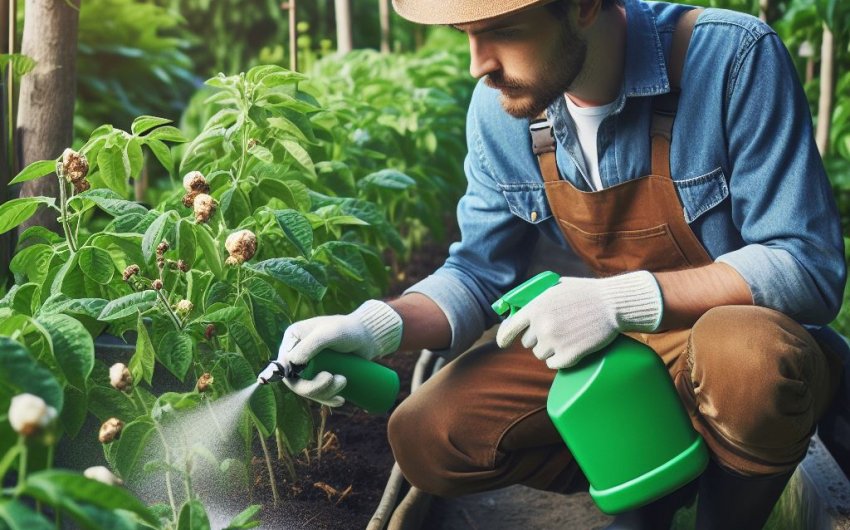
To prevent and manage fungal infections in your garden, the most effective strategies involve proactive cultural practices that reduce moisture and improve air circulation, making your plants less hospitable to fungal growth. Early detection and targeted treatments are also crucial for controlling outbreaks.
What Are Common Fungal Infections in Gardens?
Fungal infections are among the most common and persistent problems gardeners face, impacting nearly every type of plant. Understanding what these fungal diseases look like is the first step in effective prevention and management in your garden. Fungi thrive in specific conditions, often leading to distinct symptoms that indicate their presence.
1. Powdery Mildew
- Appearance: White, powdery patches on leaves, stems, and sometimes flowers or fruit. It looks like someone dusted the plant with flour.
- Impact: Reduces photosynthesis, distorts new growth, and weakens the plant. It's often unsightly but rarely fatal.
- Affected Plants: Very common on squash, cucumbers, roses, lilacs, phlox, zinnias, grapes, and many ornamental shrubs.
- Conditions: Thrives in warm, dry days with cool, humid nights. Often a problem in crowded, poorly ventilated areas.
2. Downy Mildew
- Appearance: Unlike powdery mildew, downy mildew appears on the undersides of leaves as fuzzy, grayish-white or purplish patches. The upper surface of the leaves shows yellow or brown spots that often have angular shapes, confined by leaf veins.
- Impact: Can cause severe leaf drop, stunted growth, and death, especially in susceptible crops.
- Affected Plants: Grapes, cole crops (broccoli, cabbage), lettuce, spinach, impatiens, and onions.
- Conditions: Favors cool, wet, and very humid conditions.
3. Rust Diseases
- Appearance: Small, rusty-orange, yellow, or brown powdery pustules (like tiny blisters) primarily on the undersides of leaves, sometimes also on stems. The upper side of the leaf may show yellow or orange spots. When touched, the powdery spores rub off like rust.
- Impact: Weakens plants, causes premature leaf drop, and can reduce vigor or yield.
- Affected Plants: Roses, daylilies, beans, corn, sunflowers, hollyhocks, snapdragons, and many trees.
- Conditions: Favors cool temperatures, high humidity, and prolonged leaf wetness.
4. Black Spot
- Appearance: Circular black spots, often with fringed or yellow margins, appearing on the upper surface of leaves. Leaves around the spots may turn yellow and drop prematurely.
- Impact: Severely defoliates plants, weakening them and reducing flowering.
- Affected Plants: Primarily a common and troublesome disease of roses.
- Conditions: Thrives in warm, humid, and rainy conditions, especially when leaves remain wet.
5. Blight (e.g., Early Blight, Late Blight)
- Appearance: Varies by type, but generally involves irregular brown or black spots or lesions on leaves, stems, and sometimes fruit. Can cause rapid wilting and decay.
- Early Blight (Tomatoes/Potatoes): Dark, concentric rings within spots on lower leaves, resembling a target.
- Late Blight (Tomatoes/Potatoes): Large, irregular, water-soaked spots on leaves that rapidly turn brown/black, often with a fuzzy white mold on the underside in humid conditions. Causes rapid blighting of entire plants.
- Impact: Can be devastating, leading to significant crop loss.
- Affected Plants: Tomatoes, potatoes, peppers, other solanaceous crops.
- Conditions: Warm to hot temperatures with high humidity and prolonged leaf wetness (Early Blight); cool, wet, and humid conditions (Late Blight).
6. Damping-Off
- Appearance: A common problem for seedlings. Seedlings emerge but then wilt and collapse at the soil line, or seeds fail to germinate. A fuzzy fungal growth may be visible at the soil surface.
- Impact: Kills young seedlings.
- Affected Plants: Any plant started from seed, especially in flats or containers.
- Conditions: Overwatering, poor drainage, cool soil, lack of air circulation, and contaminated seed-starting mix.
Recognizing these distinctive signs is the first crucial step in effectively preventing and managing fungal infections in your garden.
How Can Cultural Practices Prevent Fungal Infections?
Preventing fungal infections in your garden starts with smart cultural practices that create an environment less hospitable to fungal growth. These methods focus on reducing moisture, improving air circulation, and promoting overall plant health, which is a plant's best defense against fungal diseases.
1. Choose Disease-Resistant Varieties
- Smart Selection: This is your first and most effective line of defense. Many plant breeders have developed cultivars resistant or tolerant to common fungal infections (e.g., powdery mildew-resistant squash, black spot-resistant roses, blight-resistant tomatoes).
- Check Labels: Look for "R" or "T" (resistant or tolerant) symbols on seed packets or plant tags, often followed by a disease code (e.g., PM for powdery mildew, BS for black spot).
2. Ensure Proper Spacing
- Airflow is Key: Crowded plants create stagnant, humid conditions where fungal spores thrive. Provide adequate space between plants according to their mature size, as recommended on seed packets or plant tags.
- Benefits: Proper spacing allows for good air circulation, which helps dry foliage quickly after rain or irrigation, reducing the duration of leaf wetness—a critical factor for many fungal diseases.
3. Master Your Watering Techniques
- Water at the Base: Always water the soil directly at the base of the plant, rather than overhead with sprinklers, which wets the foliage. Soaker hoses or drip irrigation systems are ideal for this. You can find Garden Drip Irrigation Kits.
- Water in the Morning: If you must water overhead, do it in the early morning. This allows the sun and air to dry the foliage thoroughly before evening, minimizing the period of leaf wetness.
- Avoid Overhead Watering at Night: Leaves staying wet overnight is a prime condition for fungal spores to germinate and spread.
- Deep and Infrequent: Encourage deep root growth by watering deeply but less frequently. This makes plants more resilient.
4. Improve Air Circulation (Pruning and Staking)
- Pruning: Remove excess foliage from dense plants to open up the canopy. Trim lower leaves that touch the soil, as soil can harbor fungal spores.
- Staking and Trellising: Support plants (especially tomatoes, vining crops, tall perennials) with stakes, cages, or trellises to keep them upright, off the ground, and allow for better airflow around them.
- Thinning: For crops sown too thickly (e.g., lettuce, carrots, radishes), thin seedlings to the recommended spacing to improve air circulation.
5. Optimize Soil Health and Drainage
- Well-Drained Soil: Fungi thrive in waterlogged conditions. Ensure your garden soil drains well. Amend heavy clay soils with organic matter (compost) to improve structure and drainage.
- Rich in Organic Matter: Healthy soil, rich in compost and beneficial microbes, supports stronger plants that are naturally more resistant to disease.
- Raised Beds: If you have persistent drainage issues, consider planting in raised beds filled with well-draining soil mix.
6. Practice Crop Rotation
- Break the Disease Cycle: If you grow vegetables, rotate your crops annually. Don't plant the same type of vegetable (or plant from the same family) in the exact same spot year after year.
- Purpose: Many fungal spores can overwinter in the soil. Rotating crops to a different area breaks the life cycle of soil-borne fungi, reducing their buildup.
By consistently applying these cultural practices, you build a resilient garden ecosystem that is naturally less susceptible to fungal infections, minimizing the need for interventions.
What is the Role of Sanitation in Preventing Fungal Infections?
Sanitation is a simple yet incredibly powerful tool in your arsenal against fungal infections in your garden. Fungi survive and spread through spores, and by removing infected plant material and cleaning tools, you directly interrupt their life cycle, preventing outbreaks from starting or spreading.
1. Prompt Removal of Infected Plant Material
- Early Detection is Key: As soon as you notice any signs of fungal disease (spots, mold, wilting), immediately remove the affected leaves, stems, or even entire plants.
- Do NOT Compost Diseased Material: Most home compost piles do not reach temperatures high enough to kill fungal spores. Composting diseased material will only spread the problem when you use the compost later. Bag and discard it in the trash, or burn it if local regulations allow.
- Clean Up Fallen Debris: Fungal spores can overwinter on fallen leaves and plant debris. Regularly rake up and remove all plant litter from your garden beds, especially at the end of the growing season. This significantly reduces the inoculum (source of infection) for the following year.
- Remove Old Mulch: If you use organic mulch (wood chips, straw), remove old layers that might harbor spores before applying new mulch in spring.
2. Disinfect Gardening Tools
- Prevent Cross-Contamination: Fungal spores can easily cling to pruning shears, clippers, shovels, and stakes. Using contaminated tools to prune a healthy plant can unwittingly spread the disease.
- When to Disinfect: Disinfect your tools:
- Before you start pruning.
- After pruning a diseased plant (before moving to a healthy one).
- After you finish gardening for the day.
- How to Disinfect:
- Wipe tools with a cloth dipped in 70% isopropyl alcohol (rubbing alcohol).
- Dip tools in a solution of 10% bleach (1 part bleach to 9 parts water) for at least 30 seconds. Rinse thoroughly afterward to prevent corrosion.
- Use a dedicated tool disinfectant.
- Importance: This is especially critical when dealing with highly contagious diseases like black spot on roses or blights on tomatoes.
3. Clean Pots and Containers
- Reuse Contaminated Pots: If you reuse pots that previously held diseased plants, the fungal spores can remain on the pot surfaces, infecting new seedlings or plants.
- How to Clean: Wash pots thoroughly with hot, soapy water, then soak them in a 10% bleach solution for at least 30 minutes. Rinse well before reusing.
4. Use Clean Seeds and Starts
- Certified Disease-Free: Whenever possible, purchase certified disease-free seeds or seedlings from reputable sources. Some fungal infections can be seed-borne.
- Sterile Seed-Starting Mix: For indoor seed starting, always use a sterile, soilless seed-starting mix. Do not use garden soil, which can contain disease pathogens that cause damping-off.
5. Avoid Working in Wet Conditions
- Spread by Contact: Many fungal spores are easily spread when plants are wet. Brushing against wet, infected foliage can transfer spores to healthy plants or your tools.
- When to Work: Wait until leaves are dry before weeding, pruning, or handling plants to minimize the spread of diseases.
By diligently practicing these sanitation measures, you effectively break the cycle of fungal infections, significantly reducing their presence and impact in your garden.
How Can Fungicides and Organic Solutions Manage Fungal Infections?
While cultural practices are the backbone of prevention, sometimes fungal infections in your garden still take hold. When that happens, targeted treatments, including fungicides and organic solutions, can help manage the outbreak. The key is to apply them correctly and at the right time.
1. Organic and Natural Solutions
Many gardeners prefer to start with less harsh, organic options. These often work best as preventative measures or for early, mild infections.
- Neem Oil:
- How it works: A broad-spectrum organic product derived from the neem tree. It has fungicidal properties that can disrupt the life cycle of some fungi (e.g., powdery mildew, rust). It also works as an insect repellent.
- Application: Mix with water according to package directions. Spray thoroughly, ensuring coverage on both top and bottom leaf surfaces.
- Usage: Effective for mild to moderate cases of powdery mildew, rust, and black spot. Apply preventatively or at the first sign of disease. A Cold Pressed Neem Oil Spray can be effective.
- Baking Soda Spray:
- How it works: A simple home remedy for powdery mildew. The alkalinity of baking soda can create an environment unsuitable for fungal growth.
- Recipe: Mix 1 tablespoon of baking soda with 1 teaspoon of horticultural oil (or dish soap as an emulsifier) in 1 gallon (3.8 liters) of water.
- Application: Spray thoroughly on affected plants.
- Caution: Can cause leaf scorch in hot, sunny conditions. Test on a small area first.
- Sulfur-Based Fungicides:
- How it works: An ancient and widely used organic fungicide. It creates a protective barrier on plant surfaces, inhibiting fungal spore germination.
- Application: Available as a wettable powder or liquid. Mix and spray according to directions.
- Usage: Effective against powdery mildew, rust, and black spot.
- Caution: Do not apply when temperatures are above 90°F (32°C) or within two weeks of using oil-based sprays, as it can cause plant damage.
- Copper-Based Fungicides:
- How it works: Another broad-spectrum organic fungicide that works by inhibiting fungal spore germination.
- Application: Mix and spray according to directions.
- Usage: Effective against a wide range of fungal diseases, including blights, leaf spots, and downy mildew.
- Caution: Can be toxic to some aquatic life. Follow instructions carefully and avoid excessive use, as copper can accumulate in the soil.
- Horticultural Oils:
- How it works: Can smother powdery mildew spores and other fungal pathogens.
- Usage: Effective for powdery mildew.
- Caution: Avoid applying in hot sun or when temperatures are above 90°F (32°C) to prevent leaf burn.
2. Chemical Fungicides (Synthetic)
For severe or persistent fungal infections, synthetic fungicides may be necessary. Always use these as a last resort and follow label instructions precisely, including safety precautions (gloves, eye protection) and application rates.
- Systemic vs. Contact:
- Contact Fungicides: Form a protective barrier on the plant surface and must be applied before infection or at the very first sign. They wash off with rain and need reapplication. (e.g., Chlorothalonil).
- Systemic Fungicides: Absorbed by the plant and move within its tissues, providing protection from within. Can offer curative action and longer protection but may not work on all diseases. (e.g., Propiconazole, Myclobutanil).
- Broad-Spectrum vs. Targeted: Some fungicides target a wide range of fungi, while others are specific to certain types (e.g., only powdery mildew).
- Timing: Fungicides are most effective when applied preventatively or at the very first sign of disease, before the infection becomes widespread. They are generally less effective once the disease is well-established.
3. Integrated Approach
The most effective strategy is often an integrated pest management (IPM) approach for fungal infections:
- Prevention: Prioritize cultural practices (spacing, watering, resistant varieties).
- Monitor: Regularly inspect your plants for early signs of disease.
- Identify: Know what disease you're dealing with.
- Least Toxic First: Start with organic solutions or cultural adjustments for minor issues.
- Targeted Application: If fungicides are needed, use them judiciously and target specific problems.
- Rotate Products: If using fungicides frequently, rotate between different active ingredients to prevent resistance development in fungi.
Remember, a healthy garden environment is the best defense against fungal infections. Fungicides are tools for management, not substitutes for good gardening practices.
When Should You Apply Fungicides?
The timing of fungicide application is critical for effectively managing fungal infections in your garden. Applying them at the wrong time can be ineffective, wasteful, or even harmful to your plants. Generally, fungicides are most potent when used preventatively or at the very first sign of disease, before a widespread outbreak occurs.
1. Preventative Application
- Purpose: To create a protective barrier on plant surfaces that inhibits fungal spores from germinating and infecting the plant.
- When: Apply before the disease appears, especially if you know your plants are susceptible or if conditions are favorable for disease development (e.g., a period of warm, humid weather with rain).
- Example Scenarios:
- Roses and Black Spot: Begin spraying black spot-prone roses in early spring when new leaves emerge, before any spots appear.
- Powdery Mildew on Cucurbits: If you consistently get powdery mildew on your squash or cucumbers, start applying an organic fungicide (like neem oil) when young plants are establishing, or when conditions (warm days, cool humid nights) become favorable.
- Late Blight on Tomatoes/Potatoes: In areas known for late blight, preventative sprays may begin once plants are established and conditions are cool and wet.
- How Often: Preventative sprays usually require repeated applications (e.g., every 7-14 days) to maintain coverage on new growth and after rain, as they are typically contact fungicides that wash off.
2. At the First Sign of Disease (Early Curative)
- Purpose: To stop a nascent infection from spreading and becoming severe.
- When: As soon as you spot the very first symptoms of a fungal infection on a few leaves.
- Example: You see a few small powdery patches on your phlox, or tiny rust pustules on your daylilies.
- Why it's Crucial: Fungicides primarily work by inhibiting fungal spore germination or preventing the fungus from penetrating healthy plant tissue. They are generally not effective at curing widespread, established infections. Catching it early maximizes effectiveness.
- Combined with Removal: When treating an existing infection, combine fungicide application with the removal of heavily infected leaves to reduce the overall fungal load.
3. Avoid Treating Severe or Widespread Infections
- Limited Effectiveness: Once a fungal infection has taken over a large portion of the plant or is very severe, fungicides are often less effective at saving the plant. At this point, the plant is already heavily damaged, and the primary focus shifts to preventing spread to other plants.
- Focus on Prevention/Removal: For severe cases, it's often more practical to remove and destroy the heavily infected plant material (do not compost) and focus on preventative measures for the remaining healthy plants.
4. Special Considerations for Application
- Read the Label: Always, always, always read and follow the specific instructions on the fungicide product label. This includes:
- Dilution Rates: How much product to mix with water.
- Application Method: Spray, dust, soil drench.
- Safety Precautions: Wear gloves, eye protection, masks if recommended.
- Re-entry Interval (REI): How long you must wait before re-entering the treated area.
- Pre-Harvest Interval (PHI): How long you must wait after application before harvesting edible crops. This is critical for fruits and vegetables.
- Weather Conditions:
- Avoid Windy Days: Sprays will drift and won't target effectively.
- Avoid Rain: Rain will wash off contact fungicides.
- Avoid High Heat: Some products (especially sulfur or oil-based) can cause plant burn if applied in very hot temperatures (e.g., above 90°F / 32°C).
- Thorough Coverage: Ensure the entire plant, including the undersides of leaves, is thoroughly covered with the spray.
By understanding the optimal timing and application techniques for fungicides, you can more effectively manage fungal infections in your garden, safeguarding your plants and ensuring a healthier, more productive growing space.
What Are Some Common Mistakes When Managing Fungal Infections?
Even with the best intentions, gardeners can make mistakes when trying to prevent and manage fungal infections in their garden. Recognizing these common pitfalls can save you time, effort, and help you achieve better results in keeping your plants healthy.
1. Watering Incorrectly
- Mistake: Watering overhead in the evening or at night, or shallow, frequent watering that keeps the soil surface constantly damp.
- Why it's Bad: Prolonged leaf wetness is the number one catalyst for most fungal infections. Shallow watering encourages shallow roots, making plants less resilient.
- Solution: Water deeply at the base of the plant in the morning. Use soaker hoses or drip irrigation.
2. Overcrowding Plants
- Mistake: Planting too many plants too close together to fill a bed quickly, or not thinning seedlings.
- Why it's Bad: Reduces air circulation significantly, creating stagnant, humid microclimates where fungal spores thrive.
- Solution: Follow recommended spacing on plant tags. Prune dense plants to open up their canopy. Stake or trellis vining plants to keep them off the ground.
3. Not Practicing Sanitation
- Mistake: Leaving diseased leaves or plant debris on the ground, or composting infected plant material. Using uncleaned tools.
- Why it's Bad: Allows fungal spores to overwinter, reinfect plants, and spread to healthy areas of the garden.
- Solution: Promptly remove and discard (not compost) all diseased plant material. Disinfect tools after use, especially between plants if a disease is suspected.
4. Relying Solely on Fungicides
- Mistake: Believing that fungicides are a "cure-all" and neglecting cultural practices.
- Why it's Bad: Fungicides are primarily preventative or work best on early infections. They don't magically make a plant resistant, and continuous reliance can lead to fungal resistance or harm beneficial organisms.
- Solution: View fungicides as one tool in an integrated strategy. Prioritize good cultural practices first.
5. Misidentifying the Problem
- Mistake: Assuming any spot or discoloration on a leaf is a fungal infection, or using a generic treatment without proper identification.
- Why it's Bad: Other issues (e.g., nutrient deficiencies, insect damage, viral infections, environmental stress) can mimic fungal symptoms. Applying the wrong treatment can be ineffective or even harmful.
- Solution: Accurately identify the problem. Consult local extension services, reliable gardening websites, or plant diagnostic labs if unsure.
6. Applying Fungicides Incorrectly
- Mistake: Not reading label instructions, applying too much or too little product, spraying at the wrong time of day, or ignoring safety precautions.
- Why it's Bad: Can cause phytotoxicity (plant damage), be ineffective, waste product, or pose risks to human health or the environment.
- Solution: Always read and follow label instructions precisely. Pay attention to dilution rates, application times, and safety gear. A Garden Sprayer for Fungicide ensures even application.
7. Not Choosing Resistant Varieties
- Mistake: Continuously planting highly susceptible plant varieties when resistant options are available.
- Why it's Bad: Creates an ongoing battle against predictable fungal infections.
- Solution: Whenever possible, choose plant varieties bred for resistance or tolerance to common diseases in your area.
By being aware of these common mistakes and adopting a proactive, informed approach, you can significantly improve your success in preventing and managing fungal infections in your garden, leading to healthier, more beautiful plants.
What is the Importance of Good Air Circulation for Plants?
Good air circulation is a fundamental, often overlooked, component in preventing and managing fungal infections in your garden. It might seem simple, but adequate airflow around and within your plants plays a critical role in drying foliage and creating an environment where fungi simply can't thrive.
1. Reduces Leaf Wetness Duration
- Fungus Needs Moisture: The vast majority of fungal spores require a film of moisture on plant surfaces to germinate and infect. This means if leaves stay wet for extended periods (especially overnight), the risk of infection dramatically increases.
- Airflow Dries Leaves: Good air circulation, whether from natural breezes or proper plant spacing, helps leaves dry quickly after rain, dew, or watering. By reducing the "wetness window," you effectively break the initial chain of infection for many fungal diseases.
2. Prevents Humidity Buildup
- Stagnant Air Traps Humidity: In crowded or dense plantings, air becomes stagnant. This trapped, humid air creates a microclimate that is perfectly moist and warm—ideal conditions for fungal growth, even if there's no visible water on the leaves.
- Airflow Disperses Humidity: Moving air disperses this trapped humidity, lowering the overall moisture level around the foliage and making it less favorable for fungi.
3. Strengthens Plant Tissues
- Stronger Stems: Plants grown with good airflow develop stronger stems, as they gently sway in the breeze. This natural movement helps prevent brittle growth that can lead to breakage and open wounds (entry points for disease).
- Better Photosynthesis: Unobstructed airflow also means leaves get more consistent access to carbon dioxide, which is vital for efficient photosynthesis and overall plant vigor. Healthy, vigorous plants are naturally more resistant to disease.
4. Improves Pesticide/Fungicide Coverage
- Even Distribution: When you apply sprays (whether organic or synthetic), good air circulation allows for more even and thorough coverage of the plant's surfaces.
- Faster Drying: It also helps the spray dry quickly, which is important for certain products and prevents drip-off.
How to Ensure Good Air Circulation in Your Garden:
- Proper Plant Spacing: This is the most important step. When planting, always adhere to the recommended spacing on plant tags, considering the plant's mature size. Don't plant too closely together, even if the bed looks sparse initially.
- Pruning:
- Thinning: For dense shrubs or trees, selectively remove inner branches or overcrowded stems to open up the canopy.
- Lower Leaves: Trim off lower leaves from plants (especially vegetables like tomatoes) that touch the soil. This prevents soil-borne spores from splashing onto the foliage and improves air movement around the base.
- Staking and Trellising: Support vining plants (cucumbers, beans, tomatoes) and tall perennials (delphiniums, phlox) with stakes, cages, or trellises to keep them upright and off the ground. This also allows air to circulate underneath and through the foliage. You can use Adjustable Plant Supports for Garden.
- Avoid Over-Mulching Against Stems: While mulch is beneficial, avoid piling it directly against plant stems, as this can trap moisture around the crown and lead to fungal issues. Leave a small gap.
- Site Selection: If possible, plant moisture-sensitive plants in locations that receive natural breezes. Avoid planting them in sheltered, humid corners unless they are shade-loving and naturally tolerant.
By prioritizing good air circulation throughout your garden, you're employing a powerful, natural, and low-cost strategy to prevent and manage fungal infections, leading to healthier, more robust plants and a much happier gardening experience.
The Long-Term Benefits of an Integrated Approach to Fungal Management
Adopting an integrated approach to managing fungal infections in your garden—combining cultural practices, sanitation, and targeted treatments—offers significant long-term benefits that extend beyond simply controlling individual disease outbreaks. This holistic strategy fosters a healthier, more resilient, and ultimately more enjoyable garden ecosystem.
1. Reduced Reliance on Chemical Fungicides
- Environmental Impact: By focusing on prevention and organic solutions first, you minimize the amount of synthetic chemicals introduced into your garden. This protects beneficial insects (like pollinators and predatory insects), soil microbes, local wildlife, and water sources.
- Cost Savings: Less need for expensive chemical products.
- Safety: Reduces exposure to potentially harmful chemicals for gardeners, children, and pets.
2. Healthier and More Resilient Plants
- Stronger Natural Defenses: Cultural practices like proper spacing, good air circulation, and optimal watering create stronger, less stressed plants. Healthy plants have a better natural ability to resist disease pathogens.
- Vigorous Growth: When plants aren't constantly battling fungal infections, they can direct more energy into vigorous growth, abundant flowering, and higher yields (for edibles).
- Increased Longevity: Disease-stressed plants often have shorter lifespans. An integrated approach supports the long-term health and productivity of your plants.
3. More Sustainable Garden Ecosystem
- Balanced Soil Life: Avoiding excessive chemical use allows beneficial fungi and bacteria in the soil to flourish. These microbes play crucial roles in nutrient cycling, improving soil structure, and even suppressing harmful pathogens.
- Biodiversity: A healthy garden with minimal chemical use supports a greater diversity of insects and wildlife, creating a more stable and balanced ecosystem. This includes beneficial insects that prey on plant pests, reducing the need for interventions.
- Reduced Resistance: Continuously using the same type of fungicide can lead to resistance in fungal pathogens, making the product ineffective over time. An integrated approach, with varied methods, reduces this risk.
4. Reduced Garden Workload Over Time
- Proactive vs. Reactive: While implementing preventative measures initially requires thought and effort, it reduces the amount of time spent battling severe outbreaks later. Proactive prevention is generally less labor-intensive than reactive crisis management.
- Less Frustration: Fewer disease problems mean less frustration, leading to a more enjoyable gardening experience.
5. Enhanced Garden Aesthetics and Productivity
- Beautiful Plants: Healthy plants free from unsightly spots, yellowing, and defoliation look significantly more attractive. Your flowers will be more vibrant, and your foliage more lush.
- Higher Yields: For vegetable and fruit gardeners, a healthy plant free from fungal infections translates directly into higher quality and quantity of edible harvests.
Ultimately, managing fungal infections in your garden with an integrated approach means building a resilient, self-sustaining system. It's about empowering your plants to thrive naturally, creating a beautiful and productive space that truly harmonizes with nature, leading to long-term success and satisfaction.